What if your most critical equipment cleaning needs could be met anywhere, anytime? This isn’t just convenience—it’s a competitive advantage that’s transforming how industries approach maintenance and operational efficiency.
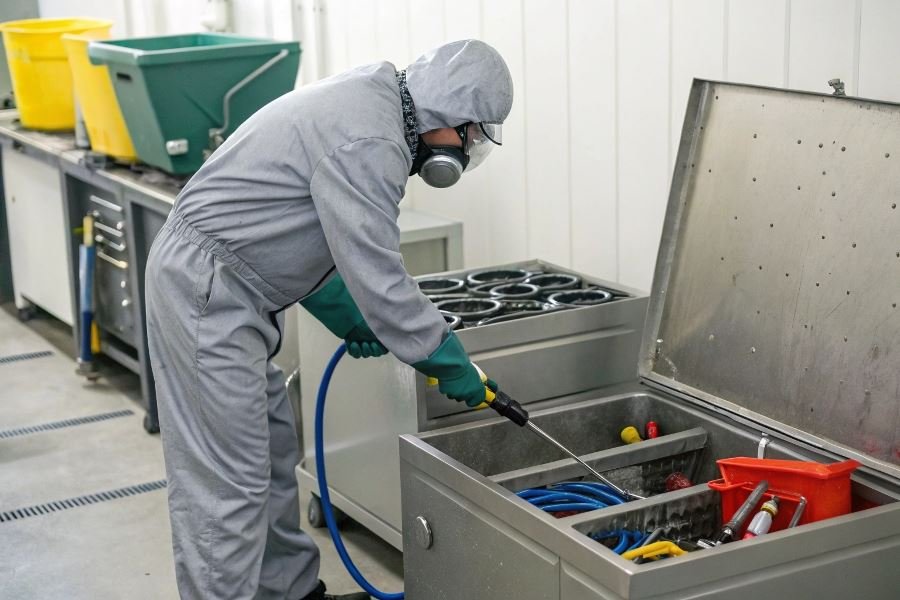
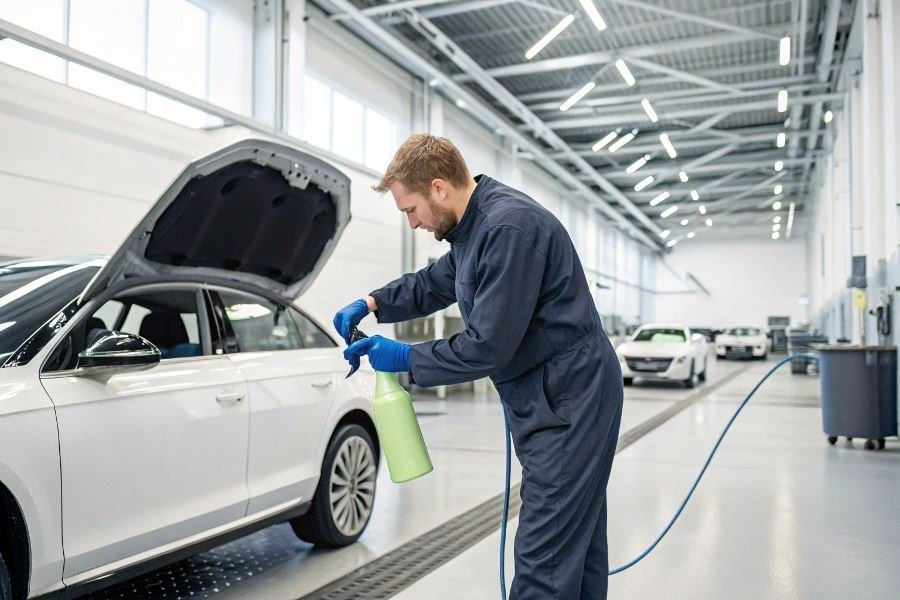
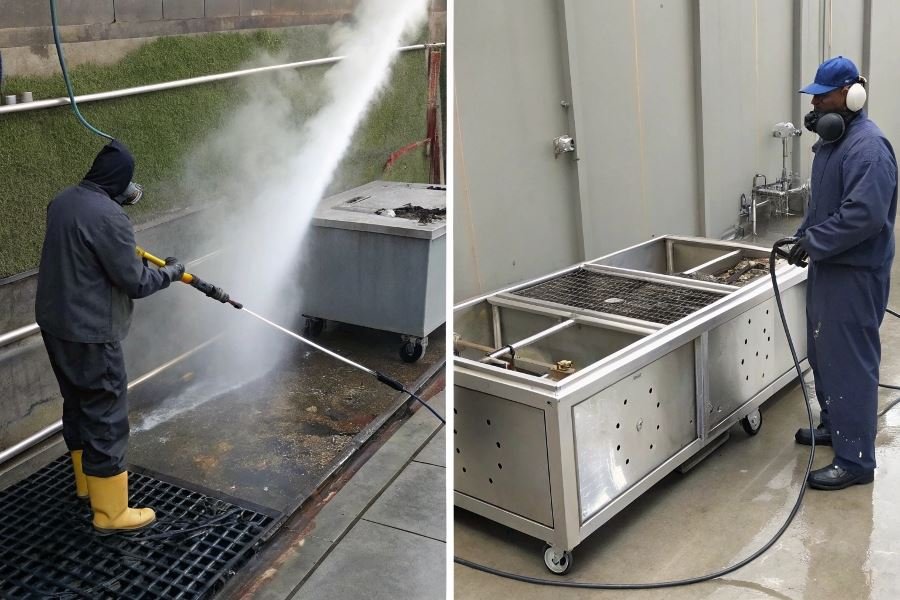
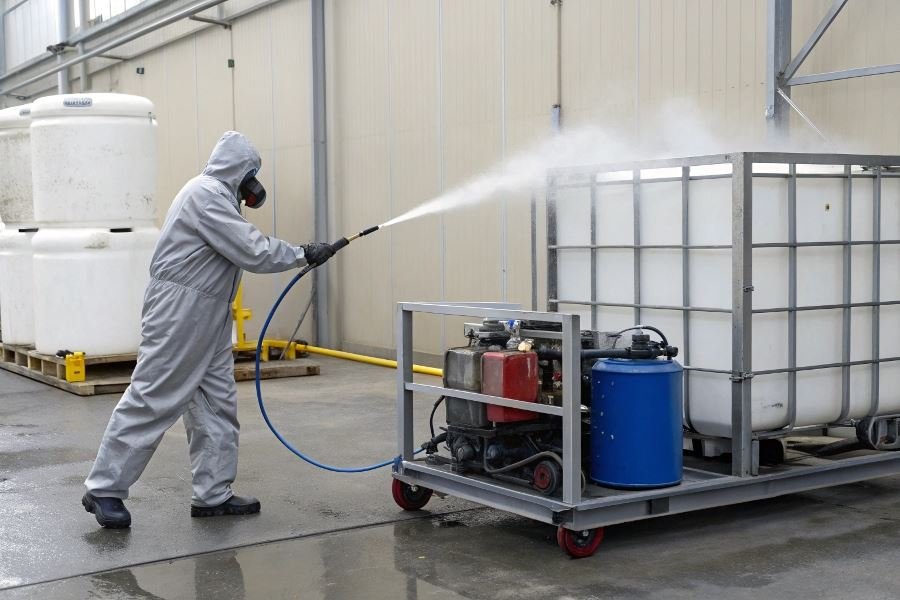
Mobile washing units represent specialized cleaning systems designed to travel directly to where parts and equipment need cleaning. Unlike fixed installations, these portable powerhouses bring precision cleaning capabilities to remote locations, temporary work sites, or facilities lacking permanent washing infrastructure. Equipped with high-pressure spray systems, filtration technology, and often environmentally-friendly solvent alternatives, these units deliver industrial-grade cleaning without the industrial-grade footprint.
The evolution of this technology tells a fascinating story of adaptation. What began in the 1970s as rudimentary portable pressure washers has transformed into sophisticated systems with closed-loop filtration, temperature control, and specialized cleaning chemistries. The breakthrough came in the early 2000s when manufacturers began integrating advanced filtration systems that could capture and process contaminants on-site—dramatically reducing environmental impact while improving cleaning effectiveness.
Industries transformed by mobility
The aerospace sector relies on these units for AOG (Aircraft on Ground) situations, where immobile aircraft require immediate maintenance. Manufacturing facilities use them during production line changeovers. Oil and gas operations deploy them at remote drilling sites. Even precision manufacturing benefits, with mobile units maintaining cleanliness standards for sensitive components without transportation risks.
The true value emerges when downtime costs thousands per hour or when specialized equipment simply cannot be moved to centralized cleaning facilities. In these scenarios, mobile washing units don’t just clean parts—they preserve operational continuity and protect bottom lines.
When Mobile Washing Units Become Mission Critical
In manufacturing and industrial settings, equipment maintenance isn’t just good practice—it’s survival. The ability to clean parts effectively determines operational continuity, equipment lifespan, and ultimately, profitability. While fixed washing installations serve most facilities admirably, certain scenarios demand the flexibility and immediacy that only mobile solutions can provide.
The decision about when mobile units for washing parts are necessary often comes down to logistics, urgency, and accessibility. These portable cleaning powerhouses deliver industrial-grade washing capabilities wherever they’re needed, eliminating the bottlenecks that occur when parts must travel to centralized cleaning facilities. For operations spread across vast territories or those facing unexpected maintenance challenges, these units transform from convenient alternatives to essential infrastructure.
Remote Field Operations Demand On-Site Solutions
When your operation extends beyond facility walls—whether in mining, agriculture, construction, or oil and gas—mobile washing becomes indispensable. Consider pipeline maintenance crews working 200 miles from headquarters, or wind farm technicians servicing turbines across multiple states.
Real-world impact: A major wind energy provider reported 43% reduction in maintenance downtime after deploying mobile washing units to their remote turbine sites, eliminating the need to transport massive components back to central facilities.
Remote operations face unique challenges:
- Limited access to utilities
- Transportation constraints for large components
- Time sensitivity of repairs
- Environmental compliance requirements in diverse locations
Mobile washing units equipped with self-contained water recycling systems, like the Hydropad Pro, deliver industrial-grade cleaning capability while meeting stringent environmental standards in sensitive locations.
Emergency Situations Where Time Equals Money
When equipment fails unexpectedly, the clock starts ticking. Every minute of downtime translates to lost production and revenue.
Emergency scenarios where mobile washing units prove invaluable:
- Unexpected equipment failure requiring immediate cleaning before diagnosis
- Contamination events affecting multiple components
- Temporary production surges requiring additional cleaning capacity
- Scheduled maintenance facility outages
“The mobile unit we deployed during our main washer’s three-week retrofit paid for itself in the first five days by keeping production lines running.” — Manufacturing Plant Manager
During these critical periods, mobile units serve as both insurance policy and rescue solution. Their rapid deployment capability—often operational within hours—transforms potential disasters into manageable challenges.
The Economics of Mobility vs. Fixed Installations
The decision between mobile and fixed washing solutions ultimately comes down to numbers. While fixed installations offer economies of scale for consistent, high-volume operations, mobile units present compelling advantages in specific scenarios.
| Factor | Fixed Installation | Mobile Unit |
|---|---|---|
| Initial investment | $75,000-250,000 | $15,000-85,000 |
| Installation time | 2-6 weeks | 1-2 days |
| Operational flexibility | Limited to installation location | Deployable anywhere |
| Throughput capacity | High | Moderate |
| Utility requirements | Permanent connections | Self-contained options available |
| Maintenance complexity | Higher | Moderate |
The calculus becomes particularly favorable for mobile solutions when:
- Operations occur across multiple locations
- Cleaning needs are intermittent but critical
- Capital budget constraints limit fixed installation options
- Operational flexibility outweighs maximum throughput requirements
Strategic deployment of mobile washing units as complements to fixed installations often delivers the optimal balance of capability, flexibility, and cost-effectiveness for organizations with diverse maintenance needs.
Selecting the Right Mobile Washing Units for Your Operation
When production demands increase but space remains limited, mobile washing units become the unsung heroes of manufacturing efficiency. These versatile cleaning systems deliver precision washing capabilities exactly where you need them, without the infrastructure commitments of fixed installations.
Matching cleaning requirements to part specifications
The effectiveness of any parts washing system hinges on its alignment with your specific cleaning challenges. Mobile units must be selected based on the exact contamination profile you’re battling.
For precision machined components with complex geometries, high-pressure spray systems from Cuda Cleaning Systems deliver the necessary force to reach recessed areas. These systems typically operate at 1,200-2,000 PSI, powerful enough to remove stubborn cutting fluids while gentle enough to preserve surface finishes.
Alternatively, when dealing with sensitive electronic components or delicate assemblies, ultrasonic mobile units from manufacturers like Crest Ultrasonics provide non-abrasive cleaning through cavitation—creating microscopic bubbles that implode against surfaces to lift contaminants without mechanical contact.
The key is matching the cleaning mechanism to your specific part requirements:
| Part Type | Recommended Mobile Technology | Typical Cleaning Parameters |
|---|---|---|
| Heavy machinery components | Hot water pressure washing | 180°F, 1,500-2,000 PSI |
| Precision electronics | Ultrasonic cleaning | 40kHz frequency, water-based solutions |
| Automotive parts | Solvent-based spray washing | 120°F, 60-90 PSI recirculating spray |
Environmental considerations and compliance requirements
Mobile washing units don’t exist in a regulatory vacuum. The environmental impact of your cleaning operations faces increasing scrutiny from agencies like the EPA and state-level environmental departments.
Modern mobile units from Safety-Kleen incorporate closed-loop filtration systems that capture contaminants while recycling cleaning solutions. This reduces both waste generation and fresh water consumption—a critical consideration as water usage regulations tighten nationwide.
When evaluating mobile washing technology, verify compliance with:
- Clean Water Act discharge requirements
- VOC (Volatile Organic Compound) emission standards
- OSHA workplace safety regulations for chemical handling
The most advanced units now feature integrated water treatment systems that neutralize contaminants before discharge, dramatically simplifying compliance documentation and reducing environmental liability.
Three critical features for smart investment
When evaluating mobile washing technology, three features consistently separate exceptional performers from mediocre options:
- Adaptable pressure and temperature controls
Look for systems offering precise digital control over both pressure and temperature. The Hydrotek mobile units provide temperature adjustability between 120-200°F and pressure ranges from 500-3,000 PSI, allowing operators to dial in exact parameters for different cleaning challenges.
- Filtration sophistication and recovery efficiency
The best mobile units incorporate multi-stage filtration that extends solution life while maintaining cleaning effectiveness. Systems with particle separation down to 5 microns dramatically reduce consumable costs while improving cleaning consistency.
- Energy efficiency and operational footprint
Leading mobile units now achieve up to 85% thermal efficiency, significantly reducing operational costs compared to older models that typically operated at 60-65% efficiency. Karcher industrial mobile washers feature standby modes that reduce fuel consumption by up to 40% during production pauses.
The most expensive mobile washing unit isn’t necessarily the best—the right unit is one that precisely matches your specific cleaning requirements while minimizing resource consumption and maximizing operational flexibility.
By carefully assessing your specific cleaning needs, environmental requirements, and these three critical features, you’ll identify mobile washing technology that delivers consistent results while adapting to your operation’s evolving demands.
Discover why mobile parts washing units are essential for field operations and remote maintenance. Learn when these portable cleaning solutions deliver maximum ROI and how to select the right equipment for your industrial needs.
Discover why mobile parts washing units are essential for field operations and remote maintenance. Learn when these portable cleaning solutions deliver maximum ROI and how to select the right equipment for your industrial needs.