Ever glanced at your tires and wondered how to tell when they’ve reached the end of their road? The answer lies in tiny but crucial features built into every modern tire – wear indicators that silently monitor your safety with every mile.
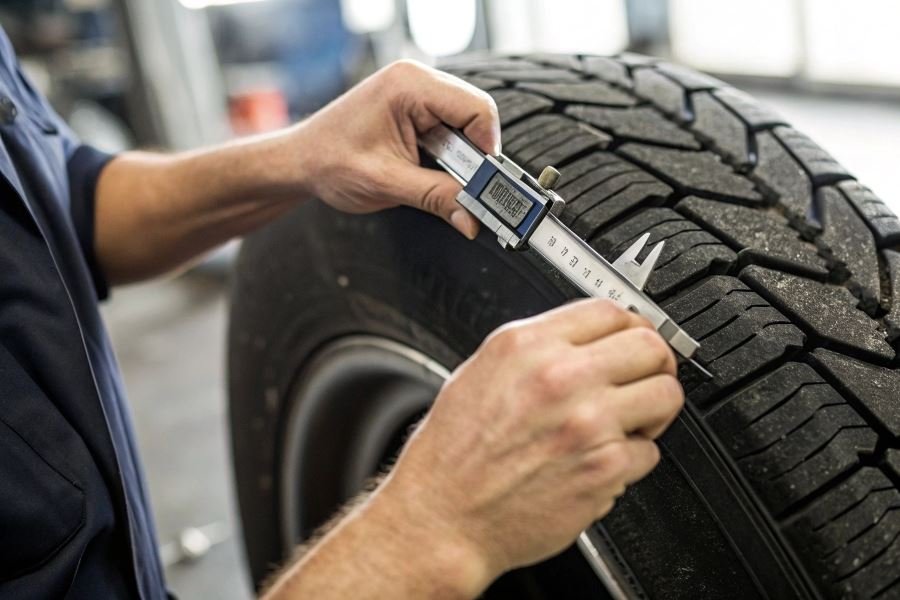
Tire wear indicators are purposefully designed safety features embedded within the tread grooves of your tires. These small, raised bars become increasingly visible as your tire tread wears down, serving as a built-in warning system before your tires become dangerously thin. When these indicators become flush with the surrounding tread, it’s time for replacement – no guesswork required.
Why monitoring matters: Proper tire maintenance isn’t just about avoiding a roadside emergency. Tires with adequate tread depth provide crucial traction in wet conditions, reduce stopping distances, and maintain vehicle handling characteristics. The National Highway Traffic Safety Administration estimates that tire-related crashes cause hundreds of fatalities annually – many preventable through proper tire maintenance.
The science behind the safety
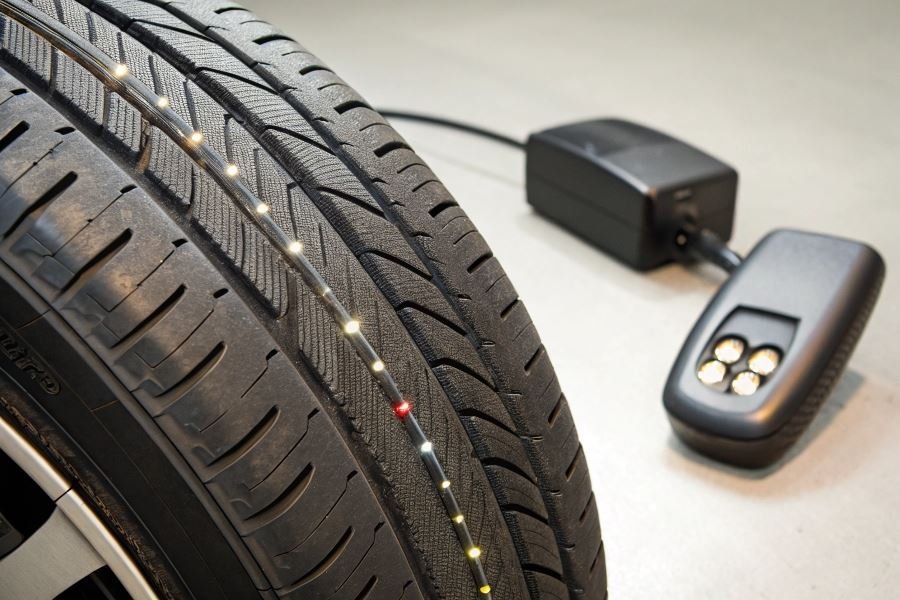
Different indicator systems function through various mechanisms. Traditional wear bars appear as raised rubber bridges across the tire’s grooves, becoming more prominent as tread diminishes. More advanced systems include:
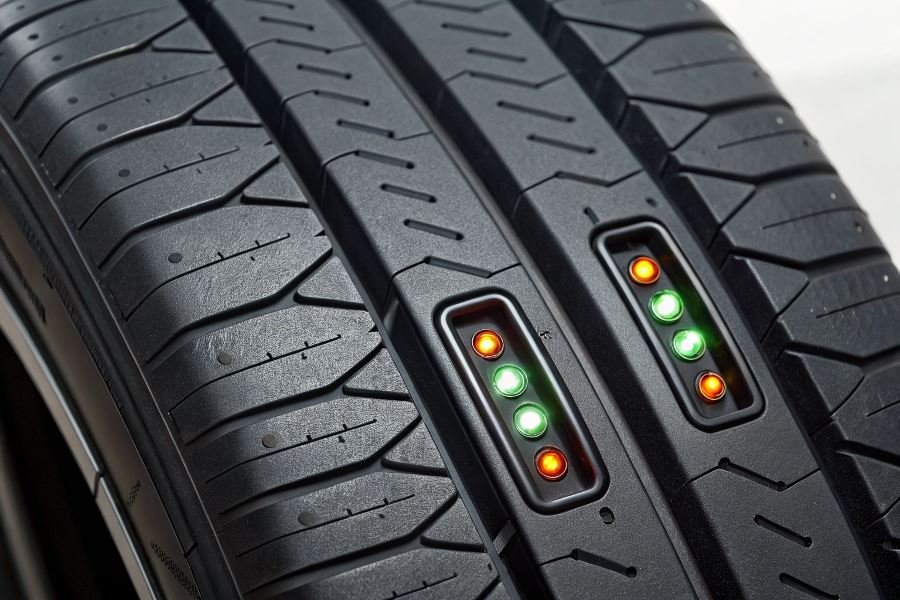
- Visual depth indicators that change color as wear progresses
- Digital sensors that communicate with vehicle systems
- Acoustic warning systems that generate noise when tread reaches critical levels
These ingenious systems serve one vital purpose: transforming invisible wear into visible warnings, ensuring you’re never caught by surprise when your tires can no longer perform as designed.
Tire Wear Indicators That Keep You Safe
When it comes to vehicle safety, few components are as critical as your tires. The difference between adequate traction and a dangerous skid often comes down to millimeters of rubber. That’s why understanding the various types of tire wear indicators is essential for every driver who values safety and performance on the road.
Tire manufacturers have developed several innovative approaches to help drivers monitor tire wear effectively. Each system offers unique advantages and disadvantages that can impact your driving experience, maintenance schedule, and ultimately, your safety. Let’s examine the three primary types of tire wear indicators that have evolved to keep us safer on the roads.
Traditional Tread Wear Indicator Bars
The most common and longstanding approach to monitoring tire wear comes in the form of tread wear indicator bars. These raised rubber bars are molded directly into the tire during manufacturing and become increasingly visible as your tread wears down.
Advantages:
- Universal availability across virtually all tire brands
- Standardized measurements (typically indicating when tread reaches 2/32 of an inch)
- No additional cost or technology required
- Weather-resistant and durable throughout tire lifespan
The beauty of traditional indicators lies in their simplicity. When these bars become flush with your tread surface, it’s time for replacement—no guesswork required.
Disadvantages:
- Limited visibility in poor lighting conditions
- Binary feedback (either “good” or “replace”)
- Requires physical inspection, often involving getting down on hands and knees
- Provides no early warning system for gradual wear patterns
As Michelin and other manufacturers have noted, these traditional indicators serve their purpose but lack the nuance modern drivers increasingly expect.
Visual Color-Based Wear Indicators
A more intuitive approach has emerged with color-based wear indicators. These systems incorporate different colored rubber layers that become visible as the tire wears down, providing a progressive visual feedback system.
Advantages:
- Intuitive color-coding (typically green-yellow-red progression)
- Provides graduated feedback throughout tire life
- Easier visual inspection from standing position
- Helps identify uneven wear patterns across the tire surface
Continental has pioneered some impressive color-based systems that make tire inspection almost foolproof.
Disadvantages:
- Higher manufacturing complexity and cost
- Potential for color fading in extreme weather conditions
- Less standardization across brands
- May be less visible on dirty tires
The color-based approach represents a significant improvement in user-friendliness but comes with its own set of limitations.
Electronic Tire Wear Monitoring Systems
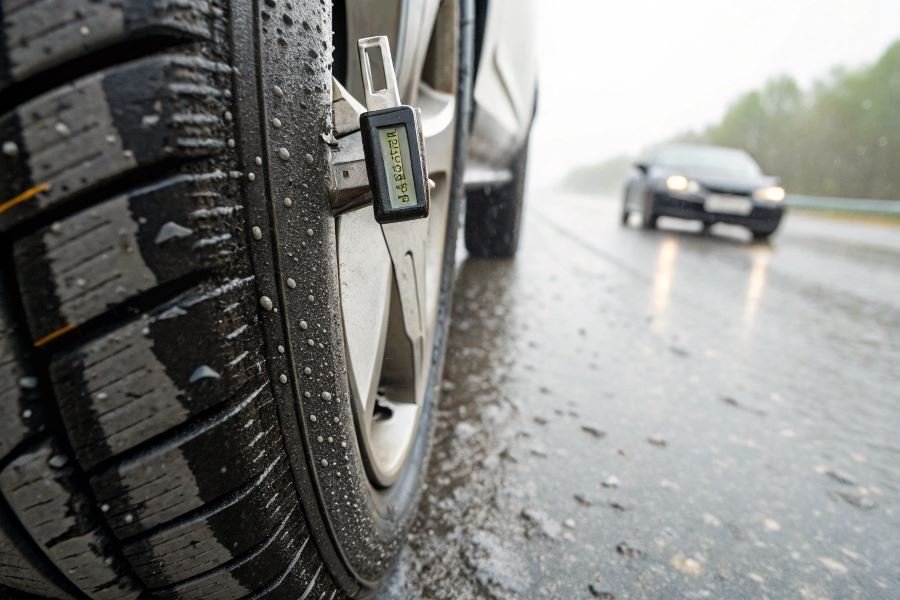
The cutting edge of tire wear technology comes in the form of electronic monitoring systems. These sophisticated setups use embedded sensors to track tire condition in real-time.
Advantages:
- Continuous real-time data on tire condition
- Integration with vehicle dashboard systems
- Automatic alerts when wear reaches critical levels
- Can detect issues beyond simple tread depth (pressure, temperature)
Bridgestone and other premium manufacturers have invested heavily in these technologies, recognizing their potential to revolutionize tire maintenance.
Disadvantages:
- Significantly higher cost than traditional indicators
- Potential for sensor failure or calibration issues
- May require professional installation or specialized equipment
- Battery life concerns in some systems
| Indicator Type | Cost | Ease of Use | Accuracy | Durability |
|---|---|---|---|---|
| Traditional Bars | $ | ★★☆ | ★★★ | ★★★★★ |
| Color-Based | $$ | ★★★★ | ★★★★ | ★★★★ |
| Electronic | ★★★★★ | ★★★★★ | ★★★ |
While electronic systems represent the future of tire monitoring, their adoption remains limited by cost considerations and technological hurdles that manufacturers continue to address.
The evolution of these indicators reflects the industry’s commitment to improving safety through better information. Whether you prefer the simplicity of traditional bars or the comprehensive data of electronic systems, staying informed about your tire condition remains one of the most important aspects of vehicle maintenance.
Making the Right Choice for Tire Safety
Factors that influence your indicator selection
Choosing the right tire wear indicator isn’t just about safety—it’s about matching your driving habits with the appropriate technology. Traditional tread wear indicator bars remain the most accessible option, but their binary nature (safe/unsafe) limits detailed monitoring. Digital pressure monitoring systems offer precision but come with higher price points, typically ranging from $50 to $300 depending on sophistication.
Your driving environment should heavily influence your choice. If you frequently navigate rainy regions like the Pacific Northwest, opt for indicators that excel at measuring lateral grooves—the channels that prevent hydroplaning. For those in areas with extreme temperature fluctuations, digital systems with temperature compensation provide crucial accuracy when pressure readings would otherwise be affected.
Vehicle type matters significantly. Commercial fleet operators benefit from RFID-embedded indicators that allow for systematic monitoring across multiple vehicles. Meanwhile, performance vehicle owners might prioritize indicators that measure tread wear patterns specific to high-speed cornering.
The most expensive indicator isn’t always the best—it’s the one that addresses your specific safety concerns and driving conditions.
Maintenance essentials beyond indicators
Even the most advanced wear indicators can’t replace fundamental tire maintenance practices. Monthly pressure checks remain non-negotiable regardless of whether you have a TPMS system installed. Digital gauges provide readings within ±0.5 PSI compared to the ±2-3 PSI variance in analog models.
Rotation schedules deserve religious adherence—every 5,000-7,000 miles for most vehicles. This practice ensures even wear across all tires, extending their useful life by up to 20% according to industry studies.
Alignment checks often get overlooked but significantly impact wear patterns. When tires show uneven wear despite regular rotation, it’s almost certainly an alignment issue. Professional alignment services typically cost $75-150 but save hundreds in premature tire replacement.
The horizon of tire monitoring technology
The tire wear indicator landscape is evolving rapidly. Embedded microchip technology is moving beyond simple pressure monitoring to continuous tread depth assessment. These systems can detect wear patterns in real-time and alert drivers to potential issues before they become visible.
Machine learning algorithms are being integrated into advanced systems to predict tire failure based on driving patterns and road conditions. These predictive models can distinguish between normal wear and anomalies that might indicate structural problems.
Perhaps most promising is the development of self-reporting tires with built-in connectivity. Major manufacturers like Goodyear and Michelin are developing tires that communicate directly with vehicle systems and even maintenance facilities, scheduling service when needed.
Augmented reality interfaces are entering the market, allowing drivers to visually inspect tire condition through smartphone applications. These tools overlay critical information onto camera views of the tire, highlighting wear patterns that might be invisible to the naked eye.
The future points toward integration—tire monitoring systems that work seamlessly with vehicle safety features, adjusting traction control and braking systems based on real-time tire condition data. This holistic approach promises to dramatically reduce tire-related accidents while maximizing performance and efficiency.
Discover the three main tire wear indicator types and their impact on your safety. Compare traditional bars, color-based systems, and electronic monitors to make informed decisions about your vehicle maintenance.
Discover the three main tire wear indicator types and their impact on your safety. Compare traditional bars, color-based systems, and electronic monitors to make informed decisions about your vehicle maintenance.