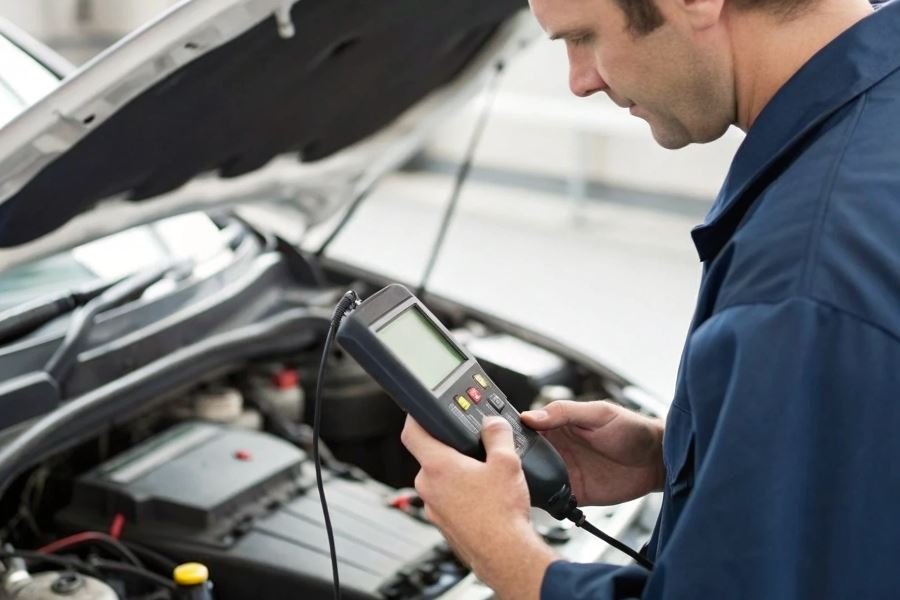
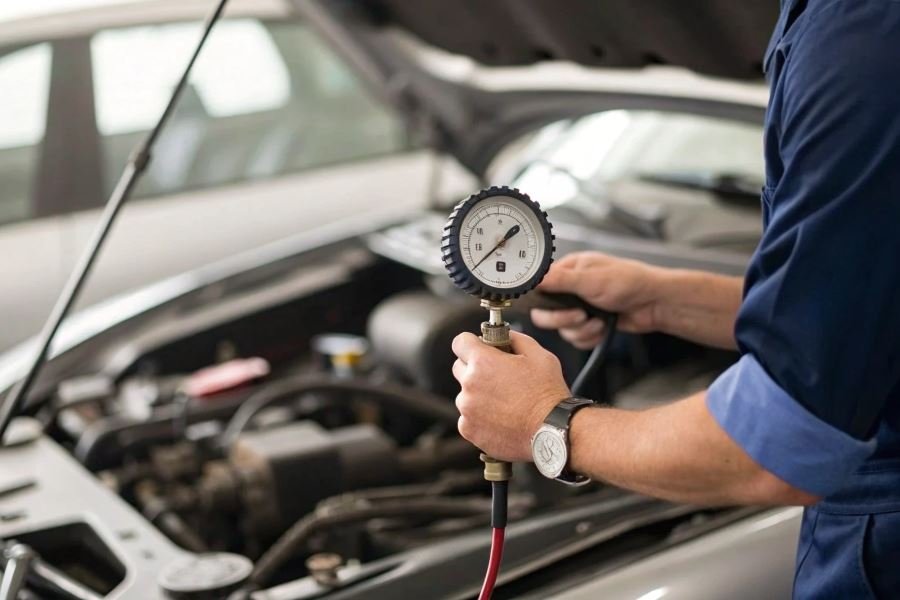
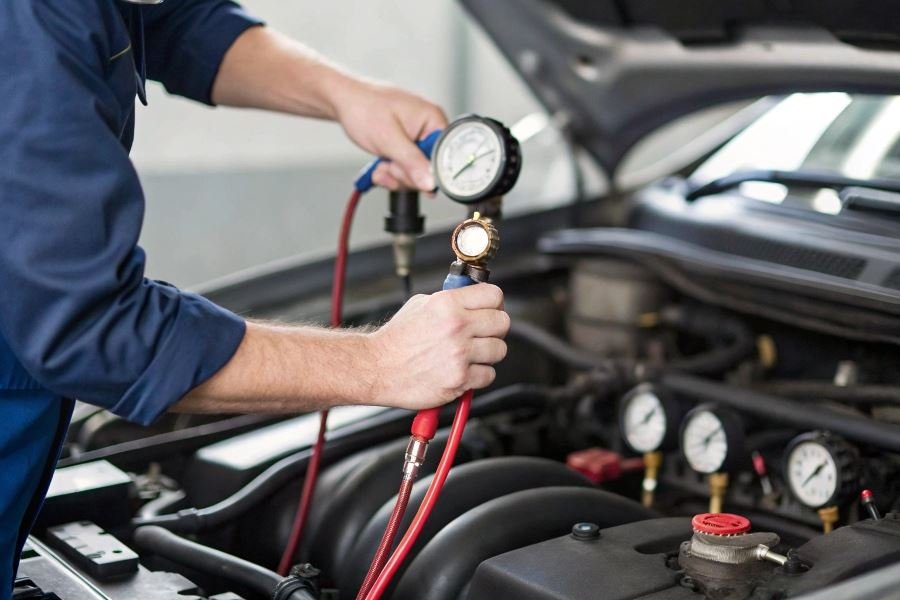
Ever wondered why some professionals can diagnose complex pressure issues in seconds while others struggle? The secret often lies in their understanding of one crucial tool: the manometer. This precision instrument isn’t just for technicians—it’s the unsung hero behind everything from safe home heating to proper tire inflation.
A manometer is essentially a pressure-measuring device that comes in three primary varieties. Analog manometers feature the classic dial display, reliable but requiring careful reading. Digital manometers offer precise numerical readings with minimal interpretation needed. Differential manometers measure the pressure difference between two points—critical for HVAC systems and industrial applications.
Why precision matters
When it comes to pressure measurements, being “close enough” simply isn’t good enough. Even small inaccuracies can lead to:
- Equipment failure costing thousands in repairs
- Decreased efficiency driving up energy bills
- Safety hazards that put lives at risk
“Pressure measurement isn’t just about numbers—it’s about confidence in your systems,” notes industry experts who regularly see the consequences of imprecise readings.
Safety first: Manometer precautions
Before connecting any manometer, always:
- Ensure the pressure source is within the device’s measurement range
- Check for damage to connections and seals
- Wear appropriate safety gear when measuring high-pressure systems
- Release pressure slowly when disconnecting
Remember that quality manometers aren’t just tools—they’re investments in precision, safety, and efficiency that pay dividends through accurate system performance.
Mastering Manometer Measurements
Calibration: The Foundation of Accuracy
Before diving into any pressure measurement task, ensuring your manometer is properly calibrated is absolutely critical. Calibration isn’t just a technical formality—it’s the difference between meaningful data and expensive mistakes. Start by checking the manufacturer’s specifications for your specific model. Most quality manometers require calibration verification every 6-12 months, though industrial applications may demand more frequent checks.
The process of properly using a manometer begins with zeroing the instrument in its resting position. For liquid manometers, this means ensuring the meniscus sits precisely at the zero mark when no pressure is applied. For digital models, most feature a dedicated calibration button that must be pressed while the device is disconnected from any pressure source. Remember that temperature significantly affects calibration—a manometer calibrated at 70°F may show deviations of up to 3% when used in environments below 50°F or above 90°F.
Pro tip: Keep a calibration log with dates, ambient conditions, and zero-point readings. This simple practice can help identify drift patterns before they compromise your measurements.
Connection Techniques That Prevent Errors
Connecting your manometer to the system requires precision and attention to detail. First, ensure all connection points are clean and free from debris. Even microscopic particles can create false readings by disrupting the pressure seal.
For threaded connections, apply appropriate thread sealant—never use Teflon tape on oxygen systems as it creates a combustion hazard. When connecting to high-pressure systems, always use the appropriate adapters and never force connections. Ashcroft recommends a two-wrench technique: one to hold the manometer body steady and another to tighten the connection fitting, preventing internal damage to the instrument.
Connection checklist:
- Inspect O-rings and gaskets for wear
- Verify pressure range compatibility
- Ensure proper orientation (vertical for liquid manometers)
- Check for leaks using soap solution at connections
- Allow system to stabilize before taking readings
Interpreting Readings With Confidence
The final step in manometer mastery lies in correctly reading and interpreting the measurements. Digital manometers display readings directly, but understanding units and context remains crucial. For traditional U-tube manometers, always read at eye level with the meniscus to avoid parallax errors.
| Manometer Type | Reading Technique | Common Pitfalls |
|---|---|---|
| U-tube | Read at bottom of meniscus curve | Parallax error, uneven liquid levels |
| Inclined | Measure along calibrated scale | Improper inclination angle |
| Digital | Direct reading from display | Battery issues, sensor drift |
| Differential | Note both pressure points | Reversed connections |
When taking readings, allow sufficient time for pressure to stabilize—typically 30-60 seconds for most applications. For critical measurements, take multiple readings and calculate the average. Temperature compensation is essential; most professional-grade manometers from Dwyer Instruments include built-in temperature compensation, but always verify this feature for your specific model.
Remember: Pressure readings must always be interpreted in context of the system’s normal operating parameters. A reading that falls within specifications but shows a significant change from historical patterns may still indicate a developing problem.
By following these methodical steps for preparation, connection, and interpretation, your manometer will deliver the accurate, reliable measurements that critical systems demand.
Maximizing Manometer Lifespan and Accuracy
Storage secrets that extend instrument life
Proper storage dramatically impacts your manometer’s longevity and accuracy. Store your device in a clean, dry environment with stable temperature conditions—ideally between 50-85°F. For portable manometers, invest in a padded carrying case that prevents physical damage during transport. Digital manometers require additional consideration: remove batteries during extended storage periods to prevent corrosion from battery leakage.
Wisdom nugget: The difference between a manometer that lasts 3 years versus 10+ years often comes down to how you store it when not in use.
Cleaning should be performed regularly using manufacturer-approved solutions. For liquid-filled manometers, check fluid levels monthly and top off with the correct fluid type—never substitute with alternatives. Mercury manometers require special handling; always wear appropriate protective equipment when maintaining these instruments due to mercury’s toxicity.
Common measurement mistakes to avoid
Even experienced technicians make these preventable errors:
-
Improper zeroing: Always zero your manometer before each measurement session, especially when changing elevation or after temperature fluctuations.
-
Ignoring temperature compensation: Pressure readings vary with temperature. Digital manometers often include built-in compensation, but analog models require manual adjustment using manufacturer conversion tables.
-
Exceeding range limitations: Using a manometer beyond its specified range not only produces inaccurate readings but can permanently damage the instrument.
-
Rapid pressure changes: Sudden pressure spikes can damage sensitive components. Always introduce pressure gradually when connecting to systems.
-
Contamination exposure: Keep connections clean and capped when not in use. Particulates entering the system are the leading cause of premature failure.
| Error Type | Consequence | Prevention Strategy |
|---|---|---|
| Improper zeroing | Baseline measurement errors | Zero before each use |
| Temperature effects | Inaccurate readings | Apply temperature compensation |
| Range exceedance | Permanent calibration damage | Select appropriate range manometer |
| Rapid pressure changes | Internal component damage | Use slow-opening valves |
| Contamination | Blocked ports and passages | Keep connections capped |
Recognizing when recalibration is necessary
Most quality manometers require recalibration annually, but certain conditions necessitate immediate attention:
Schedule recalibration when:
- Readings drift or appear inconsistent
- After any significant impact or drop
- When exposed to extreme temperatures
- Following exposure to corrosive substances
- Per manufacturer’s recommended intervals (typically 6-12 months)
For critical applications in medical or industrial settings, consider implementing a calibration verification program using certified reference standards. Document all calibrations with dates and verification results to maintain compliance with industry standards.
Replacement becomes necessary when recalibration no longer restores accuracy or when repair costs exceed 50% of replacement value. Modern digital manometers from manufacturers like Fluke or Dwyer Instruments offer enhanced features that may justify upgrading older equipment, including data logging capabilities, wireless connectivity, and improved accuracy specifications.
By implementing these maintenance practices and avoiding common errors, your manometer will deliver years of reliable service and accurate measurements—essential for both safety and efficiency in pressure-critical applications.
Learn how to properly use a manometer with our comprehensive guide covering calibration, accurate readings, and maintenance tips. Master pressure measurement techniques for reliable results in any application.
Learn how to properly use a manometer with our comprehensive guide covering calibration, accurate readings, and maintenance tips. Master pressure measurement techniques for reliable results in any application.