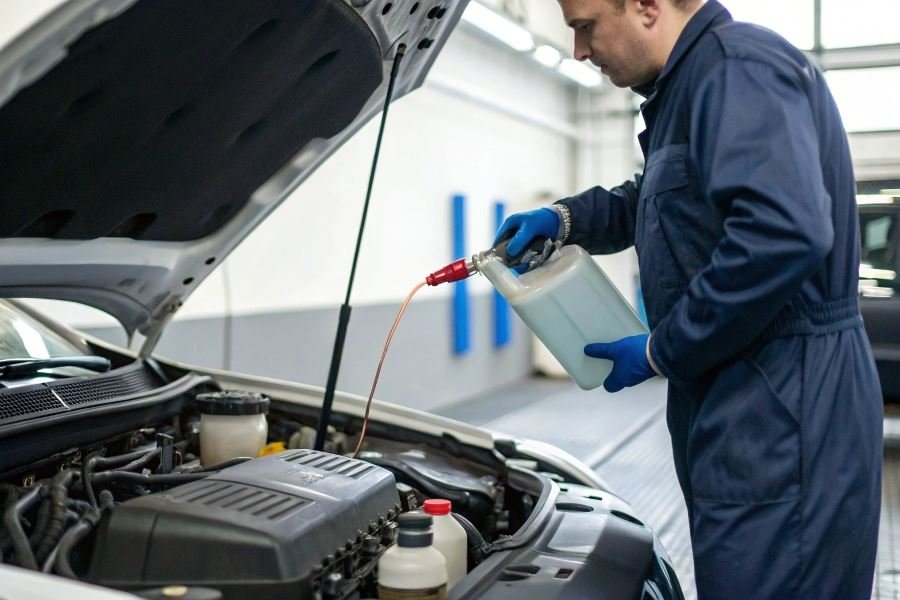
When you press your brake pedal, you’re trusting a complex hydraulic system with your life. Yet the fluid powering this critical safety component degrades silently over time, absorbing moisture and becoming less effective with each passing mile. This invisible deterioration makes regular brake fluid replacement not just maintenance—it’s a crucial safety imperative.
Behind the scenes, the technology for replacing this vital fluid has undergone a remarkable transformation. What began as a messy, manual process requiring a technician to repeatedly pump the brake pedal has evolved into sophisticated automated systems that ensure complete fluid exchange with minimal human intervention.
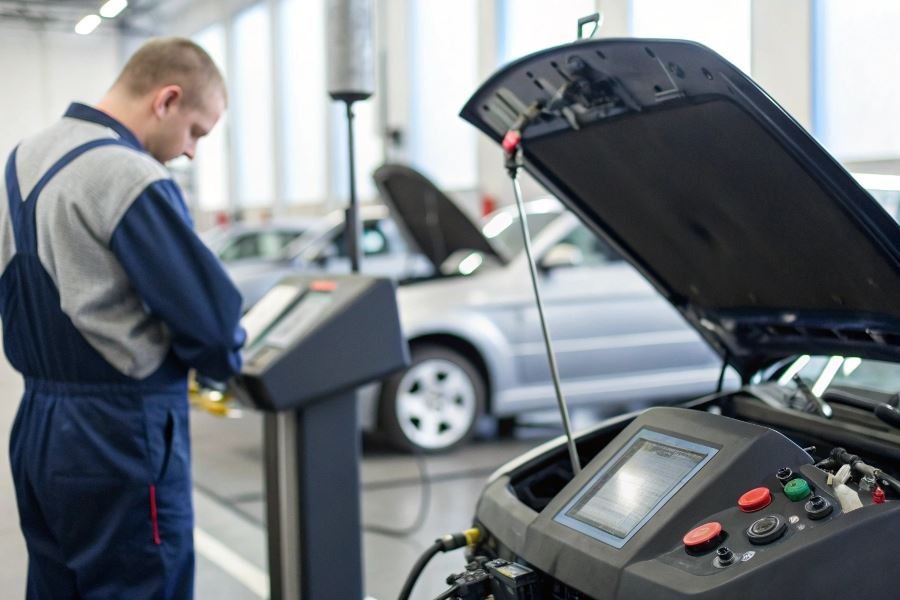
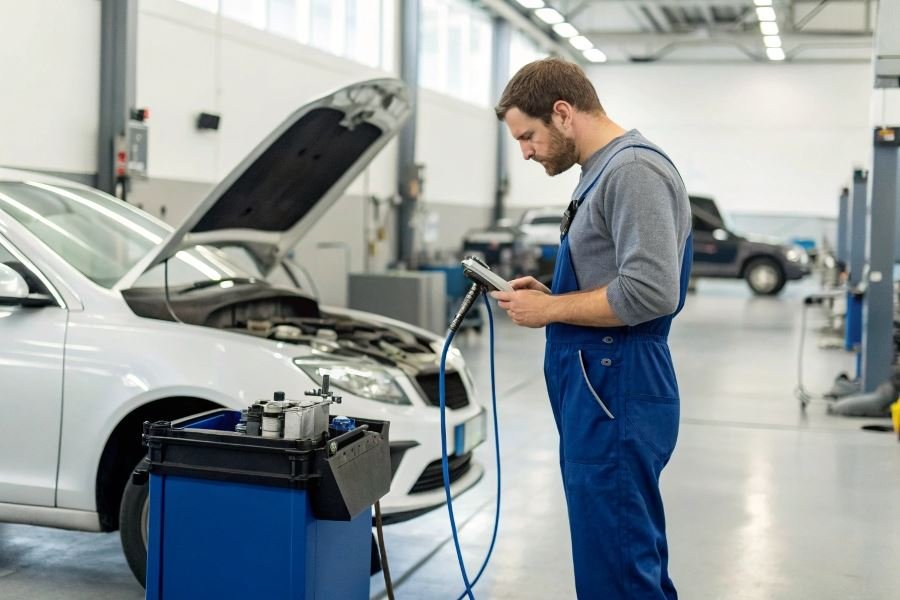
Today’s professional shops typically choose between two dominant technologies: pneumatic and electric brake fluid replacement systems. The fundamental difference lies in their power source and operation method. Pneumatic systems harness compressed air to create the pressure needed to push fresh fluid through the brake lines, offering robust performance that’s particularly valued in high-volume service environments. Electric systems, by contrast, utilize precision motors to control fluid exchange with digital accuracy, often featuring programmable settings and detailed monitoring capabilities.
This evolution represents more than just technological advancement—it’s transformed a once-inconsistent maintenance procedure into a precise science that directly impacts vehicle stopping distance and safety performance. The choice between these systems affects not only shop efficiency but ultimately the reliability of every vehicle that rolls out of the service bay.
Pneumatic vs Electric Brake Fluid Systems: The Ultimate Showdown
When it comes to workshop efficiency, few tools impact your bottom line like brake fluid replacement systems. The debate between pneumatic and electric systems has intensified as vehicle technology evolves, with each offering distinct advantages that can make or break your service department’s productivity.
The comparison of pneumatic and electric systems for brake fluid replacement reveals fundamental differences in how these technologies approach the same critical task. While pneumatic systems harness compressed air to generate pressure, electric units rely on motorized pumps to create the necessary force. This distinction affects everything from operational consistency to long-term ownership costs.
Pressure performance that pays the bills
Pneumatic systems have long been the workshop standard, delivering consistent pressure that rarely fluctuates during operation. Most quality pneumatic units maintain steady pressure between 10-15 PSI throughout the entire fluid exchange process, ensuring thorough bleeding without risking component damage.
Electric systems, by comparison, have made remarkable strides in pressure regulation. Modern electric units from manufacturers like Bosch and Snap-on now feature digital pressure control systems that maintain precision within ±0.5 PSI, offering unprecedented consistency that pneumatic systems struggle to match.
When measuring fluid exchange speed, the numbers tell an interesting story:
| System Type | Average Complete Exchange Time | Pressure Consistency | Fluid Waste |
|---|---|---|---|
| Pneumatic | 8-12 minutes | Good (±2 PSI) | 5-10% |
| Electric | 5-8 minutes | Excellent (±0.5 PSI) | 2-5% |
The dollars and sense of ownership
Initial investment presents the first major divergence between these systems. Pneumatic units typically range from 1, 200−2,500, while quality electric systems command 2, 800−4,500. This price gap narrows when considering the complete installation requirements – pneumatic systems need compressed air infrastructure that may add 800−1,500 if not already present in your facility.
Maintenance tells an equally compelling story:
Pneumatic systems require:
- Air filter replacements (25−40 every 3-6 months)
- Regulator calibration (annually)
- Seal replacements (every 2-3 years)
Electric systems demand:
- Motor brush inspections (annually)
- Pump diaphragm checks (every 2 years)
- Electronic calibration (every 12-18 months)
The five-year ownership calculation typically favors electric systems by 8-12%, despite their higher acquisition cost, primarily due to reduced labor time and fluid waste.
Modern vehicle compatibility
Today’s increasingly complex brake systems present compatibility challenges that weren’t concerns a decade ago. Electric systems shine with adaptive programming capabilities that automatically adjust pressure cycles for vehicles with advanced driver assistance systems (ADAS) and regenerative braking.
Pneumatic systems offer broader compatibility with older vehicles and simpler brake configurations, making them ideal for shops servicing diverse vehicle ages. However, they typically require manual adjustments when switching between conventional, ABS, and electronic stability control systems.
The adaptability factor extends to physical configurations as well. Electric units generally offer more compact footprints (averaging 25% smaller than comparable pneumatic systems) and greater mobility without sacrificing performance – a crucial consideration for shops where floor space translates directly to service capacity and revenue potential.
Making the Right Choice: Pneumatic vs Electric Brake Bleeders
Workshop Volume and Throughput Capabilities
When deciding between pneumatic and electric brake fluid replacement systems, workshop volume should be your first consideration. These systems handle dramatically different throughput levels that directly impact your daily operations.
Pneumatic systems excel in high-volume environments, processing up to 40-50 vehicles daily in busy service centers. Their continuous operation capability means virtually no downtime between vehicles—connect to your shop’s air compressor, and you’re running all day. Most professional-grade pneumatic systems from manufacturers like Snap-on can maintain consistent pressure throughout extended use periods, making them ideal for commercial operations servicing fleets or dealerships.
Electric systems, by contrast, typically manage 15-25 vehicles daily before requiring cooling periods. While modern units from Phoenix Systems have improved significantly, they still face thermal limitations during marathon sessions. However, they shine in medium-volume shops where their portability and independence from air compressors provide flexibility.
The throughput difference isn’t just about speed—it’s about sustainable workflow. A pneumatic system running at 80% capacity outperforms an electric system pushed to 100%.
Technician Expertise and Learning Curve
The learning curve between these systems presents another critical decision point for shop owners.
| System Type | Initial Training Time | Mastery Period | Common User Errors |
|---|---|---|---|
| Pneumatic | 1-2 hours | 1-2 weeks | Pressure regulation, seal issues |
| Electric | 30-45 minutes | 3-5 days | Battery management, overheating |
Electric systems feature more intuitive interfaces with digital pressure displays and often include preset programs for different vehicle types. A technician with basic mechanical knowledge can become proficient within days. The Bosch ABS 3.0 electric bleeder, for example, offers guided operation that significantly flattens the learning curve.
Pneumatic systems require deeper understanding of pressure dynamics and mechanical principles. While this translates to a steeper learning curve, it also creates technicians with more comprehensive knowledge of brake hydraulics. The expertise developed becomes a valuable shop asset, enabling technicians to troubleshoot complex brake issues beyond simple fluid replacement.
ROI Timeline and Business Growth Potential
The investment return timeline varies significantly between these systems, affecting your business growth trajectory.
Electric systems typically offer faster initial ROI—usually within 4-6 months for shops servicing at least 5 brake jobs weekly. Their lower upfront cost (averaging $800-1,500) makes them accessible entry points. However, their replacement cycle accelerates with heavy use, typically requiring new units every 3-4 years.
Pneumatic systems present a longer-term investment proposition with higher upfront costs ($2,000-3,500) but substantially longer operational lifespans—often 8-10 years with proper maintenance. Their ROI timeline extends to 10-12 months but delivers greater cumulative returns.
The business growth potential tilts decidedly toward pneumatic systems for shops planning expansion. Their scalability allows handling increased volume without proportional increases in equipment costs or technician hours. Many successful operations report that pneumatic systems enabled them to increase brake service capacity by 30-40% without adding staff.
Electric systems offer different growth advantages through versatility—they can be deployed anywhere in the shop or even for mobile services, opening alternative revenue streams that fixed pneumatic installations cannot match.
Your choice ultimately depends on your business model, growth timeline, and service volume projections—each system type creates distinct but viable paths to profitability.
Discover which brake fluid replacement technology delivers superior performance in modern vehicles. Compare pneumatic vs electric systems based on efficiency, cost, and compatibility to make the best choice for your automotive needs.
Discover which brake fluid replacement technology delivers superior performance in modern vehicles. Compare pneumatic vs electric systems based on efficiency, cost, and compatibility to make the best choice for your automotive needs.