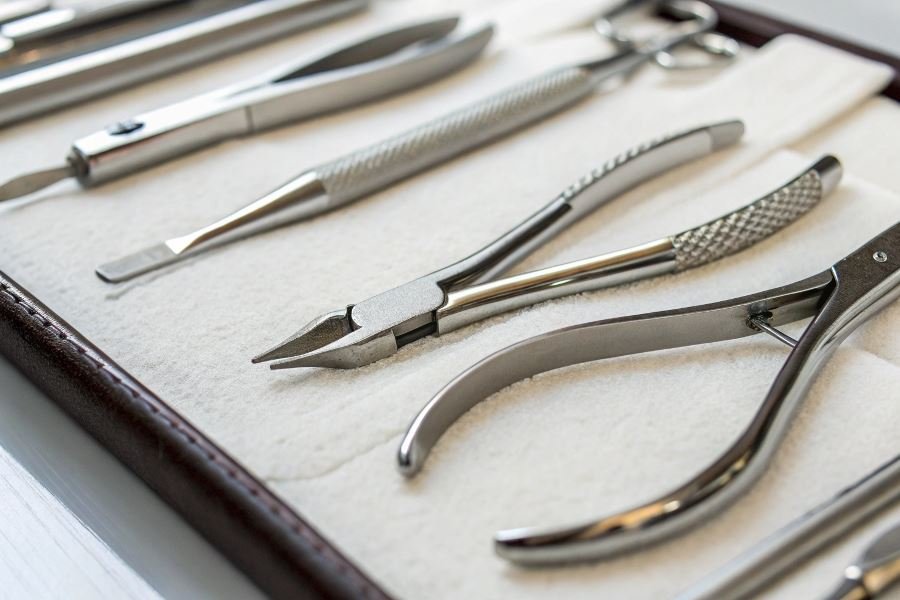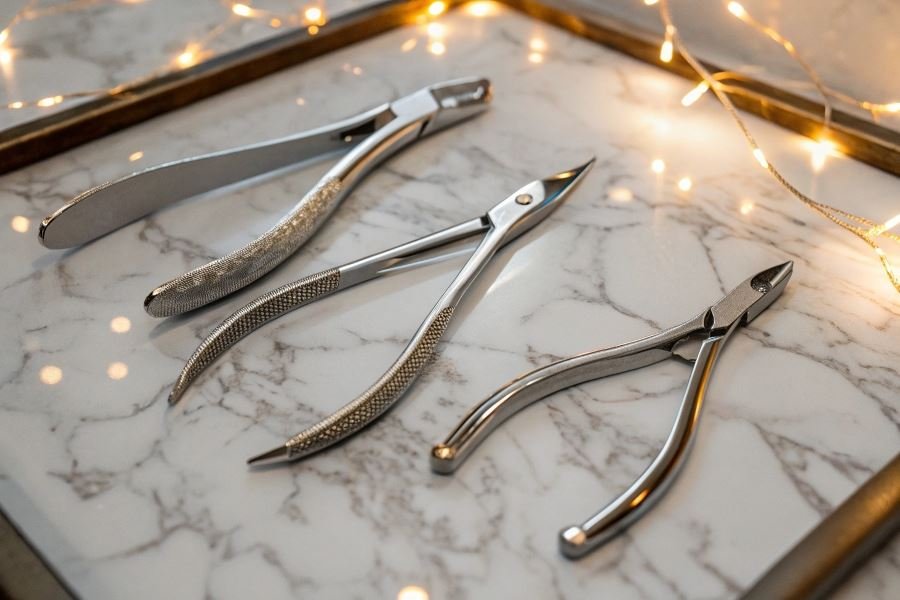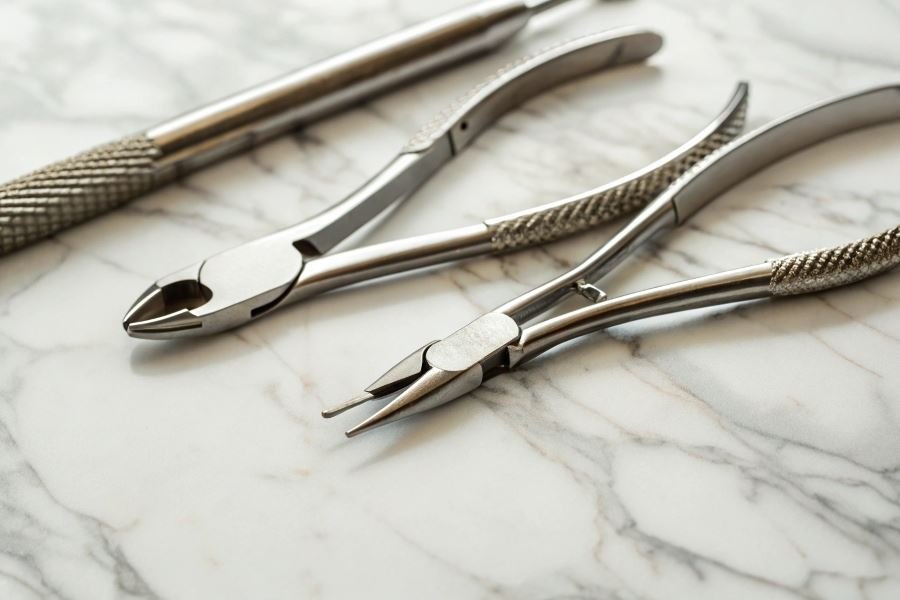
Ever picked up a manicure nipper only to have it slip, bend, or dull after just a few uses? That frustrating experience isn’t just bad luck—it’s chemistry, metallurgy, and craftsmanship at work. The difference between a painful, jagged cuticle trim and a clean, professional-looking result often comes down to one critical factor: the material of your nippers.
When selecting manicure nippers for home use, the material isn’t just a specification on a package—it’s the foundation of every snip, clip, and trim you’ll make. Professional nail technicians understand this implicitly; they invest in high-quality tools because they recognize that material quality directly impacts precision, comfort, and longevity.
The material-performance connection
The material of your nippers affects three crucial aspects of performance:
- Sharpness retention – Higher-quality metals hold their edge longer, requiring less frequent sharpening
- Corrosion resistance – Better materials withstand exposure to nail products and cleaning solutions
- Structural integrity – Premium materials resist bending, warping, and misalignment
Common materials in the nipper world
| Material | Pros | Cons | Best For |
|---|---|---|---|
| Stainless Steel | Affordable, rust-resistant | Dulls faster | Occasional home use |
| Surgical Steel | Excellent edge retention, durable | Higher price point | Regular home maintenance |
| Cobalt | Superior hardness, exceptional durability | Premium pricing | Professional use, serious home enthusiasts |
| Carbon Steel | Exceptional sharpness | Requires careful maintenance | Professionals with proper care routines |
The material you choose doesn’t just determine how long your nippers will last—it fundamentally shapes your entire nail care experience. Investing in quality materials now can save you from both disappointing results and the cost of frequent replacements down the road.
The Material Showdown: What Your Manicure Nippers Are Made Of
When precision meets durability, the material of your manicure nippers becomes the deciding factor in performance. Professional nail technicians have long understood this, but home users are increasingly recognizing that materials for manicure nippers significantly impact their cutting efficiency, longevity, and maintenance requirements.
Let’s cut through the confusion about which materials deliver the best performance for home manicure enthusiasts. The right nippers can transform your nail care routine from frustrating to flawless, and understanding the properties of stainless steel, titanium, and carbon steel will help you make an informed choice that matches your specific needs.
Stainless Steel: The Reliable Workhorse
Stainless steel nippers dominate the market for good reason. These tools offer an impressive balance of durability, corrosion resistance, and value that makes them ideal for home users.
Key advantages:
- Exceptional rust resistance
- Minimal maintenance requirements
- Reasonable price point ($15-45 for quality options)
- Suitable for regular home use
Stainless steel contains chromium, which forms a protective layer that prevents oxidation. This means your nippers won’t rust even in the humid bathroom environment. For home users who may not meticulously dry and oil their tools after each use, this forgiveness factor is invaluable.
The 400-series stainless steel (particularly 420HC) offers the optimal balance of hardness and corrosion resistance for manicure tools.
While professional-grade stainless steel nippers from brands like Tweezerman or Zwilling J.A. Henckels command higher prices, excellent mid-range options provide remarkable performance for typical home use.
Titanium-Coated: The High-Tech Option
Titanium-coated nippers represent the intersection of aesthetics and performance enhancement.
What you’re getting:
- Enhanced hardness and edge retention
- Distinctive gold or rainbow appearance
- Reduced friction during cutting
- Premium price point ($35-80)
It’s crucial to understand that these are typically stainless steel nippers with a titanium nitride (TiN) coating—not solid titanium. The coating adds a layer of hardness that helps the cutting edge stay sharper longer.
However, the coating can eventually wear off, particularly at the cutting edge. Once this happens, the nippers essentially revert to their stainless steel base. For home users who trim nails weekly, this process might take years, making titanium-coated options a worthwhile investment for those seeking enhanced performance.
Carbon Steel: The Precision Specialist
Carbon steel nippers are the traditional choice of professionals who demand exceptional sharpness and precision.
Standout qualities:
- Superior edge retention
- Exceptional hardness
- Precise cutting ability
- Higher maintenance requirements
These nippers can achieve and maintain an incredibly sharp edge, making them ideal for thick nails or precision work. The trade-off is significant: carbon steel requires vigilant care to prevent rust.
After each use, carbon steel nippers must be:
- Thoroughly dried
- Lightly oiled
- Stored in a dry environment
For home users willing to commit to this maintenance routine, carbon steel nippers from manufacturers like Seki Edge deliver unmatched cutting performance. However, if you’re likely to leave your nippers in a damp bathroom drawer, stainless steel remains the more practical choice.
Making the Right Choice for Your Manicure Arsenal
When it comes to manicure nippers, material selection isn’t just a technical detail—it’s the difference between frustrating snags and precision cuts that leave your nails looking professionally groomed. Let’s dive into how to match materials to your specific needs, navigate budget considerations without sacrificing quality, and maintain your tools for years of reliable service.
Matching Materials to Your Manicure Needs
Different nail types and conditions demand different nipper materials. Here’s what works best for specific situations:
Stainless steel remains the gold standard for all-purpose use. Its corrosion resistance and durability make it ideal for regular maintenance of healthy nails. However, not all stainless steel is created equal:
- Medical-grade stainless steel (surgical steel) offers superior edge retention and precision for those with thicker nails
- 440C stainless steel provides excellent hardness and wear resistance for frequent users
Cobalt-infused steel delivers exceptional performance for challenging nail conditions. These nippers maintain sharpness longer and excel at cutting through particularly thick or problematic nails without bending or dulling.
For those with specific needs:
“The material of your nipper should match the toughness of your nail challenge. Soft nails need precision; tough nails need strength.”
| Material | Best For | Durability | Edge Retention |
|---|---|---|---|
| Standard Stainless | Regular maintenance | Good | Moderate |
| Surgical Steel | Precision work | Excellent | Very good |
| Cobalt-infused | Thick, tough nails | Superior | Excellent |
| Carbon Steel | Professional use | Good | Excellent |
Budget Considerations Without Compromising Quality
Quality manicure nippers range from $15 to $150+, but price doesn’t always dictate performance. Here’s how to maximize value:
Mid-range investment ($30-60) often provides the best balance of quality and affordability for home users. Look for:
- Full stainless steel construction (not just the blades)
- Double-spring mechanism for smooth operation
- Hand-finished edges for precision cutting
Budget-conscious options ($15-30) can still deliver good results if you prioritize:
- Simpler designs with fewer moving parts
- Brands that specialize exclusively in manicure tools
- Tools that offer replacement parts or sharpening services
Premium features worth the splurge for serious users:
- Ergonomic handles that reduce hand fatigue
- Precision-aligned blades that meet perfectly
- Lifetime warranties that indicate manufacturer confidence
Maintenance Tips for Extended Nipper Life
Even the finest materials will deteriorate without proper care. These maintenance practices will multiply your investment’s lifespan:
After each use:
- Wipe blades clean with alcohol to remove debris and disinfect
- Dry thoroughly to prevent moisture damage
- Apply a tiny drop of mineral oil to the joint for smooth operation
Monthly maintenance:
- Check alignment by holding nippers up to light—no gaps should be visible between closed blades
- Tighten any loose screws with appropriate tools
- Test edge sharpness on a thin piece of paper—it should cut cleanly without tearing
Professional care:
- Have high-quality nippers professionally sharpened annually
- Consider factory reconditioning every 2-3 years for premium tools
Storage matters: Keep nippers in a protective case or with blade guards to prevent dulling from contact with other tools.
The right material combined with proper maintenance transforms manicure nippers from a simple tool into a precision instrument that delivers professional results at home for years to come.
Discover the best materials for manicure nippers in 2025 - from durable stainless steel to precision carbon steel. Learn how to choose quality tools that match your home manicure needs, budget, and maintenance preferences.
Discover the best materials for manicure nippers in 2025 - from durable stainless steel to precision carbon steel. Learn how to choose quality tools that match your home manicure needs, budget, and maintenance preferences.