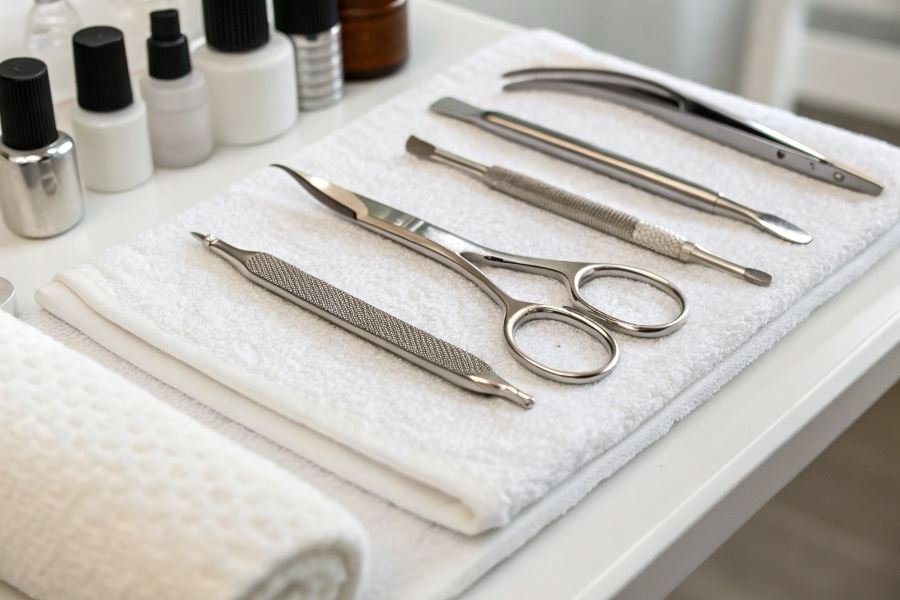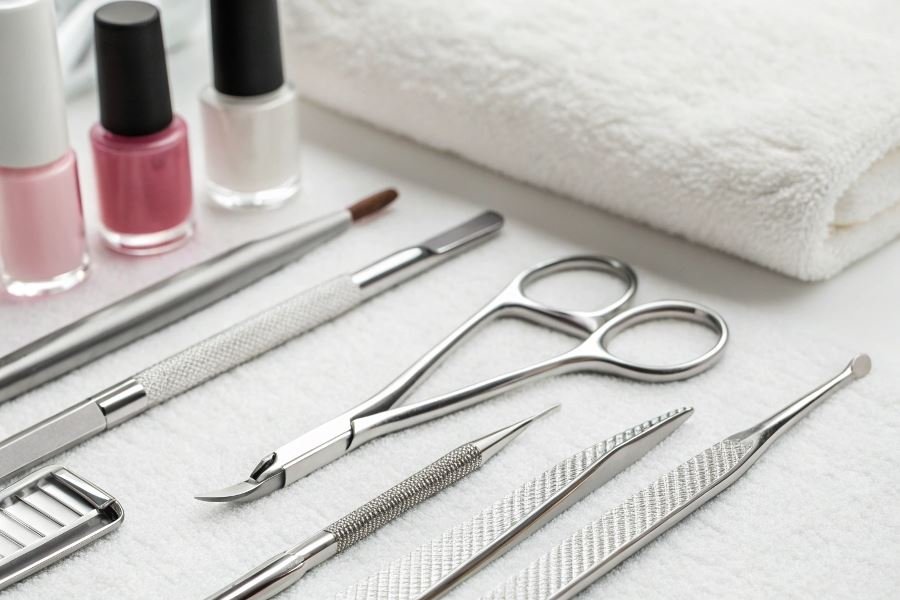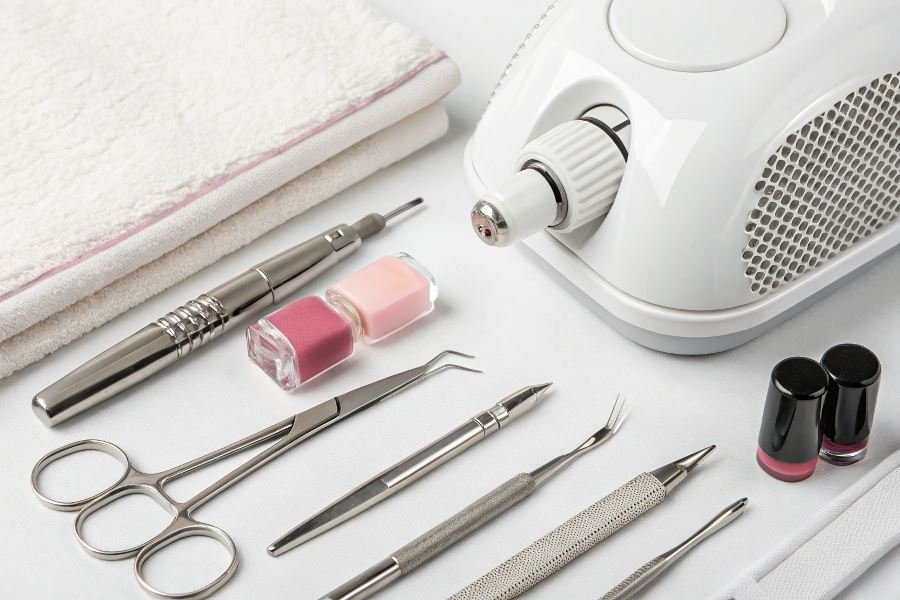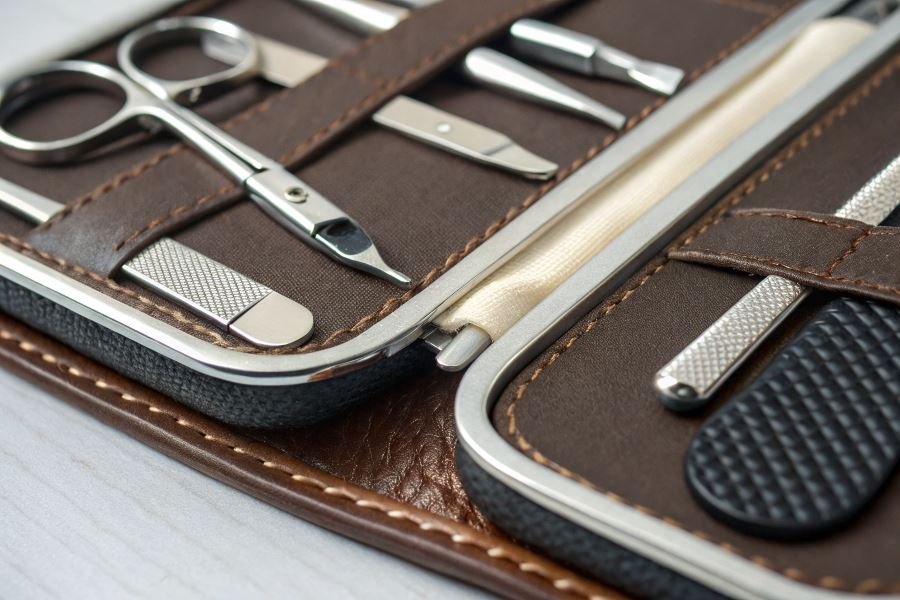
The average American spends 60 minutes weekly on nail care—that’s over 52 hours annually dedicated to maintaining those ten tiny canvases!
The pandemic transformed our relationship with personal care routines, turning necessity into artistry. As salon visits became temporarily impossible, millions discovered the satisfaction of perfecting their manicure skills at home. This shift wasn’t just temporary—it sparked a lasting revolution in how we approach nail care.
Today’s manicure set market spans an impressive spectrum, from $15 drugstore basics to $300+ professional-grade collections that wouldn’t look out of place in a high-end salon. The difference goes far beyond price tags; it extends to materials, durability, precision, and ultimately, results.
The rise of DIY nail artistry
What began as a practical solution has evolved into a full-blown movement. Social media platforms showcase millions of tutorials from everyday enthusiasts creating salon-quality results in their living rooms. This democratization of nail care has fueled unprecedented growth in the at-home manicure market.
Navigating quality across price points
Understanding the true differences between budget and premium options isn’t just about avoiding wasted money—it’s about investing wisely in tools that match your specific needs. A professional nail technician requires different equipment than someone maintaining basic nail health, yet both deserve tools that perform as promised.
The right manicure set isn’t necessarily the most expensive one—it’s the one that delivers consistent results for your specific nail care goals.
The Engineering Behind Your Manicure Tools
When you pick up a manicure tool, you’re holding the result of specific material choices, engineering decisions, and manufacturing processes. The difference between budget and premium manicure sets isn’t just about price tags—it’s about metallurgy, ergonomics, and precision craftsmanship that directly impacts your nail care experience.
Understanding the fundamental distinctions between budget and premium manicure sets: what’s the difference comes down to examining the materials, construction techniques, and longevity expectations. These factors determine whether your tools will serve you for a few months or become lifetime companions in your personal care routine.
Surgical Steel vs. “Stainless”: The Metallurgy Matters
Premium manicure implements typically feature surgical-grade stainless steel (410 or 420 series), offering superior corrosion resistance and edge retention. These higher-grade alloys contain precise amounts of carbon (0.15-0.40%) and chromium (12-14%), creating a metal that maintains sharpness and resists rusting even with frequent exposure to water.
Budget alternatives often use lower-grade “stainless” steel (200 series) with less chromium content and more manganese substitutions, making them more susceptible to corrosion, discoloration, and premature dulling.
| Steel Grade | Chromium Content | Corrosion Resistance | Typical Price Point |
|---|---|---|---|
| 420HC | 12-14% | Excellent | $75-200 per set |
| 410 | 11.5-13.5% | Very Good | $50-120 per set |
| 200 Series | 10-12% | Fair to Poor | $15-40 per set |
Handle Engineering: Beyond Aesthetics
Premium handles aren’t just pretty—they’re purposeful. High-end manicure tools feature handles made from:
- Acetate (derived from cotton cellulose)
- G10 fiberglass composites
- Stabilized hardwoods
- Medical-grade silicone grips
These materials are chosen not merely for appearance but for their ergonomic properties—balanced weight distribution, textured surfaces that prevent slipping, and shapes that reduce hand fatigue during use.
Budget sets typically use molded plastic handles or thin metal with rubber coatings that deteriorate over time. The weight distribution often feels “off,” requiring more pressure and control from the user.
Precision Manufacturing: The Invisible Difference
The most significant distinction lies in manufacturing precision—something you can’t see in product photos but immediately feel during use.
Premium manicure tools undergo:
- Individual hand-finishing by skilled craftspeople
- Multi-stage heat treatment to optimize hardness and flexibility
- Precision grinding to create perfect cutting angles (typically 20-22 degrees)
- Quality control inspection under magnification
This meticulous process creates implements with perfectly aligned blades, smooth action, and consistent performance. The difference becomes apparent when cutting thick nails or working on cuticles—premium tools require less force and create cleaner cuts.
Budget alternatives are mass-produced with minimal hand-finishing, often with misaligned edges and inconsistent grinding angles. While they may look similar at first glance, the performance gap becomes evident within the first few uses.
The investment in premium manicure tools ultimately translates to safer nail care, more precise results, and tools that will serve you faithfully for decades rather than months—making them not just a purchase but a long-term investment in your personal care routine.
The True Cost of Your Manicure Tools
When you hold a manicure set in your hand, you’re not just holding tools—you’re holding an investment in your appearance and self-care routine. The price tag might catch your eye first, but the story goes much deeper than the initial number.
Investment economics of nail care
The $15 budget manicure set versus the $150 premium collection represents more than just a difference in price—it’s a fundamentally different approach to nail care economics. Budget sets typically deliver immediate gratification with a low entry point, but premium tools often tell a different financial story over time.
Premium stainless steel nippers from brands like Tweezerman or ZWILLING J.A. Henckels might cost 8-10 times more than their budget counterparts, but they frequently include sharpening services and warranties extending 5+ years. When you calculate cost-per-use over their lifetime, the premium option often becomes surprisingly economical.
The math doesn’t lie: A $120 professional-grade set used weekly for five years costs about $0.46 per use. A $20 set replaced yearly costs $0.38 per use—but delivers dramatically different results.
Budget sets typically show wear within months, with dulling edges and loosening joints being the most common failure points. This creates a replacement cycle that ultimately costs more while delivering consistently mediocre results.
Performance across price tiers
The performance gap between price points becomes evident in three critical areas:
| Feature | Budget ($10-30) | Mid-range ($30-80) | Premium ($80+) |
|---|---|---|---|
| Material quality | Plated carbon steel | Stainless steel | Surgical-grade steel |
| Edge retention | 3-6 months | 1-2 years | 5+ years with proper care |
| Precision | Variable | Good | Exceptional |
| Ergonomics | Basic | Improved | Anatomically designed |
The difference becomes most apparent in precision tools like cuticle nippers and nail scissors. Budget versions typically use thinner metal that flexes during use, creating imprecise cuts and requiring more pressure—leading to both user fatigue and less professional results.
Mid-range sets often represent the “sweet spot” for many users, offering significantly improved materials without the premium price tag. These sets typically feature full stainless steel construction with properly hardened cutting edges that maintain sharpness through dozens of manicures.
Finding your perfect match
Your ideal manicure set should align with both your skill level and usage patterns:
For occasional users (monthly manicures), a quality mid-range set from brands like Revlon or Seki Edge offers the best balance. These sets provide good performance without overinvesting in tools that won’t see frequent use.
For weekly users, the investment in premium tools becomes increasingly justified. The precision and comfort of higher-end tools from Germanikure or Mehaz translate directly into better results and more enjoyable manicure sessions.
For beginners, focus on a smaller set of quality essentials rather than a comprehensive budget kit. A good nail clipper, file, and cuticle pusher from a mid-tier brand will serve you better than a dozen mediocre tools.
The most overlooked factor in manicure tool selection is ergonomics. Premium sets feature handles designed for extended use without hand fatigue—a crucial consideration for those with arthritis or who perform manicures professionally.
The difference between budget and premium ultimately isn’t just about durability or materials—it’s about the experience and results they deliver every time you use them.
Discover the crucial differences between budget and premium manicure sets, from steel quality to ergonomics. Learn which investment delivers better long-term value for your at-home nail care routine based on your needs and skill level.
Discover the crucial differences between budget and premium manicure sets, from steel quality to ergonomics. Learn which investment delivers better long-term value for your at-home nail care routine based on your needs and skill level.