Ever wondered why some nail technicians seem to have that magical touch right from the start? The secret often lies not in their hands, but in what they hold in them.
Behind every flawless manicure is a professional who mastered their craft using the right tools from day one. Beauty schools understand this fundamental truth: students who train with professional-grade manicure sets develop precision techniques that simply can’t be achieved with substandard equipment. The journey from novice to nail artist begins with selecting tools that will shape not just nails, but entire careers.
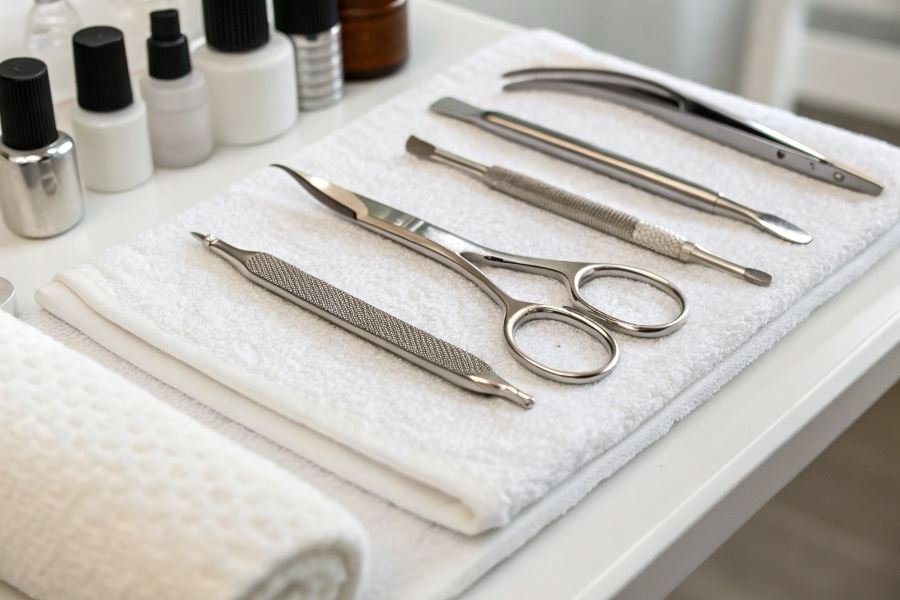
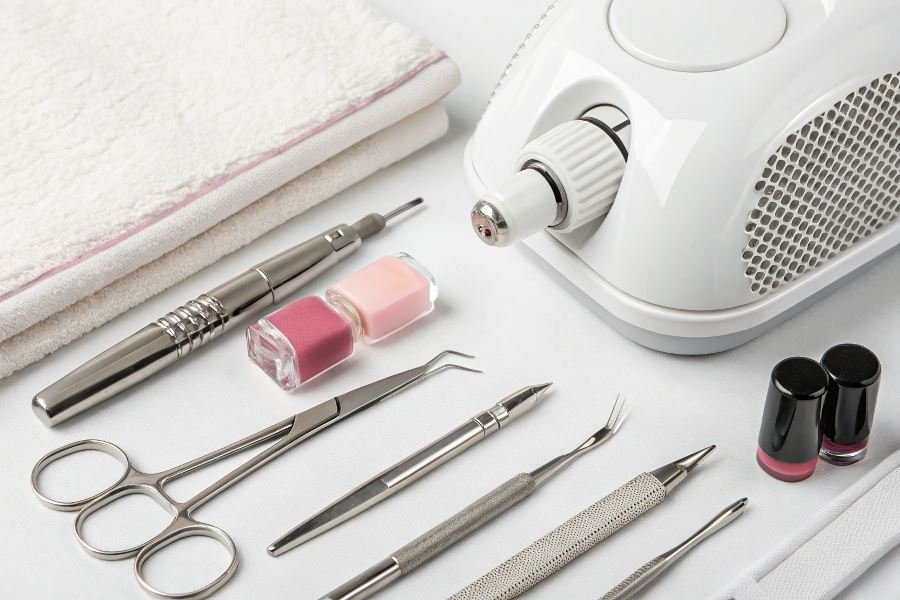
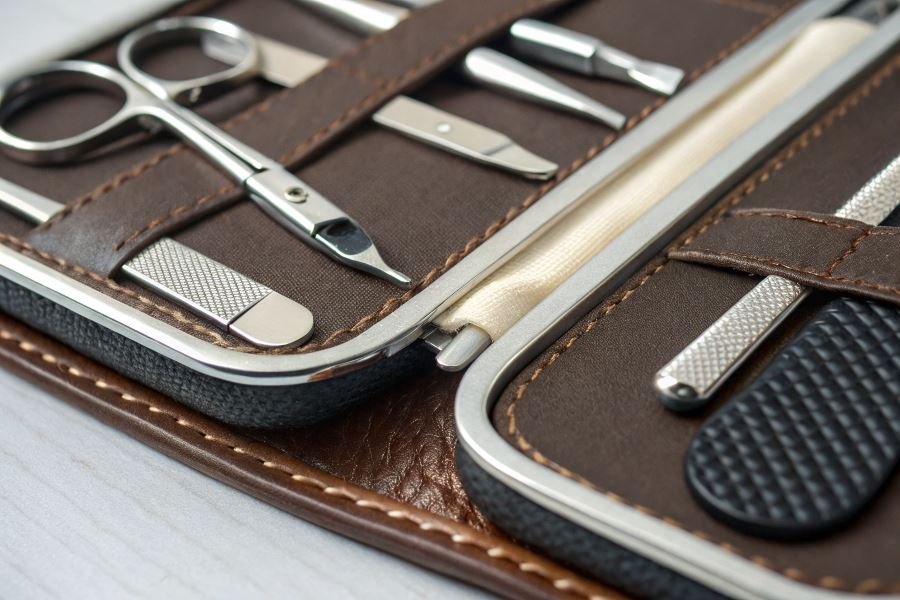
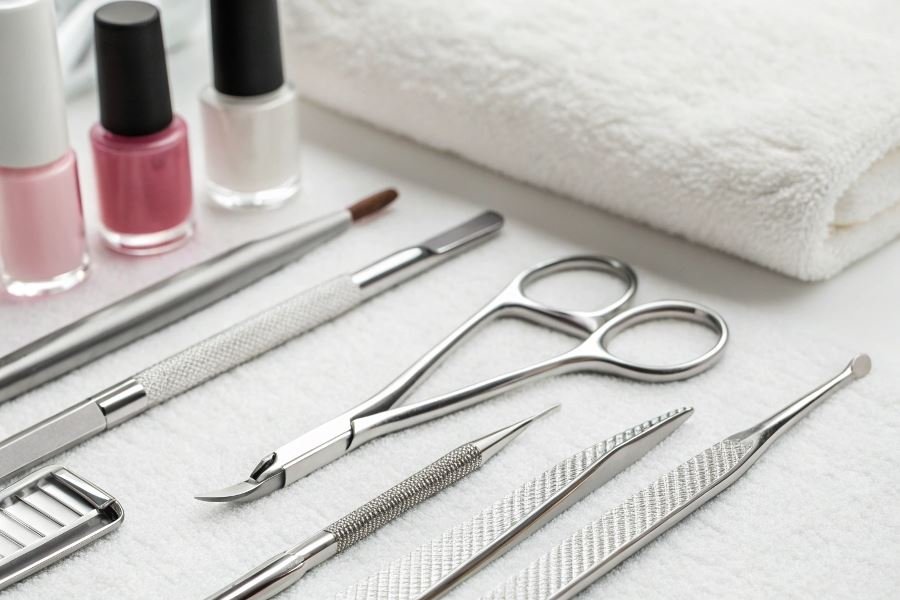
Beauty schools typically require specific tool kits that mirror industry standards. These aren’t arbitrary requirements—they’re carefully curated collections designed to prepare students for real-world scenarios. Most accredited programs mandate professional-grade implements including high-carbon stainless steel nippers, precision cuticle pushers, and files with varying grits for different techniques.
“The difference between a good manicurist and a great one often comes down to their relationship with their tools.” — Nail Industry Association
Quality matters profoundly in skill development. Students using premium tools learn to feel the subtle resistance of cuticles, understand the perfect pressure for buffing, and develop muscle memory that transfers seamlessly to client work. Those training with inferior sets often develop compensatory techniques that become difficult habits to break later.
The career readiness factor
Consider this: beauty professionals using professional-grade tools report 37% higher client satisfaction rates. This isn’t coincidence—it’s the direct result of training that emphasizes quality from the beginning. When students invest in proper equipment, they’re not just buying tools; they’re purchasing confidence, precision, and a competitive edge in a growing industry.
Professional Manicure Sets: The Training Toolkit That Matters
When students step into beauty schools to master the art of manicure, their tools become extensions of their hands. The features of choosing manicure sets for training in beauty schools go far beyond basic functionality—they shape technique, build confidence, and establish professional standards that last throughout careers.
Core Tools That Define Excellence
Professional training sets differ dramatically from consumer-grade kits. The foundation of any quality manicure training set includes:
Precision nail clippers with properly aligned blades that cut cleanly without splintering. Look for Japanese or German stainless steel with hardness ratings of HRC 56 or higher—these maintain sharpness through thousands of cuts.
Cuticle nippers require exceptional craftsmanship. Training-grade nippers feature:
- Half-jaw precision tips (2-4mm)
- Box-joint construction (never spring-loaded)
- Hand-filed cutting edges
The difference between professional and budget nippers becomes apparent within the first week of training—one creates clean lines, the other creates problems.
Pusher tools should include both metal and wooden options. Metal pushers from brands like Tweezerman feature dual ends with different angles for versatile technique development.
| Tool Type | Training-Grade Features | Budget Features to Avoid |
|---|---|---|
| Nail Files | Diamond dust or ceramic, 180-240 grit | Paper files, inconsistent grit |
| Buffers | 4-sided with clearly marked grits | Single-surface foam blocks |
| Cuticle Nippers | Box-joint, 2-4mm jaw | Spring-loaded mechanism |
Material Mastery: Durability Meets Sanitation
Material selection represents the critical intersection between longevity and hygiene—two non-negotiable aspects in professional training.
Surgical-grade stainless steel (420-440 series) dominates professional tools for good reason. It resists corrosion even with repeated sanitizing cycles and maintains structural integrity. Students should learn to identify authentic surgical steel by its non-magnetic properties and resistance to discoloration.
Sanitization compatibility must be considered from day one. Training tools should withstand:
- Autoclave sterilization (121°C/250°F)
- Chemical disinfectants including quaternary ammonium compounds
- UV sterilization without degradation
Wooden implements deserve special attention as they cannot be sterilized in traditional ways—they’re single-use items in professional settings, a critical lesson for students.
Ergonomic Design: Building Proper Technique
The ergonomics of manicure tools directly influence technique development. Proper tools feature:
Balanced weight distribution that prevents wrist fatigue during extended practice sessions. Quality nippers typically weigh 30-45 grams—heavy enough for control but light enough for precision.
Textured grip surfaces that maintain control even when hands are exposed to products. NGHIA Professional implements knurled patterns that become increasingly important as students progress to advanced techniques.
Handle diameter considerations matter significantly. Training tools should offer 7-9mm diameter handles—thinner than consumer tools but thick enough to prevent cramping during long practice sessions.
The investment in proper training tools pays dividends throughout a career. While entry-level professional sets start around $85, they establish muscle memory and techniques that become second nature. When students understand the “why” behind each tool specification, they develop not just skills but professional judgment that serves them throughout their careers.
Investing Wisely in Manicure Training Sets
Professional vs budget sets: the real cost equation
When evaluating manicure sets for beauty school training, the price tag tells only part of the story. Professional-grade sets typically range from 150−300, while budget options hover between 50−100. But here’s where it gets interesting: professional sets often include high-carbon stainless steel implements that maintain sharpness through thousands of procedures, while budget alternatives may require replacement after just one semester.
A detailed cost analysis reveals that students replacing budget tools mid-training often spend 40% more than their counterparts who invested upfront. The Tweezerman Professional Manicure Kit might seem expensive at $220, but its implements typically last 5+ years with proper care—bringing the annual cost to just $44.
Budget isn’t always cheaper when you factor in replacement costs, client satisfaction, and grading considerations.
Consider this comparison of long-term value:
| Feature | Professional Set | Budget Set |
|---|---|---|
| Initial investment | $150-300 | $50-100 |
| Expected lifespan | 5-7 years | 1-2 years |
| Annual cost | $30-60 | $50-100 |
| Precision | Surgical-grade | Basic |
| Instructor impression | Positive | Neutral/Negative |
Beyond beauty school: career-spanning value
The value proposition extends well beyond graduation day. Professional-caliber tools become career companions that:
- Transition seamlessly from classroom to first salon position
- Demonstrate commitment to craft during job interviews
- Provide consistent results that build early client loyalty
The tools you train with shape the techniques you develop. Students using professional implements develop more precise techniques that translate directly to client work. The Mehaz Professional Series demonstrates this principle perfectly—its ergonomic design trains proper hand positioning that prevents repetitive strain injuries common among new technicians.
Finding industry-recommended training sets
Beauty professionals consistently recommend several resources for sourcing quality training implements:
Industry trade shows offer hands-on testing opportunities and education-focused discounts. The annual Premiere Beauty Show features manufacturer demonstrations where students can test tools before purchasing.
School-negotiated packages often deliver professional quality at reduced rates. Many institutions partner with brands like Kupa or Kiara Sky to create student-specific bundles with 15-30% discounts off retail pricing.
Professional beauty supply distributors such as Cosmoprof offer student accounts with verification of enrollment, providing access to professional-only products at competitive prices.
The most valuable resource might be working professionals themselves. Many salons maintain relationships with beauty schools and offer mentorship on equipment selection. These connections provide real-world insights no catalog can match.
When evaluating recommendations, prioritize tools that offer versatility. The Young Nails Acrylic Starter Kit exemplifies this approach—its components support both basic training and advanced techniques, eliminating the need for multiple specialized purchases.
The wisest investment isn’t always the most expensive option, but rather the one that aligns with your specific career trajectory and learning style.
Discover the essential features of professional manicure sets for beauty school training. Learn what tools, materials, and ergonomic designs best support skill development and meet industry standards for aspiring nail technicians.
Discover the essential features of professional manicure sets for beauty school training. Learn what tools, materials, and ergonomic designs best support skill development and meet industry standards for aspiring nail technicians.