Ever wondered why some nail technicians have cuticle knives that look brand new after years of use, while others replace theirs every few months? The difference isn’t luck—it’s meticulous maintenance.
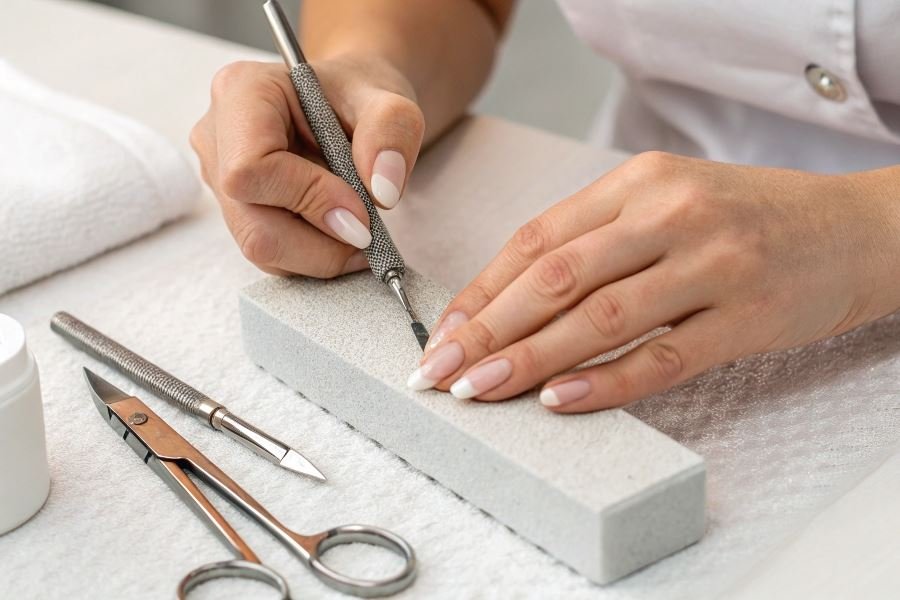
Professional cuticle knives represent a significant investment in your manicure toolkit. These precision instruments—crafted from surgical-grade stainless steel, titanium alloys, or carbon steel—demand proper care to maintain their edge and functionality. The finest examples from German and Japanese manufacturers can last decades when maintained correctly, transforming a $30-60 purchase into a lifetime tool.
The consequences of neglect extend beyond just dull blades. Improperly maintained cuticle knives can harbor bacteria, cause jagged cuts, and ultimately lead to infections or damaged nail beds. Conversely, well-maintained tools glide effortlessly around cuticles, creating clean, precise lines with minimal pressure.
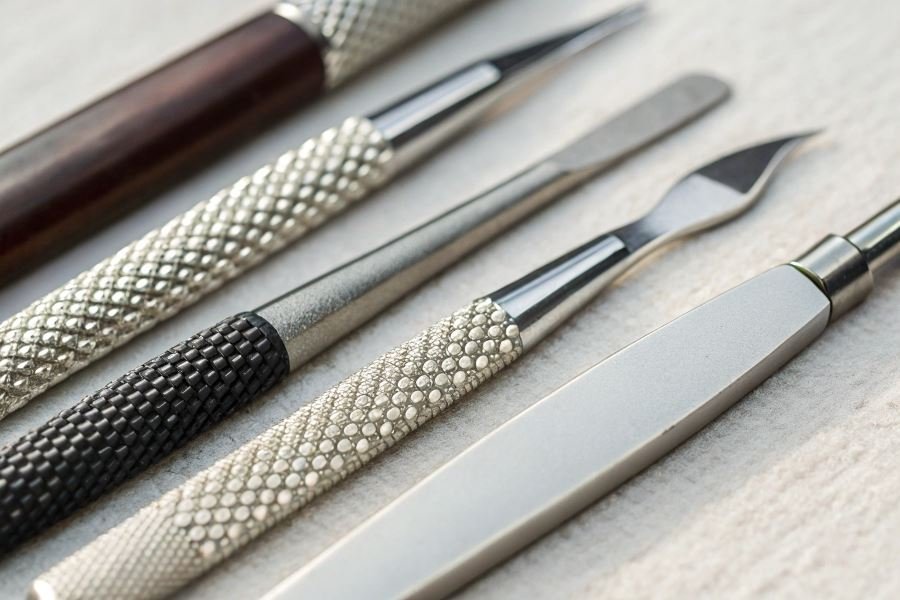
Most professional-grade cuticle knives feature either stainless steel or carbon steel blades. While stainless offers corrosion resistance, carbon steel provides exceptional sharpness but requires more vigilant care. The handles typically feature materials ranging from traditional wood to modern composites designed for grip and sterilization compatibility.
“The quality of your manicure is directly proportional to the condition of your tools.” – Industry wisdom that stands the test of time
Regular maintenance doesn’t just extend your knife’s lifespan—it transforms your manicure experience. A properly maintained blade requires less pressure, reducing hand fatigue during long sessions and minimizing client discomfort. The precision of a well-maintained edge also allows for more intricate work, especially important for nail art and competition-level manicures.
Mastering Cuticle Knife Maintenance for Professional Results
Professional-grade cuticle knives represent a significant investment in your personal care arsenal. These precision instruments demand proper maintenance to ensure they deliver consistent performance and remain hygienic session after session. The difference between a cuticle knife that lasts for years versus months comes down to implementing a few essential care routines.
Proper care and maintenance of cuticle knives: extending their lifespan isn’t just about protecting your investment—it’s about ensuring these tools perform at their peak every time you reach for them. A well-maintained cuticle knife provides cleaner cuts, reduces the risk of infection, and delivers more comfortable treatments. Let’s explore the maintenance protocols that separate professionals from amateurs.
Thorough Cleaning After Each Use
The moment you complete a manicure session, cleaning your cuticle knife should become second nature. Residual skin cells, oils, and product buildup can compromise both the blade’s edge and hygiene standards.
Immediate action prevents permanent damage. Within minutes of completing your work:
- Rinse the blade under warm (not hot) running water
- Apply a small amount of antibacterial soap to remove organic residue
- Use a soft-bristled brush (like an old toothbrush) to gently scrub around joints and crevices
- Rinse thoroughly until all soap is removed
- Dry immediately with a lint-free cloth to prevent water spots and corrosion
Never soak stainless steel cuticle knives for extended periods as this can compromise the handle materials and potentially loosen any joints.
Professional-Grade Sterilization Methods
Cleaning removes visible debris, but proper sterilization eliminates microscopic threats that can lead to infections or cross-contamination.
Sterilization Options Comparison
| Method | Effectiveness | Equipment Needed | Time Required | Best For |
|---|---|---|---|---|
| UV Sterilizer | High | UV Sterilizer Cabinet | 10-15 minutes | Daily use |
| Autoclave | Maximum | Professional autoclave | 20-30 minutes | Salon settings |
| Chemical Disinfectant | Moderate-High | Barbicide or similar solution | 10-20 minutes | Home use |
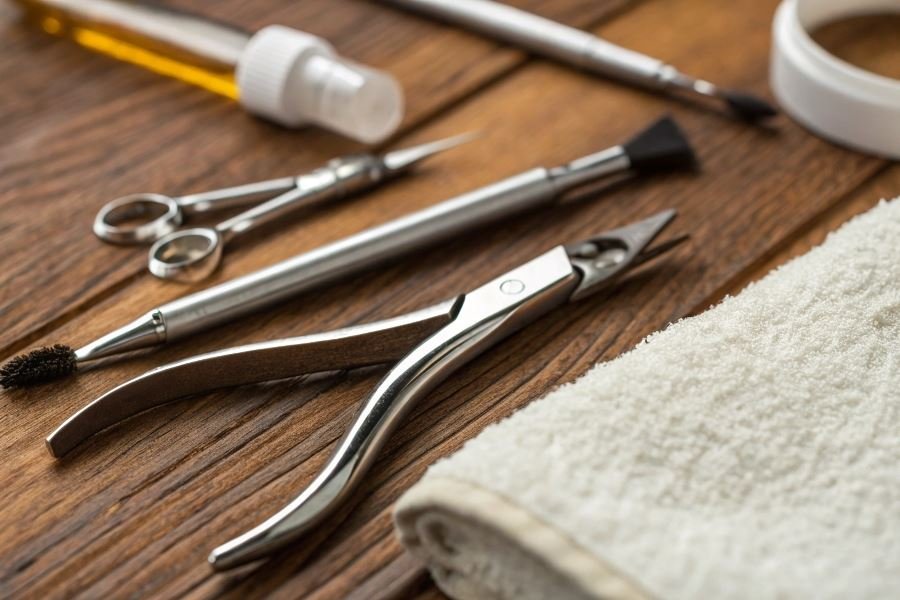
For home maintenance, a 70% isopropyl alcohol solution provides effective disinfection. Apply with a spray bottle or soak for 5-10 minutes, then air dry or wipe with a clean cloth. Never use bleach on metal cuticle knives as it causes corrosion and degrades the cutting edge.
Strategic Storage Solutions
How you store your cuticle knife between uses dramatically impacts its longevity and performance. Improper storage accounts for nearly 40% of premature blade dulling and damage.
Optimal storage conditions include:
- Store completely dry to prevent rust formation
- Use dedicated blade guards or protective cases
- Keep in a climate-controlled environment away from humidity
- Position blades so they don’t contact other metal tools
- Store upright when possible to prevent pressure on the cutting edge
Professional tip: Silica gel packets placed in your storage container absorb excess moisture and extend the life of your precision tools.
For traveling professionals, invest in a dedicated Leather Tool Roll with individual pockets that prevent tools from contacting each other. This prevents micro-abrasions that gradually dull blades over time.
By implementing these professional-grade maintenance protocols, your cuticle knives will maintain their precision edge and hygienic properties for years rather than months, delivering consistent results that both you and your clients will appreciate.
Advanced Maintenance Strategies for Professional Results
Professional manicurists know that a cuticle knife isn’t just a tool—it’s an investment. With proper care, these precision instruments can deliver exceptional results for years. Let’s dive into the advanced maintenance techniques that separate the professionals from the amateurs.
Mastering the Art of Sharpening
Sharpening a cuticle knife isn’t merely about maintaining an edge—it’s about preserving the tool’s integrity while ensuring optimal performance. Professional technicians recommend sharpening your cuticle knife every 3-4 months with regular use, though this varies based on frequency and technique.
The professional approach to sharpening:
- Use a fine-grit whetstone (1000-3000 grit) for precision sharpening
- Maintain a consistent 15-20 degree angle during the sharpening process
- Apply minimal pressure and use smooth, controlled strokes
- Finish with a leather strop to remove any microscopic burrs
Never use electric sharpeners designed for kitchen knives—they remove too much material and can permanently damage the delicate blade profile.
Combating the Elements of Deterioration
Cuticle knives face three primary enemies: moisture, improper storage, and neglect. Addressing these issues proactively can triple the lifespan of your tool.
Rust Prevention Strategies
Stainless steel isn’t truly stainless—it’s “stain less.” Even high-quality Solingen steel instruments require protection:
- Thoroughly dry your knife after cleaning with a microfiber cloth
- Apply a thin layer of mineral oil or specialized tool oil monthly
- Store in a climate-controlled environment with silica gel packets
- Consider using anti-corrosion strips in your storage case
Handle Care Techniques
The handle deserves as much attention as the blade:
| Handle Material | Recommended Care | Avoid |
|---|---|---|
| Wood | Natural beeswax polish quarterly | Water immersion, alcohol-based cleaners |
| Metal | Mild soap, thorough drying | Abrasive cleaners, bleach products |
| Plastic/Resin | Disinfectant wipes, UV sterilization | Acetone, extreme heat |
Pro tip: Apply a small amount of leather conditioner to wooden handles twice yearly to prevent cracking and maintain grip quality.
Blade Protection Beyond Basics
Between uses, your blade requires proper protection:
- Use designated blade guards or sheaths rather than drawer storage
- Avoid contact with other metal implements
- Clean with 70% isopropyl alcohol and dry immediately
- Consider specialized anti-corrosion papers for long-term storage
The Replace vs. Maintain Decision Matrix
Even with impeccable care, every tool has a lifespan. Here’s how to know when it’s time to replace rather than maintain:
-
Replace when: The blade shows pitting that doesn’t respond to polishing, the edge chips repeatedly in the same area, or the handle develops structural cracks.
-
Continue maintaining when: The blade dulls but responds well to sharpening, minor surface rust appears but can be removed, or the handle shows cosmetic wear without structural compromise.
The economics are clear: A quality cuticle knife properly maintained can cost $0.25-0.50 per month of use, while replacement cycles can increase this cost by 300-400%.
By implementing these advanced maintenance strategies, you’re not just preserving a tool—you’re ensuring consistent, professional-quality results that your clients will notice and appreciate.
Discover professional techniques for extending your cuticle knife's lifespan through proper cleaning, sterilization, storage, and sharpening. Learn when to maintain versus replace for optimal performance and safety in your manicure routine.
Discover professional techniques for extending your cuticle knife's lifespan through proper cleaning, sterilization, storage, and sharpening. Learn when to maintain versus replace for optimal performance and safety in your manicure routine.