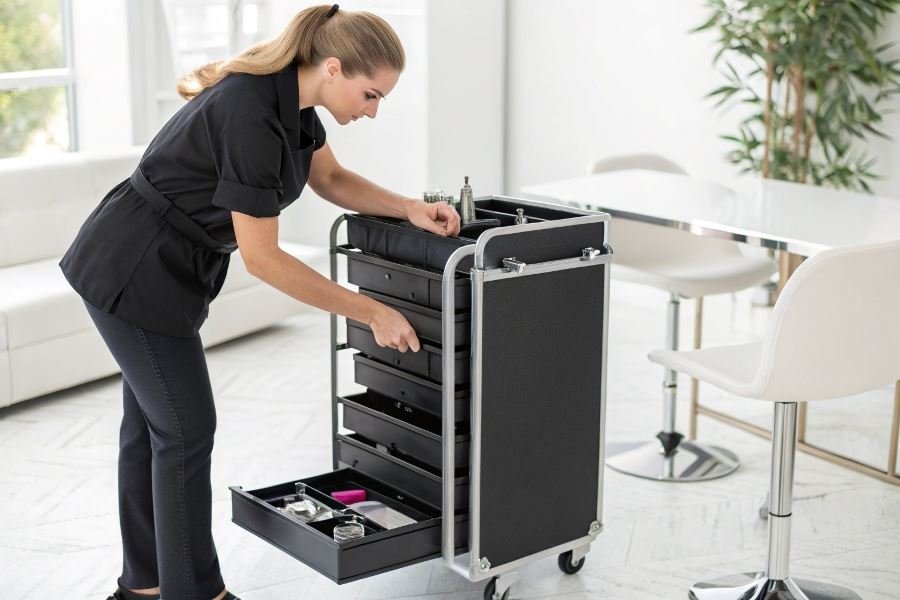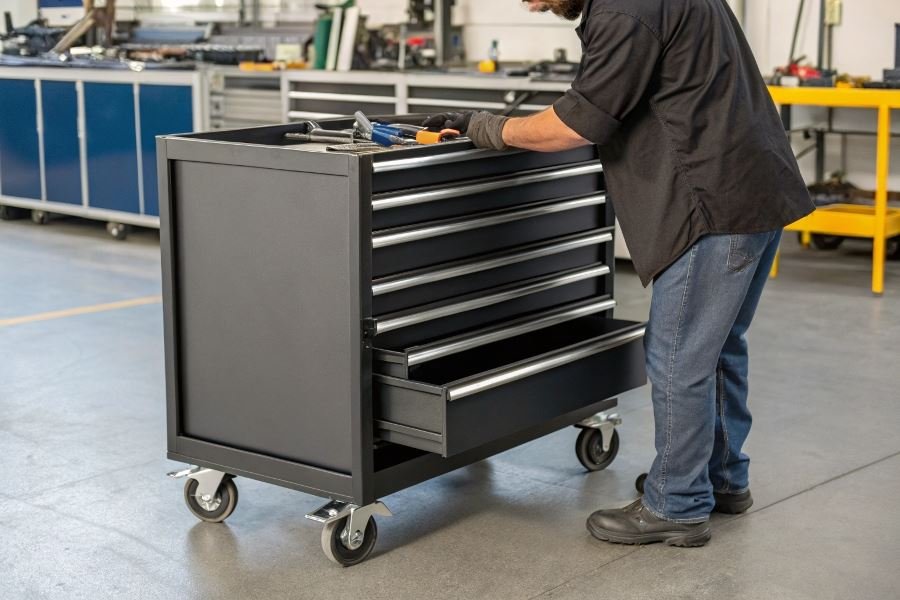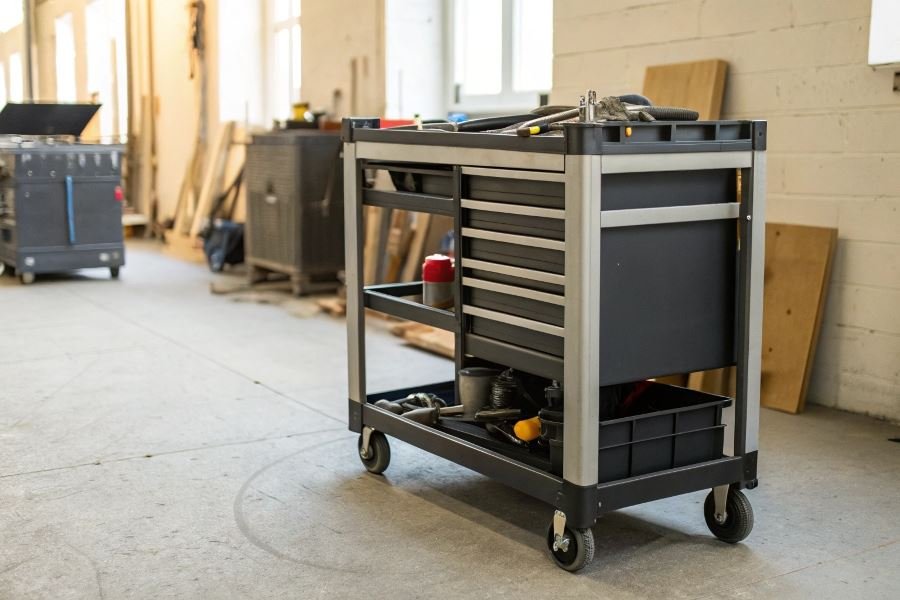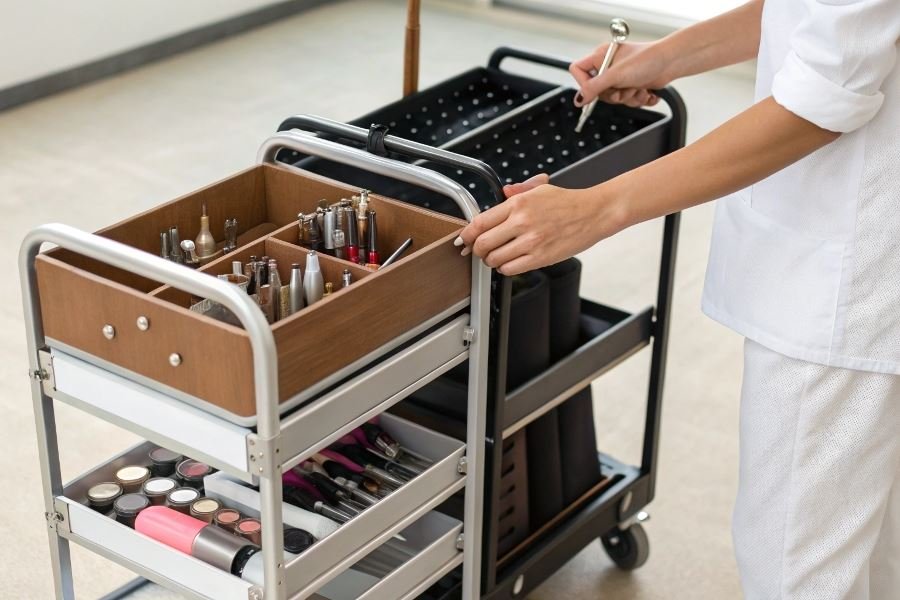
Ever watched a manicurist struggle with a wobbly cart that’s literally falling apart mid-service? Nothing kills client confidence faster. The material of your manicure cart isn’t just about aesthetics—it’s the backbone of your daily operations.
For nail professionals, the right cart material represents the difference between replacing equipment every year or investing once in a decade. When selecting materials for your manicure station, you’re essentially choosing between constant maintenance headaches or smooth sailing through thousands of client appointments.
Durability meets practicality in this critical business decision. The most successful nail technicians understand that material selection impacts everything from mobility to chemical resistance. Consider this: a cart that can’t withstand acetone spills becomes a liability after just a few months of regular use.
Three key factors should guide your material selection:
- Chemical resistance – Can it withstand daily exposure to acetone, polish removers, and disinfectants?
- Weight-to-strength ratio – Will it support your equipment without becoming immovable?
- Maintenance requirements – How much time will you spend cleaning and repairing?
Material landscape for professionals
The professional manicure industry primarily relies on four material categories:
- Metal options (stainless steel, aluminum) offer exceptional durability but vary significantly in weight
- Wood varieties (solid wood, MDF, plywood) provide warmth and customization but require careful sealing
- High-grade plastics deliver lightweight mobility with moderate durability
- Composite materials balance multiple properties for specialized needs
Each material presents distinct advantages for different work environments, from high-volume salons to mobile services. The right choice aligns with your specific workflow demands and long-term business vision.
Top 3 Materials for Manicure Carts: The Ultimate Durability Showdown
When selecting a manicure cart for your salon or mobile business, the material choice fundamentally determines its longevity, functionality, and overall value. Materials for manicure carts: what is more practical and durable isn’t just an academic question—it’s a decision that impacts your daily workflow, client impressions, and long-term investment. Let’s dive into the three premier materials dominating the market today, with all their strengths and limitations laid bare.
Stainless Steel and Aluminum: The Metal Marvels
Metal carts represent the gold standard for professionals who prioritize durability above all else. These workhorses of the salon world offer distinct advantages:
Stainless steel carts deliver unmatched durability with resistance to:
- Corrosion from chemical exposure
- Scratches and dents from daily use
- Staining from polish spills
The 304-grade stainless steel options from brands like Saloniture can withstand decades of heavy use, though they typically weigh 15-25 pounds and command premium prices starting at $150.
Aluminum alternatives provide a compelling middle ground, offering:
- 30-40% weight reduction compared to steel
- Excellent resistance to humidity
- Modern aesthetic appeal
These lightweight contenders maintain impressive durability while improving mobility—critical for professionals who travel between locations or navigate tight salon spaces.
Wood and Engineered Wood: Warmth Meets Function
For salons cultivating a premium, spa-like atmosphere, wooden carts deliver unmatched aesthetic warmth while still offering practical benefits:
Solid hardwood options (typically oak, maple, or walnut) provide:
- Natural beauty that improves with age
- Substantial weight that signals quality
- Excellent stability during detailed work
However, these require regular maintenance with wood-safe cleaners and occasional refinishing to maintain their appearance.
Engineered wood alternatives like those from Kayline offer practical advantages:
- Enhanced moisture resistance
- Reduced weight (typically 20-30% lighter than solid wood)
- Lower price points starting around $200
| Wood Type | Weight (avg) | Chemical Resistance | Price Range |
|---|---|---|---|
| Solid Oak | 30-40 lbs | Moderate | $300-600 |
| MDF/Veneer | 20-25 lbs | Good with sealing | $180-350 |
| Bamboo | 25-30 lbs | Very good | $250-450 |
High-Density Plastic and Composites: Lightweight Champions
Don’t let outdated perceptions fool you—today’s high-performance plastics and composites deliver remarkable durability in surprisingly lightweight packages:
High-density polyethylene (HDPE) carts feature:
- Chemical resistance superior to most woods
- Weights as low as 12-15 pounds
- Easy cleaning with virtually any solution
These practical options from manufacturers like Dina Meri start around $120 and resist warping even in humid environments.
Advanced composites represent the cutting edge, combining:
- Carbon fiber or fiberglass reinforcement
- Ultra-lightweight construction (some under 10 pounds)
- Exceptional strength-to-weight ratios
While premium composite options command higher prices ($300+), their virtually indestructible nature and effortless mobility make them increasingly popular among mobile technicians and high-volume salons.
The ideal material ultimately depends on your specific workflow, aesthetic preferences, and budget constraints—but understanding these core options ensures you’ll select a cart that serves your business for years to come.
Material Mastery for Manicure Carts
Maintenance Requirements That Make or Break
When investing in a manicure cart, the material choice dramatically impacts your daily maintenance routine. Stainless steel carts require minimal upkeep—simply wipe with disinfectant and you’re done. Their non-porous surface prevents bacterial growth, making them ideal for high-traffic salons. Most premium stainless steel carts from manufacturers like Keller International maintain their pristine appearance for 8-10 years with proper care.
Laminate and MDF options demand more vigilance. These materials are susceptible to water damage, requiring immediate attention to spills. The average laminate cart begins showing wear at edge points after approximately 3-4 years, particularly in humid environments.
Acrylic components offer exceptional chemical resistance but scratch easily. Technicians using acrylic carts report spending an additional 5-7 minutes on end-of-day cleaning compared to metal alternatives.
The true cost of a manicure cart isn’t just the purchase price—it’s the cumulative maintenance hours over its lifetime.
Premium vs Budget Materials by the Numbers
The material cost equation extends far beyond the initial price tag:
| Material | Average Cost | Lifespan | Yearly Cost of Ownership |
|---|---|---|---|
| Aircraft-grade aluminum | $650-950 | 10+ years | $65-95 |
| Stainless steel | $450-750 | 8-10 years | $56-94 |
| Hardwood | $350-600 | 6-8 years | $58-100 |
| Laminate/MDF | $180-350 | 3-5 years | $60-117 |
| Plastic composite | $120-250 | 2-4 years | $60-125 |
While premium materials command higher upfront costs, their extended lifespan often results in lower annual expenses. Aircraft-grade aluminum carts from Kayline might cost three times more than budget alternatives, but their decade-plus lifespan makes them financially prudent for established businesses.
Budget materials often hide unexpected costs: replacement parts, increased cleaning supplies, and potential downtime when structural failures occur. One salon owner documented saving $1,200 over five years by initially investing in a higher-quality cart.
Environment-Specific Material Recommendations
Your salon’s specific environment should dictate your material choice:
For high-volume salons with multiple technicians, stainless steel and aluminum reign supreme. These materials withstand constant use, frequent cleaning, and occasional impacts without deteriorating. Continuum Pedicure offers models specifically engineered for 12+ hour operational days.
Boutique and specialty salons often benefit from hardwood carts that complement upscale aesthetics while providing adequate durability. These materials create a warm, inviting atmosphere that resonates with clients seeking premium experiences.
Mobile technicians require lightweight yet durable solutions. Carbon fiber composite carts offer the ideal balance, weighing 40-60% less than comparable metal options while maintaining structural integrity during transport.
Salons in humid environments should avoid MDF and particleboard entirely. The moisture absorption rates of these materials accelerate deterioration, with some budget carts showing visible swelling after just six months in coastal locations.
The most practical approach combines materials strategically—metal frames for structural integrity, quality laminates for work surfaces, and specialized materials for specific functional areas. This hybrid approach delivers optimal performance across all critical factors.
Discover the top 3 materials for professional manicure carts that offer superior durability and practicality. Compare metal, wood, and plastic options to find the perfect balance of longevity, maintenance, and value for your nail salon setup.
Discover the top 3 materials for professional manicure carts that offer superior durability and practicality. Compare metal, wood, and plastic options to find the perfect balance of longevity, maintenance, and value for your nail salon setup.