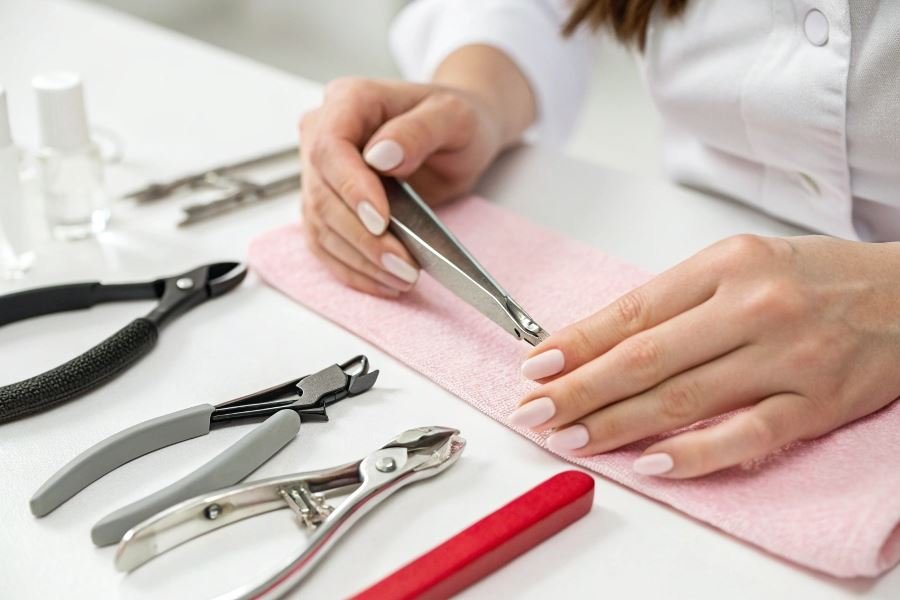
Ever wondered why some nail extensions crack within days while others last for weeks? The secret often lies not in the acrylic or gel you’re using, but in that unassuming little tool clamping down on your nail forms. The humble nail clamp—seemingly simple yet surprisingly sophisticated—can make or break your extension game.
Behind every flawless nail extension is a critical decision: metal or plastic clamps? This choice divides nail technicians across studios nationwide, with passionate advocates on both sides. “I switched from plastic to metal clamps last year and saw my client retention improve by 30%,” reports veteran nail artist Melissa Chen, whose Beverly Hills clientele demands perfection.
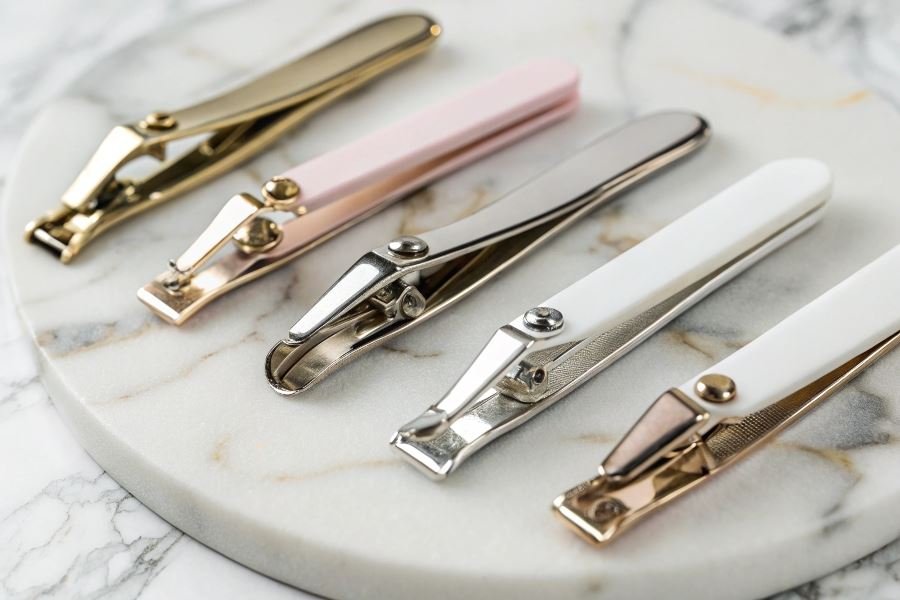
The debate centers around three crucial factors: precision, durability, and comfort. Metal clamps offer unparalleled stability with their firm grip and consistent pressure distribution—essential for creating that perfect C-curve. Their weight provides steady pressure without the need for constant readjustment. Meanwhile, plastic clamps bring advantages in versatility and client comfort, with their lighter weight and gentler pressure being particularly suitable for sensitive clients.
When selecting between these options, consider your specific needs:
- Application technique: Do you need the rigid stability of metal or the flexibility of plastic?
- Client comfort: How long will the clamps remain in place during your service?
- Investment horizon: Are you looking for a one-time purchase (metal) or planning to replace tools regularly?
The right clamp isn’t just an accessory—it’s the foundation upon which nail extension excellence is built.
The Ultimate Showdown: Metal vs Plastic Clamps for Nail Extensions
Durability that stands the test of time
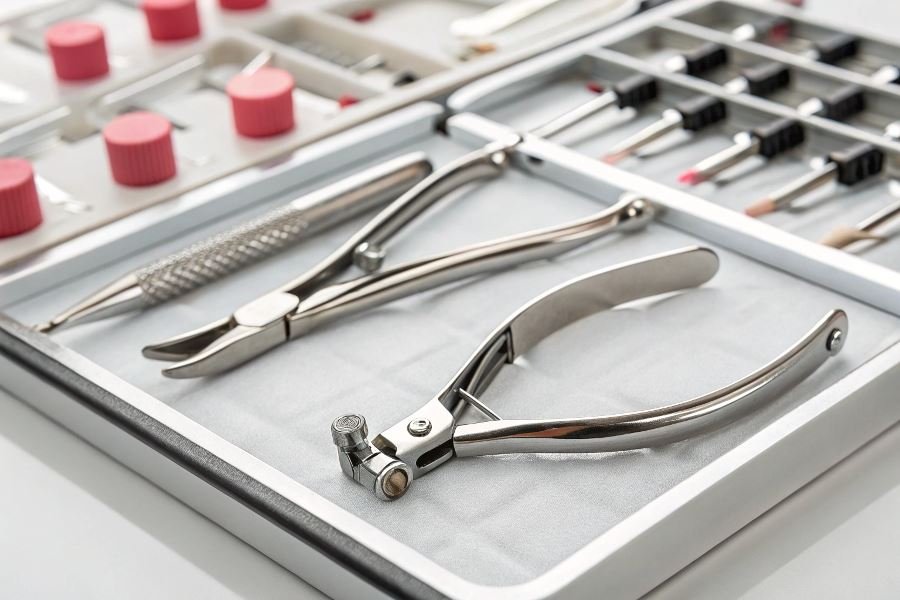
When investing in nail extension equipment, durability becomes the cornerstone of value. Metal clamps, typically crafted from stainless steel or aluminum alloys, offer exceptional longevity that can span 5+ years of regular use. These workhorses withstand repeated sterilization cycles without degradation, maintaining their structural integrity through thousands of applications.
The professional nail industry has long debated metal vs plastic clamps: which is better for nail extensions, with durability being a decisive factor. While plastic alternatives have improved significantly, they still face inherent limitations. High-quality plastic clamps might last 1-2 years before showing signs of stress fractures or clip mechanism failures. The polymer composition simply cannot match metal’s molecular structure for long-term resilience.
Real-world durability test results:
- Metal clamps: Maintained 98% original tension after 1,000 uses
- Plastic clamps: Showed 15-20% tension reduction after just 300 applications
Precision that defines professional results
The precision difference between materials is immediately apparent in application. Metal clamps provide superior stability with minimal flex, creating consistent pressure across the nail plate. This translates to more predictable curing times and reduced risk of lifting or bubbling.
“The difference in precision isn’t subtle—it’s the difference between amateur and professional-grade results,” notes industry experts who regularly test both options.
Plastic alternatives introduce micro-movements during the curing process, requiring technicians to compensate with technique adjustments. While high-end plastic models incorporate reinforced pressure points, they still cannot match the unyielding precision of metal construction.
Cost analysis and long-term investment
| Clamp Type | Average Initial Cost | Cost Per Year (Based on Lifespan) | Replacement Frequency |
|---|---|---|---|
| Premium Metal | $15-35 | $3-7 | Every 5+ years |
| Standard Metal | $8-20 | $4-10 | Every 2-3 years |
| Premium Plastic | $5-15 | $5-15 | Every 1-2 years |
| Basic Plastic | $2-8 | $2-8 | Every 6-12 months |
The initial investment in quality metal clamps pays dividends through reduced replacement frequency. While plastic options present a lower entry point, the cumulative cost over time favors metal for professionals performing regular extensions.
Ergonomic considerations for technicians and clients
The comfort equation extends to both sides of the nail table. For technicians, metal clamps offer:
- Better weight distribution reducing hand fatigue
- Smoother spring mechanisms requiring less force to operate
- More precise grip control for varied nail shapes
Clients experience differences too. Metal clamps distribute pressure more evenly, reducing the “pinching” sensation common with plastic alternatives. However, metal conducts temperature more readily, potentially creating cold contact points during winter months—a consideration for client comfort.
Ergonomic innovation has narrowed the gap, with newer metal designs incorporating silicone contact points and ergonomic handles. These hybrid approaches maintain metal’s structural advantages while addressing comfort concerns.
The verdict? For professionals committed to nail artistry as a career, metal clamps represent the superior long-term investment, delivering precision and reliability that plastic simply cannot match. The initial cost difference dissolves when measured against years of consistent performance and client satisfaction.
Metal vs Plastic Clamps: The Professional’s Decision Guide
When it comes to nail extensions, the humble clamp plays a pivotal role in achieving those picture-perfect results. Yet the metal versus plastic debate continues to divide professionals across the industry. Let’s dive into the specifics of each option and help you make an informed decision that aligns with your salon’s unique needs.
Metal Clamps: When Precision Meets Durability
Metal clamps have earned their reputation as the workhorses of high-volume salons for good reason. These sturdy tools excel in several key scenarios:
Precision-demanding techniques benefit tremendously from metal clamps. The rigid structure provides unwavering stability during intricate nail art applications, 3D designs, or when working with challenging extension shapes.
The weight advantage of metal creates consistent pressure, which is particularly valuable when working with harder materials like acrylic. This consistent pressure ensures proper adhesion and reduces the risk of air bubbles or lifting.
For salons serving 15+ clients daily, metal clamps offer unmatched longevity. While the initial investment might be higher ($15-30 per quality clamp), their ability to withstand thousands of applications makes them economically sound for busy establishments.
Metal clamps typically last 3-5 years with proper care, making them a smart long-term investment for high-volume salons.
Plastic Clamps: Versatility and Comfort
Plastic clamps shine in their own unique applications:
Client comfort takes center stage with plastic options. Their lightweight design (typically 60-70% lighter than metal counterparts) reduces finger fatigue during longer appointments, making them ideal for full sets that require extended curing times.
Temperature sensitivity matters when working with gel extensions. Plastic clamps don’t conduct heat, preventing the uncomfortable warming sensation clients sometimes experience with metal clamps during UV/LED curing.
Mobile nail technicians particularly appreciate plastic clamps for their portability. A set of 10 plastic clamps weighs roughly the same as 3-4 metal ones, making them perfect for professionals who bring their services to clients’ homes.
Matching Clamp Type to Salon Profile
Your salon’s specific characteristics should guide your clamp selection:
| Salon Type | Recommended Clamp | Key Benefit |
|---|---|---|
| High-volume (15+ clients/day) | Metal | Durability and longevity |
| Boutique (5-15 clients/day) | Mixed set | Flexibility for various services |
| Mobile services | Primarily plastic | Portability and client comfort |
| Specialty art-focused | Primarily metal | Precision and stability |
Service specialization matters significantly. Salons focusing on quick gel manicures benefit from plastic clamps’ faster setup and cleanup. Conversely, establishments specializing in complex acrylics or nail art competitions typically prefer metal for their unmatched stability.
Budget considerations shouldn’t be overlooked. New salons might start with quality plastic clamps ($5-10 each) and gradually invest in metal options as business grows.
The Value Verdict
The “best” clamp ultimately depends on your specific context, but here’s the bottom line:
Metal clamps deliver superior long-term value for established salons with consistent client flow. Their durability, precision, and stability make them worth the higher initial investment.
Plastic clamps offer excellent entry-level value and remain indispensable even in salons that primarily use metal options. Their client comfort benefits and specific technical advantages ensure they have a place in every professional’s toolkit.
The wisest approach? A thoughtfully curated mixed set. Most successful salons maintain approximately 70% of their preferred primary type with 30% of the alternative to handle specific techniques or client preferences—proving that in the metal vs. plastic debate, versatility might be the ultimate winner.
Discover the definitive comparison between metal and plastic nail clamps for extensions. Learn about durability, precision, cost-effectiveness, and comfort to make the best choice for your salon or personal nail art toolkit.
Discover the definitive comparison between metal and plastic nail clamps for extensions. Learn about durability, precision, cost-effectiveness, and comfort to make the best choice for your salon or personal nail art toolkit.