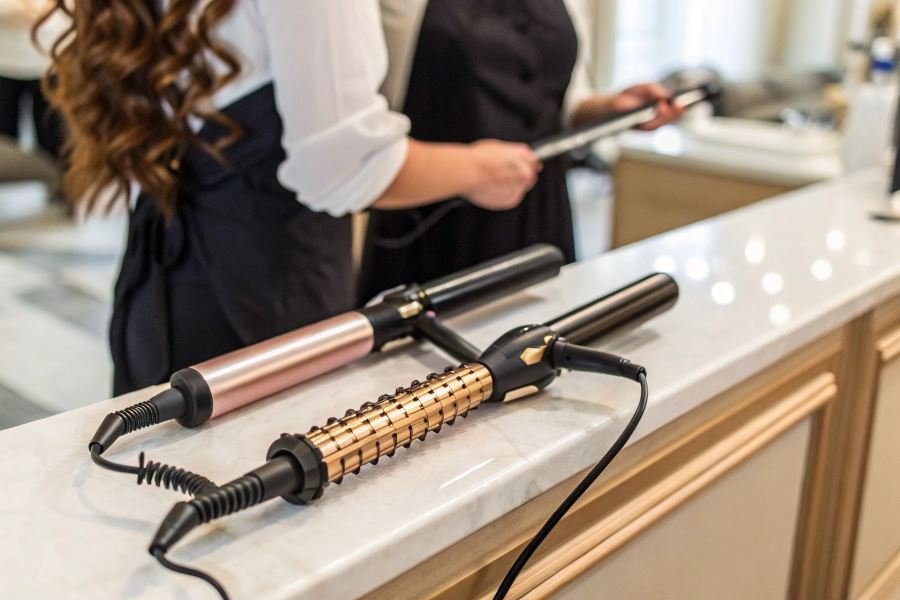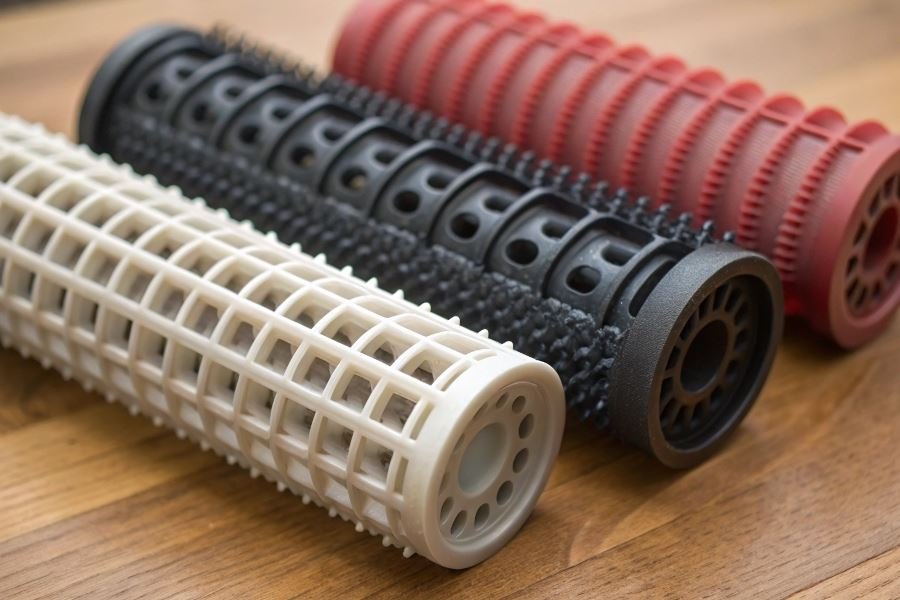
Ever wondered why your perfect curl falls flat by lunchtime? The secret might be hiding in plain sight—the material of your curling tool. What touches your hair matters more than most styling enthusiasts realize.
The humble hair curler has undergone a remarkable transformation since its inception. From the dangerous metal rods heated directly over flames in the early 1900s to today’s ceramic-tourmaline hybrids with precise temperature control, the evolution of curler materials has revolutionized how we approach hair styling. This progression hasn’t just made styling safer—it’s opened up possibilities for healthier, more customized results.
Material selection is far from a superficial choice. Different hair types respond dramatically differently to various curler compositions. Fine, damaged hair requires gentle materials that distribute heat evenly, while coarse, resistant hair benefits from materials that can maintain consistent high temperatures. The right material match can mean the difference between bouncy, lasting curls and heat damage with disappointing results.
The science behind curler materials goes deeper than most realize. Ceramic distributes heat evenly to prevent hot spots, while tourmaline emits negative ions that seal the hair cuticle for smoother results. Metal heats quickly but often unevenly, and velvet flocking improves grip without excessive tension. Even the core construction affects how heat travels through the tool and into your strands.
“The material touching your hair during heat styling is as important as the ingredients in your shampoo—both directly impact hair health.” — Professional stylists agree
Understanding these material properties transforms your styling routine from guesswork into precision, ensuring both beautiful results and long-term hair health.
The Science Behind Curler Materials: What Your Hair Really Needs
When selecting styling tools, the material composition of curlers dramatically shapes both the health of your hair and your styling outcomes. Professional stylists have long recognized that different materials interact uniquely with hair structures, creating distinct results that can either preserve or compromise hair integrity.
The relationship between curler materials and hair health represents one of the most overlooked aspects of styling technology. Materials of curlers influence on hair health and styling results through their heat conductivity, ion production, and surface texture—factors that determine whether you’ll achieve glossy, long-lasting curls or dull, damaged strands. Understanding these material properties empowers you to make informed choices that align with your hair type and styling goals.
Ceramic Curlers: The Gentle Guardians
Ceramic technology has revolutionized the styling industry with its exceptional heat distribution properties. Unlike basic metal curlers that develop hot spots, ceramic curlers offer:
- Even heat distribution across the barrel surface
- Consistent temperature maintenance during styling
- Infrared heat that works from inside the hair shaft
This technology proves particularly beneficial for those with damaged or color-treated hair. Ceramic heats more gently while still effectively reshaping hair bonds, reducing the likelihood of heat damage by up to 60% compared to conventional materials.
Ceramic curlers don’t just style your hair—they actively protect it while delivering professional-quality results.
Titanium Curlers: Performance Powerhouses
For those prioritizing efficiency, titanium curlers deliver remarkable results:
| Feature | Benefit |
|---|---|
| Rapid heat-up time | Ready in 30 seconds or less |
| Lightweight construction | Reduces styling fatigue |
| Superior heat retention | Fewer passes needed |
| Extreme durability | Professional-grade longevity |
Titanium transfers heat more aggressively than ceramic, making it ideal for coarse, resistant hair types that require higher temperatures for effective styling. The material’s exceptional heat conductivity means styles set more quickly and last longer—often maintaining definition for 2-3 days with proper setting techniques.
However, this power comes with responsibility: titanium requires precise temperature control to prevent potential damage on fine or already-compromised hair.
Tourmaline Curlers: Frizz-Fighting Technology
Perhaps the most scientifically advanced option, tourmaline curlers harness the power of negative ion technology:
- Negative ions neutralize positive charges in damaged hair
- Seals the cuticle layer for unprecedented smoothness
- Creates a moisture-preserving barrier against humidity
When heated, tourmaline crystals embedded in these curlers generate six times more negative ions than ceramic alone. This ionic action transforms frizzy, unmanageable hair into silky, reflective curls with significantly reduced flyaways.
The science is compelling: laboratory tests show tourmaline-treated hair maintains up to 40% more moisture during heat styling compared to standard materials, resulting in healthier-looking styles with enhanced shine and elasticity.
For those battling persistent frizz or living in humid climates, tourmaline technology offers a game-changing solution that delivers both immediate styling benefits and long-term hair health advantages.
Each material presents distinct advantages depending on your hair type, styling needs, and health concerns—making material selection perhaps the most crucial decision in your styling tool investment.
Matching Curlers to Your Hair: The Ultimate Material Guide
The perfect pairing for your hair type
Selecting the right curler material isn’t just about aesthetics—it’s about creating a relationship between your specific hair type and the tool that shapes it. Fine, damaged hair responds beautifully to ceramic and tourmaline curlers which distribute heat evenly and minimize damage. The negative ions these materials emit help seal the cuticle, resulting in smoother, shinier curls.
For thick, coarse, or resistant hair types, titanium curlers deliver exceptional performance with their ability to reach and maintain high temperatures quickly. The rapid heat transfer creates defined curls that last, though users should always apply a heat protectant to prevent potential damage.
Those with extremely fragile or chemically processed hair should gravitate toward ceramic-coated or pure ceramic options with adjustable temperature settings. These materials provide gentler styling while still delivering reliable results.
The relationship between your hair’s porosity and your curler material choice can make the difference between curls that last 2 hours versus 2 days.
Natural hair textures benefit from steam curlers that add moisture during the styling process, helping to maintain elasticity and reduce breakage. For those seeking heat-free alternatives, foam and flexi-rod options offer overnight styling solutions that eliminate thermal damage entirely.
Maintaining your curling arsenal
The longevity of your styling tools depends significantly on proper maintenance—a fact often overlooked by even the most dedicated hair enthusiasts.
Ceramic and tourmaline curlers require gentle cleaning with a soft cloth when cool, avoiding abrasive cleaners that can damage the surface coating. Any product buildup should be removed with a specialized cleaner or diluted alcohol solution to maintain even heat distribution.
Titanium models are remarkably durable but benefit from regular wiping down to prevent product accumulation. Their resilience makes them ideal for frequent users, though the barrel should be inspected periodically for any signs of wear.
Foam and fabric curlers demand more rigorous maintenance—washing with mild shampoo every 3-5 uses prevents bacterial growth and extends their usable life. Always ensure complete drying before storage to prevent mildew development.
| Material Type | Cleaning Method | Replacement Timeline | Storage Recommendation |
|---|---|---|---|
| Ceramic/Tourmaline | Soft cloth, specialized cleaner | 2-3 years with proper care | Heat-resistant pouch |
| Titanium | Damp cloth, alcohol for buildup | 3-5+ years | Hanging or flat storage |
| Foam/Fabric | Mild shampoo wash | 6-12 months | Breathable container |
| Plastic | Damp cloth with mild soap | 1-2 years | Cool, dry location |
Tomorrow’s curls: material innovations on the horizon
The styling tool industry continues to evolve with remarkable innovations that promise to revolutionize how we approach hair curling. Graphene technology is emerging as the next frontier, offering unprecedented heat conductivity with minimal damage. Early testing shows graphene-infused tools create longer-lasting curls while actually improving hair condition over time.
Smart material integration is another exciting development, with curlers that adjust temperature based on your hair’s moisture content and damage level. These adaptive tools use microprocessors and advanced sensors to deliver personalized styling experiences that minimize damage.
Perhaps most promising is the development of biomimetic materials that replicate the molecular structure of healthy hair. These materials work with your hair’s natural properties rather than against them, creating styles that appear more natural and last significantly longer.
For the eco-conscious stylist, biodegradable and sustainable options are entering the market, utilizing plant-based plastics and recycled metals that reduce environmental impact without compromising styling results.
The future of curling technology isn’t just about better curls—it’s about healthier hair that maintains its integrity through years of styling, proving that beauty and hair health can indeed go hand in hand.
Discover how ceramic, titanium, and tourmaline curlers uniquely affect your hair's health and styling results. Learn which materials best suit your hair type, provide optimal heat distribution, and protect against damage for professional-quality curls.
Discover how ceramic, titanium, and tourmaline curlers uniquely affect your hair's health and styling results. Learn which materials best suit your hair type, provide optimal heat distribution, and protect against damage for professional-quality curls.