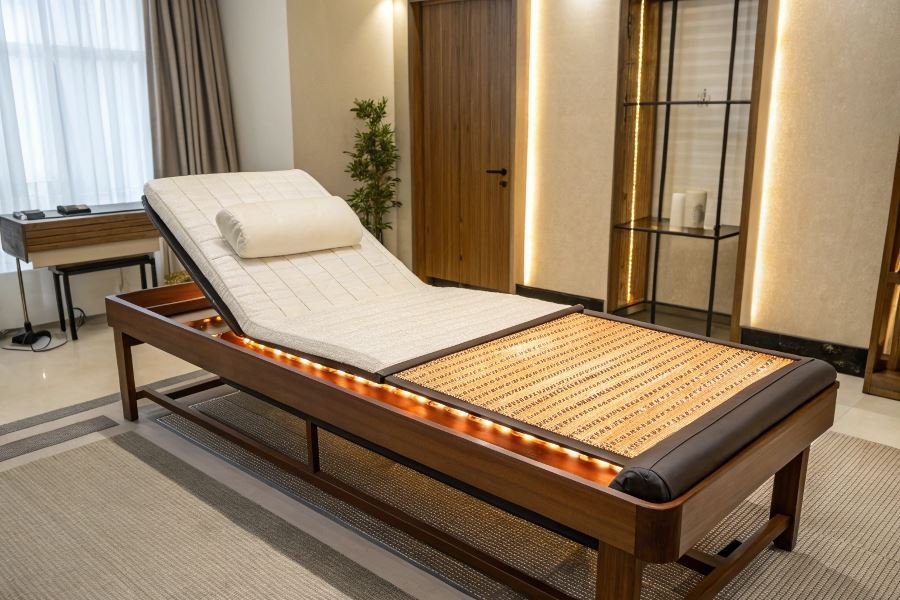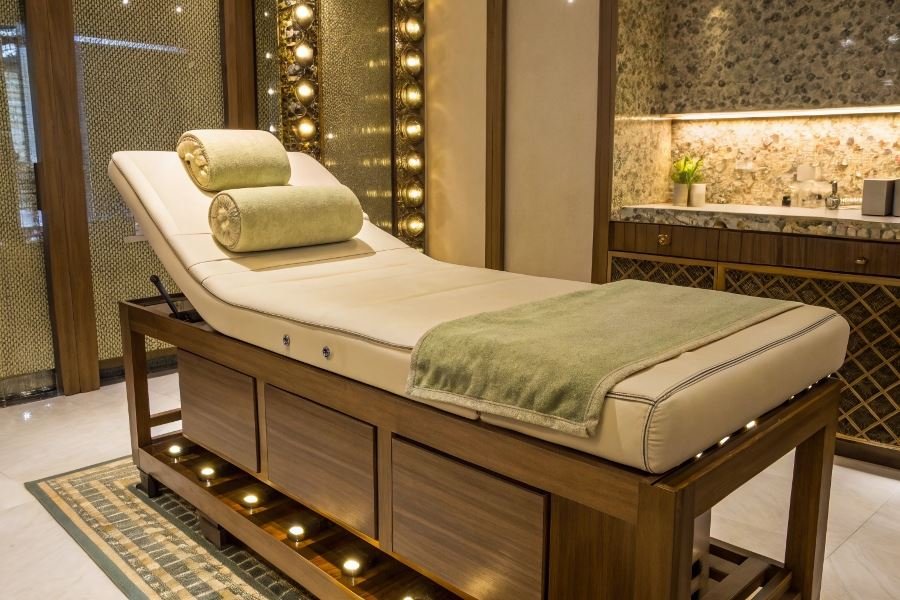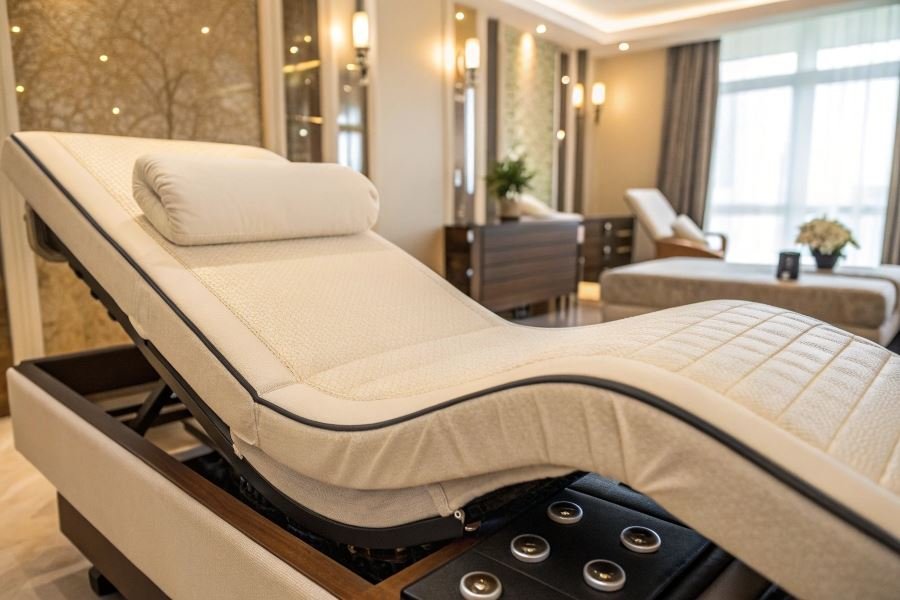
Ever wondered why some massage sessions leave you transformed while others feel like a waste of time? The secret often lies not in the therapist’s hands, but in what you’re lying on.
When investing in therapeutic relief, the foundation matters profoundly. A quality massage bed doesn’t just support your body—it elevates the entire healing experience, transforming ordinary sessions into transformative wellness rituals. The difference between adequate recovery and exceptional rejuvenation often comes down to those critical features you might overlook during purchase.
The therapeutic connection
The right massage bed creates a direct pathway to improved wellness outcomes. Research published in the Journal of Physical Therapy Science demonstrates that proper body positioning during massage can increase treatment effectiveness by up to 30%. This isn’t just about comfort—it’s about creating the optimal conditions for healing.
Today’s landscape of options
The massage bed market has evolved dramatically, offering specialized solutions for virtually every need. From portable aluminum frames weighing under 30 pounds to stationary clinical models with advanced heating elements and memory foam, the spectrum is vast. Premium models typically range from $500 to $3,000, with professional-grade options commanding higher prices for their durability and therapeutic features.
Beyond the basics: Impact on outcomes
What truly separates exceptional massage beds is their ability to enhance therapeutic results. The right bed allows practitioners to access deeper tissue layers with less effort, reduces client discomfort during longer sessions, and supports proper practitioner ergonomics—ultimately delivering more effective treatment with each session.
Essential Factors for Your Massage Bed Investment
When investing in a massage therapy bed, the details make all the difference between years of comfortable service and premature replacement. Professional therapists and home users alike need to understand what to pay attention to when buying a massage bed to ensure they’re getting equipment that meets their specific needs and will stand the test of time.
Frame Construction and Load Capacity
The foundation of any quality massage bed starts with its frame. Aircraft-grade aluminum frames offer exceptional strength while remaining lightweight (typically 25-35 pounds), making them ideal for mobile therapists. In contrast, hardwood frames provide stability and aesthetic appeal for permanent installations, though they weigh considerably more (60-80 pounds).
Load capacity is non-negotiable. Professional-grade beds should support at least 550 pounds static weight, with premium models handling up to 750 pounds. This capacity isn’t just about accommodating clients of different sizes—it accounts for the additional pressure applied during deep tissue techniques.
The frame material directly impacts not just durability but also portability. A therapist who travels between locations needs different considerations than a spa with dedicated treatment rooms.
Padding Quality and Materials
The comfort layer deserves meticulous scrutiny:
| Padding Type | Thickness Range | Durability | Best For |
|---|---|---|---|
| High-density foam | 2-3 inches | 5-7 years | All-purpose use |
| Memory foam | 2.5-4 inches | 3-5 years | Comfort-focused practices |
| Multi-layer systems | 3-5 inches | 7+ years | High-volume practices |
Look for CertiPUR-US certified foams that guarantee absence of harmful chemicals. The padding density should be between 2.5-3.5 pounds per cubic foot for optimal support without excessive compression over time.
The covering material matters equally—medical-grade vinyl offers easy cleaning and waterproofing, while genuine leather provides premium comfort but requires more maintenance.
Adjustability and Ergonomic Design
Modern massage beds should offer multiple adjustment points:
- Height adjustment (typically 24-34 inches range)
- Backrest incline (0-75 degrees)
- Face cradle angles (at least 3 positions)
- Armrest positioning
The most ergonomic designs feature electric actuators rather than manual adjustments, allowing seamless transitions between positions without disturbing the client. Premium models include programmable memory settings to quickly switch between preferred configurations.
Size Dimensions and Space Requirements
Standard massage beds measure approximately 28-32 inches wide and 72-76 inches long, but these dimensions expand when considering:
- Face cradle extensions (adds 6-10 inches to length)
- Armrest width (adds 8-12 inches to total width)
- Clearance space needed for therapist movement (minimum 30 inches on all sides)
For compact spaces, consider space-saving designs with fold-away sections or wall-mounted options that can be stored vertically when not in use.
When selecting dimensions, account for both your available space and client demographics. Taller therapists benefit from wider beds (30+ inches) that allow proper body mechanics, while facilities serving diverse populations might require adjustable-width options or specialized bariatric models.
Remember that the perfect massage bed balances technical specifications with practical usability for your specific practice style and setting.
Beyond the Basics: Critical Factors for Massage Bed Buyers
When investing in a massage bed, looking beyond the surface features can make the difference between a purchase you’ll cherish for years and one you’ll regret within months. The right decision requires evaluating factors that impact long-term satisfaction and value. Let’s explore the critical considerations that experienced buyers prioritize.
Warranty protection that actually matters
The warranty coverage on a massage bed reveals volumes about manufacturer confidence. Premium providers like Inada offer comprehensive 3-5 year warranties covering both parts and labor, while budget options might provide just 90 days on electrical components.
What separates exceptional warranty programs:
- Frame coverage duration: Quality beds offer lifetime warranties on structural components
- Motor protection: Look for at least 2-3 years on mechanical elements
- Labor inclusion: Many warranties cover parts but exclude technician costs
- In-home service options: Premium warranties include on-site repairs
A massage bed’s durability directly correlates with materials quality. Frames constructed from aircraft-grade aluminum or hardwood maple will substantially outlast those made from particle board or lightweight steel. The upholstery material matters equally—medical-grade vinyl resists oils and cleaning chemicals, while standard vinyl may crack within 18-24 months of regular use.
The true cost of ownership isn’t the purchase price—it’s the purchase price divided by years of reliable service.
Mobility matters more than you think
Portability considerations vary dramatically based on intended use. Fixed installation beds typically weigh 250-400 pounds and require permanent placement, while portable options from manufacturers like EarthLite can weigh under 35 pounds when disassembled.
Portability comparison table:
| Feature | Fixed Installation | Semi-Portable | Fully Portable |
|---|---|---|---|
| Weight | 250-400 lbs | 120-200 lbs | 30-75 lbs |
| Setup time | Professional installation | 30-45 minutes | 5-15 minutes |
| Tool requirements | Professional tools | Basic tools | Toolless assembly |
| Transport case | Not applicable | Optional | Included |
| Storage footprint | Full size | Partial breakdown | Compact |
Even semi-portable models should feature quick-release mechanisms for legs and headrests. The best portable options include wheeled carrying cases and intuitive assembly systems that don’t require technical expertise or specialized tools.
Investment return analysis beyond the price tag
The price-to-quality ratio represents the intersection of initial investment and long-term value. Entry-level massage beds start around $1,500, mid-range options typically fall between 3, 000−5,000, while premium models from Living Earth Crafts can exceed $10,000.
Factors that justify higher investment:
- Material longevity: Higher-grade materials extend useful life by 5-10 years
- Therapeutic effectiveness: Advanced features provide better treatment outcomes
- Maintenance costs: Quality beds require less frequent repairs and part replacements
- Resale value: Premium brands retain 40-60% of value after 5 years versus 10-20% for budget options
Smart buyers calculate cost-per-use rather than focusing solely on purchase price. A $4,000 bed used 300 times annually for 7 years costs approximately $1.90 per session—less than the price of a coffee and substantially less than recurring massage therapy appointments.
When evaluating investment return, consider both tangible benefits (durability, features) and intangible value (comfort quality, therapeutic effectiveness, and the convenience of in-home treatment options).
Discover the 10 critical features to evaluate when purchasing a massage bed, from frame construction to padding quality. Learn how to assess adjustability, size, warranty, and value to make an informed investment in your wellness practice.
Discover the 10 critical features to evaluate when purchasing a massage bed, from frame construction to padding quality. Learn how to assess adjustability, size, warranty, and value to make an informed investment in your wellness practice.