Ever noticed how some makeup artists can seemingly erase dark circles, redness, and discoloration with a few strategic dabs of pastel-colored products? That’s not magic—it’s the science of color correction, and it’s transforming skincare routines across America.
Color fixers—those green, purple, yellow, and peach-toned products you’ve spotted in beauty aisles—are specialized cosmetic formulations designed to neutralize unwanted tones in your complexion. Unlike traditional concealers that simply cover, color fixers work on the principle of color theory to actually cancel out specific discolorations.
“The right color corrector can do what ten layers of foundation cannot—create a truly even canvas.” — Professional makeup artists consistently report this truth.
The science is surprisingly straightforward: colors opposite each other on the color wheel neutralize when combined. Green cancels redness (perfect for rosacea or acne), purple brightens sallowness, peach erases blue-toned under-eye circles, and yellow counteracts purple-hued bruising or veins.
But here’s where many go wrong: using the same color fixer regardless of skin type. Dry skin requires hydrating formulations that won’t emphasize texture, while oily complexions need oil-free options that won’t slide off by midday. Sensitive skin demands gentle, fragrance-free formulas, and mature skin benefits from light-reflecting properties.
Selecting the appropriate color fixer isn’t just about addressing the right discoloration—it’s about finding a formula that works with your unique skin biology rather than against it.
Color Correction Magic: The Strategic Guide to Skin-Specific Fixers
Ever noticed how makeup artists seem to perform wizardry with those strange-colored products before applying foundation? Those aren’t gimmicks—they’re strategic color fixers designed to address specific skin concerns. Understanding how to select and apply color fixers for different skin types can transform your makeup routine from basic coverage to professional-grade perfection.
The science behind color correction relies on basic color theory principles where opposite hues on the color wheel neutralize each other. Color fixers for different skin types: features of selection depend primarily on identifying your specific concern and matching it with the appropriate corrective shade. When applied correctly, these products create the perfect canvas for the rest of your makeup application.
Green: The Redness Neutralizer
Green color correctors are the secret weapon against redness, whether from rosacea, acne, or general skin sensitivity. The science is straightforward: green sits opposite red on the color wheel, effectively canceling out unwanted ruddiness.
Application tips for maximum effectiveness:
- Use a light hand—buildable coverage prevents the “Wicked Witch” effect
- Focus application only on red areas, not the entire face
- Set with translucent powder before foundation for lasting results
For rosacea-prone skin, look for green correctors with soothing ingredients like aloe vera or niacinamide that calm inflammation while providing color correction. Brands like Color Science offer mineral-based green primers specifically formulated for sensitive, reactive skin types.
Purple: Brightening Yellow Undertones
Purple and lavender correctors work wonders on skin with sallow or yellow undertones, instantly bringing life to dull complexions. These cool-toned fixers are particularly effective for:
- Brightening olive skin tones
- Neutralizing jaundice-like discoloration
- Refreshing tired-looking skin
The key difference between purple and lavender? Intensity. Pure purple works best for deeper yellow discoloration, while softer lavender shades suit lighter skin with mild yellow undertones.
| Skin Concern | Recommended Purple Intensity | Best Application Method |
|---|---|---|
| Mild sallowness | Sheer lavender | All-over primer |
| Moderate yellow undertones | Medium purple | Targeted application |
| Severe discoloration | Deep violet | Spot correction |
Yellow: The Purple-Tone Eraser
Dark circles and bruising often have purple or blue undertones that yellow correctors neutralize perfectly. Yellow fixers are particularly effective for:
Under-eye concerns:
- Hereditary dark circles
- Sleep-deprived shadows
- Post-surgical bruising
When selecting a yellow corrector, consider the depth of your skin tone. Lighter complexions benefit from pale banana shades, while deeper skin tones require more golden or amber yellow correctors to effectively neutralize purple discoloration.
For stubborn dark circles, layer techniques yield professional results. Apply a thin layer of yellow corrector, set lightly with powder, then follow with a skin-tone concealer that matches your foundation shade.
The most effective yellow correctors have light-reflecting properties that not only neutralize purple tones but also brighten the under-eye area. Look for formulations containing caffeine or vitamin K to address the underlying causes of dark circles while providing immediate color correction.
Mastering Color Fixers for Every Skin Type
Color correction is where makeup artistry truly becomes a science. The right color fixer can transform your complexion from uneven to flawless, but choosing the perfect formulation requires understanding both your skin’s needs and the product’s capabilities.
Liquid, Cream, or Powder: The Formulation Showdown
The battle between liquid, cream, and powder color fixers isn’t just about preference—it’s about performance on your specific skin type.
Liquid color fixers deliver precision and buildable coverage that works exceptionally well for normal to dry skin. Their lightweight formulas typically contain hydrating ingredients like hyaluronic acid and glycerin, making them ideal for mature skin that needs moisture retention without settling into fine lines.
Cream color fixers reign supreme for those with dry to very dry skin. Their emollient-rich formulations create a dewy finish while providing substantial coverage for hyperpigmentation, redness, and other significant discolorations. The best cream formulations contain nourishing oils like jojoba or argan that prevent the product from emphasizing texture.
For oily and combination skin types, powder color fixers offer oil-absorbing benefits alongside color correction. These formulations typically incorporate silica or kaolin clay to manage shine throughout the day while maintaining color integrity—even in humid conditions.
| Formulation | Best For | Key Ingredients | Finish |
|---|---|---|---|
| Liquid | Normal to dry skin | Hyaluronic acid, glycerin | Natural to dewy |
| Cream | Dry to very dry skin | Jojoba oil, shea butter | Dewy to satin |
| Powder | Oily to combination skin | Silica, kaolin clay | Matte to natural |
Application Techniques That Transform Results
The effectiveness of any color fixer depends significantly on application technique. The right approach can mean the difference between a cakey, obvious correction and a seamless finish.
For liquid formulations, warming the product between your fingertips before application activates the formula for better blending. Apply in thin layers using a patting motion rather than rubbing, which can create patchiness. A damp makeup sponge provides the most natural finish for building coverage.
Cream color fixers require a different approach. Using a synthetic brush with dense bristles allows you to deposit the product precisely where needed. The key technique is to stipple—press the product into the skin rather than sweeping—which prevents disrupting foundation underneath.
With powder formulations, less is more. A small, dense brush allows targeted application to specific areas without disturbing the rest of your makeup. The pressing-and-rolling technique (rather than sweeping) ensures the powder adheres properly without creating a powdery appearance.
Complementary Products That Amplify Effectiveness
Color fixers don’t work in isolation—they perform best as part of a strategic product ecosystem.
Primers with color-specific properties create the ideal canvas for color correction. Green-tinted primers provide a base layer of redness reduction, while lavender primers counteract sallowness before your color fixer even enters the picture.
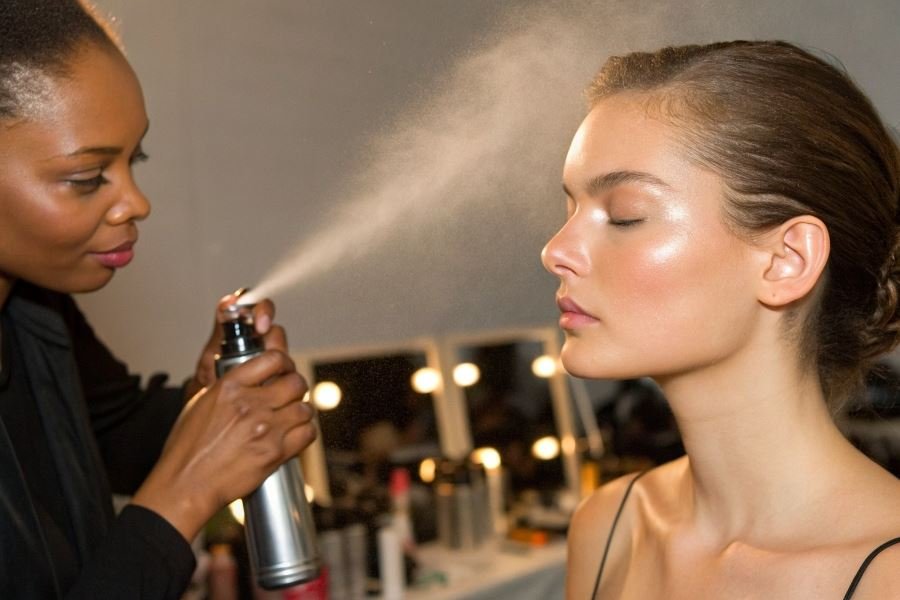
Setting sprays with optical diffusers lock color fixers in place while adding dimension to the skin. Products containing light-reflecting particles help blend the corrected areas with the rest of your complexion for a truly undetectable finish.
For those with textured skin, blurring products containing silicones applied after color correction but before foundation create a smooth transition between corrected and uncorrected areas, preventing the telltale “patchy” appearance that can occur with heavy color correction.
The most sophisticated color correction doesn’t look like correction at all—it simply looks like naturally perfect skin.
By understanding these advanced selection criteria, you’ll transform your approach to color correction from basic concealing to true complexion artistry.
Discover how to choose the perfect color fixer for your unique skin concerns. Learn which color correctors neutralize redness, dark circles, and sallowness, plus expert application techniques for flawless results.
Discover how to choose the perfect color fixer for your unique skin concerns. Learn which color correctors neutralize redness, dark circles, and sallowness, plus expert application techniques for flawless results.