Ever wondered why some permanent makeup artists create flawless, natural-looking results while others struggle with consistency? The secret often lies not in their hands, but in what they hold in them.
The permanent makeup industry has evolved dramatically since its mainstream emergence in the 1980s, transforming from a niche service to an art form that combines precision technology with aesthetic expertise. At the heart of this transformation is the quality of equipment artists use—particularly for those just beginning their journey.
Quality: The non-negotiable investment
When assembling your first permanent makeup kit, remember this truth: quality equipment isn’t just a luxury—it’s the difference between mediocre results and masterful work. High-grade machines deliver consistent needle depth, superior pigment distribution, and reduced trauma to the skin. This translates directly to faster healing times, better color retention, and ultimately, satisfied clients who become walking advertisements for your work.
Essential components every starter kit needs
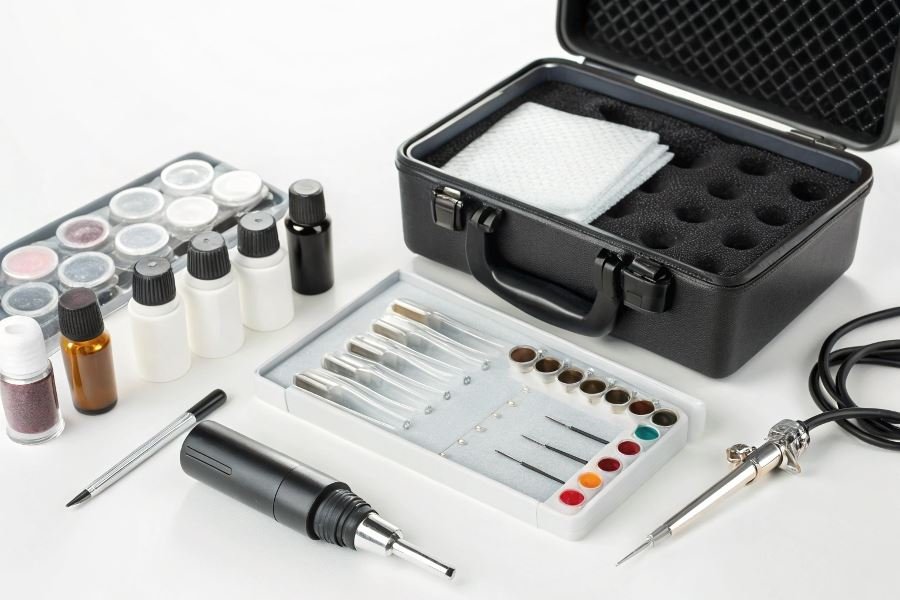
A comprehensive permanent makeup starter kit should include:
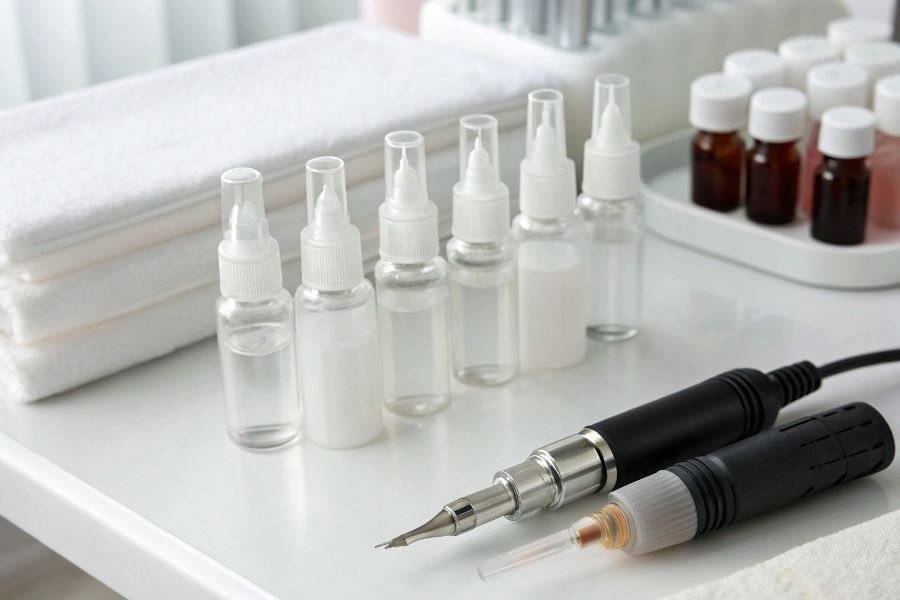
- A reliable machine/device with adjustable speed settings
- Sterile needles in various configurations (3-round, 5-round, micro-blading)
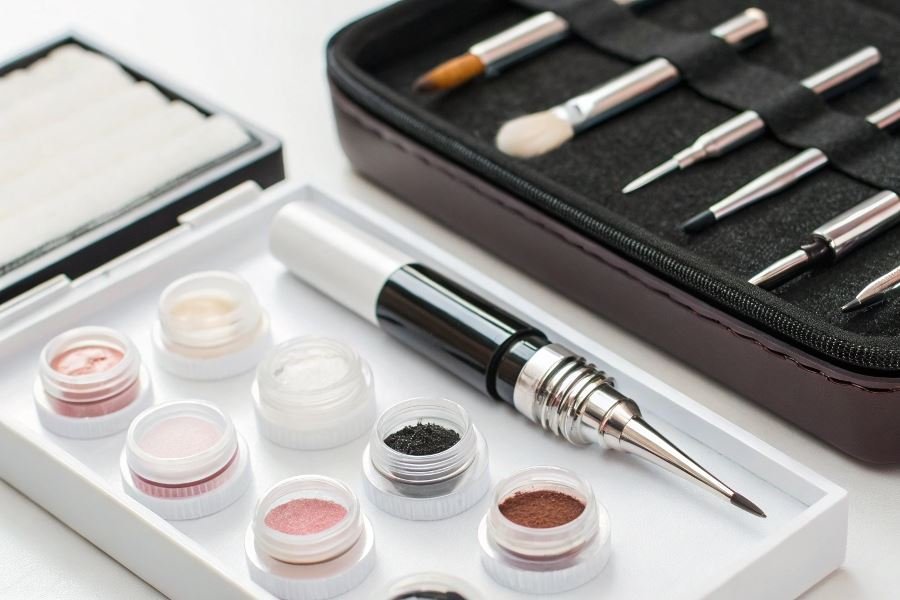
- Professional-grade pigments in fundamental colors
- Practice materials (synthetic skin, fruit)
- Proper sterilization equipment
- Ergonomic workstation setup components
Professional vs. student considerations
The difference between professional and student kits isn’t just price—it’s purpose. Students benefit from simplified, all-in-one systems that prioritize learning fundamentals, while professionals require equipment that offers versatility for diverse client needs. Your investment should align with your immediate goals while allowing room for growth as your skills advance.
Essential Equipment for Professional Permanent Makeup Results
The journey into permanent makeup artistry begins with proper tools. A comprehensive starter kit for permanent makeup should include all the essential equipment needed to deliver professional-level results from day one. The right combination of devices, application tools, and pigments creates the foundation for successful procedures and satisfied clients.
When assembling a starter kit for permanent makeup: what should be included depends largely on the specific procedures you plan to offer. However, certain fundamental components are non-negotiable for any serious permanent makeup artist. These tools not only determine the quality of your work but also impact client comfort and procedure efficiency.
Primary Devices: The Heart of Your Practice
The permanent makeup machine is undoubtedly the cornerstone of your kit. Modern options generally fall into two categories:
Rotary machines deliver consistent, smooth performance with less noise and vibration. They’re excellent for beginners due to their versatility across different techniques.
Pen machines offer exceptional precision and control, making them ideal for detailed work like microblading and fine hairstrokes.
| Machine Type | Best For | Price Range |
|---|---|---|
| Rotary | All-purpose work, beginners | 400−1,200 |
| Pen | Detailed work, experienced artists | 600−2,000 |
A reliable power supply is equally crucial. Look for digital models with precise adjustments for needle depth and speed. The FK Irons Power Unit offers exceptional stability with voltage ranging from 4V to 18V, perfect for various techniques from soft shading to crisp lines.
Application Tools: Precision Instruments
The quality of your needles and cartridges directly impacts line definition, color retention, and client comfort. For beginners, disposable cartridges are strongly recommended for their convenience and safety.
Needle configurations vary based on the intended technique:
- 1-point needles for hairstrokes and fine lines
- 3-5 point configurations for shading and filling
- Magnum groupings for broader color application and blending
Premium cartridges from manufacturers like Cheyenne feature membrane systems that prevent pigment backflow, reducing cross-contamination risks.
Holders or grips deserve careful consideration as they affect hand fatigue during lengthy procedures. Ergonomic designs with textured surfaces provide better control and comfort during extended sessions.
Top 3 Pigments for Versatile Applications
Pigment quality determines the longevity and appearance of your work. These three categories form the foundation of a versatile permanent makeup pigment collection:
-
Eyebrow pigments – Begin with warm and cool brown tones plus a carbon black for mixing. The Perma Blend Tina Davies collection offers exceptional color stability with minimal color shift.
-
Lip pigments – A natural pink, coral, and nude create a versatile base palette. Look for formulations specifically designed for mucous membranes.
-
Eyeliner pigments – Carbon black is essential, while deep brown and navy provide softer options for clients with lighter coloring.
Quality indicators for pigments include:
- Organic ingredients
- Sterilization certification
- Absence of heavy metals
- Consistent viscosity
- Minimal color migration
The investment in professional-grade equipment pays dividends through superior results, client satisfaction, and reduced complications. While budget options exist, they often lead to inconsistent outcomes that damage your reputation before your business can truly establish itself.
Beyond the Machine: Completing Your Permanent Makeup Arsenal
Starting your permanent makeup journey requires more than just investing in quality equipment. The difference between professionals who thrive and those who struggle often comes down to what surrounds their machine. Let’s explore the essential supporting elements that transform a basic setup into a comprehensive professional toolkit.
Training Resources That Accelerate Mastery
The learning curve for permanent makeup is steep, but the right practice materials can flatten it considerably. Invest in:
- Synthetic skin practice pads that mimic human tissue resistance and texture
- Specialized mannequin heads with replaceable skin sections for eyebrow and eyeliner work
- Practice pigments formulated specifically for training (these have different viscosity than professional-grade products)
Many artists overlook the value of reference materials. Keep a digital or physical library of:
- Anatomical charts showing facial muscle structures
- Color theory guides specific to permanent makeup applications
- Photographic references of healed work at various stages
The most valuable investment isn’t always in equipment, but in the knowledge of how to use it masterfully.
Safety Systems That Protect Everyone
Safety supplies aren’t glamorous, but they’re non-negotiable. Your essential safety inventory should include:
| Category | Must-Have Items | Recommended Quantity |
|---|---|---|
| Barriers | Machine barriers, clip cords, disposable bed covers | 100+ per month |
| Personal Protection | Nitrile gloves, face masks, protective eyewear | 200+ gloves, 50+ masks |
| Client Protection | Skin cleansers, antiseptic solutions, aftercare products | 2-3 month supply |
Beyond these basics, consider investing in an Autoclave for tools that aren’t single-use. While expensive initially, autoclaves provide hospital-grade sterilization that builds client confidence and meets regulatory requirements in most jurisdictions.
Organization Systems That Streamline Your Process
The efficiency of your workflow directly impacts your profitability. Smart storage solutions include:
- Modular carts with antimicrobial surfaces that can be positioned for right or left-handed work
- Color-coded containers for separating clean, used, and contaminated items
- Specialized pigment organizers that prevent cross-contamination
Maintenance tools deserve their dedicated space:
- Precision screwdrivers for machine adjustments
- Cleaning brushes for hard-to-reach components
- Calibration tools for ensuring consistent needle depth
Many professionals underestimate the importance of inventory management. Implement a digital or physical system to track:
- Expiration dates on pigments and medical supplies
- Usage rates to anticipate reordering needs
- Client-specific products for follow-up appointments
The organization of your workspace isn’t just about aesthetics—it communicates professionalism to clients and regulatory inspectors alike.
Remember that your permanent makeup kit will evolve as your skills grow. Start with these essentials, but remain open to expanding your toolkit as you discover what works best for your specific techniques and client base. The investment in quality supporting materials pays dividends in efficiency, safety, and ultimately, the stunning results that build your reputation.
Discover what every professional permanent makeup starter kit must include - from quality machines and power supplies to essential needles, pigments, and safety equipment. Your complete guide to building a professional PMU arsenal.
Discover what every professional permanent makeup starter kit must include - from quality machines and power supplies to essential needles, pigments, and safety equipment. Your complete guide to building a professional PMU arsenal.