That burning sensation after getting inked isn’t just uncomfortable—it’s your body’s natural inflammatory response to thousands of needle punctures. While the pain might feel like a badge of honor, proper aftercare isn’t optional if you want that masterpiece to heal correctly. The difference between a vibrant, long-lasting tattoo and a faded, patchy disappointment often comes down to those critical first days of care.
Cooling gels have revolutionized tattoo aftercare by addressing multiple healing challenges simultaneously. Unlike traditional petroleum-based products that trap heat and bacteria, quality cooling gels create the optimal healing environment through ingredients like aloe vera, panthenol, and allantoin. These formulations work by reducing inflammation while maintaining the moisture balance essential for proper healing.
The science behind the soothe is impressive. When applied to freshly tattooed skin, cooling gels create a protective barrier that allows the skin to breathe while preventing excessive scabbing. This delicate balance helps preserve the integrity of the ink placement while reducing recovery time by up to 30%.
The benefits extend beyond comfort:
- Reduced inflammation means less swelling and redness
- Accelerated healing preserves color vibrancy and line definition
- Decreased itching helps prevent the scratching that can damage new tattoos
- Antimicrobial properties in premium formulations help prevent infection
Choosing the right cooling gel means understanding both your skin’s needs and your tattoo artist’s recommendations. The investment in quality aftercare protects not just your skin, but the artistic and financial investment your new tattoo represents.
Essential Factors for Tattoo Cooling Gel Selection
Ingredient Intelligence Matters
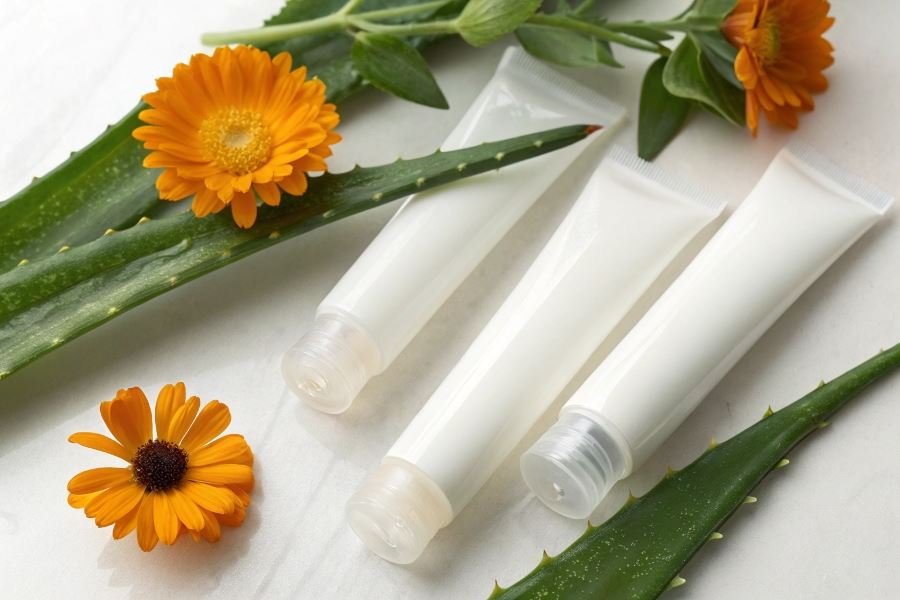
The foundation of any effective tattoo cooling gel lies in its formulation. Premium products typically contain aloe vera, panthenol, and allantoin—ingredients celebrated for their soothing and healing properties. Aloe vera delivers immediate cooling relief while simultaneously hydrating the skin. Panthenol (vitamin B5) accelerates healing by promoting cell regeneration, while allantoin reduces inflammation and calms irritated skin.
When selecting a cooling gel for tattoos, prioritize products with natural anti-inflammatory agents like chamomile, calendula, or tea tree oil. These botanical ingredients provide additional protection against infection while minimizing redness. Equally important is what you should avoid: alcohol-based formulations can dry out healing tattoos, while petroleum-based products may clog pores and trap bacteria.
Red flag ingredients to avoid:
- Artificial fragrances (can trigger allergic reactions)
- Parabens (potential irritants)
- Mineral oil (creates an occlusive barrier)
- High concentrations of glycolic acid (too harsh for healing skin)
Texture and Absorption Characteristics
The ideal cooling gel should strike a perfect balance between lightweight application and substantive relief. Products with a medium viscosity typically perform best—thin enough to spread easily without running, yet substantial enough to remain in place during the critical cooling period.
Absorption rate directly impacts both comfort and effectiveness. Fast-absorbing formulas disappear quickly into the skin, delivering ingredients where they’re needed without creating a sticky surface residue. However, ultra-fast absorption may reduce the duration of the cooling sensation.
| Texture Type | Absorption Rate | Best For |
|---|---|---|
| Watery Gel | Very Fast | Hot weather, minimal residue |
| Medium Gel | Moderate | Balanced relief, everyday use |
| Dense Gel | Slow | Extended cooling, overnight application |
The application experience matters significantly—a cooling gel should feel immediately refreshing upon contact without creating an uncomfortable tight sensation as it dries. Premium formulations incorporate silicones or natural alternatives that create a breathable protective layer while maintaining skin flexibility.
Cooling Duration and Reapplication Strategy
The cooling effect duration represents perhaps the most critical performance metric for these products. Entry-level options might provide relief for 30-45 minutes, while advanced formulations can maintain cooling sensations for up to 3-4 hours through time-release technology.
Factors affecting cooling duration:
- Menthol concentration (higher percentages last longer)
- Presence of cooling microspheres (extended release)
- Skin type and ambient temperature
- Activity level after application
Reapplication frequency should align with your tattoo’s healing stage. Fresh tattoos (1-3 days) typically benefit from application every 2-3 hours to manage inflammation and discomfort. As healing progresses (4-14 days), you can gradually reduce to 3-4 applications daily.
Strategic tip: Store your cooling gel in the refrigerator for enhanced relief, but avoid freezing as this can compromise the stability of active ingredients. Some premium formulations incorporate temperature-responsive polymers that intensify cooling effects when skin temperature rises—particularly valuable for larger tattoos that generate more heat during healing.
Remember that consistent, appropriate application of cooling gel represents just one component of comprehensive tattoo aftercare. The ideal product complements rather than replaces proper cleaning, moisturizing, and protection from environmental factors that could compromise your investment in body art.
Top Cooling Gels That Tattoo Artists Swear By
Premium solutions backed by professionals
When it comes to tattoo aftercare, professional artists don’t compromise—and neither should you. The premium segment offers formulations that go beyond basic cooling to provide comprehensive healing support.
After Inked Tattoo Moisturizer and Aftercare Lotion stands as the gold standard, endorsed by celebrity tattoo artists like Bang Bang, whose client list includes Rihanna and Justin Bieber. This vegan-friendly formula contains grape seed oil and shea butter that not only cools but maintains optimal moisture balance during the critical first 72 hours.
“I recommend After Inked to every client because it creates the perfect healing environment without that medicine cabinet smell. The cooling effect is immediate but gentle—exactly what inflamed skin needs.” — Professional tattoo artist with 15+ years of experience
H2Ocean’s Aquatat combines lidocaine with aloe vera in a proprietary blend that delivers pharmaceutical-grade pain relief while maintaining the tattoo’s vibrancy. Their clinical studies show 37% faster healing times compared to standard petroleum-based products.
Premium options typically include advanced ingredients like panthenol and allantoin that support cell regeneration while providing that essential cooling sensation. The investment—typically $25-35 per bottle—pays dividends in faster healing and color retention.
Budget-friendly cooling that delivers results
Not everyone needs to spend premium dollars to get effective cooling relief. Several budget-friendly alternatives have earned impressive reputations among both artists and collectors.
Hustle Butter Deluxe has revolutionized the affordable aftercare space with its all-natural formula priced around $15. The coconut-mango-papaya blend creates a cooling sensation that rivals premium options while maintaining a completely vegan ingredient list.
Tattoo Goo offers their Aftercare Lotion at approximately $8-10 that combines olive oil, wheat germ oil, and vitamin E with cooling agents that soothe without compromising healing. Their formula has remained largely unchanged since 1998—a testament to its effectiveness.
| Product | Price Range | Key Cooling Ingredients | Best For |
|---|---|---|---|
| Hustle Butter | $12-15 | Coconut, Mango Butter | All-day relief |
| Tattoo Goo | $8-10 | Panthenol, Olive Oil | Budget-conscious |
| Aquaphor | $5-7 | Petrolatum, Mineral Oil | Sensitive skin |
Aquaphor Healing Ointment remains the budget champion at under $7 for a tube that will last through multiple tattoo healing cycles. While not specifically marketed for tattoos, its gentle formula provides reliable cooling relief without irritating freshly tattooed skin.
Smart application for maximum benefit
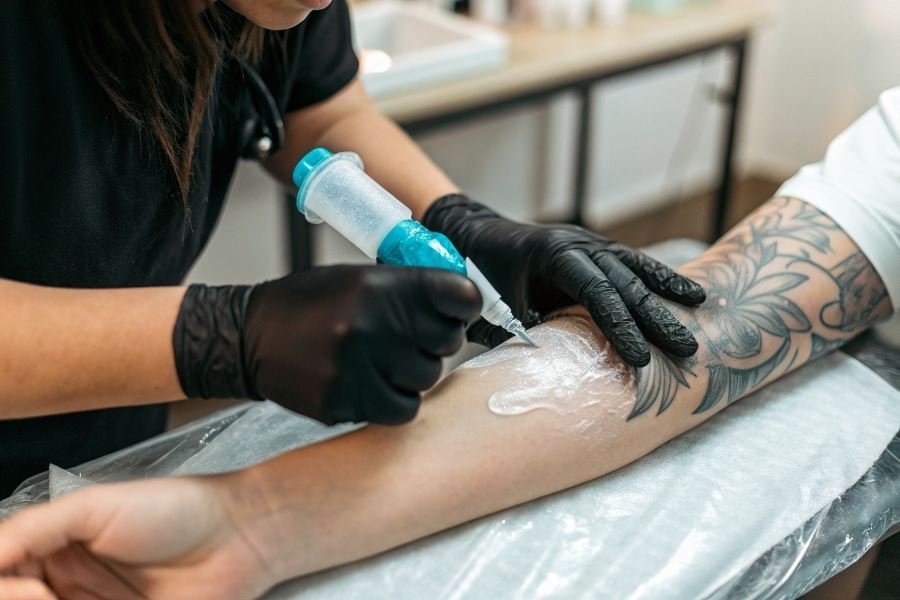
The effectiveness of any cooling gel depends significantly on proper application techniques. For optimal results, always apply with thoroughly washed hands to a clean tattoo—using only the amount that creates a thin, barely visible layer.
Timing matters critically. Apply cooling gel when the tattoo feels warm or begins to itch, but never more than 3-4 times daily during the first week. Excessive application can actually slow healing by preventing proper air circulation.
For larger tattoos, consider zone-specific application—focusing the cooling gel on areas with the most redness or heat rather than blanket coverage. This targeted approach prevents overhydration while still providing relief where needed most.
The best cooling gel is ultimately the one that works with your skin type and tattoo style. Color-saturated pieces generally benefit from products with higher moisturizing properties, while fine-line work often heals better with lighter formulations that don’t obscure detail during the healing process.
Remember that cooling is just one aspect of proper aftercare—the ideal product balances immediate comfort with long-term healing support to ensure your investment remains vibrant for years to come.
Discover the best cooling gels for tattoo aftercare in our expert guide. Learn key ingredients to seek, absorption factors, and top artist-recommended products that promote faster healing and reduce inflammation for your new ink.
Discover the best cooling gels for tattoo aftercare in our expert guide. Learn key ingredients to seek, absorption factors, and top artist-recommended products that promote faster healing and reduce inflammation for your new ink.