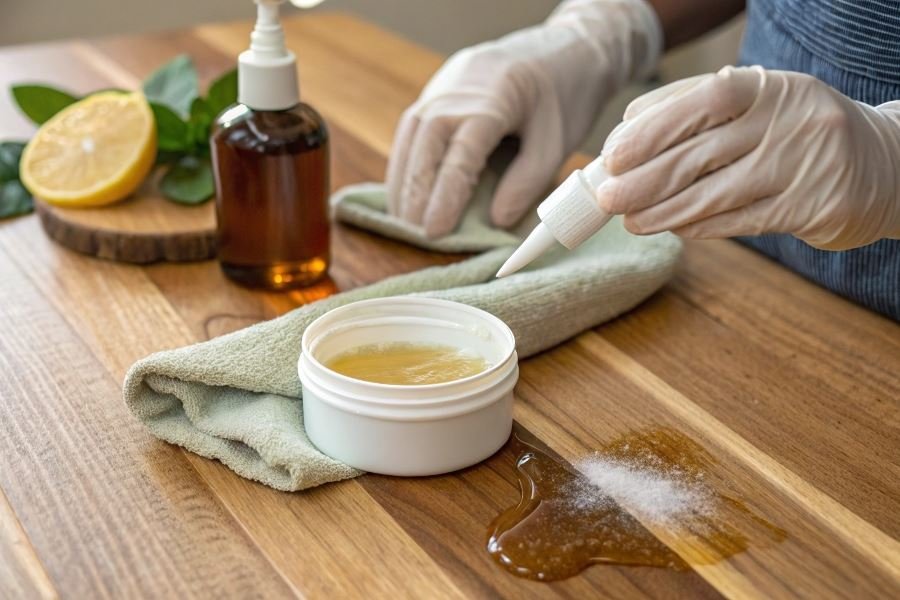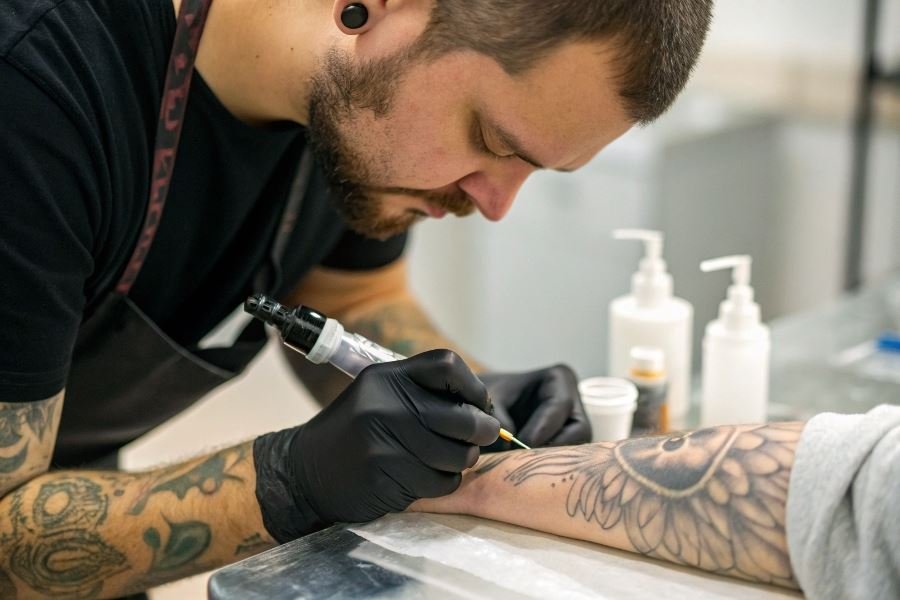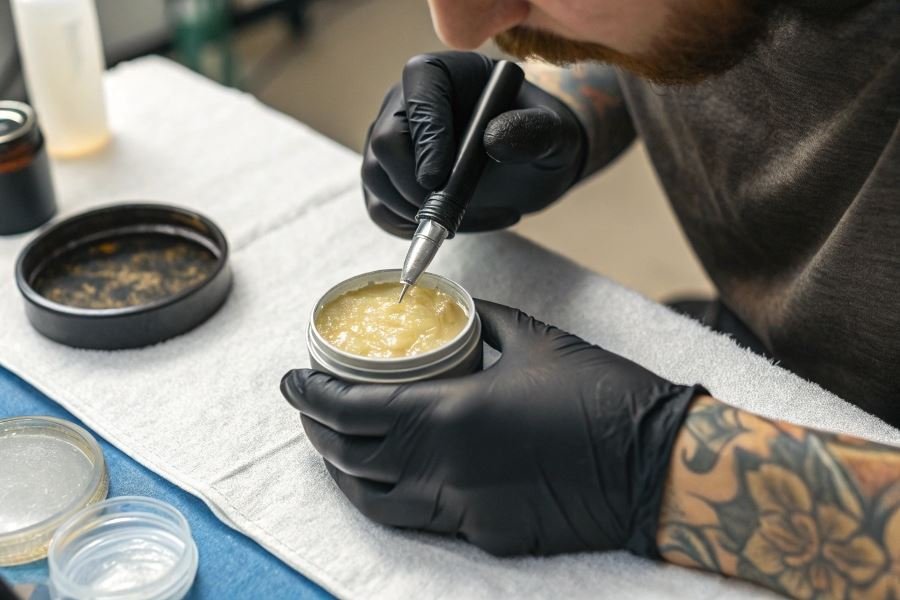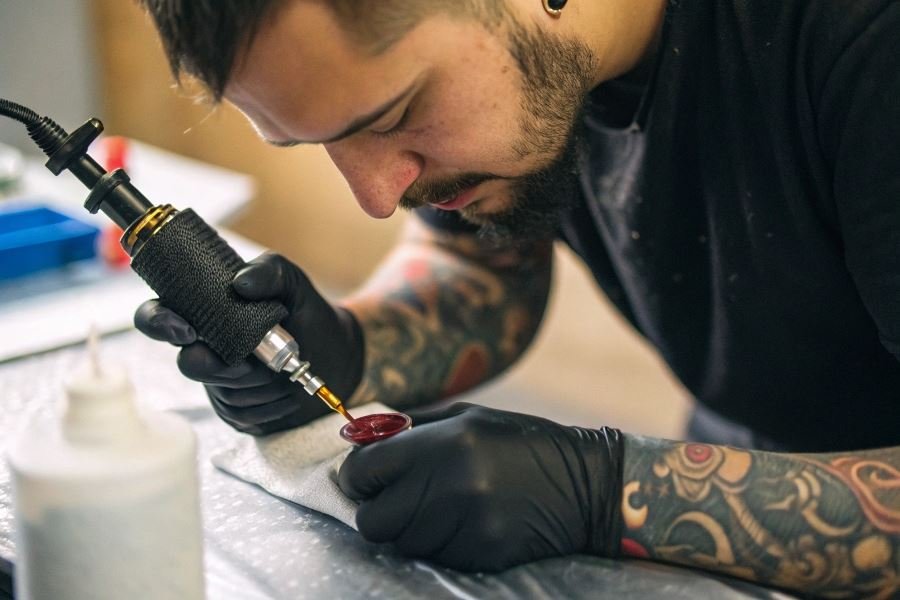
Ever watched a master tattoo artist at work? That smooth, consistent hum of the machine isn’t just good fortune—it’s the result of meticulous maintenance. Behind every flawless tattoo lies a secret weapon that rarely gets the spotlight: quality cleaning wax.
Tattoo machines are precision instruments that demand respect. These complex mechanical marvels endure thousands of vibrations per minute while being exposed to blood, ink, and cleaning solutions. Without proper care, even top-tier machines deteriorate rapidly, leading to inconsistent lines, patchy coloring, and potentially compromised sterilization.
Cleaning wax serves as both protector and performance enhancer for your tattoo equipment. This specialized formula creates a microscopic barrier that prevents metal-on-metal friction while repelling contaminants that could compromise your work. The right wax can extend your machine’s lifespan by years, while the wrong one might actually accelerate wear.
When selecting a cleaning wax, three factors stand above all others:
- Composition purity – Premium waxes contain pharmaceutical-grade ingredients without harmful additives
- Temperature stability – Quality wax maintains consistency whether your machine runs hot or cool
- Residue resistance – Superior formulations won’t gum up moving parts or attract debris
“The difference between mediocre and exceptional tattoo work often comes down to how well the artist maintains their tools.” – From the American Professional Tattoo Association guidelines
Your machine represents both a significant investment and your artistic reputation. Choosing the right cleaning wax isn’t just about maintenance—it’s about preserving the integrity of every piece you create.
The Definitive Guide to Tattoo Machine Cleaning Wax
When it comes to maintaining your tattoo equipment, the cleaning wax you choose can make or break your machine’s performance and longevity. Professional tattoo artists understand that criteria for choosing a quality cleaning wax for tattoo machines extend far beyond price point—they involve careful consideration of composition, cleaning efficiency, and machine compatibility.
Natural vs. Synthetic Formulations
The foundation of any quality cleaning wax begins with its composition. Natural waxes, typically derived from beeswax, carnauba, or jojoba, offer exceptional compatibility with metal components while providing gentle yet effective cleaning action. These natural options typically contain:
- Beeswax base – Creates a protective barrier against oxidation
- Essential oils – Provide antimicrobial properties without harsh chemicals
- Plant-derived emollients – Prevent metal components from drying out
Synthetic alternatives, while often less expensive, frequently incorporate petroleum derivatives and silicones. These formulations can deliver impressive immediate results but may leave microscopic residue that accumulates over time.
The difference becomes apparent after multiple cleaning sessions—natural waxes tend to build up less residue while maintaining consistent performance.
Cleaning Efficiency and Residue Management
The primary function of any cleaning wax is to remove debris, ink residue, and potential contaminants from your tattoo machine. Superior products accomplish this while:
- Dissolving ink compounds without damaging metal finishes
- Capturing microscopic particles rather than merely redistributing them
- Breaking down without leaving their own residue behind
| Wax Type | Cleaning Power | Residue Prevention | Longevity |
|---|---|---|---|
| Premium Natural | Excellent | Superior | 6-12 months |
| Standard Natural | Good | Very Good | 3-6 months |
| Synthetic Blend | Very Good | Moderate | 2-4 months |
| Budget Synthetic | Moderate | Poor | 1-2 months |
The most effective cleaning waxes contain natural solvents that break down ink particles while leaving a microscopically thin protective layer. This layer prevents oxidation without interfering with mechanical function—a delicate balance that only well-formulated products achieve.
Machine-Specific Compatibility
Not all tattoo machines are created equal, and neither should your cleaning approach be. The distinct architectures of rotary and coil machines demand different considerations:
Rotary Machine Considerations:
- Lower heat generation requires less aggressive cleaning compounds
- Sealed bearings benefit from non-penetrating formulations
- Aluminum components need non-corrosive cleaning agents
Coil Machine Requirements:
- Higher operating temperatures demand heat-stable waxes
- Exposed electrical components need non-conductive formulations
- Spring tension systems benefit from light lubricating properties
The best cleaning waxes for professional use offer versatility across machine types while still addressing these specific needs. Products from manufacturers like FK Irons and Bishop Rotary often develop cleaning solutions with specific machine architectures in mind.
When selecting your next cleaning wax, remember that quality products typically cost more upfront but deliver superior protection and require less frequent application—ultimately saving both money and maintenance time while extending the life of your valuable equipment.
Advanced Selection Criteria for Tattoo Machine Cleaning Wax
Professional certifications and industry standards
The tattoo industry has evolved dramatically since its mainstream emergence in the 1960s, with professional standards becoming increasingly rigorous. Quality cleaning wax for tattoo machines isn’t just about keeping equipment shiny—it’s about safety, compliance, and professional integrity.
Look for products certified by recognized industry bodies like the Alliance of Professional Tattooists (APT) or those meeting FDA approval for cosmetic-adjacent products. The best cleaning waxes will prominently display their compliance with ISO 22716 (Good Manufacturing Practices for cosmetics) or similar standards.
Certification matters beyond paperwork. Products meeting these standards undergo testing for:
- Microbial contamination thresholds
- Absence of harmful chemicals
- Stability under various conditions
- Consistent performance across batches
A standout example is Eternal Tattoo Supply’s professional-grade cleaning wax, which not only meets but exceeds industry standards with third-party laboratory testing and transparent ingredient disclosure.
The difference between standard and certified cleaning wax is like comparing a street sketch artist to a master painter—both create art, but the standards of excellence are worlds apart.
Application method and ease of use
The practical aspects of cleaning wax application can make or break your maintenance routine. The most effective products balance thoroughness with efficiency.
| Application Method | Best For | Considerations |
|---|---|---|
| Spray-on formulas | Quick maintenance | May require more product per application |
| Cream/paste waxes | Deep cleaning | Longer application time but more economical |
| Pre-soaked wipes | Mobile artists | Convenient but potentially wasteful |
| Solid bar waxes | Environmentally conscious studios | Minimal packaging, longest shelf life |
The application temperature range matters significantly. Premium waxes like those from FK Irons maintain consistency between 65-85°F, while lower-quality alternatives might harden or separate in standard studio environments.
Consider your workflow when selecting application methods. Artists completing 8+ tattoos daily benefit from quick-application formulas, while studios focusing on fewer, larger pieces might prioritize thoroughness over speed.
Cost-effectiveness and value assessment
Calculating true value goes beyond the sticker price. A comprehensive value assessment includes:
Cost per application: Divide the total price by estimated applications. Premium waxes typically yield 30-50% more applications than budget alternatives due to concentrated formulations.
Machine longevity impact: Quality waxes containing proper corrosion inhibitors can extend machine life by 2-3 years with regular use. At an average machine cost of 500−1,200, this protection represents substantial savings.
Compatibility range: Superior cleaning waxes work effectively across coil, rotary, and pneumatic machines without adjustment. Bishop Rotary recommends universal formulations that eliminate the need for multiple cleaning products.
Time efficiency value: Calculate your hourly rate and multiply by time saved with efficient products. A wax that saves even 2 minutes per cleaning session translates to hours monthly for busy professionals.
The most cost-effective products often fall in the middle-to-upper price range, offering the optimal balance between immediate cost and long-term value. Budget options frequently require more product per application, negating apparent savings while potentially compromising equipment protection.
Discover the 7 essential criteria professional tattoo artists use to select high-quality cleaning wax for their machines. Learn how proper maintenance impacts performance, longevity, and client safety with expert-backed selection tips.
Discover the 7 essential criteria professional tattoo artists use to select high-quality cleaning wax for their machines. Learn how proper maintenance impacts performance, longevity, and client safety with expert-backed selection tips.