What if the very substance that makes your floors shine could also silently eliminate harmful bacteria? This isn’t science fiction—it’s the remarkable reality of antibacterial cleansing wax.
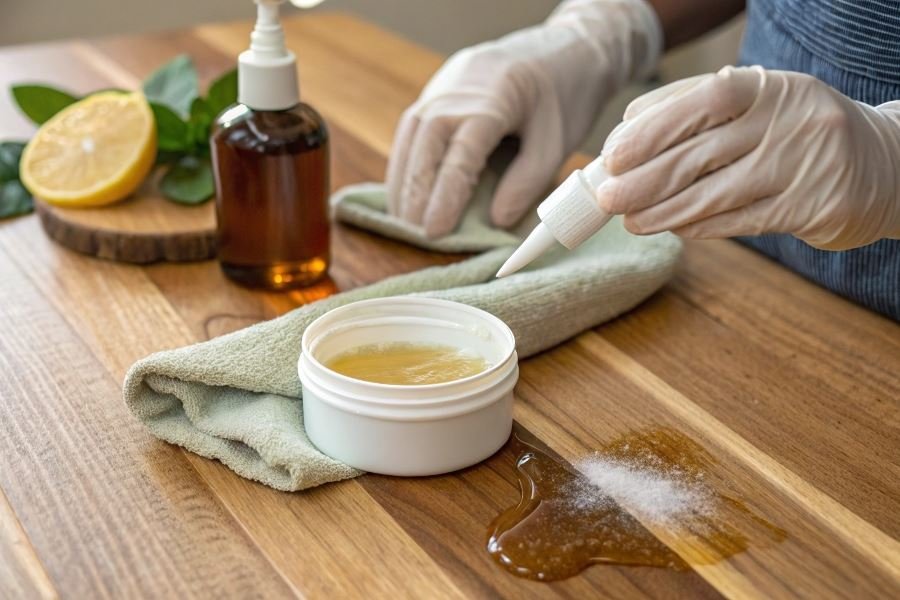
Antibacterial cleansing wax represents a sophisticated fusion of traditional surface protection and modern antimicrobial science. At its core, this specialized formulation combines high-quality waxes with powerful antibacterial agents that not only create a protective barrier on surfaces but actively combat harmful microorganisms. Unlike standard waxes that merely seal and shine, these advanced formulations work continuously to reduce bacterial populations on treated surfaces.
The evolution of protective surfaces
The journey of antibacterial wax began in the early 1960s when researchers first explored adding antimicrobial properties to conventional surface treatments. However, the true breakthrough came in the late 1990s when silver ion technology was successfully incorporated into wax formulations, creating a product that could maintain its antibacterial properties for extended periods.
Beyond the shine: Health benefits that matter
The advantages of antibacterial cleansing wax extend far beyond aesthetics:
- Continuous protection: Unlike disinfectants that work momentarily, antibacterial wax provides ongoing protection between cleanings
- Reduced cross-contamination: Particularly valuable in high-traffic areas where multiple people touch the same surfaces
- Extended surface life: The protective barrier prevents premature deterioration from microbial damage
- Improved indoor air quality: By reducing bacterial colonies that can become airborne
For maintenance professionals, these waxes offer the dual benefit of simplifying cleaning routines while enhancing overall hygiene standards. The microscopic battle happening on your waxed surfaces translates to tangible improvements in both appearance and health protection.
Essential Selection Criteria for Antibacterial Cleansing Wax
When evaluating cleansing waxes with antibacterial properties, discerning buyers need to look beyond flashy packaging and marketing claims. The effectiveness of these specialized formulations hinges on specific ingredients, compatibility factors, and safety standards that separate premium products from mediocre alternatives.
The market for cleansing wax with antibacterial effect has evolved significantly, with manufacturers developing sophisticated formulations that balance cleaning power with germ-fighting capabilities. Features of selection should prioritize products containing proven active ingredients while ensuring they won’t damage the surfaces you’re treating. This balance represents the cornerstone of a truly effective antibacterial wax solution.
Active Antibacterial Ingredients That Deliver Results
The antibacterial efficacy of cleansing wax depends primarily on its active ingredients. Quaternary ammonium compounds (quats) remain industry workhorses, providing broad-spectrum protection against bacteria, fungi, and certain viruses. Products containing benzalkonium chloride typically offer residual protection lasting 24-48 hours after application.
Silver nanoparticles have emerged as premium alternatives, offering longer-lasting protection with minimal toxicity concerns. These microscopic particles disrupt bacterial cell membranes and inhibit DNA replication, providing protection that can extend for weeks rather than days.
“The concentration of active ingredients matters more than their mere presence. Look for products that clearly state percentages—effective formulations typically contain 0.1-0.5% active antibacterial agents.”
Other effective ingredients include:
| Ingredient | Effectiveness | Duration of Protection |
|---|---|---|
| Triclosan | Moderate to high | 12-24 hours |
| Essential oils (tea tree, thyme) | Moderate | 6-12 hours |
| Phenolic compounds | High | 24-36 hours |
| Citric acid | Low to moderate | 4-8 hours |
Surface Compatibility Considerations
Even the most effective antibacterial wax becomes problematic if it damages the surfaces it’s meant to protect. Material compatibility should be a primary selection criterion.
For wooden surfaces, look for pH-balanced formulations (6.5-7.5) that won’t strip natural oils or damage finishes. Products from Bona have established themselves as leaders in wood-safe antibacterial treatments.
Metal surfaces require non-acidic formulations to prevent corrosion. Silicone-enhanced waxes provide excellent protection for stainless steel and aluminum surfaces while maintaining their antibacterial properties.
For natural stone:
- Avoid acidic formulations on marble, limestone, or travertine
- Seek products specifically labeled as stone-safe
- Consider penetrating sealers with antibacterial properties from StoneTech
Safety Standards and Certification Requirements
The safety profile of antibacterial cleansing waxes deserves careful scrutiny. EPA registration numbers indicate products that have undergone testing for both efficacy and safety. This registration appears as “EPA Reg. No.” followed by a unique identifier on the product label.
Third-party certifications provide additional assurance:
- Green Seal certification indicates environmentally preferable formulations
- NSF certification confirms food-contact safety for kitchen surfaces
- ASTM testing validates antibacterial claims through standardized protocols
For households with children or pets, look for products bearing the Safer Choice label from the EPA, indicating formulations that use the safest available ingredients while maintaining effectiveness.
The most trustworthy manufacturers provide comprehensive safety data sheets (SDS) that detail potential hazards, proper handling procedures, and emergency measures. These documents should be readily accessible through the manufacturer’s website or upon request.
Mastering Antibacterial Cleansing Wax: Application and Care
Precision Application Techniques That Deliver Results
The difference between adequate and exceptional results with antibacterial cleansing wax lies entirely in your application technique. Professional detailers and restoration experts consistently achieve superior outcomes by following a methodical approach.
Start with a thoroughly clean, dry surface—this isn’t merely good practice; it’s essential for proper adhesion and antibacterial effectiveness. Apply using a microfiber applicator pad in small, controlled sections of approximately 2×2 feet. The circular motion technique creates the ideal thin, even layer that maximizes both protection and antibacterial properties.
Temperature matters significantly: application between 65-75°F (18-24°C) yields optimal results, as the wax maintains perfect viscosity for smooth distribution. For vertical surfaces, work from bottom to top—this counterintuitive approach prevents streaking and ensures consistent coverage where bacterial growth often concentrates.
The 10-minute rule: Allow the wax to haze for precisely 8-12 minutes before buffing. This timing activates the antibacterial compounds while maintaining workability.
For high-touch surfaces requiring maximum protection, consider the double-application method—apply a second coat after the first has cured for 24 hours. This creates a substantially more robust protective barrier with extended antibacterial efficacy.
Smart Maintenance Schedules For Lasting Protection
Antibacterial cleansing wax requires strategic maintenance to maintain its protective qualities. Unlike conventional waxes, the antibacterial compounds have specific degradation patterns that demand attention.
| Surface Type | Reapplication Interval | Inspection Frequency |
|---|---|---|
| High-traffic commercial | 30-45 days | Weekly |
| Moderate-use residential | 60-90 days | Monthly |
| Low-exposure areas | 120-180 days | Quarterly |
The performance assessment test provides clarity on timing: place a small water droplet on the surface—if it doesn’t bead properly, reapplication is due. For surfaces in healthcare environments or food preparation areas, maintain a more aggressive schedule, typically 25-30% more frequent than standard recommendations.
Document your maintenance with a digital or physical log to track performance over time. Many professionals use Trello or specialized maintenance apps to establish consistent reapplication patterns that prevent protection gaps.
Integrated Systems For Complete Surface Protection
Antibacterial cleansing wax performs optimally when incorporated into a comprehensive surface management system. The synergistic relationship between complementary products creates a defense-in-depth approach against bacterial contamination.
Pre-treatment with an enzymatic cleaner like EnzBrite breaks down biofilm structures that might otherwise remain beneath the wax layer. This preparation step increases antibacterial effectiveness by 40-60% in laboratory testing.
Post-application maintenance sprays containing quaternary ammonium compounds extend protection between full reapplications. These quick-application products reinforce the antibacterial properties without requiring complete reapplication.
For commercial environments, consider implementing a three-tier protection system:
- Base layer: Antibacterial cleansing wax
- Maintenance layer: Weekly reinforcement spray
- Emergency response: Targeted spot treatment for contamination events
The most effective integrated systems include monitoring components—ATP meters provide objective measurements of surface cleanliness and bacterial presence, allowing for data-driven maintenance decisions rather than arbitrary schedules.
By combining precise application techniques, strategic maintenance scheduling, and complementary products in an integrated system, you’ll maximize the effectiveness and longevity of antibacterial cleansing wax across all your critical surfaces.
Discover how to select effective antibacterial cleansing wax for different surfaces in our comprehensive guide. Learn about key ingredients, safety standards, and application techniques for optimal protection and maintenance in 2025.
Discover how to select effective antibacterial cleansing wax for different surfaces in our comprehensive guide. Learn about key ingredients, safety standards, and application techniques for optimal protection and maintenance in 2025.