$8.2 billion – that’s what Americans spend annually on work footwear. Yet most professionals still maintain a seasonal rotation of shoes, switching between summer breathability and winter protection. But what if you didn’t have to?
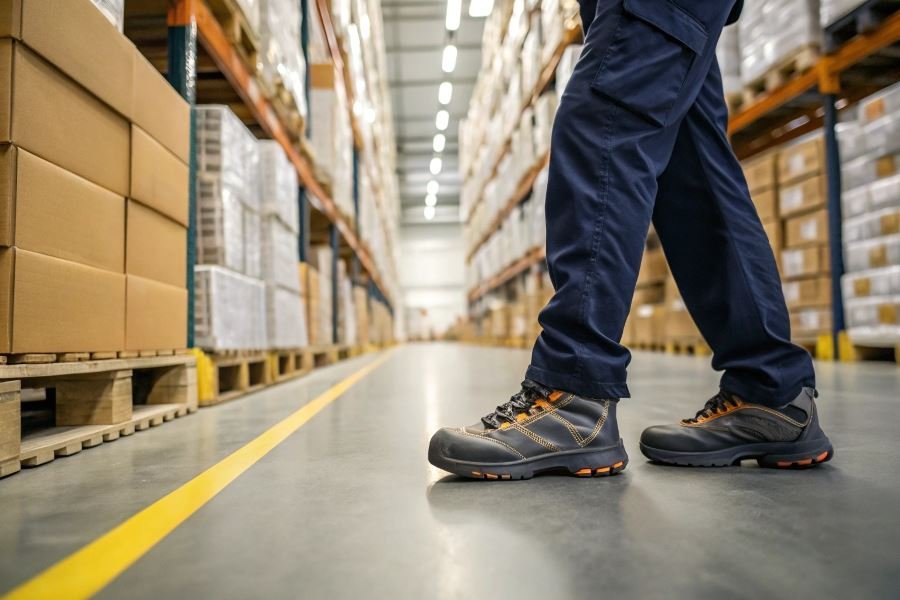
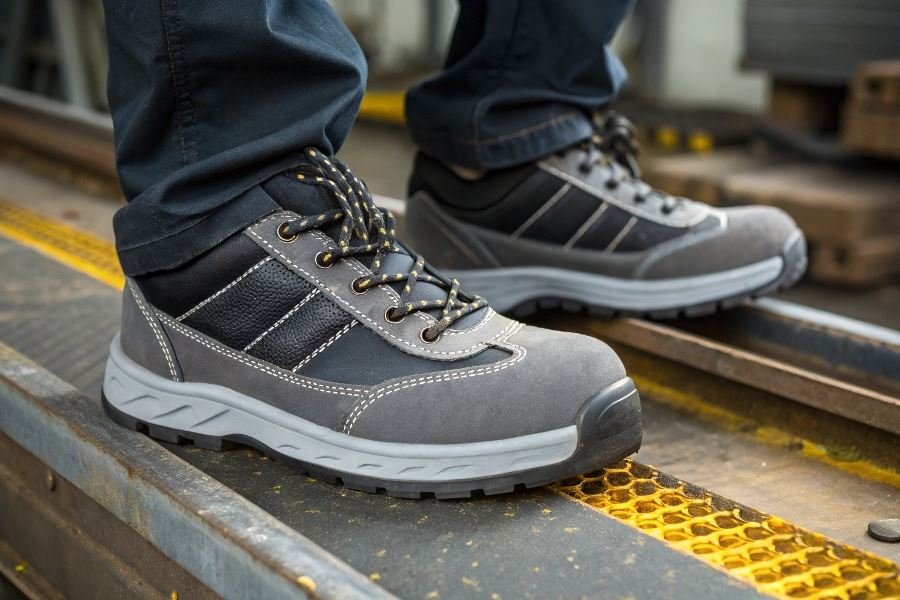
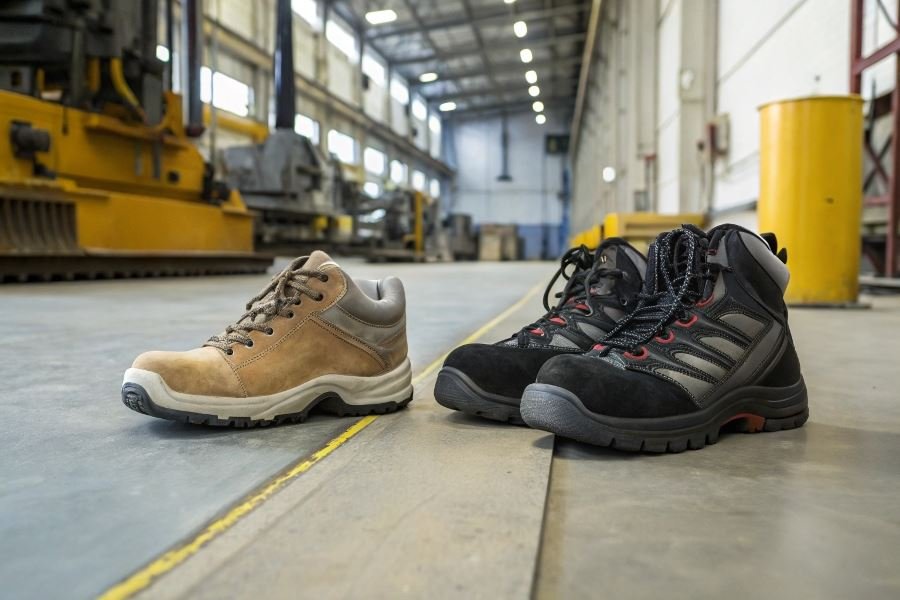
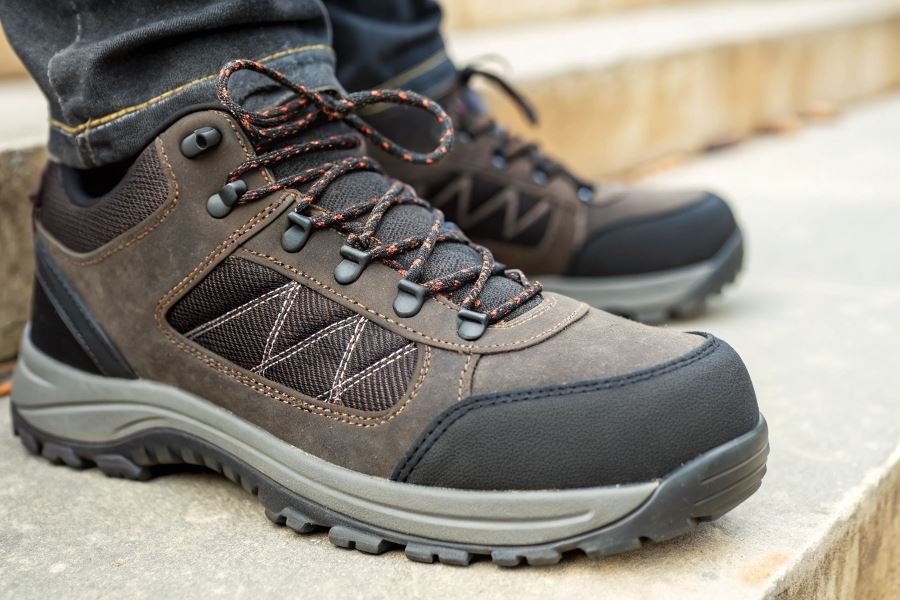
All-season work sneakers represent the footwear industry’s answer to versatility challenges in professional environments. These hybrid designs aim to deliver comfort in July heat waves and reliable traction during January ice storms—all in a single pair. Unlike traditional work boots or casual athletic shoes, all-season work sneakers are engineered specifically for professionals who need consistent performance regardless of weather conditions.
“The right footwear isn’t just about comfort—it’s about productivity, safety, and longevity in demanding work environments.”
The demand for these versatile options has surged by 37% since 2022, driven by professionals seeking efficiency in their gear investments. Construction workers, warehouse staff, healthcare professionals, and retail employees increasingly prioritize footwear that transitions seamlessly between seasons.
When evaluating all-season work sneakers, three factors prove critical:
- Material technology – Look for moisture-wicking, quick-drying fabrics with temperature regulation
- Traction systems – Multi-directional grip patterns that perform on both wet and dry surfaces
- Durability metrics – Construction that withstands both summer heat stress and winter moisture exposure
The all-season work sneaker concept challenges the traditional footwear paradigm, promising a single solution for year-round professional demands. But does the reality match the promise? Let’s explore what makes these versatile options tick—and whether they truly deliver.
Technical Breakthroughs in All-Season Work Footwear
The quest for truly versatile work footwear has accelerated dramatically with recent material science innovations. Engineers and designers have been tackling a seemingly impossible challenge: creating footwear that performs equally well in summer heat, winter frost, spring mud, and autumn rain. The concept of all-season work sneakers: myth or reality has shifted from fantasy to feasible as manufacturers leverage advanced composites and smart design principles to bridge seasonal performance gaps.
Revolutionary Material Combinations
Modern all-season work footwear relies on sophisticated material layering systems that would impress aerospace engineers. The breakthrough came when manufacturers began combining hydrophobic outer layers with moisture-wicking inner materials.
Adaptive textiles now incorporate phase-changing materials (PCMs) that absorb heat when temperatures rise and release it when temperatures drop. Thinsulate insulation provides warmth without bulk, while breathable membranes like Gore-Tex maintain breathability.
The most impressive designs incorporate temperature-responsive polymers that physically change their structure based on environmental conditions.
| Material Innovation | Cold Weather Performance | Hot Weather Performance |
|---|---|---|
| Aerogel insulation | Exceptional thermal barrier | Breathable when compressed |
| Merino wool blends | Natural warmth retention | Moisture-wicking properties |
| Carbon fiber composites | Maintains flexibility in cold | Heat-dissipating properties |
| TPU (Thermoplastic polyurethane) | Remains flexible at low temps | Durable in high heat |
Weather-Resistant Technologies That Actually Work
The effectiveness of weather resistance in work footwear has made remarkable strides. Gone are the days when waterproofing meant sweaty, uncomfortable feet.
Modern all-season work sneakers employ multi-stage protection systems that include:
- Hydrophobic outer treatments that repel water molecules
- Semi-permeable membranes allowing vapor escape while blocking liquid entry
- Sealed seam construction eliminating traditional vulnerability points
Vibram Arctic Grip technology has revolutionized traction on ice without compromising performance on dry surfaces. Meanwhile, vulcanized rubber compounds maintain grip integrity across temperature ranges from -40°F to 120°F.
What truly separates today’s solutions from previous attempts is the integration of these technologies without compromising comfort or adding significant weight.
Durability Across Extreme Conditions
The true test of all-season capability comes in durability performance across dramatically different working environments. Engineers have focused on identifying and reinforcing failure points that traditionally appeared when footwear designed for one season was used in another.
Reinforced flex points now incorporate self-healing polymers that resist cracking in cold while maintaining flexibility in heat. Toe caps made from composite materials like Kevlar provide protection without the thermal conductivity problems of traditional steel.
The most impressive durability advances come from:
- Abrasion-resistant panels strategically placed at high-wear zones
- UV-resistant treatments preventing material degradation in sunny conditions
- Anti-microbial treatments combating odor-causing bacteria that thrive in warm, moist environments
- Chemical-resistant coatings protecting against workplace contaminants regardless of temperature
These technical innovations have transformed what workers can expect from their footwear. While no single shoe can perfectly address every possible condition, the gap between specialized seasonal footwear and truly versatile all-season options continues to narrow through relentless material science advancement and thoughtful engineering.
The Reality Check on All-Season Work Sneakers
Where versatility meets its match
All-season work sneakers represent a compelling middle ground in the footwear spectrum—not a perfect solution for every situation, but remarkably practical for many professionals. The truth? They’re a reality, but one with clear boundaries and limitations worth understanding before you invest.
Most quality all-season work sneakers can handle temperatures between 25°F and 85°F (-4°C to 29°C) effectively, but struggle at the extremes. Timberland PRO and Keen Utility models typically offer this range of performance, with their composite materials providing adequate insulation without excessive heat retention.
The versatility sweet spot: All-season work sneakers perform best in moderate climates with occasional temperature fluctuations, not in regions with extreme seasonal shifts.
The practical applications become clear when we examine specific work environments. Construction supervisors who split time between indoor planning and outdoor site visits find all-season options particularly valuable. Similarly, warehouse managers navigating between climate-controlled storage areas and loading docks benefit from their adaptability.
However, limitations emerge quickly in specialized environments:
- Too cold: Below 20°F (-7°C), even the best all-season options lack sufficient insulation
- Too hot: Above 90°F (32°C), breathability becomes inadequate for all-day comfort
- Too wet: Extended exposure to heavy rain overwhelms water-resistant (not waterproof) designs
The financial equation
When evaluating the cost-benefit proposition of all-season work sneakers, the math becomes interesting:
| Footwear Strategy | Initial Investment | Annual Replacement Cost | Comfort Rating | Specialized Performance |
|---|---|---|---|---|
| All-Season Pair | $140-220 | $140-220 | 7/10 | 6/10 |
| Season-Specific (2 pairs) | $240-360 | $240-360 | 9/10 | 9/10 |
| Budget All-Season | $70-120 | $210-360 (3x replacements) | 5/10 | 4/10 |
The premium all-season models from Red Wing or Wolverine typically last 12-18 months with proper care, while budget options might need replacement every 4-6 months under similar conditions.
Finding your perfect match
For professionals seeking truly versatile work sneakers, these recommendations can guide your selection:
- Prioritize composite toe protection over steel for better temperature regulation across seasons
- Invest in moisture-wicking liners that manage both sweat and external moisture
- Look for multi-directional tread patterns that perform on both wet surfaces and loose terrain
- Consider slightly oversized fits (½ size up) to accommodate thicker socks during colder periods
The most successful all-season adopters typically work in environments with controlled indoor spaces and moderate outdoor exposure. Delivery professionals, facility managers, and general contractors report the highest satisfaction with these versatile options.
Bottom line: All-season work sneakers deliver on their promise—with limitations. They represent an intelligent compromise for professionals who need adaptability without extreme performance demands. For those working in moderate conditions with occasional environmental changes, they’re not just real—they’re really practical.
Discover if all-season work sneakers truly deliver year-round protection and comfort. Our expert analysis examines innovative materials, weather-resistant technologies, and durability factors to determine if these versatile footwear options are worth your investment.
Discover if all-season work sneakers truly deliver year-round protection and comfort. Our expert analysis examines innovative materials, weather-resistant technologies, and durability factors to determine if these versatile footwear options are worth your investment.