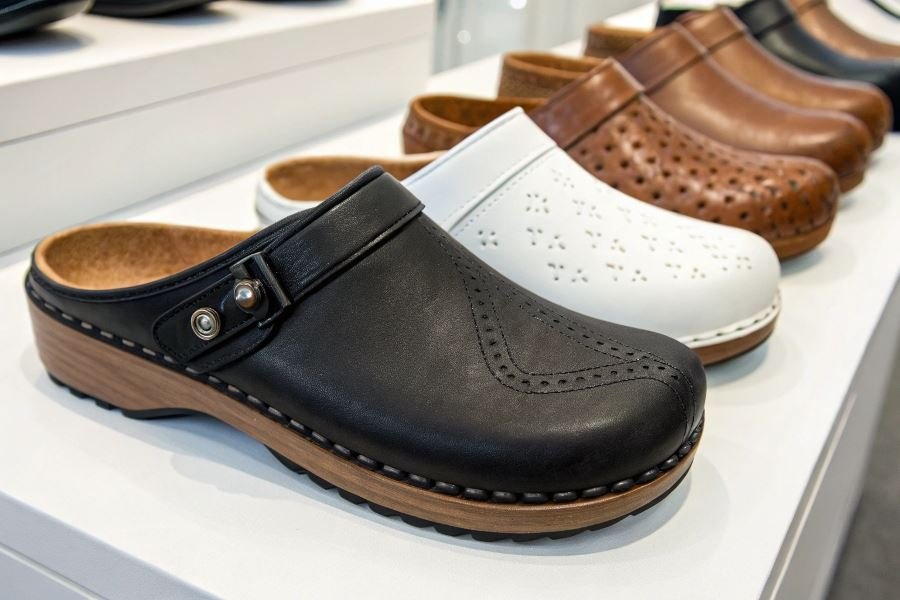
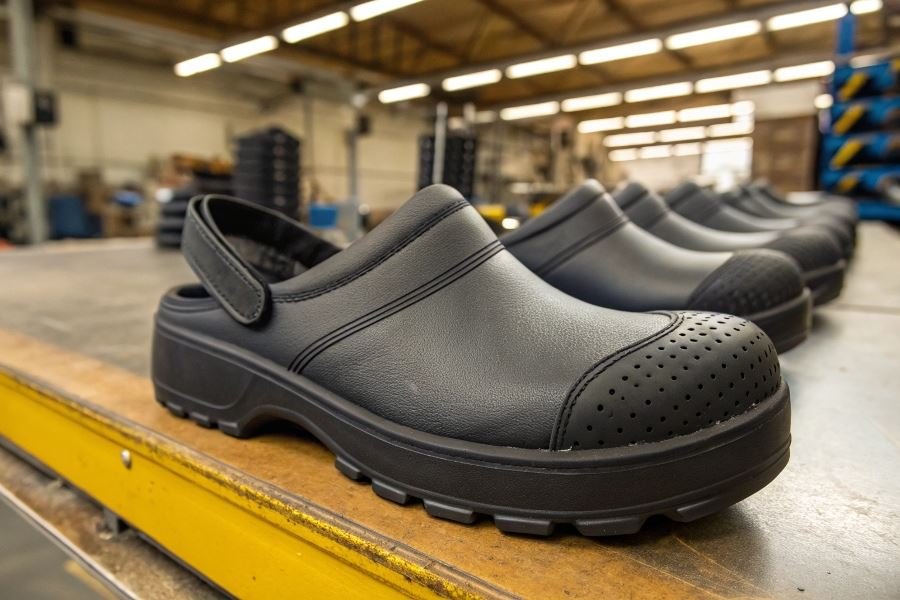
Ever wondered why some professionals seem unfazed after 12-hour shifts while others limp home in agony? The secret often lies beneath them—literally. The right pair of clogs can be the difference between career longevity and chronic pain for those who stand for hours on end.
For professionals who spend their days on their feet—whether in healthcare, culinary arts, or retail—footwear isn’t just an accessory; it’s essential protective equipment. Studies from the American Podiatric Medical Association reveal that 77% of Americans experience foot pain, with workplace standing being a primary culprit. The right clogs don’t just offer comfort—they’re a critical investment in your occupational health.
Quality clogs work silently to prevent a cascade of common foot problems. The biomechanical support they provide distributes weight evenly, reducing pressure points that lead to plantar fasciitis. Their shock-absorbing properties protect against heel spurs, while proper arch support prevents the collapse that causes flat feet and subsequent knee and back issues. Think of premium clogs as your personal foundation—when they’re solid, everything above them benefits.
When selecting clogs for extended standing, three factors reign supreme:
- Support architecture: Look for contoured footbeds that cradle your arch and heel
- Material composition: Breathable uppers prevent moisture buildup, while resilient soles absorb impact
- Fit precision: Too loose causes instability; too tight restricts circulation—both critical during long shifts
Remember: your feet carry you through your career. Investing in proper clogs isn’t an expense—it’s protection for your most valuable professional asset.
Essential Features for Standing-Work Clogs
When your job demands hours on your feet, the right footwear becomes your most valuable asset. Professional clogs designed for extended standing aren’t just shoes—they’re specialized tools engineered to protect your body from the cumulative stress of gravity.
Selecting which clogs to choose for long hours of standing work requires understanding the critical features that separate ordinary footwear from true professional-grade support. Healthcare workers, chefs, retail employees, and others who spend 8+ hours upright know that this decision directly impacts their physical wellbeing and career longevity.
Ergonomic Design and Arch Support
The foundation of any quality standing-work clog is its ergonomic architecture. Proper arch support distributes weight evenly across your foot, preventing the collapse that leads to plantar fasciitis and other painful conditions.
Look for:
- Contoured footbeds that mirror natural foot anatomy
- Deep heel cups that stabilize the rear foot
- Metatarsal ridges that support the mid-foot during weight shifts
The difference between basic and advanced arch support becomes apparent after hour six of your shift, when inferior shoes have surrendered to fatigue.
Premium brands like Dansko and Birkenstock incorporate orthopedic principles into their designs, with footbeds that maintain their supportive structure even after thousands of hours of use.
Material Quality and Durability
The materials used in professional clogs determine both comfort and lifespan. High-quality clogs represent an investment that pays dividends through multiple years of service.
| Material | Benefits | Considerations |
|---|---|---|
| Full-grain leather | Breathable, molds to foot, professional appearance | Requires occasional conditioning |
| EVA (ethylene-vinyl acetate) | Lightweight, washable, shock-absorbing | Less formal appearance |
| TPU (thermoplastic polyurethane) | Exceptional durability, chemical resistant | Less breathable than natural materials |
| Cork | Natural shock absorption, antimicrobial | Must be protected from excessive moisture |
Premium construction techniques like double-stitching and reinforced stress points separate professional-grade clogs from casual options. Many standing professionals find that spending $120-180 on quality clogs ultimately costs less than replacing $60 pairs multiple times per year.
Weight, Slip Resistance, and Shock Absorption
The physical properties of your clogs directly impact fatigue levels and safety throughout long shifts.
Weight considerations: While substantial clogs offer stability, excessive weight accelerates fatigue. The ideal balance provides structure without unnecessary mass. Crocs Professional models achieve this balance through strategic material placement.
Slip resistance becomes non-negotiable in environments with potential floor hazards. Look for:
- Outsoles with siping (thin slits that channel liquids away)
- Rubber compounds specifically formulated for wet surfaces
- Tread patterns designed for multi-directional grip
Shock absorption capabilities determine how much impact stress reaches your joints. Advanced clogs incorporate:
- Dual-density midsoles that absorb initial impact
- Rocker bottoms that promote natural walking motion
- Heel-to-toe drop measurements that reduce Achilles strain
The cumulative effect of these features transforms standing from an endurance test into a sustainable activity, allowing professionals to focus on their work rather than their discomfort.
Professional Clogs That Keep You Standing Strong
When your workday demands hours on your feet, the right footwear isn’t just a comfort choice—it’s a career investment. Professional clogs have evolved from simple wooden shoes to sophisticated ergonomic marvels designed for specific workplace demands. Let’s explore the top three professional clog categories engineered for those who stand all day.
Medical Clogs That Go the Distance
Healthcare professionals routinely log 12+ hour shifts on unforgiving hospital floors. Medical clogs have responded with designs that prioritize both comfort and practicality.
Key features of top medical clogs:
- Closed backs for OSHA compliance and enhanced stability
- Slip-resistant outsoles that perform on wet surfaces
- Antimicrobial treatments to combat healthcare environments
- Lightweight construction (typically 8-12 oz per shoe)
- Removable footbeds for orthotic compatibility
Dansko Professional clogs remain the gold standard with their rocker bottom design that propels your stride forward. Meanwhile, Sanita offers handcrafted options with anatomically contoured footbeds that distribute weight evenly across the foot.
“The difference between a good medical clog and a great one becomes apparent around hour 10 of your shift when your feet still feel supported rather than screaming for relief.”
Kitchen Clogs That Can Take the Heat
Culinary professionals face unique challenges: greasy floors, spills, extreme temperatures, and constant movement.
Essential kitchen clog attributes:
- Oil and slip-resistant outsoles (minimum 0.5 coefficient of friction)
- Water-resistant uppers that clean easily
- Enhanced arch support for concrete floor endurance
- Protective toe boxes against falling objects
- Heat-resistant materials
| Clog Feature | Why It Matters in Kitchens |
|---|---|
| Raised heel | Keeps feet dry when floors are wet |
| Side ventilation | Manages heat in hot environments |
| Quick-release straps | Easy to remove if liquids penetrate |
| Shock absorption | Reduces impact on tile/concrete surfaces |
Birkenstock Professional offers their polyurethane kitchen models that weigh just 10 ounces yet provide exceptional shock absorption. Crocs Bistro models feature enclosed toe designs and heel straps that convert from slip-on to secured fit when kitchen pace intensifies.
Workshop Clogs Built for Industrial Demands
Industrial settings demand footwear that balances comfort with serious protection against workplace hazards.
Workshop clog must-haves:
- ASTM-certified safety toes (withstanding 75 lbs of impact)
- Electrical hazard protection (minimum 14,000 volts resistance)
- Chemical-resistant materials
- Metatarsal guards in high-risk environments
- Enhanced traction patterns for varied surfaces
Workshop professionals should consider Keen Utility models that combine athletic shoe comfort with industrial-grade protection. Their asymmetrical safety toes provide a roomier fit while maintaining ASTM standards. For environments with chemical exposure, Sika Footwear offers polyurethane clogs that resist degradation from oils and solvents.
Material matters: While traditional wooden clogs offer excellent support, modern composite materials provide the ideal balance of weight (typically 30% lighter than steel-toe alternatives) and protection without sacrificing all-day comfort.
The right professional clog doesn’t just prevent discomfort—it actively contributes to productivity and career longevity by reducing fatigue and preventing common foot ailments that plague standing professionals.
Discover the best ergonomic clogs for professionals who stand all day. Learn key features for maximum comfort, support, and durability across healthcare, culinary, and industrial settings to prevent foot pain and fatigue.
Discover the best ergonomic clogs for professionals who stand all day. Learn key features for maximum comfort, support, and durability across healthcare, culinary, and industrial settings to prevent foot pain and fatigue.