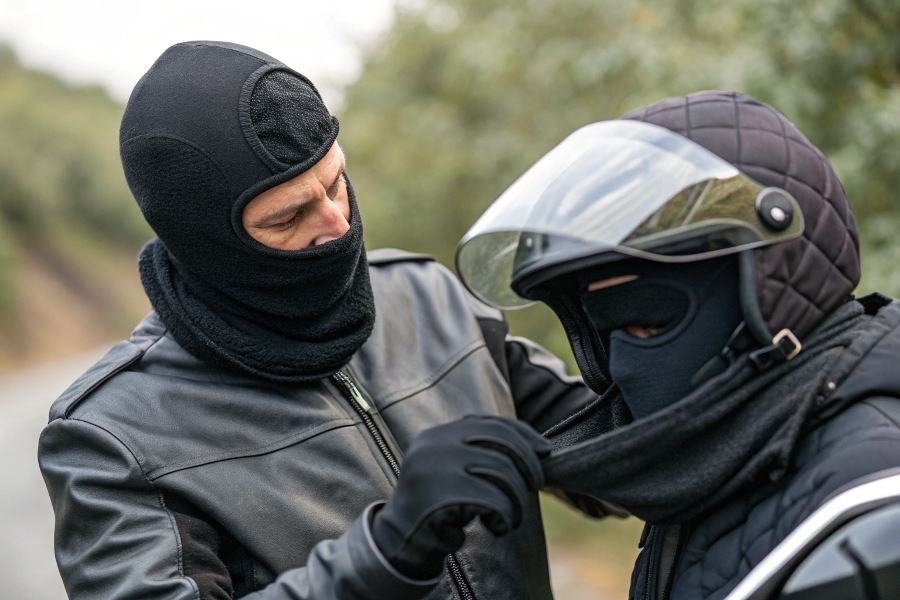
Ever wondered why some outdoor enthusiasts seem perfectly comfortable in freezing conditions while others struggle? The humble balaclava—that distinctive head covering that leaves only part of your face exposed—might be the unsung hero of their comfort.
Balaclavas have undergone a remarkable transformation since British troops first wore them during the Crimean War in 1854 (named after the Battle of Balaclava). What began as basic wool protection has evolved into sophisticated gear engineered for specific seasonal challenges. Today’s winter and summer balaclavas represent two distinct branches of this evolution, each designed to address unique environmental demands.
At their core, balaclavas serve a fundamental purpose: protecting your most vulnerable facial areas from extreme elements. Winter versions prioritize insulation and wind resistance, typically constructed from thicker materials like merino wool or synthetic thermal fabrics. Summer variants, by contrast, focus on breathability and UV protection, often incorporating moisture-wicking technology and lightweight, cooling fabrics.
The distinction matters tremendously. Wearing a heavy winter balaclava during summer activities can lead to overheating and excessive sweating, while a thin summer version in freezing conditions offers inadequate protection. The right seasonal choice doesn’t just enhance comfort—it can be crucial for preventing cold-related injuries like frostbite or heat-related conditions like heat exhaustion.
Understanding these seasonal variations isn’t just about comfort—it’s about optimizing your outdoor experience regardless of temperature extremes.
The Science Behind Seasonal Balaclavas: Material, Design, and Function
When selecting the perfect face protection for outdoor activities, understanding the fundamental differences between winter and summer balaclavas can dramatically impact your comfort and performance. The distinction goes far beyond simple temperature ratings—it’s a sophisticated interplay of materials, construction techniques, and specialized features.
Choosing between winter and summer balaclavas requires careful consideration of your specific environmental challenges and activity levels. Winter versions prioritize thermal retention and wind blocking, while summer models focus on breathability and moisture management. This essential difference drives every aspect of their design and functionality.
Material Matters: Thermal Retention vs Breathability
Winter balaclavas typically feature dense, insulating fabrics like merino wool, fleece, or thermal synthetics with impressive R-values. Premium models from brands like Arc’teryx incorporate multi-layer constructions with windproof membranes sandwiched between moisture-wicking inner layers and insulating outer shells.
Summer variants prioritize entirely different material properties:
- Lightweight polyester blends (often under 150g/m²)
- Mesh panels strategically placed for ventilation
- UPF-rated fabrics offering sun protection values of 30-50+
- Antimicrobial treatments to manage odor during prolonged wear
Structural Engineering for Seasonal Performance
| Feature | Winter Balaclava | Summer Balaclava |
|---|---|---|
| Thickness | 2-5mm | 0.5-1.5mm |
| Coverage | Full face, extended neck | Minimalist, modular design |
| Seam Construction | Flatlock, sealed | Minimal, strategically placed |
| Weight | 80-150g | 30-70g |
Winter models employ articulated paneling that creates dead air spaces for improved insulation. Their structure often includes reinforced nose bridges and breathing ports designed to prevent fogging of goggles while maintaining warmth.
Summer designs feature dramatically different architectural approaches with strategic ventilation zones and convertible configurations that allow quick adaptation to changing conditions. Many incorporate laser-cut perforation patterns that maximize airflow while maintaining structural integrity.
Performance Features: Season-Specific Technology
Winter balaclavas incorporate specialized performance elements:
- Wind-resistant membranes with ratings of 20,000+ mm water column
- Moisture vapor transmission rates exceeding 15,000g/m²/24hrs
- Thermal reflection technology that returns body heat
- Integrated neck gaiters that seal against drafts
Summer models counter with their own technical innovations:
- Evaporative cooling zones that leverage perspiration
- UV protection preventing sunburn on exposed skin
- Quick-dry fabrics that can shed moisture in under 30 minutes
- Anti-chafing constructions for all-day comfort
The most advanced balaclavas now incorporate phase-change materials that actively respond to body temperature, providing cooling effects when you’re hot and insulation when temperatures drop—though these technological marvels typically command premium prices starting at $50.
When selecting your ideal balaclava, prioritize the specific environmental challenges you’ll face rather than simply choosing by season. The perfect balaclava is the one engineered to address your particular combination of temperature, activity level, and exposure duration.
Your Ultimate Balaclava Buying Guide: Winter vs Summer Selection
When selecting between winter and summer balaclavas, understanding your specific activity needs transforms a simple purchase into a strategic investment. Let’s dive into the practical considerations that will ensure you’re properly equipped for whatever adventure awaits.
Activity-Specific Selection Criteria
Skiing and Winter Sports
Winter balaclavas for skiing require exceptional thermal retention while managing moisture from exertion. Look for models with breathable panels near the mouth and nose, combined with windproof materials across the forehead and cheeks. The Burton AK series exemplifies this balance with their strategically placed ventilation zones while maintaining crucial warmth.
Motorcycling Requirements
Motorcyclists face unique challenges—wind resistance at speed, temperature regulation, and helmet compatibility. Summer riders need maximum ventilation and moisture-wicking properties, while winter riders prioritize windproofing without bulk. The RevZilla collection offers specialized options with flat seams designed specifically for helmet comfort and extended neck coverage for wind protection.
Tactical and Professional Use
For tactical applications, durability and functionality trump all other considerations. Fire-resistant materials like Nomex become essential for professional users, while quick-drying properties matter for extended deployment. 5.11 Tactical produces balaclavas with reinforced stitching at stress points and specialized fabric treatments for durability in harsh conditions.
Top Features to Prioritize
Winter Balaclava Must-Haves
- Thermal Insulation – Look for Thinsulate or merino wool with at least 200g weight rating
- Windproofing Technology – Seek out windproof membranes with at least 20,000mm water resistance rating
- Moisture Management – Prioritize dual-layer construction with hydrophobic outer layer and wicking inner layer
Summer Balaclava Essentials
- UV Protection – Minimum UPF 30 rating for adequate sun protection
- Ventilation Design – Mesh panels strategically placed at heat zones
- Ultra-lightweight Construction – Under 2oz total weight for all-day comfort
Maintenance and Longevity Factors
The lifespan of your balaclava depends significantly on proper care. Winter models with technical fabrics require gentle washing to preserve thermal properties and water-resistant treatments. Most quality winter balaclavas can withstand 50-75 washes before significant performance degradation.
Summer balaclavas typically endure more frequent washing due to sweat accumulation. Look for models with antimicrobial treatments like silver ions that reduce odor between washes and extend functional life.
| Balaclava Type | Washing Frequency | Expected Lifespan | Storage Requirements |
|---|---|---|---|
| Winter Thermal | After 5-7 uses | 3-5 seasons | Dry, uncompressed |
| Summer UV | After 1-3 uses | 2-3 seasons | Cool, dry location |
| Tactical | As needed | 5+ years | Flat storage |
Material degradation factors vary significantly between seasonal types. Winter balaclavas lose insulation efficiency through compression and washing, while summer models typically fail at seams first due to salt accumulation from sweat.
The most expensive balaclava isn’t necessarily the best—the one that precisely matches your activity requirements will always deliver superior performance.
By selecting the right seasonal balaclava with features aligned to your specific activities, you’ll ensure comfort, protection, and value that extends far beyond the initial purchase.
Discover the essential differences between winter and summer balaclavas, from materials to design features. Learn how to select the perfect seasonal face protection for your specific activities, whether skiing, motorcycling, or tactical operations.
Discover the essential differences between winter and summer balaclavas, from materials to design features. Learn how to select the perfect seasonal face protection for your specific activities, whether skiing, motorcycling, or tactical operations.