Ever noticed how the right jacket can make the difference between a productive workday and eight hours of miserable discomfort? For professionals who brave the elements daily, this isn’t just about fashion—it’s about functionality, safety, and performance.
When selecting workwear that stands up to seasonal challenges, you’re making an investment in both productivity and personal wellbeing. The perfect work jacket serves as your first line of defense against environmental hazards while maintaining comfort throughout shifting weather conditions.
The safety-comfort connection
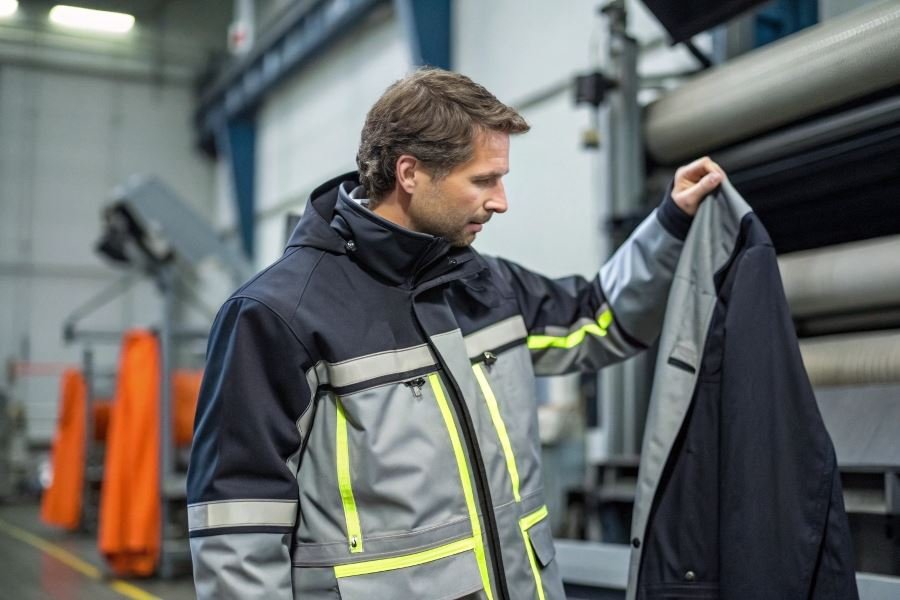
Work jackets aren’t merely about staying warm or dry—they’re engineered protective equipment. Quality workwear prevents hypothermia in winter conditions, reduces heat stress during warmer months, and provides visibility in low-light environments. The correlation between proper attire and workplace accident reduction is striking: studies show appropriate seasonal workwear can reduce cold-related injuries by up to 30%.
Decision drivers for seasonal selection
Several critical factors should guide your work jacket decisions:
- Temperature regulation capabilities that match your environment
- Material durability appropriate for your industry’s demands
- Moisture management features aligned with precipitation patterns
- Mobility requirements specific to your daily tasks
- Compliance with industry safety standards
The seasonal workwear challenge
Each season presents unique demands. Winter requires insulation without bulk, spring demands breathability with water resistance, summer calls for ventilation with sun protection, and fall necessitates adaptable layering options. The most effective work jackets address these seasonal transitions while maintaining consistent protection against industry-specific hazards.
Material Matters: Choosing Work Jackets for Every Season
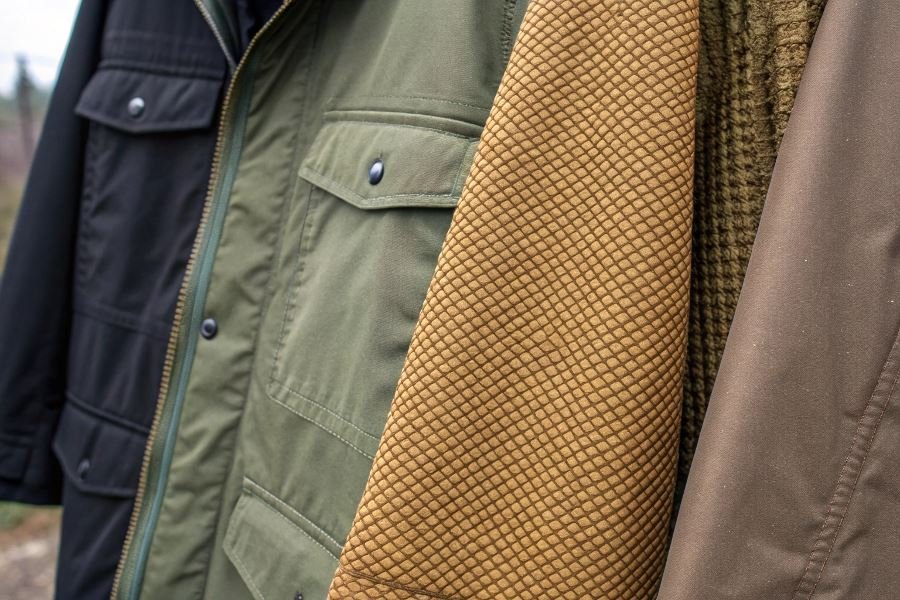
When selecting workwear that stands up to the elements while keeping you comfortable, understanding the interplay between materials, construction, and seasonal demands becomes critical. The right work jacket isn’t just about durability—it’s about creating the optimal microclimate for your body across changing weather conditions.
Knowing how to choose a work jacket for different seasons requires understanding both technical fabrics and construction methods that serve specific environmental challenges. The best jackets balance protection, comfort, and functionality through thoughtful design choices that respond to temperature, precipitation, and activity levels.
Winter Warriors: Insulation and Weather Barriers
Winter work jackets demand serious thermal protection without sacrificing mobility. The insulation hierarchy matters tremendously:
- Synthetic insulation (like Thinsulate or PrimaLoft) maintains warmth even when wet and dries quickly
- Down insulation offers superior warmth-to-weight ratio but requires proper weatherproofing
- Wool blends provide natural temperature regulation and fire resistance
The outer shell material creates your first defense against winter’s assault:
| Shell Material | Weather Resistance | Durability | Weight |
|---|---|---|---|
| Ripstop nylon | Moderate | High | Light |
| Canvas duck | Low (needs treatment) | Very high | Heavy |
| GORE-TEX | Excellent | Good | Medium |
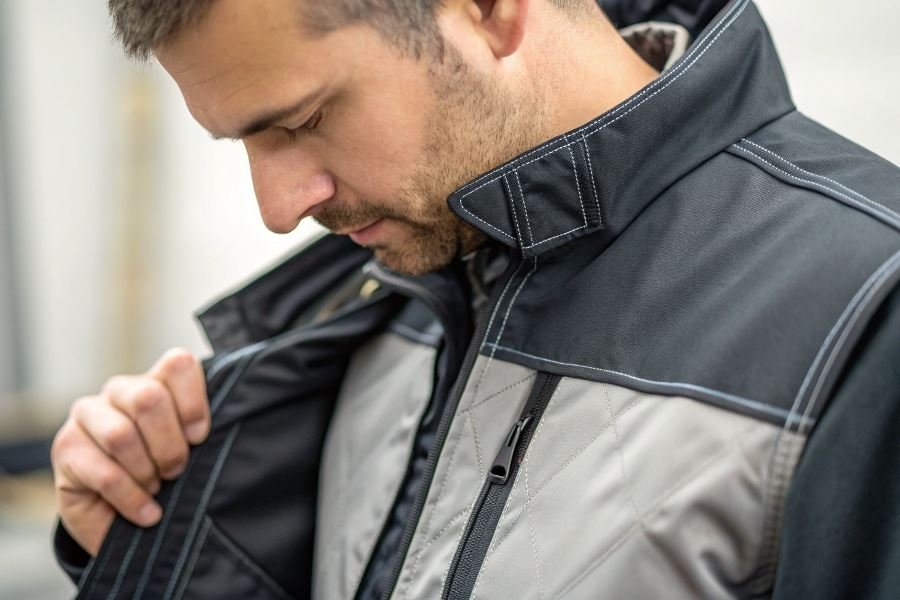
Look for reinforced seams with taped or welded construction that prevent wind penetration. Critical winter features include storm flaps over zippers, adjustable cuffs, and extended back panels that prevent cold air infiltration when bending.
Transition Champions: Spring and Fall Flexibility
The shoulder seasons demand versatility above all else. Spring and fall work jackets should facilitate easy layering while providing moderate weather protection.
The best transitional jackets incorporate modular designs—removable liners, convertible sleeves, or adjustable ventilation systems that adapt to temperature fluctuations.
Key considerations include:
- Water resistance through DWR (Durable Water Repellent) treatments
- Wind-blocking membranes that still allow moisture vapor to escape
- Strategic stretch panels at shoulders and elbows for unrestricted movement
Soft shell jackets excel during these seasons, offering the perfect balance of protection and breathability without the bulk of winter options.
Summer Solutions: Ventilation and Lightweight Protection
Summer work jackets prioritize heat management while maintaining necessary protection. The focus shifts to:
- Breathable fabrics like mesh-lined cotton, performance polyester, or technical blends
- Ventilation systems including underarm zippers, back vents, and perforated panels
- UPF-rated materials that block harmful UV rays during extended outdoor work
The ideal summer work jacket weighs under 12 ounces and packs down small when not needed. Look for moisture-wicking properties that pull sweat away from your skin, preventing the clammy feeling that reduces comfort and productivity.
Construction details matter significantly in hot conditions—raglan sleeves prevent chafing, gusseted underarms improve range of motion, and strategic mesh panels promote airflow without compromising durability in high-wear areas.
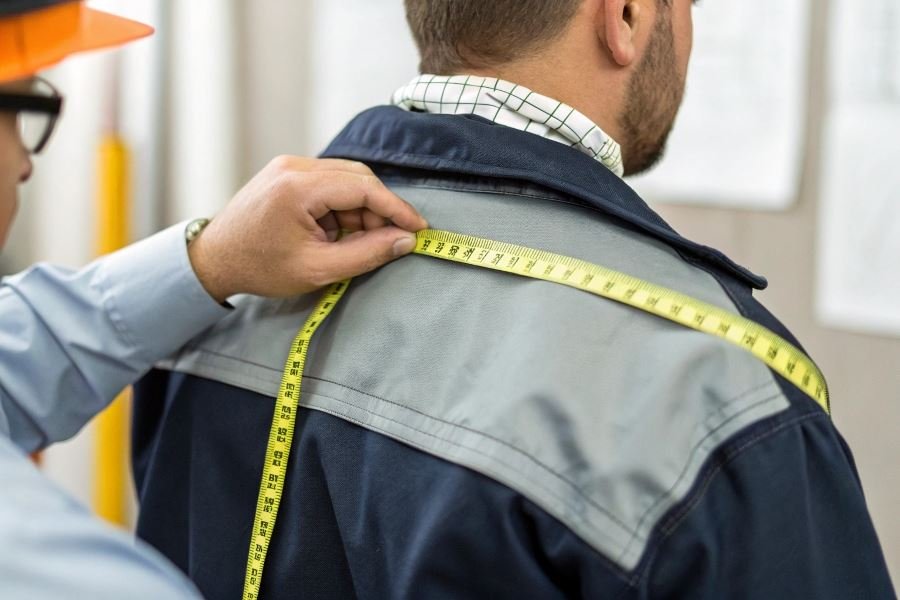
Remember that regardless of season, a properly fitted work jacket should allow full range of motion with arms extended forward and overhead without riding up at the waist or binding at the shoulders—the ultimate test of functional design.
Making the Final Decision on Your Work Jacket
Selecting the perfect work jacket isn’t just about surviving the elements—it’s about thriving in them. After exploring options for every season, it’s time to make that final, informed decision that balances protection, comfort, and longevity.
The durability-comfort-protection triangle
The ideal work jacket sits at the intersection of three critical factors. Durability ensures your investment withstands daily abuse, while comfort keeps you productive through long shifts. Seasonal protection addresses the specific environmental challenges you face.
This balance looks different for everyone. A construction worker in Minnesota needs to prioritize cold protection and abrasion resistance, while a warehouse manager in Texas might value breathability and moderate weather protection.
The most expensive jacket isn’t always the best—the right jacket is the one that solves your specific workplace challenges.
Consider creating a simple decision matrix: rate your needs for durability, comfort, and seasonal protection on a scale of 1-10. The highest combined score that meets your minimum requirements in each category points to your optimal choice.
Extending your jacket’s lifespan
Even the toughest work jackets need proper care to deliver maximum value. These maintenance practices dramatically extend service life across all seasons:
- Seasonal storage: Clean thoroughly before storing off-season jackets in breathable garment bags with cedar blocks to prevent moisture and pest damage
- Proactive repairs: Address small tears or broken zippers immediately—they compound quickly in work environments
- Material-specific cleaning: Follow manufacturer guidelines religiously; Carhartt jackets need different care than Dickies or Milwaukee heated options
For technical jackets with special features, maintenance becomes even more crucial. Waterproof membranes need periodic reapplication of DWR (Durable Water Repellent) treatments, while heated jackets require battery maintenance during off-seasons.
Building your year-round collection
Approaching work jackets as a system rather than individual purchases often delivers better value. Consider this strategic approach:
| Season | Core Jacket | Supplemental Layer | Approximate Investment |
|---|---|---|---|
| Winter | Insulated heavy-duty | Heated vest | $180-350 |
| Spring/Fall | Medium-weight shell | Removable liner | $120-200 |
| Summer | Lightweight ventilated | Cooling vest | $80-150 |
This systematic approach might require $400-700 initially, but delivers several advantages:
- Extended usefulness: Each piece works in multiple combinations
- Reduced daily wear: Rotating jackets prevents any single piece from deteriorating quickly
- Adaptability: Layer combinations handle unexpected weather shifts
For those with budget constraints, prioritize the season that presents the greatest workplace challenges. A quality winter jacket with removable layers often provides the most versatility for your initial investment.
Remember that true value comes from performance divided by cost over time. A 200jacketlastingfouryears(50/year) delivers better value than a 100jacketneedingreplacementafter18months(67/year)—while keeping you more comfortable and protected throughout.
The perfect work jacket isn’t just equipment—it’s a daily companion that enables your best work in challenging conditions. Choose wisely.
Discover how to select the perfect work jacket for every season with our comprehensive guide covering insulation types, weatherproofing, breathable fabrics, and durability features that keep you comfortable and protected year-round.
Discover how to select the perfect work jacket for every season with our comprehensive guide covering insulation types, weatherproofing, breathable fabrics, and durability features that keep you comfortable and protected year-round.