Ever wondered why some professionals seem to move with effortless confidence through hazardous environments? The secret might be hanging in their locker. Proper work jackets aren’t just equipment—they’re performance multipliers, creating a critical edge in industries where precision and protection intersect.
When selecting work jackets across different industries, we’re witnessing a fundamental shift from mere compliance to strategic advantage. The right protective outerwear doesn’t just shield workers from immediate dangers; it dramatically enhances productivity by eliminating distractions and physical limitations that plague inadequate gear.
Industry standards for protective outerwear vary dramatically across sectors. Construction demands impact resistance and high visibility, while chemical processing requires specialized material barriers against specific compounds. The difference between standard and industry-specific protection can literally be life-altering—with OSHA reporting that proper PPE could prevent thousands of workplace injuries annually.
The selection trinity: Environment, movement, and duration
Three critical factors should guide your work jacket selection:
- Environmental exposure – Temperature extremes, chemical hazards, fire risks, and weather conditions dictate specialized protection requirements
- Movement demands – Tasks requiring extensive reaching, bending, or precision work need jackets with strategic flexibility points
- Wear duration – Comfort features become increasingly critical as shift length increases
“The best work jacket is the one workers actually want to wear. Compliance without comfort creates dangerous shortcuts.” – National Safety Council
When evaluating options, remember that material technology has advanced dramatically. Today’s high-performance fabrics offer protection without the bulk and discomfort that once made workers reluctant to wear proper gear—creating protection that feels like an advantage rather than an obligation.
Essential Features of Work Jackets: Industry-Specific Selection Guide
When safety meets functionality, the right work jacket becomes more than just protective gear—it becomes a critical tool for professional success. Selecting appropriate workwear requires understanding the unique demands of each industry environment, from extreme weather conditions to specific hazards.
The process of identifying work jackets for various industries: features of selection should be approached methodically, with careful consideration of both regulatory requirements and practical needs. A jacket that excels in a construction site might prove dangerously inadequate in a chemical plant, while service industry requirements prioritize entirely different characteristics.
Construction and Outdoor Trades
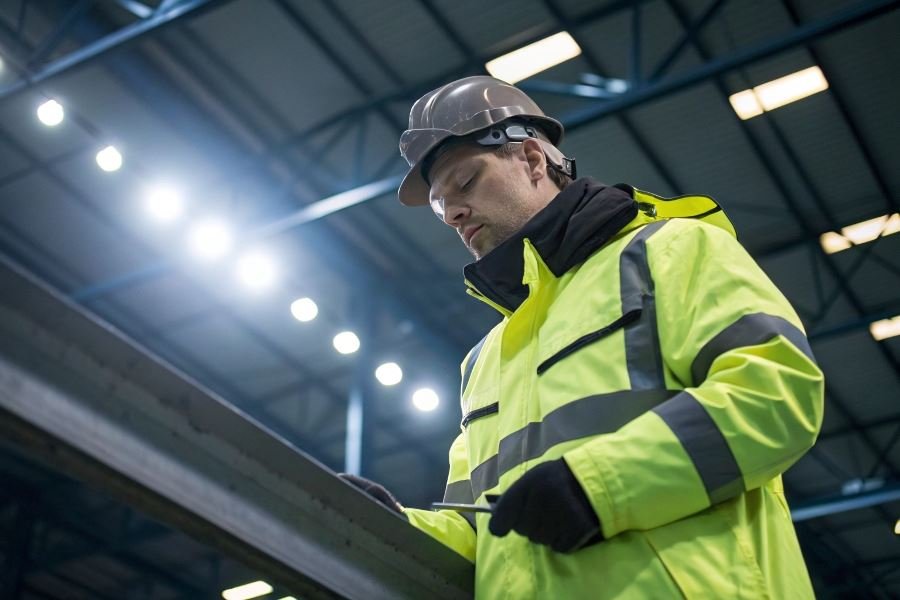
Weather resistance stands as the cornerstone requirement for construction workers. Modern jackets incorporate breathable waterproof membranes that prevent moisture penetration while allowing sweat vapor to escape.
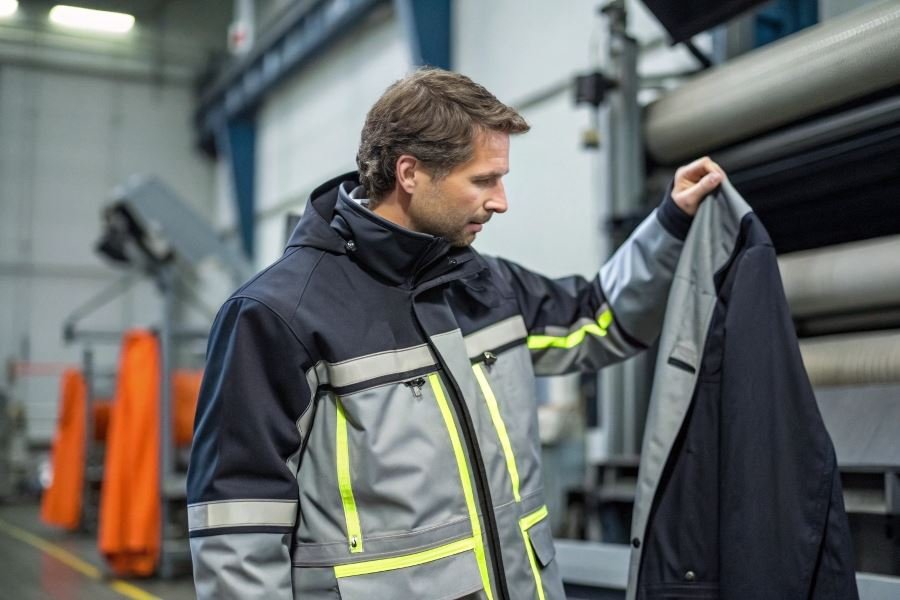
High-visibility elements become non-negotiable when working near roadways or heavy machinery. Class 2 and Class 3 visibility ratings indicate reflective material coverage that can mean the difference between safety and disaster during low-light conditions.
Durability features to look for include:
| Feature | Benefit | Industry Application |
|---|---|---|
| Ripstop fabric | Prevents tears from spreading | Carpentry, framing |
| Reinforced elbows | Extends garment life | Masonry, concrete work |
| YKK zippers | Reliable function in dirty conditions | All construction trades |
| CORDURA® overlays | Abrasion resistance | Roofing, excavation |
The best construction jackets incorporate multiple tool pockets and hammer loops, eliminating the need to constantly access toolbelts when working at heights.
Manufacturing and Industrial Settings
In manufacturing environments, flame resistance becomes paramount. FR-rated jackets meeting NFPA 2112 standards protect workers from flash fires and electrical arc hazards. Carhartt and Bulwark lead the industry with garments that maintain FR properties even after multiple washings.
Chemical protection requires specialized materials:
- Tychem fabrics for strong acid/base exposure
- Nomex for heat and flame resistance
- PVC-coated materials for oil and petroleum environments
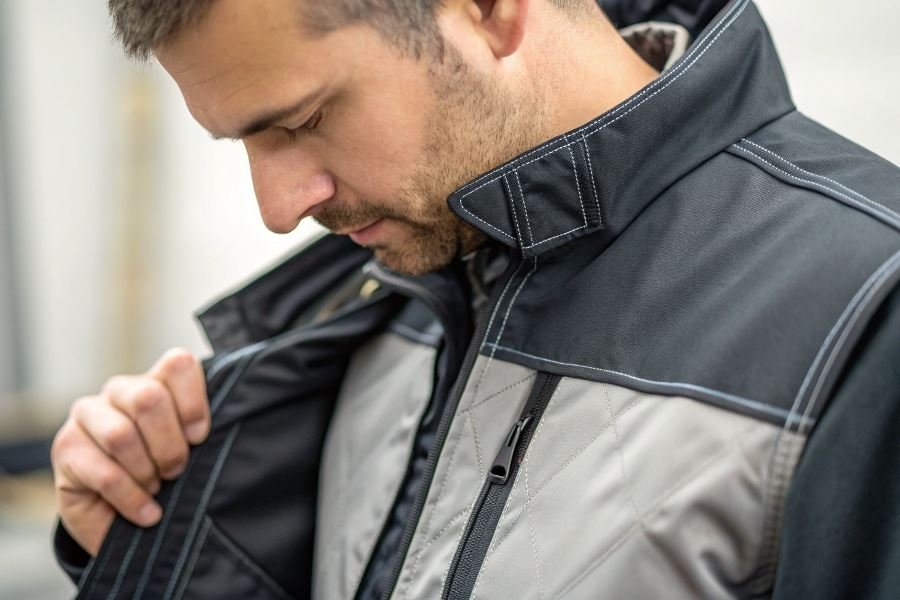
Mobility considerations cannot be overlooked in industrial settings. Gusseted underarms and bi-swing back designs allow for reaching overhead without jacket ride-up—critical when operating machinery or accessing elevated controls.
Service and Specialty Industries
Service industry jackets prioritize professional appearance while maintaining functionality. Restaurant kitchens require heat resistance and stain-repellent finishes, while delivery services need weather protection combined with freedom of movement.
Branding opportunities transform work jackets into marketing tools. High-quality embroidery or heat-transfer logos on chest pockets create walking advertisements while fostering team identity.
Functional design elements for service industries include:
- Microphone clips for security personnel
- RFID-blocking pockets for courier services
- Ventilation panels for kitchen staff
- Antimicrobial treatments for healthcare workers
The hospitality sector benefits from jackets with convertible features—removable sleeves or liners that adapt to changing indoor/outdoor responsibilities throughout a shift.
When selecting work jackets across any industry, remember that compliance with safety standards should never compromise comfort. The best jacket becomes ineffective if workers find reasons not to wear it. Investing in quality workwear ultimately protects both your team and your bottom line through reduced injuries and increased productivity.
Maximizing Your Work Jacket Investment
The true cost of quality protection
When selecting work jackets for industrial environments, the initial price tag tells only part of the story. Premium work jackets from brands like Carhartt or Dickies might command $150-300 upfront, but their cost-per-wear often proves more economical than budget alternatives priced at $50-75. The mathematics is straightforward: a quality jacket lasting 3-5 years in harsh conditions delivers greater value than replacing cheaper options annually.
Investment considerations extend beyond durability alone. Productivity gains from proper protection, reduced workplace injuries, and employee satisfaction all contribute to the ROI equation. Companies implementing quality uniform programs report measurable improvements in team cohesion and professional image—benefits difficult to quantify but impossible to ignore.
The most expensive jacket is the one that fails when you need it most.
Smart procurement strategies include seasonal purchasing (taking advantage of off-season discounts), bulk ordering, and exploring manufacturer partnerships for customization without premium pricing.
Extending jacket lifespan through proper care
The difference between a work jacket lasting one season versus five often comes down to maintenance protocols. Industry-specific care considerations include:
| Industry | Primary Contaminants | Recommended Cleaning Approach |
|---|---|---|
| Construction | Concrete dust, adhesives | Pre-treat stains, avoid high heat drying |
| Welding/Metalwork | Metal particles, oils | Specialized detergents, frequent inspection of FR properties |
| Agriculture | Organic matter, pesticides | Separate washing, outdoor drying when possible |
| Food Processing | Proteins, fats | Antimicrobial treatments, higher temperature washing |
Preventative maintenance significantly outperforms reactive repairs. Establishing regular inspection schedules for seams, closures, and protective elements catches minor issues before they compromise jacket integrity. For specialized jackets with FR (flame-resistant) properties, documentation of cleaning cycles helps maintain compliance with safety standards.
Tomorrow’s workwear innovations
The work jacket landscape is evolving rapidly with several emerging trends poised to transform industrial protection:
Smart fabric integration is moving beyond novelty to practical application. Jackets from companies like Milwaukee Tool now incorporate heating elements powered by the same batteries used in their power tools, while others feature conductive fibers for device charging and connectivity.
Sustainability meets performance in new material developments. Recycled and bio-based fabrics are achieving durability metrics previously possible only with virgin petroleum-based materials. Patagonia’s Workwear line demonstrates this balance without compromising on protection.
Customization options have expanded beyond aesthetics to functional adaptation. Modular designs allow workers to configure protection based on specific tasks and conditions. Removable panels, adjustable insulation, and interchangeable components create essentially bespoke protection without custom pricing.
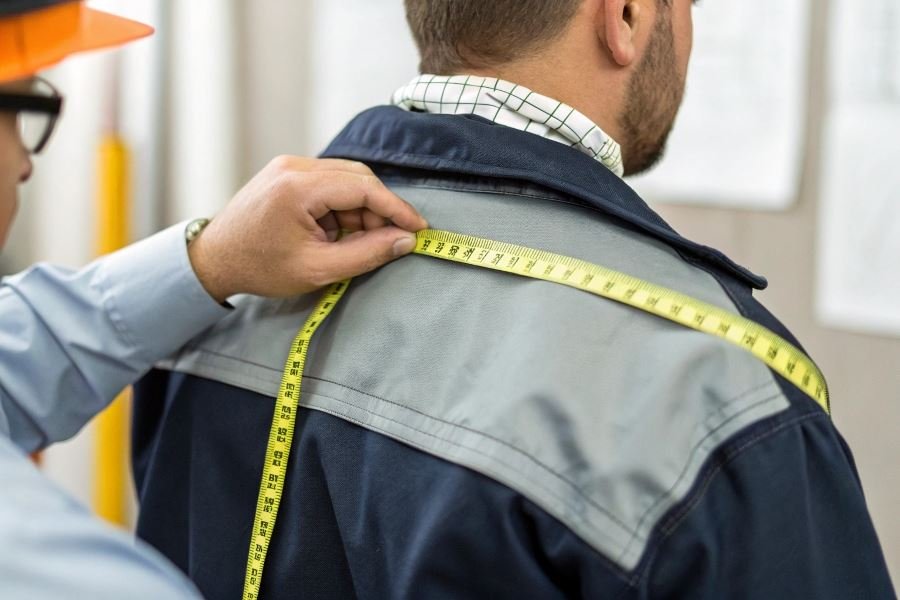
The most forward-thinking companies are already exploring digital fitting technologies that use worker measurements to recommend optimal sizing and styles, reducing waste from improper fit while improving compliance with safety requirements.
By approaching work jacket selection as a strategic investment rather than a procurement checkbox, organizations can simultaneously enhance worker protection, satisfaction, and operational efficiency.
Discover how to select the perfect work jacket for your industry with our comprehensive guide. Learn about essential safety features, durability requirements, and specialized protection across construction, manufacturing, and service sectors to maximize productivity and worker safety.
Discover how to select the perfect work jacket for your industry with our comprehensive guide. Learn about essential safety features, durability requirements, and specialized protection across construction, manufacturing, and service sectors to maximize productivity and worker safety.