Ever wondered why a tiny spark from your fingertip can destroy a $10,000 circuit board? Static electricity—seemingly harmless in daily life—becomes a formidable adversary in specialized work environments. This invisible force demands respect and, more importantly, protection.
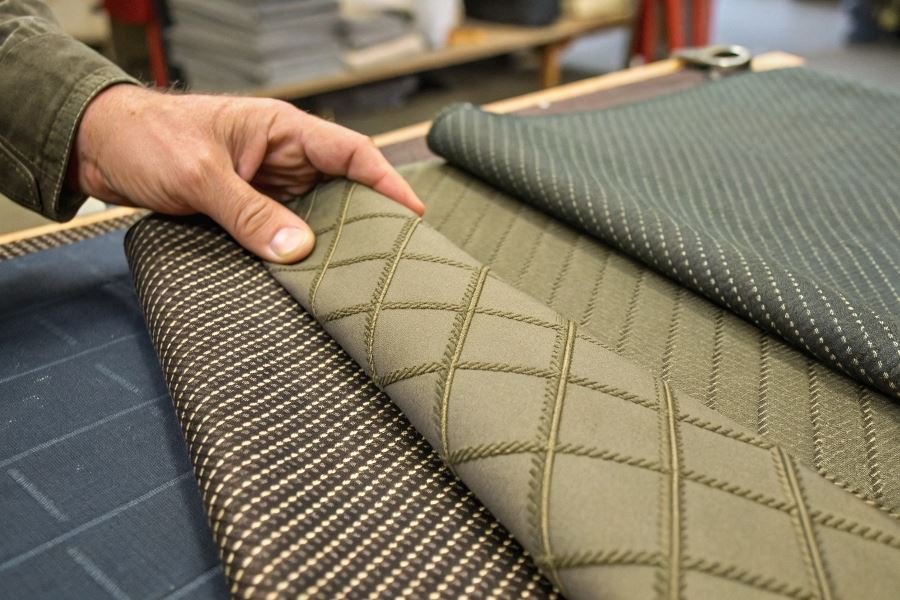
Antistatic work shirts represent a critical line of defense in environments where static discharge poses serious risks. These specialized garments incorporate conductive fibers—typically carbon or metal—woven into fabric to create pathways that safely dissipate static charges before they accumulate to dangerous levels. Unlike regular clothing that can generate up to 20,000 volts from simple movement, properly designed antistatic garments maintain electrical resistance below 1×10^9 ohms, effectively neutralizing potential hazards.
The technology behind these protective shirts operates on a remarkably elegant principle. When static electricity begins to build on the body, the conductive grid within the fabric creates a controlled path of least resistance, allowing charges to disperse gradually rather than accumulate to the point of sudden discharge. This continuous dissipation process happens silently and constantly throughout the workday.
Industry compliance doesn’t leave this critical protection to chance. Standards like NFPA 99, IEC 61340-5-1, and EN 1149 establish rigorous benchmarks for antistatic performance. These regulations don’t just suggest—they mandate specific resistance ranges, charge decay times, and durability requirements that manufacturers must meet through verified testing protocols.
The effectiveness of these protective garments isn’t measured in comfort or style, but in their invisible performance when milliseconds and microamps make the difference between safety and disaster.
Industries Where Antistatic Workwear Saves Lives
In environments where a single spark can trigger catastrophic consequences, specialized protective clothing isn’t just a regulatory checkbox—it’s a critical safety barrier. The strategic deployment of antistatic work shirts across high-risk industries represents one of the most effective defenses against potentially devastating electrostatic discharge (ESD) events. Understanding which industries require this specialized protection helps both employers and workers recognize where these garments deliver their most significant safety benefits.
When examining antistatic work shirts: which industries require them becomes clear once you understand the physics of static electricity and its interaction with sensitive equipment, volatile substances, and precision manufacturing processes. These specialized garments incorporate conductive fibers—typically carbon or metal—woven throughout the fabric to safely dissipate static charges that would otherwise accumulate during normal movement.
Electronics Manufacturing: Where Microscopic Protection Matters
The electronics industry stands as perhaps the most recognizable sector requiring comprehensive ESD protection. In semiconductor fabrication facilities, where components measure in nanometers, even a 50-volt static discharge—undetectable to human senses—can irreparably damage sensitive microelectronics.
Key protection areas include:
- Microprocessor assembly lines
- Circuit board manufacturing
- Hard drive production facilities
- Sensitive component testing environments
Workers in these environments wear complete antistatic ensembles, with the work shirt forming the core protection layer. Modern facilities often implement a “top-to-bottom” approach where every item—from headwear to footwear—maintains the static-dissipative chain.
Oil and Gas: Where Sparks Mean Disaster
Few industrial environments present more immediate danger from static electricity than oil and gas processing facilities. Here, the atmosphere itself often contains volatile hydrocarbon mixtures where a single spark can trigger explosions or flash fires.
Critical protection zones include:
- Refineries and distillation units
- Natural gas processing facilities
- Fuel storage and transfer stations
- Offshore drilling platforms
| Facility Type | Static Risk Level | Required Protection |
|---|---|---|
| Refineries | Extreme | Full antistatic ensemble |
| Gas Processing | Very High | Antistatic shirts + pants |
| Storage Facilities | High | Minimum antistatic outer layer |
In these environments, antistatic work shirts incorporate more robust protection, often meeting stringent flame-resistant standards alongside their static-dissipative properties.
Pharmaceutical Manufacturing: Where Contamination Cannot Exist
The pharmaceutical industry presents a unique challenge where static electricity creates dual threats: potential ignition of solvent-based formulations and unwanted particle attraction that compromises product purity.
Essential protection environments:
- Sterile manufacturing suites
- API (Active Pharmaceutical Ingredient) production
- Cleanroom operations
- Quality control laboratories
Pharmaceutical-grade antistatic shirts must meet exceptional standards, often incorporating:
- Ultra-low particle shedding fabrics
- Antimicrobial treatments
- Specialized sealing at cuffs and collars
- Documented static decay rates
These specialized garments protect both the worker and the product, ensuring that life-saving medications maintain their intended efficacy and safety profiles.
The implementation of proper antistatic workwear across these critical industries represents an essential investment in both worker safety and operational integrity—where the right shirt literally stands between normal operations and potential disaster.
Maximizing Protection: Smart Selection and Care of Antistatic Workwear
Finding the gold standard in antistatic shirts
When investing in antistatic work shirts, the difference between adequate and exceptional protection often comes down to specific technical features. The most effective antistatic garments incorporate conductive carbon fiber threads in a grid pattern—typically spaced 5-10mm apart—creating a continuous path for static discharge. This isn’t just marketing jargon; it’s measurable protection.
Look for garments that meet NFPA 70E standards and carry ATEX certification. Premium shirts will display surface resistivity ratings between 105 and 109 ohms, providing the sweet spot between conductivity and insulation. The fabric composition matters tremendously—blends containing 98% cotton with 2% carbon fiber or similar conductive materials deliver both comfort and consistent static dissipation.
The collar and cuff design often separates professional-grade antistatic shirts from basic options. Reinforced conductive elements at these contact points ensure continuous grounding even during movement.
Maintaining antistatic integrity through proper care
Antistatic properties aren’t permanent—they require deliberate maintenance. The effectiveness of your protective workwear depends largely on how you treat it between shifts.
| Care Aspect | Best Practice | Common Mistake |
|---|---|---|
| Washing | Use mild detergent, cold water | Using fabric softeners (destroys conductivity) |
| Drying | Air dry or tumble dry low | High heat (damages conductive fibers) |
| Ironing | Low heat only when necessary | Excessive pressing (flattens conductive grid) |
| Replacement | After 50-75 wash cycles | Waiting for visible wear (protection fails before appearance) |
Chemical exposure tracking is essential—certain solvents and industrial chemicals can permanently degrade antistatic properties long before visible damage appears. Implement a systematic rotation schedule based on exposure levels rather than calendar time.
The economics of protection
Quality antistatic shirts typically range from $45-120 per unit depending on specifications and certifications. While this represents a significant premium over standard workwear, the calculation changes dramatically when considering the full cost equation.
A single static-induced incident can cost:
- $10,000-50,000 in equipment damage
- 2-5 days of production downtime
- Potential worker compensation claims
- Increased insurance premiums
The most expensive antistatic shirt you’ll ever buy is the one you didn’t have when you needed it.
For electronics manufacturing facilities, the ROI calculation is particularly compelling. When a $75 shirt prevents even a single static discharge event that could damage $25,000 worth of sensitive components, the investment case becomes obvious.
Smart procurement strategies include:
- Tiered protection levels based on proximity to sensitive equipment
- Bulk purchasing with scheduled replacement cycles
- Vendor testing partnerships to verify ongoing effectiveness
- Employee training on proper care to extend garment life
The most successful safety programs treat antistatic workwear not as an expense but as critical infrastructure—an investment that delivers returns through incident prevention, equipment protection, and operational continuity.
Discover which industries require antistatic work shirts for employee safety. Learn how these specialized garments prevent static electricity hazards in electronics manufacturing, oil and gas, and pharmaceutical facilities.
Discover which industries require antistatic work shirts for employee safety. Learn how these specialized garments prevent static electricity hazards in electronics manufacturing, oil and gas, and pharmaceutical facilities.