
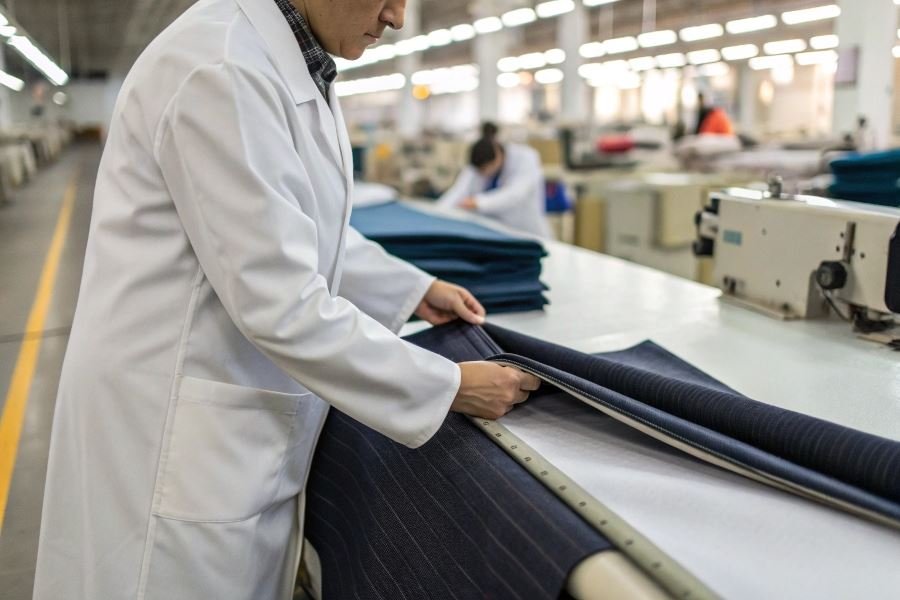
Ever wondered why some workers walk confidently through hazardous environments while others seem perpetually on edge? The difference often hangs on their shoulders—literally. The right work coat doesn’t just protect; it transforms how professionals approach their daily challenges.
When selecting protective workwear, you’re not just checking a compliance box—you’re making a critical safety investment. According to the Bureau of Labor Statistics, over 20,000 workplace injuries could have been prevented or minimized with proper protective clothing. The work coat stands as your first line of defense against chemical splashes, extreme temperatures, fire hazards, and physical trauma.
“The right work coat is like an insurance policy you wear. You hope you never need its protection, but when you do, you’ll be grateful for every dollar spent on quality.”
Industry standards that matter
Navigating industry regulations might seem overwhelming, but understanding a few key standards simplifies the process:
- ANSI/ISEA 107: Governs high-visibility safety apparel
- NFPA 2112: Sets standards for flame-resistant garments
- ASTM F1506: Covers arc flash protection requirements
These aren’t arbitrary bureaucratic hurdles—they’re benchmarks developed through decades of workplace incident analysis and material science advancement.
Decision drivers for different environments
Three factors should guide your selection process:
- Hazard assessment: Identify specific risks in your environment (chemical, thermal, electrical)
- Comfort and mobility: Even the safest coat fails if workers remove it due to discomfort
- Environmental conditions: Temperature extremes, humidity, and exposure duration dramatically affect which materials and designs will perform best
The manufacturing floor demands different protection than a chemical laboratory or outdoor utility work. Your production environment’s unique characteristics should dictate your choice, not just what’s available in the catalog or what’s worked elsewhere.
Environmental Mastery: Work Coat Selection for Challenging Conditions
When production environments push the limits of human endurance, your work coat becomes more than just clothing—it becomes critical safety equipment. The specialized fabrics and construction techniques used in modern workwear represent decades of engineering innovation, creating barriers between workers and potentially harmful conditions.
Understanding how to choose a work coat for different production conditions requires evaluating environmental factors first, then matching them with appropriate protective features. This approach ensures workers remain both comfortable and protected, regardless of whether they’re facing extreme temperatures, caustic chemicals, or unpredictable outdoor elements.
Conquering Heat and Flame
High-temperature environments demand specialized protection that balances heat resistance with mobility. For welding and foundry work, look for these critical features:
- Flame-resistant (FR) ratings: FR fabrics like Nomex® or Kevlar® self-extinguish when removed from flame sources
- Heat reflection capabilities: Aluminized coatings that reflect radiant heat
- Breathability factors: Ventilation panels that prevent heat stress while maintaining protection
“The difference between standard cotton and true FR material becomes apparent within seconds of exposure to flame—one chars while the other ignites.”
For welding applications specifically, spark-resistant closures prevent hot metal from finding its way inside the garment. Leather reinforcements at high-impact points provide additional protection where molten metal splatter is common.
| Environment | Recommended Material | Key Features |
|---|---|---|
| Welding | FR Cotton/Nomex Blend | High collar, leather reinforcements |
| Foundry | Aluminized Kevlar | Reflective outer layer, heat-resistant closures |
| Glass Production | Wool/FR Cotton | Natural flame resistance, breathability |
Chemical Defense Systems
Chemical environments present unique challenges where material selection becomes critical. The right work coat creates an effective barrier against:
- Acids and bases: PTFE-coated fabrics resist corrosive substances
- Organic solvents: Butyl rubber or neoprene coatings prevent penetration
- Particulates: Tightly woven fabrics with sealed seams block fine particles
When selecting chemical-resistant workwear, permeation rates matter more than simple splash resistance. Look for garments tested against specific chemicals present in your environment, with documented breakthrough times.
Indoor vs Outdoor Production Realities
The distinction between indoor and outdoor work environments dramatically affects coat selection:
Outdoor considerations:
- Weather resistance: Waterproof yet breathable membranes like Gore-Tex®
- Temperature adaptability: Removable liners for seasonal flexibility
- UV protection: Fabrics with UPF ratings for sun exposure
- High visibility: Reflective elements for safety in low light conditions
Indoor requirements:
- Contamination control: Lint-free materials for clean room environments
- Static dissipation: Anti-static treatments for electronics manufacturing
- Mobility optimization: Lighter weight materials with articulated designs
The most versatile work coats for variable conditions incorporate modular designs—removable hoods, adjustable cuffs, and ventilation options that adapt to changing environmental demands throughout a shift or season.
Remember that proper fit remains essential across all environments. Overly loose garments create entanglement hazards, while restrictive fits limit movement and increase strain—both compromising safety rather than enhancing it.
Making the Final Decision on Your Work Coat
Protection, comfort, and durability in perfect balance
Selecting the right work coat isn’t just about checking boxes—it’s about finding that sweet spot where protection meets wearability. The most advanced chemical-resistant coat becomes worthless if workers find it too uncomfortable to wear properly. Similarly, the most comfortable jacket fails its purpose if it can’t stand up to workplace hazards.
The key is strategic prioritization. In high-heat environments like foundries, temperature regulation through ventilation panels should take precedence. For chemical processing facilities, impermeable materials like DuPont’s Tychem offer critical protection while still allowing reasonable mobility.
The best work coat isn’t necessarily the one with the most features—it’s the one that addresses your specific workplace hazards without creating new problems for the wearer.
Many manufacturers now offer modular designs that allow customization based on specific needs. Carhartt’s customizable work jackets feature removable liners and adjustable cuffs that adapt to changing conditions, proving that versatility itself can be a form of protection.
Extending your investment through proper maintenance
Even premium work coats require proper care to deliver their promised lifespan. Most manufacturers specify a 12-24 month replacement cycle, but with proper maintenance, many coats can safely extend well beyond this timeframe.
Maintenance best practices:
- Implement a scheduled cleaning protocol based on exposure levels, not just visible soiling
- Store coats hanging in ventilated areas away from direct sunlight and extreme temperatures
- Conduct monthly inspections focusing on seams, closures, and high-wear areas
- Document repair history to identify recurring issues that might indicate design limitations
For specialized coats with flame-resistant properties, standard laundry detergents can degrade protective treatments. Instead, use purpose-formulated cleaners like Bulwark’s FR laundry detergent that maintain protective qualities through multiple wash cycles.
Top recommendations for common production environments
| Environment | Recommended Coat | Key Features | Approximate Cost |
|---|---|---|---|
| Chemical Processing | Ansell AlphaTec | Chemical splash protection, breathable back panel, extended cuff design | $85-120 |
| Metalworking | Tillman TruGuard 6230 | Split leather construction, Kevlar stitching, high collar design | $140-180 |
| Cold Storage | RefrigiWear Iron-Tuff | -60°F protection, reinforced pockets, water-repellent finish | $150-220 |
For general manufacturing environments where versatility is paramount, the Dickies Eisenhower Jacket offers the best balance of durability and value. Its poly-cotton blend resists common shop contaminants while providing enough stretch for unrestricted movement.
In high-visibility scenarios like roadwork or night shifts, the 3M Scotchlite reflective material integrated into Ergodyne GloWear jackets exceeds ANSI 107 standards while maintaining breathability that workers appreciate during extended wear.
For welding and high-heat applications, nothing matches the protection-to-weight ratio of Lincoln Electric’s premium leather jackets with flame-resistant cotton linings that prevent both sparks and heat transfer.
Remember that the best work coat is one that workers will actually wear consistently and correctly. Involving your team in the selection process not only improves compliance but often reveals practical insights that specifications alone might miss.
Discover how to select the ideal work coat for your specific production environment. Learn essential safety standards, material considerations, and expert recommendations to protect workers from hazards while ensuring comfort and durability.
Discover how to select the ideal work coat for your specific production environment. Learn essential safety standards, material considerations, and expert recommendations to protect workers from hazards while ensuring comfort and durability.