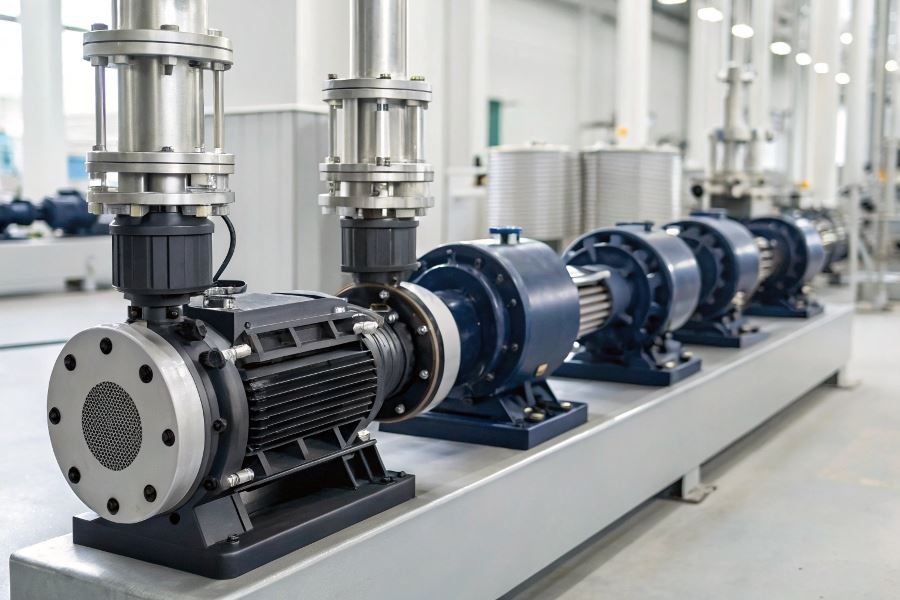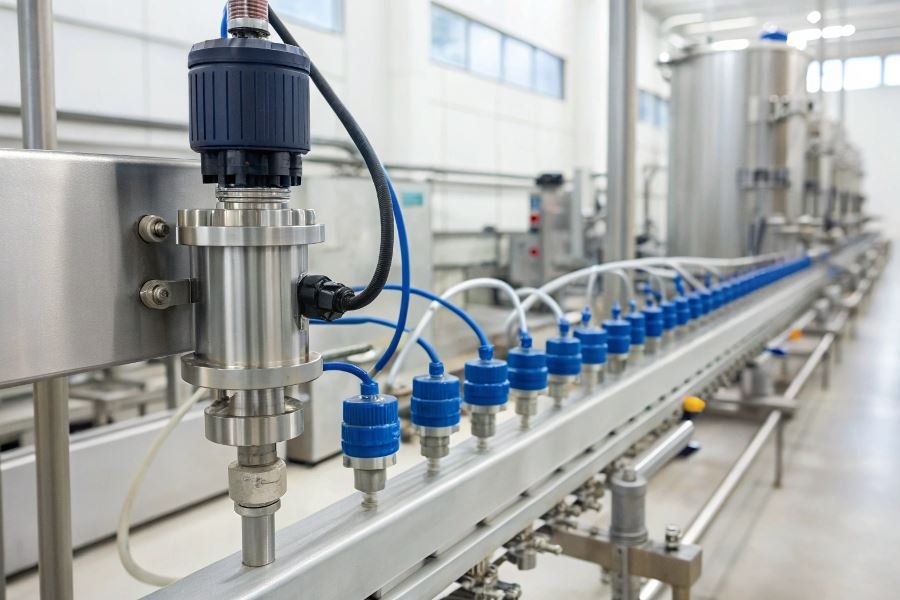
Ever wondered what ensures your morning coffee has exactly the right amount of caffeine? Or how pharmaceutical companies guarantee each pill contains precisely 325mg of medication—not 324, not 326? The unsung heroes behind this remarkable precision are industrial dosing pumps, devices that deliver exact quantities of liquids or chemicals with astonishing accuracy.
Industrial dosing pumps are specialized mechanical devices engineered to transfer precise volumes of fluids at controlled rates and intervals. These remarkable machines operate on displacement principles—either positive displacement (where mechanical force physically pushes the exact fluid volume) or time-pressure systems (where timing and pressure control the dosage).
The journey of these precision instruments traces back to the 1950s, when rudimentary mechanical pumps first appeared in water treatment facilities. The true revolution came in the 1970s with the introduction of electronic controls, transforming clunky mechanical devices into sophisticated dosing systems. Today’s smart pumps, equipped with IoT capabilities and self-calibrating mechanisms, bear little resemblance to their ancestors.
In modern manufacturing, these pumps have become indispensable. From ensuring your favorite beverages maintain consistent flavor profiles to precisely controlling chemical reactions in petroleum refineries, dosing pumps silently maintain the quality standards we take for granted. Their applications span virtually every industry—water treatment, food production, pharmaceuticals, agriculture, and chemical processing—anywhere exact measurements matter.
The difference between excellence and mediocrity in countless products we use daily often comes down to the humble dosing pump working tirelessly behind the scenes.
The Engineering Marvel of Industrial Dosing Pumps
Industrial dosing pumps represent the unsung heroes of precision fluid handling across manufacturing sectors. These specialized devices deliver exact quantities of chemicals, additives, and solutions with remarkable consistency—often operating 24/7 in the most demanding environments. The technical specifications and performance metrics of these engineering marvels determine their suitability for specific applications, making proper selection critical for operational success.
When examining industrial dosing pumps: characteristics and applications become inseparable considerations. The pump you select must align perfectly with your process requirements, chemical compatibility needs, and accuracy demands. Let’s dive into the fascinating world of dosing pump technology and explore what makes these precision instruments tick.
Dosing Pump Varieties and Their Unique Advantages
The industrial landscape features several distinct dosing pump technologies, each with specialized capabilities:
Diaphragm dosing pumps utilize a flexible membrane that expands and contracts to create precise displacement. Their sealed design prevents fluid contact with mechanical components, making them ideal for handling aggressive chemicals. Watson-Marlow diaphragm pumps offer exceptional chemical resistance with minimal maintenance requirements.
Peristaltic pumps employ rotating rollers that compress flexible tubing, creating a gentle pumping action. This design eliminates valves and seals while preventing fluid contamination. Perfect for shear-sensitive materials and sterile applications, these pumps excel in pharmaceutical and food processing environments.
Piston dosing pumps deliver unmatched precision through direct mechanical displacement. Their robust design handles high-pressure applications up to 400 bar, though they require careful material selection when handling abrasive media.
Critical Performance Parameters That Define Capability
| Parameter | Typical Range | Application Consideration |
|---|---|---|
| Flow Rate | 0.1 ml/hr – 1000+ l/hr | Process volume requirements |
| Pressure | 1 – 400 bar | System back pressure and distance |
| Accuracy | ±0.5% – 3% | Product quality and compliance needs |
| Repeatability | ±0.1% – 1% | Batch consistency requirements |
The flow rate capacity of industrial dosing pumps varies dramatically based on design and size. Microprocessor-controlled units from ProMinent can deliver precise volumes from milliliters per hour to thousands of liters per hour with exceptional turndown ratios exceeding 1000:1.
Pressure capabilities determine where pumps can be deployed. While diaphragm pumps typically operate at 10-20 bar, specialized high-pressure variants can reach 400+ bar for demanding injection applications in oil fields and chemical processing.
Accuracy and repeatability represent the true measure of dosing pump performance. Modern systems achieve ±0.5% accuracy across their operating range, with digital control systems continuously adjusting stroke length and frequency to maintain precision despite changing process conditions.
Material Construction: The Chemistry Connection
Material selection directly impacts pump longevity and safety. Consider these common construction options:
- Pump heads: PVDF, PVC, 316L stainless steel, PTFE
- Diaphragms: PTFE, EPDM, Viton, Hypalon
- Seals: FKM, EPDM, PTFE, Kalrez
Chemical compatibility charts from manufacturers like Grundfos provide essential guidance for material selection. The wrong choice can lead to premature failure, chemical leakage, or contamination—making this technical consideration as important as any performance metric.
The engineering sophistication behind industrial dosing pumps continues to advance, with smart pumps now offering self-calibration, remote monitoring, and predictive maintenance capabilities that transform how precision fluid handling operates in modern industrial settings.
Where Precision Meets Purpose: Industrial Dosing Pumps in Action
Water treatment transforms with dosing precision
Water treatment facilities represent perhaps the most visible application of industrial dosing pumps. These systems maintain the delicate chemical balance required for safe drinking water and wastewater management. Metering pumps deliver precise amounts of chlorine, sodium hypochlorite, and coagulants to eliminate pathogens and remove contaminants.
In municipal water treatment, Watson-Marlow peristaltic pumps have revolutionized disinfection processes by delivering sodium hypochlorite with ±1% accuracy—even when dealing with flow rates as low as 0.1 ml/minute. This precision ensures consistent water quality while minimizing chemical usage.
Environmental applications extend beyond traditional water treatment. Dosing pumps play a crucial role in pH neutralization of industrial effluent, where even minor deviations can trigger regulatory violations. Modern systems from manufacturers like ProMinent incorporate real-time monitoring that automatically adjusts chemical dosing based on continuous pH readings.
The environmental impact of precision dosing cannot be overstated: a properly calibrated system can reduce chemical consumption by up to 30% while improving treatment outcomes.
Chemical processing demands ultimate reliability
In chemical manufacturing, dosing pumps serve as the heartbeat of production processes. These environments demand not just precision but exceptional chemical compatibility and safety features.
Catalyst injection in petrochemical refineries illustrates this perfectly. Milton Roy hydraulic diaphragm pumps deliver catalysts at pressures exceeding 400 bar while maintaining flow accuracy within ±0.5%. This level of performance directly impacts product quality and production efficiency.
The semiconductor industry represents another demanding application where ultra-pure chemicals must be dosed with nanoliter precision. Here, specialized PTFE-lined pumps from LEWA deliver chemicals without contamination—critical when manufacturing components where even microscopic impurities can cause catastrophic failures.
| Industry | Typical Flow Rates | Common Pump Types | Key Requirements |
|---|---|---|---|
| Petrochemical | 5-500 L/hr | Hydraulic diaphragm | High pressure, ATEX certification |
| Semiconductor | 0.1-50 L/hr | Bellows, peristaltic | Ultra-high purity, chemical resistance |
| Water treatment | 1-2000 L/hr | Solenoid, motor-driven | Reliability, remote control capability |
Specialized applications demand tailored solutions
The food and beverage industry relies on dosing pumps for everything from adding precise amounts of flavoring compounds to ensuring consistent sanitization. Grundfos digital dosing pumps have transformed beverage production by delivering additives with ±0.1% accuracy while meeting strict FDA requirements for food-contact materials.
Pharmaceutical manufacturing represents perhaps the most demanding application environment. Here, Iwaki magnetically-driven pumps deliver active pharmaceutical ingredients in sterile environments where cross-contamination risks must be eliminated entirely. These systems often incorporate validation features that document every dosing event—critical for regulatory compliance.
Other specialized applications include:
- Textile manufacturing: Precise dye injection systems that maintain color consistency across production runs
- Paper production: Chemical additives that control brightness and strength properties
- Mining operations: Reagent dosing for mineral extraction and cyanide destruction processes
- Swimming pools: Automated chlorination systems that maintain safe water quality
The versatility of industrial dosing pumps continues to expand as manufacturers develop increasingly specialized solutions for niche applications. What remains constant is the fundamental value proposition: delivering the right amount of the right substance at exactly the right time—a seemingly simple task with profound implications for product quality, operational efficiency, and environmental protection.
Discover how industrial dosing pumps deliver precision fluid control across water treatment, chemical processing, and manufacturing. Learn about different types, performance metrics, and material considerations for optimal operational efficiency.
Discover how industrial dosing pumps deliver precision fluid control across water treatment, chemical processing, and manufacturing. Learn about different types, performance metrics, and material considerations for optimal operational efficiency.