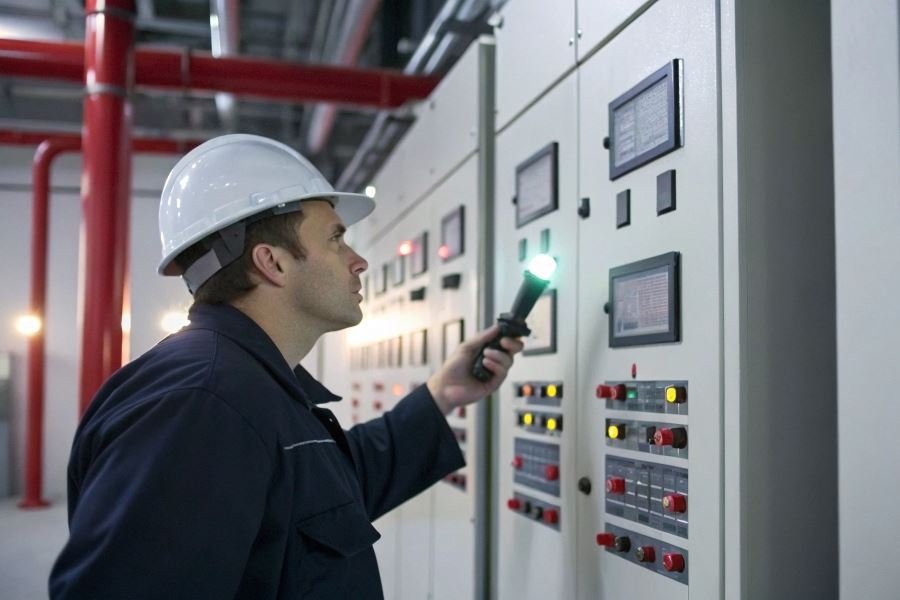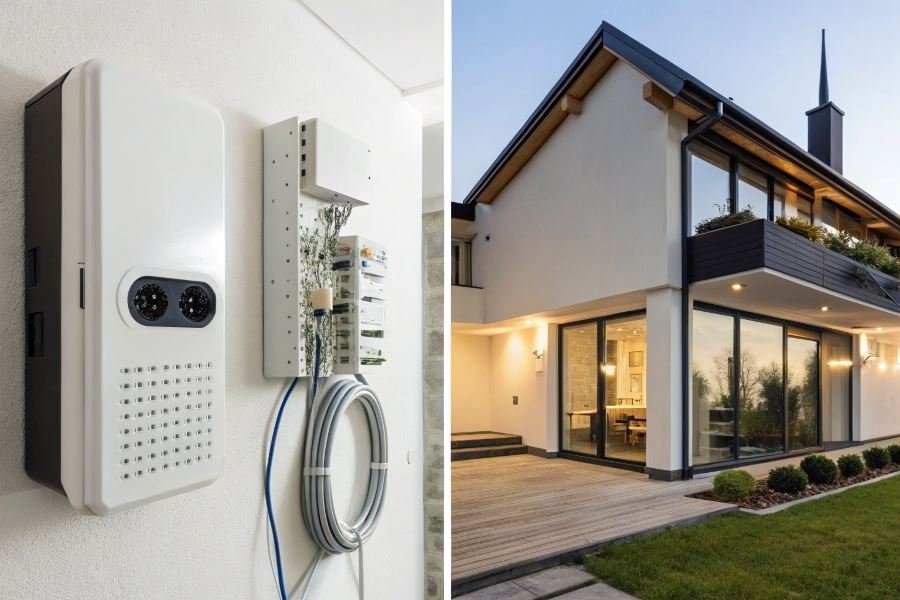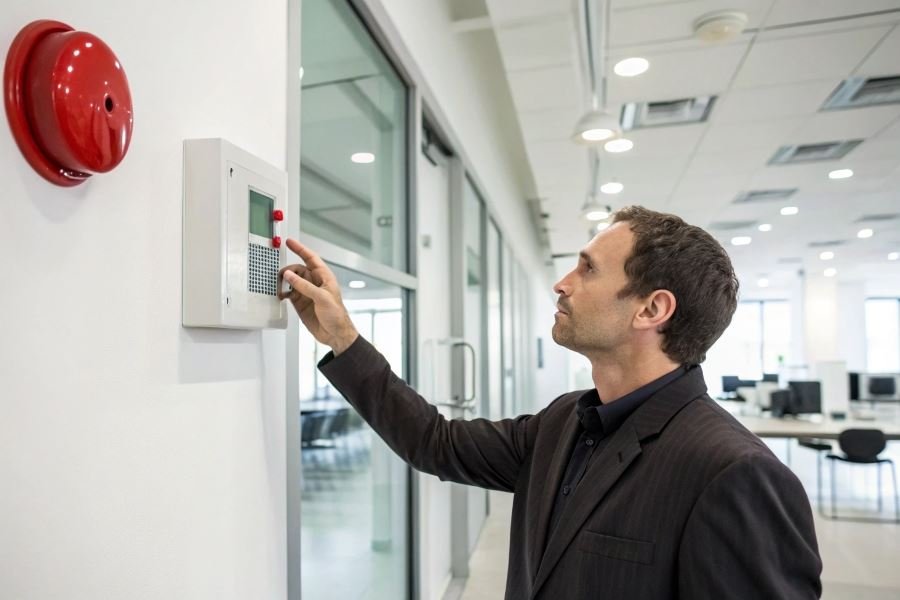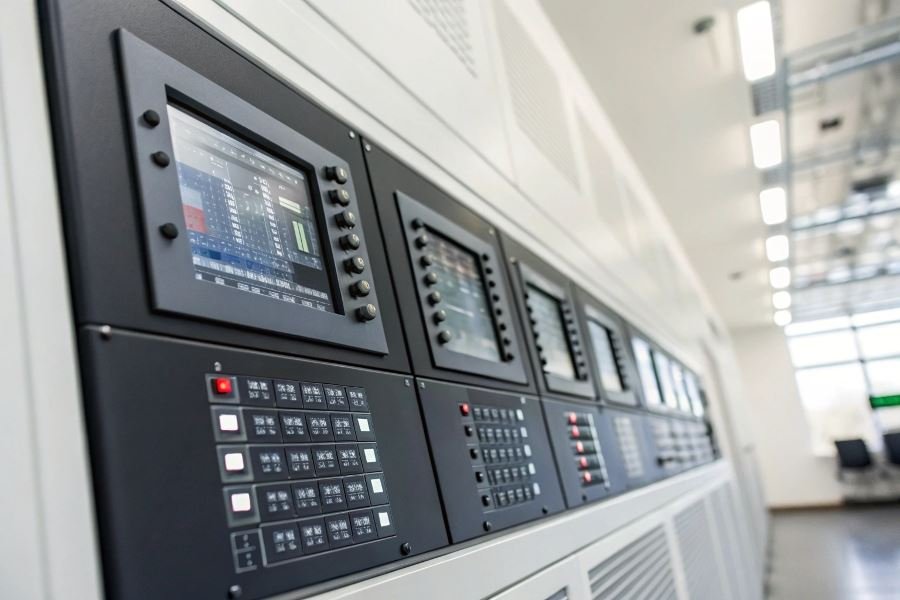
When disaster strikes, the difference between total loss and swift response often comes down to 36 seconds – the average time a quality alarm system takes to detect and alert during an emergency. This tiny window can mean everything.
Property protection isn’t just about locks and cameras anymore. Modern security and fire alarm systems have become the invisible guardians of our homes, businesses, and most precious possessions. The most reliable brands in this space don’t just sell products—they provide peace of mind through engineering excellence and proven performance when it matters most.
The invisible guardians: Why alarm reliability is non-negotiable
Fire doesn’t wait. Neither do intruders. When smoke begins to fill a room or when someone attempts unauthorized entry, the reliability of your alarm system becomes the difference between safety and catastrophe. Top-tier systems maintain vigilance 24/7/365, with redundant power supplies, self-diagnostic capabilities, and fail-safe mechanisms that ensure protection even when primary systems are compromised.
Defining true reliability in alarm systems
What separates merely adequate systems from truly reliable ones? Three critical factors:
- Component quality: Premium sensors, processors, and communication modules that maintain performance over years, not months
- False alarm resistance: Sophisticated algorithms that distinguish genuine threats from environmental triggers
- System resilience: The ability to function during power outages, communication disruptions, and even physical tampering attempts
Evaluating alarm system brands: Beyond the marketing
When assessing which brands truly deliver on reliability promises, look beyond flashy features to these telling indicators:
“The true measure of an alarm system isn’t how it performs during installation, but how it responds five years later during an actual emergency.” – National Fire Protection Association research report
Industry certifications (UL, FM, ETL) provide baseline assurance, but dig deeper into mean-time-between-failure rates, warranty terms that manufacturers are willing to stand behind, and independent testing results that verify performance claims under extreme conditions.
The Guardians of Safety: Top 3 Security and Fire Alarm Brands
When lives and property are at stake, compromise isn’t an option. The security industry has evolved dramatically since the first electric burglar alarm was patented by Edwin Holmes in 1853. Today’s systems integrate seamlessly with smart homes, offer remote monitoring, and provide unprecedented reliability.
Selecting from the most reliable brands of security and fire alarms requires understanding which manufacturers have consistently delivered excellence through decades of technological evolution. These industry titans have earned their reputations through rigorous testing, continuous innovation, and proven performance during actual emergencies.
Let’s examine the three manufacturers that consistently dominate professional installations and consumer confidence ratings:
Honeywell: Integration Mastery
Honeywell stands as the undisputed heavyweight in integrated security solutions. Their VISTA series remains the backbone of countless commercial installations, while their Lyric and Smart Home systems have revolutionized residential protection.
What separates Honeywell from competitors is their comprehensive ecosystem approach. Their systems don’t merely detect threats—they communicate with each other to create layered protection:
- False alarm reduction technology that distinguishes between genuine threats and environmental triggers
- Advanced analytics that learn household patterns to identify truly suspicious activity
- Seamless integration with over 20,000 third-party devices and platforms
Their fire detection systems employ multi-criteria sensors that analyze particles, heat signatures, and carbon monoxide levels simultaneously, reducing response time by up to 87% compared to traditional smoke detectors.
Bosch: Precision Engineering Excellence
Bosch brings legendary German engineering precision to security and fire detection. Their systems are particularly renowned for withstanding extreme environmental conditions while maintaining sensitivity.
Bosch’s approach centers on three principles:
“Detection, verification, communication—each must function flawlessly or the entire system fails.”
Their G Series control panels have set industry standards for commercial applications, featuring:
- Military-grade encryption protecting all communications
- Self-diagnostic capabilities that continuously verify system integrity
- Unparalleled durability with mean-time-between-failure ratings exceeding 250,000 hours
For fire detection, Bosch’s AVENAR detector series employs dual-optical sensing chambers with temperature verification, reducing false alarms by 35% compared to industry averages while maintaining lightning-fast response to genuine threats.
Siemens: Technological Longevity
Siemens brings over 160 years of engineering excellence to security and fire protection. Their Cerberus PRO fire safety system exemplifies their approach to creating infrastructure that stands the test of time.
Siemens distinguishes itself through:
- Backward compatibility ensuring new components work with legacy systems
- Predictive maintenance algorithms that identify potential failures before they occur
- Industry-leading 15-year product support commitments
Their Desigo fire safety platform demonstrates why Siemens remains at the forefront of enterprise-level protection:
| Feature | Benefit |
|---|---|
| ASAtechnology™ | Adapts detection parameters to environmental conditions |
| Redundant processing | Maintains protection even during partial system failures |
| FDA-validated clean room certification | Meets requirements for medical and semiconductor facilities |
Siemens’ commitment to sustainability also stands out, with their systems designed to minimize false alarms that waste first responder resources while consuming 40% less power than comparable competitors.
Making the Smart Investment in Security and Fire Protection
Warranty Coverage That Truly Protects
When evaluating the most reliable security and fire alarm brands, warranty coverage becomes your financial safety net. Honeywell leads the industry with comprehensive 5-year warranties on most professional-grade systems, covering both parts and labor. This contrasts sharply with SimpliSafe, which offers a 3-year warranty but includes free equipment replacement within that period—a significant advantage for DIY installers.
Warranty depth matters as much as length. Bosch security systems include a 2-year standard warranty, but their premium B Series panels come with extended 5-year coverage that includes firmware updates—critical for long-term cybersecurity protection. Meanwhile, Kidde fire alarms typically carry 10-year limited warranties on sealed battery models, reflecting their confidence in product longevity.
The true value of a warranty isn’t just in its duration but in what it covers and how efficiently the company honors its commitments.
Professional Installation vs DIY: The Performance Equation
The installation decision dramatically impacts system effectiveness. Professional installation from companies like ADT or Vivint typically adds 300−1,000 to upfront costs but delivers strategic sensor placement, proper wiring, and system optimization that DIY approaches often miss.
DIY systems from Ring or Nest have evolved significantly, with user-friendly interfaces and pre-programmed components. However, they still present challenges:
| Professional Installation | DIY Installation |
|---|---|
| Expert sensor placement | Potential coverage gaps |
| Proper integration with existing systems | Limited integration capabilities |
| Code compliance guaranteed | Possible code violations |
| Ongoing technical support | Self-troubleshooting required |
| Higher initial cost | Lower upfront investment |
The complexity of your property should guide this decision. For properties exceeding 2,500 square feet or with multiple buildings, professional installation typically delivers superior protection and fewer false alarms—a crucial consideration since false alarm fees in many municipalities now exceed $200 per incident.
Calculating Long-term Value Beyond the Price Tag
Quality security and fire alarm systems represent significant investments that deliver returns over decades. First Alert smoke detectors might cost twice as much as generic alternatives but typically last 2-3 times longer and demonstrate superior detection capabilities in independent testing.
When assessing long-term value, consider these critical factors:
- Total cost of ownership: Include monitoring fees (20−60 monthly), battery replacements, and potential service calls
- System scalability: Premium systems from DSC allow modular expansion without replacing the central panel
- Integration capabilities: Alarm.com compatible systems maintain value by supporting new technologies as they emerge
- Insurance premium reductions: Quality systems typically deliver 10-20% homeowner insurance discounts, offsetting costs
The most reliable systems from established manufacturers deliver value through reduced false alarms, lower maintenance requirements, and longer operational lifespans. A premium Tyco commercial fire alarm system might cost 40% more initially but require half the maintenance visits over its operational life.
The wisest approach balances upfront affordability with long-term reliability, selecting systems that offer the specific protections your property requires without unnecessary features that inflate costs without enhancing security.
Discover the top 3 most reliable security and fire alarm brands: Honeywell, Bosch, and Siemens. Learn what makes these systems dependable, how to evaluate quality, and make the best investment for your property's protection.
Discover the top 3 most reliable security and fire alarm brands: Honeywell, Bosch, and Siemens. Learn what makes these systems dependable, how to evaluate quality, and make the best investment for your property's protection.