When flames erupt in an industrial facility, the clock starts ticking. Every second counts—not just for human safety, but for business continuity. A single unchecked fire can devastate operations, destroy millions in equipment, and halt production for months. This isn’t just about compliance—it’s about survival.
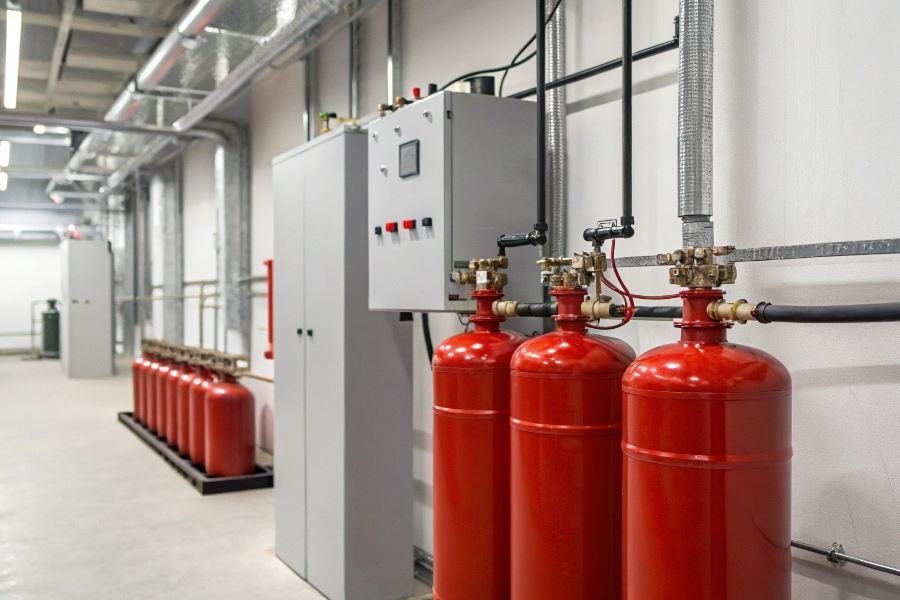
Fire extinguishing drum systems represent the industrial sector’s most robust defense against catastrophic fire events. These specialized suppression technologies deploy powerful extinguishing agents from strategically positioned drums throughout a facility, creating a rapid response network that can mean the difference between a minor incident and a total loss. Choosing the right system requires understanding both the science behind the technology and the specific risks of your operation.
The regulatory landscape surrounding industrial fire protection has evolved significantly since the landmark Factory Mutual standards were established in 1835. Today’s requirements integrate lessons learned from major industrial disasters, including the Philadelphia refinery explosion of 2019 that caused over $1 billion in damages. NFPA 11, 16, and 30 standards specifically address drum-based systems, with compliance requirements varying based on facility type, materials stored, and operational processes.
Modern drum systems utilize various extinguishing agents—from traditional foam concentrates to newer fluorine-free formulations that address environmental concerns. The technology has advanced dramatically, with smart monitoring systems now offering real-time diagnostics and predictive maintenance capabilities that were unimaginable even a decade ago.
“The right fire suppression system isn’t just equipment—it’s insurance for your entire operation’s future.”
Critical Selection Factors for Industrial Fire Drum Systems
When protecting industrial facilities from fire hazards, the selection of an appropriate fire extinguishing drum system demands meticulous attention to detail. The difference between an adequate system and an optimal one can mean millions in saved assets—not to mention the priceless value of human safety. Let’s dive into the essential considerations that should guide your decision-making process.
Risk Assessment: The Foundation of Protection
Every effective fire protection strategy begins with a comprehensive risk assessment. The process of selecting a fire extinguishing drum system for an industrial facility must start with identifying specific hazards present in your operation. This isn’t merely a checkbox exercise—it’s the cornerstone of your entire protection strategy.
Class-specific hazard identification requires examining your facility for:
- Class A hazards (ordinary combustibles like wood, paper, cloth)
- Class B hazards (flammable liquids and gases)
- Class C hazards (energized electrical equipment)
- Class D hazards (combustible metals)
- Class K hazards (cooking oils and fats)
A thorough assessment conducted by certified fire protection engineers from organizations like NFPA will categorize your facility into risk levels that directly inform system requirements. This evaluation should include process flow analysis, material storage practices, and historical incident review.
Capacity Requirements: Sizing for Success
The dimensions of your facility and its fire load determine the necessary capacity of your drum system. This isn’t an area for approximation—precise calculations save lives.
Undersized systems fail when needed most, while oversized systems waste resources and can cause unnecessary collateral damage.
Consider these capacity factors:
| Factor | Impact on System Requirements |
|---|---|
| Total protected area (sq ft) | Directly proportional to agent quantity needed |
| Ceiling height | Higher ceilings require more agent volume |
| Fire load density | Higher BTU potential requires greater suppression capacity |
| Response time requirements | Faster required response may necessitate larger systems |
For manufacturing facilities exceeding 50,000 square feet, multi-zone drum systems typically offer more efficient protection than single large-capacity units. Modern high-capacity systems from manufacturers like Ansul can deliver up to 3,000 gallons of suppression agent within 60 seconds—critical for high-risk environments.
Material Compatibility: Chemistry Matters
Perhaps the most overlooked aspect of drum system selection is compatibility with your specific industrial processes and materials. This consideration goes beyond simple effectiveness to encompass potential secondary hazards.
Critical compatibility considerations include:
- Reactivity between suppression agents and process materials
- Potential for contamination of products or processes
- Equipment sensitivity to suppression agents
- Environmental impact of discharge events
- Clean-up requirements and production downtime
For facilities handling sensitive electronics or precision machinery, clean agent systems like those using 3M Novec may be preferable despite higher costs. Conversely, facilities processing reactive metals might require specialized dry powder systems that won’t trigger dangerous chemical reactions.
The compatibility assessment should involve both fire protection specialists and your process engineers to ensure all potential interactions are evaluated. Remember that the most effective system is one that not only extinguishes fires but does so without creating new hazards or compromising your operation’s integrity.
Mastering Implementation and Maintenance of Fire Drum Systems
Installation that integrates seamlessly
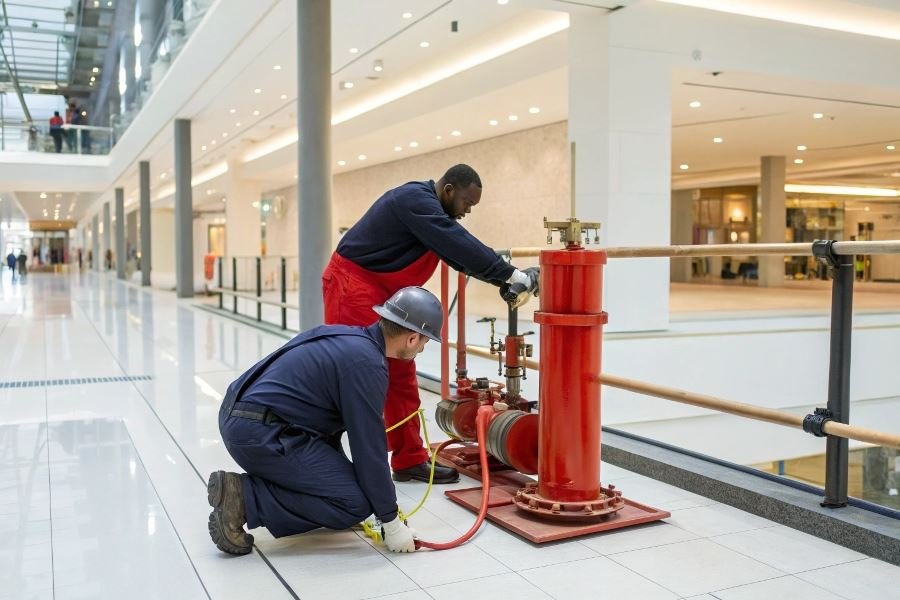
Installing a fire extinguishing drum system requires precision engineering and strategic planning. The most effective installations begin with a comprehensive site assessment to identify optimal placement points that maximize coverage while minimizing response time. Drum systems must be positioned where they can detect and respond to fire threats within seconds, not minutes.
When integrating with existing safety infrastructure, compatibility becomes paramount. Modern NFPA compliant systems feature standardized connection protocols that allow for seamless communication with building management systems, smoke detection networks, and emergency notification platforms. This interconnectivity creates a unified safety ecosystem rather than isolated protection points.
Key installation requirements include:
- Minimum clearance zones of 3-5 feet around each drum unit
- Dedicated power circuits with backup generation capability
- Pressure-tested piping networks rated for at least 150% of maximum operating pressure
- Seismic bracing in applicable zones
- Weatherproofing for external components
The most successful installations incorporate redundancy pathways. If one detection or activation system fails, secondary systems automatically engage without human intervention.
Training that creates confidence under pressure
A fire extinguishing system is only as effective as the people who operate alongside it. Comprehensive training protocols transform your team from bystanders to first responders.
Training must be multi-dimensional, addressing both technical operation and emergency psychology. The National Fire Protection Association recommends quarterly drills that simulate various emergency scenarios, from localized equipment fires to facility-wide events.
Effective training programs include:
| Training Component | Frequency | Participants |
|---|---|---|
| System orientation | New hire onboarding | All personnel |
| Technical operation | Quarterly | Designated operators |
| Emergency response | Monthly | All personnel |
| Full-scale simulation | Bi-annually | All personnel + local responders |
| System maintenance | Annually | Technical staff |
Documentation becomes your ally in emergency situations. Develop clear, visual response procedures that can be understood under stress. These should be prominently displayed throughout your facility and accessible via mobile devices for remote reference.
Maintenance that guarantees reliability
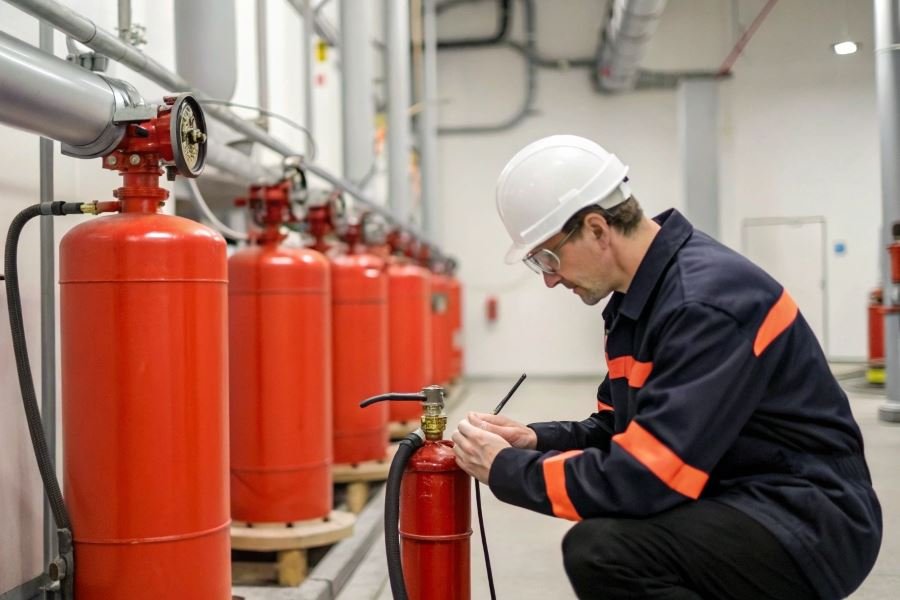
Fire extinguishing drum systems represent dormant protection—equipment that must function flawlessly after potentially years of inactivity. This paradox makes maintenance not just important but critical.
The maintenance trinity includes:
- Visual inspections (weekly)
- Functional testing (monthly to quarterly)
- Comprehensive system certification (annually)
Pressure vessels require particular attention, with hydrostatic testing recommended every five years by most manufacturers. Detection systems should undergo sensitivity calibration annually to prevent both false activations and missed triggers.
Smart maintenance leverages technology. Modern systems from manufacturers like Ansul and Kidde Fire Systems include self-diagnostic capabilities that continuously monitor system health, alerting maintenance teams to potential issues before they become critical failures.
Develop a maintenance calendar that accounts for seasonal variations in your facility’s operations. Summer months may require more frequent inspection of temperature-sensitive components, while winter brings concerns about freezing in water-based systems.
Documentation becomes your legal shield and operational guide. Maintain detailed records of all inspections, tests, and maintenance activities. These records not only satisfy regulatory requirements but create a performance history that helps predict and prevent future issues.
By approaching implementation and maintenance with the same rigor as initial system selection, you transform fire protection from a regulatory checkbox into a genuine safety asset that protects both human life and business continuity.
Discover how to select the optimal fire extinguishing drum system for your industrial facility based on risk assessment, regulatory compliance, and facility-specific needs. Learn implementation strategies and maintenance best practices for maximum protection.
Discover how to select the optimal fire extinguishing drum system for your industrial facility based on risk assessment, regulatory compliance, and facility-specific needs. Learn implementation strategies and maintenance best practices for maximum protection.