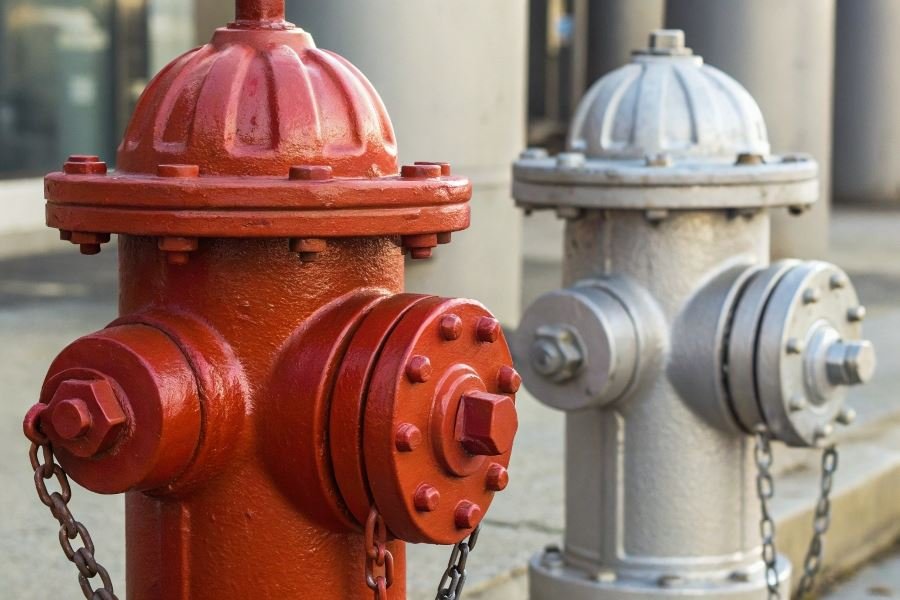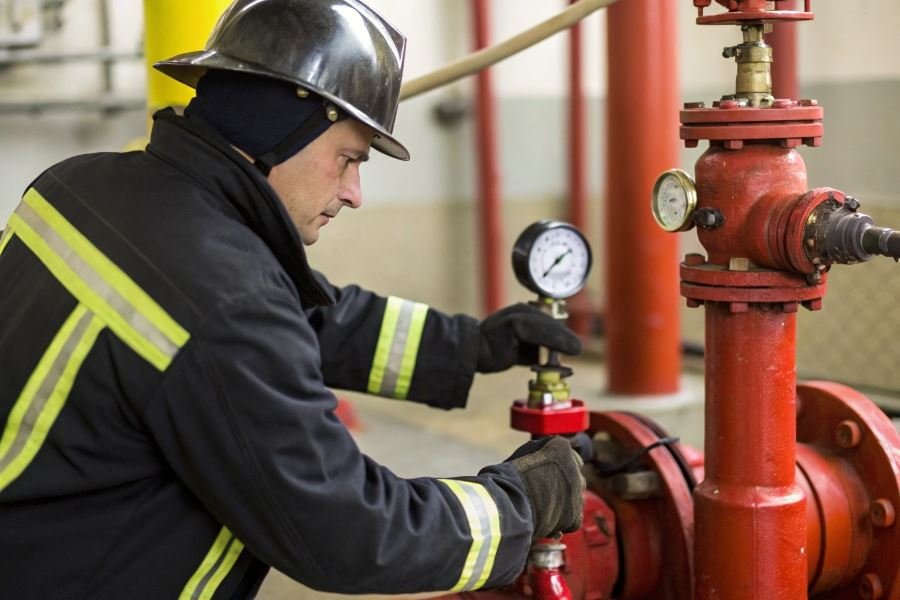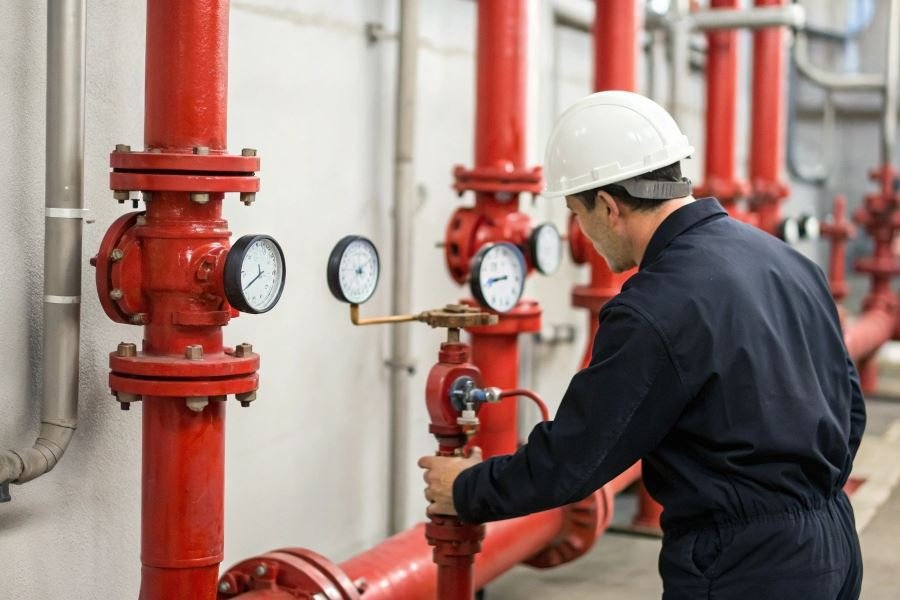
When disaster strikes, will your facility be ready? Industrial fires can devastate operations in minutes, causing millions in damages and potentially costing lives. At the heart of your defense system stands an often overlooked hero: the humble fire hydrant.
Selecting the right fire hydrant for your industrial facility isn’t just about checking a box on your safety compliance list—it’s about creating a robust first line of defense when every second counts. The National Fire Protection Association reports that properly functioning hydrants can reduce property damage by up to 65% during industrial fire events, yet many facilities operate with outdated or inadequate systems.
The critical foundation of industrial fire safety
Fire hydrants serve as the critical connection point between water supply systems and firefighting equipment. In industrial settings, where flammable materials, complex machinery, and valuable assets converge, hydrants must deliver exceptional performance under extreme conditions. They’re not just water sources—they’re lifelines.
Navigating the regulatory landscape
Industrial facilities must navigate a complex web of regulations, including NFPA 24 standards, OSHA requirements, and local fire codes. These aren’t arbitrary hurdles but essential guidelines developed from decades of fire safety research and real-world incidents. Compliance isn’t optional—it’s fundamental to operational continuity and worker protection.
The selection process: Beyond the basics
Choosing the right hydrant requires a methodical approach that considers:
- Water supply capacity and pressure requirements
- Environmental factors including freeze protection in cold climates
- Accessibility for emergency responders
- Compatibility with existing fire protection systems
The selection process must balance immediate costs against long-term reliability, maintenance requirements, and the potential consequences of system failure.
Essential Factors for Industrial Fire Hydrant Selection
When protecting industrial facilities from fire hazards, the selection of appropriate fire hydrants becomes a critical decision that impacts safety, compliance, and emergency response effectiveness. The process of choosing a fire hydrant for an industrial facility requires careful analysis of multiple factors that extend beyond basic functionality to ensure optimal performance during emergencies.
Water Supply Requirements and Pressure Considerations
The backbone of any effective fire protection system lies in its water supply capabilities. Industrial facilities typically require hydrants that can deliver significantly higher flow rates than residential areas—often between 500-2,500 gallons per minute depending on the facility size and hazard classification.
Pressure requirements deserve meticulous attention. Most industrial hydrants operate optimally between 20-100 psi static pressure, with a minimum residual pressure of 20 psi during flow conditions. Insufficient pressure renders even the most advanced hydrant ineffective, while excessive pressure can damage equipment and create hazardous conditions for firefighters.
| Flow Rate Category | Typical GPM Range | Recommended Applications |
|---|---|---|
| Standard | 500-1,000 GPM | Light industrial, warehouses |
| High-Flow | 1,000-1,500 GPM | Manufacturing facilities |
| Ultra-High Flow | 1,500-2,500+ GPM | Chemical plants, refineries |
Consider conducting hydraulic flow tests to verify your water supply can meet both the volume and pressure demands. The National Fire Protection Association standards provide specific guidelines for minimum water supply requirements based on facility classification.
Environmental Conditions and Facility-Specific Hazards
Environmental factors dramatically influence hydrant selection and longevity. Facilities in freezing climates require dry-barrel hydrants that prevent water from remaining in the barrel when not in use, while warmer regions can utilize wet-barrel designs.
Corrosive environments demand specialized materials:
- Marine environments: Stainless steel or specialized coatings to resist salt corrosion
- Chemical facilities: PTFE or specialized rubber seals resistant to chemical exposure
- Extreme temperatures: Special lubricants and materials rated for temperature extremes
The specific hazards present at your facility should directly inform hydrant selection. Facilities handling flammable liquids require hydrants with higher flow capacities and potentially specialized foam compatibility. Dust-prone environments might necessitate explosion-proof designs or additional protective features.
Accessibility, Visibility, and Strategic Placement
Even the most capable hydrant becomes useless if emergency responders can’t quickly locate and access it during critical situations. Strategic placement requires balancing multiple considerations:
- Maximum coverage radius: Typically 300-500 feet between hydrants for industrial settings
- Accessibility clearance: Minimum 3-foot clearance around the hydrant with unobstructed access
- Visibility enhancements: Reflective markers, distinctive paint schemes, and raised flags in snowy regions
The most overlooked aspect of hydrant placement is considering the realistic approach paths of emergency vehicles during various scenarios.
Placement should account for potential fire scenarios, ensuring hydrants aren’t positioned where they would become inaccessible during the very emergencies they’re designed to address. Consider installing additional hydrants in areas with high-value assets or elevated hazard levels.
Strategic mapping of hydrant locations throughout the facility creates redundancy that proves invaluable during large-scale emergencies. This mapping should be regularly updated and shared with local fire departments to facilitate faster response times and more effective firefighting strategies.
Fire Hydrant Selection Guide: The Industrial Facility Decision Maker
When protecting industrial assets worth millions, your fire hydrant selection isn’t just a compliance checkbox—it’s a critical infrastructure decision. Let’s dive into the three essential hydrant types and selection criteria that separate adequate protection from exceptional safeguarding.
Dry Barrel vs. Wet Barrel: The Industrial Showdown
The fundamental choice begins with barrel type, and in industrial settings, this decision carries significant weight.
Dry barrel hydrants dominate in regions where freezing temperatures occur. Their defining feature? The main valve sits below the frost line, with no standing water in the barrel above ground. When a fire threatens your facility, water only enters the hydrant when the valve is opened.
The maintenance advantage: if a vehicle strikes your hydrant, you won’t face catastrophic flooding across your industrial yard.
Wet barrel hydrants thrive in warmer climates where freezing isn’t a concern. These units maintain pressurized water throughout the entire hydrant body, offering:
- Faster deployment (no need to wait for the barrel to fill)
- Multiple outlet valves that operate independently
- Simpler mechanical design with fewer moving parts
For industrial applications, the climate typically dictates this choice, but operational considerations matter too. Manufacturing facilities with 24/7 operations might prefer wet barrels for their rapid response capabilities, while seasonal operations in colder regions require dry barrels.
Pressure Ratings and Flow Capacity: The Numbers That Matter
Industrial fire protection demands precise specifications. Your hydrant must deliver:
| Specification | Minimum Industrial Requirement | Heavy Industrial Recommendation |
|---|---|---|
| Working Pressure | 150 psi | 250+ psi |
| Flow Capacity | 500 gpm | 1,500+ gpm |
| Outlet Configuration | 1 pumper, 2 hose | 2 pumper, 2 hose |
Pressure classification directly impacts your hydrant’s performance during an emergency. Standard industrial hydrants typically offer working pressures of 150-250 psi, but specialized high-pressure models reaching 350 psi exist for facilities with demanding fire suppression requirements.
The flow capacity calculation must account for your facility’s specific fire load and square footage—not just minimum code requirements.
Maintenance Requirements and Long-Term Reliability
The true cost of a fire hydrant emerges over its operational lifetime. Premium industrial hydrants from manufacturers like Mueller Water Products or American AVK offer:
Extended service intervals with maintenance requirements as infrequent as once annually for dry barrel models in non-corrosive environments.
Material considerations that dramatically affect longevity:
- Ductile iron bodies with fusion-bonded epoxy coatings resist corrosion
- Stainless steel stems and hardware prevent seizure
- EPDM rubber components maintain flexibility in extreme temperatures
Accessibility features like ergonomic operating nuts, self-draining capabilities, and 360° rotating nozzles reduce maintenance complexity and improve reliability during emergencies.
The final selection criteria should weigh initial investment against total ownership cost. A premium hydrant might command a 30-40% price premium but deliver twice the service life with half the maintenance requirements—a compelling value proposition for industrial facility managers focused on long-term protection.
Remember that your hydrant selection isn’t just about meeting code—it’s about protecting your facility, personnel, and business continuity when facing the worst-case scenario.
Learn how to select the right fire hydrant for your industrial facility with our comprehensive guide covering compliance requirements, water pressure considerations, and optimal hydrant types for maximum safety and reliability.
Learn how to select the right fire hydrant for your industrial facility with our comprehensive guide covering compliance requirements, water pressure considerations, and optimal hydrant types for maximum safety and reliability.