What if the protective gear you’re counting on fails when you need it most? That’s the stark reality facing anyone who improperly stores or maintains their fire-resistant fabrics.
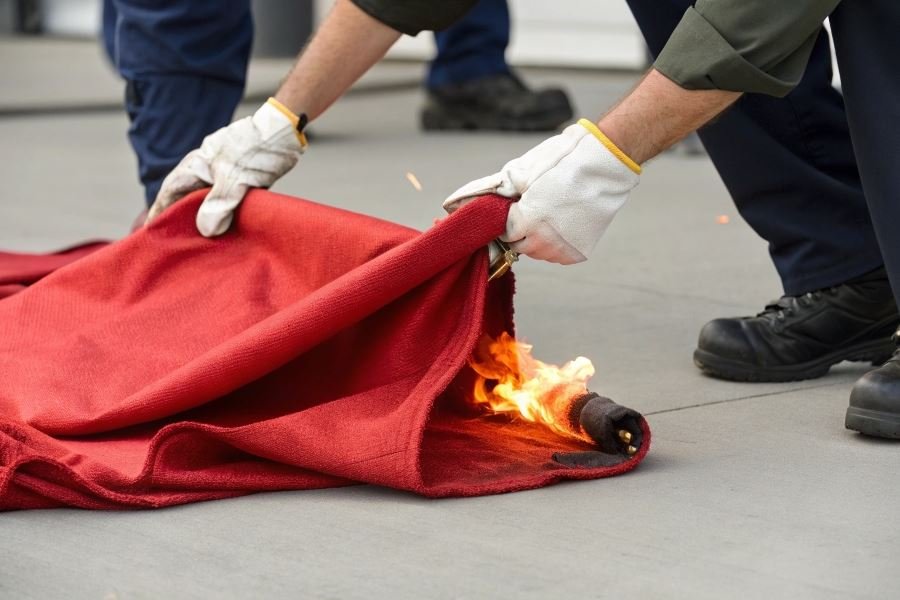
Fire-resistant fabrics represent a critical safety innovation that quite literally stands between life and death in hazardous environments. These specialized textiles are engineered to resist ignition, self-extinguish, or significantly slow flame spread—providing precious seconds that can make all the difference during an emergency. From industrial workwear to home furnishings, these materials serve as silent guardians against one of humanity’s oldest threats.
The effectiveness of these protective fabrics isn’t permanent, however. Multiple factors conspire against their performance over time: exposure to UV radiation, improper washing techniques, contamination with flammable substances, and even simple mechanical wear can dramatically reduce their protective capabilities. A fabric rated for 10 years of protection might offer substantially less if improperly maintained.
“The service life of fire-resistant fabric isn’t just about time—it’s about exposure, treatment, and storage conditions,” notes the National Fire Protection Association in their latest guidelines.
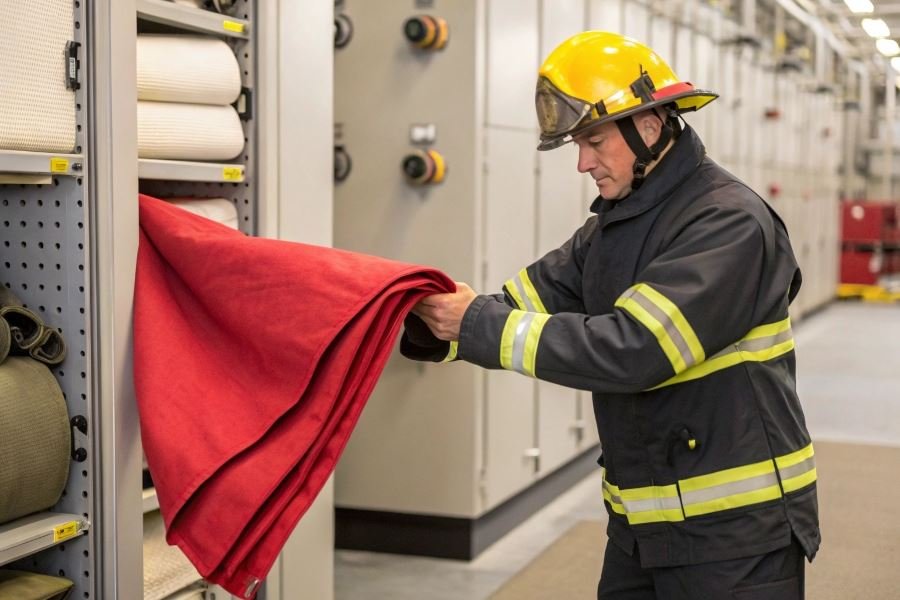
Proper storage emerges as a critical but often overlooked aspect of maintaining these fabrics. The ideal environment features controlled humidity (30-50%), moderate temperatures (60-75°F), protection from direct sunlight, and isolation from chemicals, oils, and other contaminants. When stored properly, many fire-resistant fabrics maintain their protective properties for years beyond their warranty period—offering both extended safety and significant cost savings.
Extending Your FR Fabric’s Lifespan Through Expert Care
Fire-resistant fabrics represent a critical investment in safety that demands proper maintenance to perform when needed most. Unlike regular textiles, these specialized materials contain complex chemical treatments or inherent properties that require specific care protocols to maintain their protective capabilities.
Understanding the service life of fire-resistant fabric and storage rules becomes essential when you’re responsible for maintaining protective gear that could literally save lives. Most FR fabrics are designed to last 3-5 years with proper care, though some premium options from manufacturers like DuPont or Westex can remain effective for 7+ years when maintained according to specifications.
Cleaning Protocols by Fabric Type
Different FR fabrics demand tailored cleaning approaches:
Aramid Fibers (Nomex, Kevlar):
- Wash in warm water (105°F/40°C maximum)
- Use mild detergent without bleach or fabric softeners
- Avoid hydrogen peroxide-based stain removers
- Air dry or tumble dry on low heat
Treated Cotton Blends:
- Machine wash in cold water
- Avoid chlorine bleach which degrades FR properties
- Separate from non-FR items to prevent contamination
- Tumble dry on medium heat to reactivate FR properties
FR Modacrylics:
- Gentle cycle with cold water
- Mild detergent without phosphates
- Hang to dry or tumble on low heat
- Iron on low temperature if necessary
Critical Warning: Never use fabric softeners on any FR fabrics as they leave a flammable residue that compromises protection.
Preserving Protection Through Wear and Tear
Maintaining fire resistance despite daily use requires vigilance:
-
Patch, Don’t Discard: Minor tears can be repaired using specialized FR thread and patches from suppliers like Bulwark
-
Address Contamination Immediately: Oil, grease, and certain chemicals can mask FR properties
- Remove contaminants with spot cleaning before regular washing
- Document exposure to hazardous substances
- Rotation System: Implement a usage rotation to distribute wear evenly across multiple garments
| Wear Indicator | Action Required | Impact on Protection |
|---|---|---|
| Minor fraying | Monitor | Minimal risk |
| Visible thinning | Reinforce area | Moderate risk |
| Holes/tears | Repair or replace | Severe compromise |
| Chemical exposure | Professional testing | Unknown until tested |
Inspection Guidelines for Service Life Assessment
Determining when FR fabric remains safe requires systematic evaluation:
Monthly Visual Inspections:
- Hold fabric to light to identify thinning areas
- Check seams and high-stress points for integrity
- Examine for discoloration indicating chemical exposure
Quarterly Functional Assessments:
- Test water repellency (if applicable) with spray test
- Evaluate stretch recovery in elastic components
- Document findings in maintenance logs
Annual Professional Verification:
- Submit samples for vertical flame testing
- Conduct arc rating verification if used for electrical protection
- Replace items approaching manufacturer’s recommended service life
The most reliable indicator of compromised protection is visible degradation of the fabric structure. When in doubt, replacement is always the safest option—the cost of new FR fabric pales in comparison to the potential human and financial costs of failure.
Mastering Storage for Fire-Resistant Fabrics
Fire-resistant fabrics represent a significant investment in safety and compliance. Yet even the most advanced FR materials can degrade prematurely without proper storage protocols. The difference between fabric that performs as expected during an emergency and one that fails often comes down to how it’s handled between uses.
Environmental Control Creates Longevity
The molecular structure that gives fire-resistant fabric its protective qualities remains sensitive to environmental factors. Optimal storage conditions include:
- Temperature range of 60-75°F (15-24°C) – Excessive heat accelerates chemical breakdown of FR treatments
- Humidity levels between 40-60% – Too dry causes brittleness; too humid promotes mildew growth
- Minimal UV exposure – Ultraviolet light degrades flame retardant chemicals at the molecular level
A 2022 study by the Textile Research Institute found that FR fabrics stored in environments with fluctuating humidity experienced a 27% reduction in flame resistance after just 18 months—a sobering statistic for safety managers.
The enemy of fire-resistant fabric isn’t just flames—it’s improper storage conditions that silently compromise performance long before an emergency occurs.
Folding Techniques That Preserve Performance
How you fold and position FR fabrics dramatically impacts their service life. Implement these professional-grade techniques:
| Technique | Benefits | Avoid |
|---|---|---|
| Roll storage | Prevents hard creases, distributes pressure evenly | Tight folds that stress fibers |
| Acid-free tissue between layers | Prevents transfer of oils and contaminants | Direct contact between different fabric types |
| Vertical hanging for garments | Maintains shape, prevents compression damage | Overcrowded storage that causes crushing |
When storing larger quantities, use breathable covers rather than airtight plastic containers. Plastic traps moisture and volatile compounds that can interact with FR treatments.
Documentation Systems That Protect Your Investment
The most overlooked aspect of FR fabric management is systematic tracking. Implementing robust documentation provides:
- Accurate service life prediction based on manufacturer specifications and actual storage conditions
- Rotation schedules ensuring older inventory gets used first
- Condition assessment protocols with standardized inspection criteria
Leading organizations use digital asset management systems with QR codes or RFID tags to track individual fabric lots. This technology allows instant access to:
- Manufacturing date
- Treatment type and concentration
- Exposure history
- Testing certification dates
- Remaining service life estimates
Smart storage isn’t just about space—it’s about information management that prevents costly surprises.
For critical safety applications, consider implementing environmental monitoring systems that alert managers when storage conditions drift outside acceptable parameters. These systems typically pay for themselves by extending fabric life and preventing premature replacement costs.
By implementing these storage protocols, you’ll maximize the functional lifespan of your fire-resistant fabrics while ensuring they perform as expected when it matters most.
Discover expert guidelines for maximizing the lifespan of fire-resistant fabrics through proper storage and maintenance. Learn essential temperature, humidity, and handling techniques to preserve protective properties and ensure long-term safety compliance.
Discover expert guidelines for maximizing the lifespan of fire-resistant fabrics through proper storage and maintenance. Learn essential temperature, humidity, and handling techniques to preserve protective properties and ensure long-term safety compliance.