Did you know that retail fires cause over $400 million in property damage annually? Behind every successful retail operation lies an invisible shield of protection that most customers never notice—yet it could save countless lives and preserve millions in assets.
Fire protection plates represent the unsung heroes in retail safety infrastructure. These specialized barriers create crucial compartmentation that contains flames and smoke, buying precious time for evacuation and emergency response. When properly installed, they transform ordinary walls, ceilings, and structural elements into formidable fire-resistant barriers.
The compliance imperative
For retail establishments, fire safety isn’t just good practice—it’s mandated by law. The National Fire Protection Association (NFPA) codes, along with local building regulations, establish minimum requirements that vary based on occupancy classification, square footage, and merchandise type. High-risk environments like electronics stores face stricter standards than lower-risk operations.
Protection plate varieties for retail applications
The retail environment demands specific fire protection solutions:
| Plate Type | Best Application | Fire Rating |
|---|---|---|
| Gypsum-based | General retail walls | 1-4 hours |
| Calcium silicate | High-heat areas (kitchens) | 2-6 hours |
| Intumescent | Around electrical fixtures | Expands when heated |
| Vermiculite | Structural steel protection | Lightweight option |
Each material offers unique advantages depending on the specific retail environment, from boutique shops to sprawling department stores. The key lies in selecting the right protection for each vulnerable area while maintaining aesthetic appeal that doesn’t detract from the shopping experience.
The Art of Fire Protection in Retail Environments
Strategic Placement That Saves Lives
Fire protection in retail spaces isn’t just about compliance—it’s about creating an invisible shield that protects customers, employees, and merchandise without anyone noticing it’s there. The strategic placement of fire protection plates represents the cornerstone of an effective safety system. These plates must be installed at critical juncture points where fire spread is most likely to occur: wall intersections, ceiling-to-wall transitions, and around structural supports.
When implementing features of installing fire protection plates in retail spaces, retailers must consider foot traffic patterns and evacuation routes. A well-designed system places higher-rated protection around primary exit pathways, ensuring these crucial escape routes remain viable even during a developing fire event. Data shows that properly placed fire protection can extend evacuation time windows by up to 300%—potentially the difference between life and death.
Seamless Integration With Retail Design
Fire safety doesn’t have to fight with aesthetics. Modern fire protection plates come in designs that complement rather than compromise retail environments:
- Paintable surfaces that accept custom finishes
- Textured options that mimic surrounding materials
- Low-profile installations that minimize visual disruption
The most successful installations incorporate fire protection as part of the initial design phase rather than as an afterthought. Firebloc Systems offers plates that can be integrated directly into display fixtures, creating protection that’s invisible to shoppers but invaluable during emergencies.
Material Selection Based on Risk Assessment
Different retail environments face vastly different fire risks:
| Retail Type | Primary Risk Factors | Recommended Protection |
|---|---|---|
| Fashion | High fabric content, dense displays | Intumescent plates with rapid expansion properties |
| Electronics | Electrical fire potential | Mineral-based plates with high dielectric strength |
| Grocery | Mixed combustibles, cooking areas | Composite plates with water-resistant properties |
| Furniture | High fuel load, open spaces | High-density gypsum with extended burn-through ratings |
The material selection process must account for both the merchandise being protected and the building’s structural composition. For instance, retail spaces in historic buildings often require thinner, lighter fire protection plates to avoid compromising aging structural elements while still meeting modern safety standards.
Performance Under Pressure
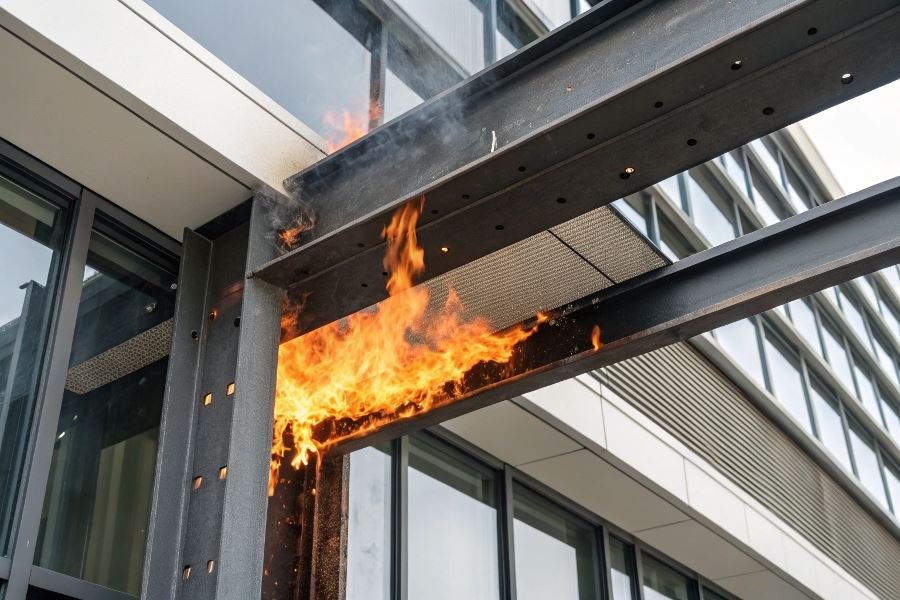
Fire protection plates must perform when it matters most. The highest quality installations use Promat MASTERBOARD or similar products that maintain structural integrity even when exposed to temperatures exceeding 1800°F. These advanced materials create critical time buffers that:
- Prevent flame spread between departments
- Protect structural elements from heat-induced failure
- Contain smoke to minimize visibility issues during evacuation
The difference between standard and premium fire protection materials can be measured in precious minutes—time that allows for complete evacuation before conditions become untenable.
Fire protection plate installation in retail environments represents a perfect marriage of science, design, and safety engineering. When executed properly, it becomes an invisible guardian that stands ready to perform when every second counts.
Mastering Fire Protection in Retail Spaces
Professional Installation Done Right
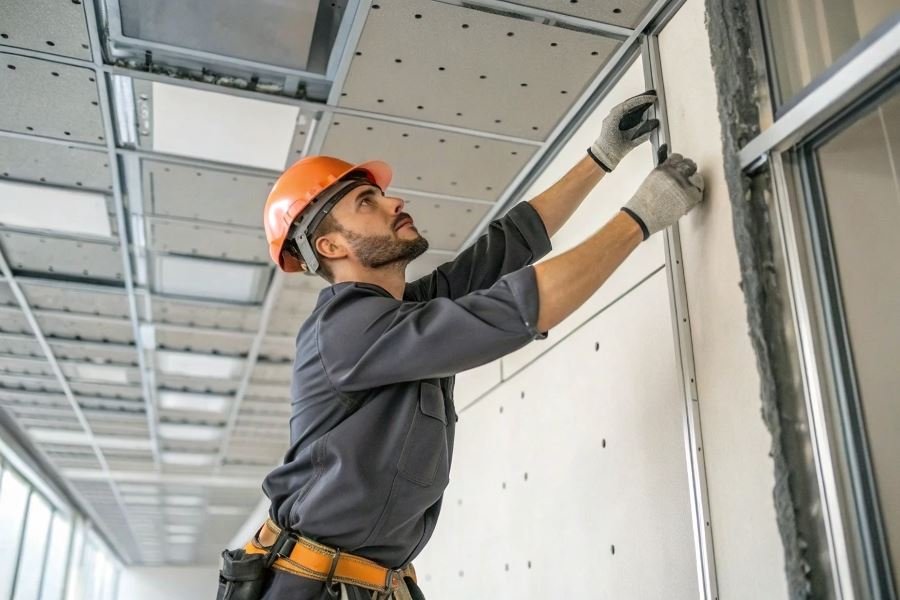
Fire protection plate installation isn’t just about compliance—it’s about crafting a shield between your merchandise and potential disaster. Professional installation begins with comprehensive space assessment, where certified technicians evaluate ceiling heights, existing structures, and potential heat sources.
The installation sequence matters tremendously. Professionals typically start with a detailed grid layout, ensuring plates create seamless protection across the entire retail space. Proper attachment methods are non-negotiable. While lightweight systems might use direct mechanical fastening, heavier fire protection plates often require reinforced mounting systems that can withstand both fire conditions and the weight of the plates themselves.
One critical installation best practice often overlooked: maintaining proper clearance around sprinkler heads. A minimum of 18 inches must separate fire protection plates from sprinkler systems to ensure water dispersal functions correctly during emergencies.
“The difference between amateur and professional installation isn’t visible until fire breaks out—then it becomes the difference between minor damage and total loss.”
Inspection and Maintenance Protocols
Fire protection plates aren’t “install and forget” solutions. Regular inspection schedules form the backbone of effective protection. Quarterly visual inspections should check for:
- Plate displacement or sagging
- Damage to protective coatings
- Seal integrity between plates
- Signs of water damage or moisture intrusion
Annual comprehensive inspections should include testing of fire resistance ratings and verification that plates haven’t been compromised by store renovations or utility modifications.
Maintenance protocols vary by plate type, but generally include:
| Plate Type | Inspection Frequency | Maintenance Requirements |
|---|---|---|
| Gypsum-based | Quarterly | Seal repair, surface inspection |
| Calcium silicate | Semi-annually | Coating verification, edge sealing |
| Vermiculite | Annually | Density testing, moisture assessment |
| Intumescent | Quarterly | Coating integrity check, expansion testing |
Documentation of all inspections and maintenance becomes invaluable during insurance reviews and compliance audits. Digital record-keeping systems from providers like FireProtect have become industry standard for tracking maintenance history.
The Business Case for Quality Protection
Initial installation costs for fire protection plates typically range from $7-15 per square foot, depending on plate type and complexity of installation. However, focusing solely on upfront costs misses the bigger financial picture.
The ROI calculation must include:
Direct savings:
- Insurance premium reductions (typically 15-25%)
- Extended building lifespan
- Reduced downtime after minor incidents
Indirect benefits:
- Customer perception of safety
- Employee confidence
- Regulatory compliance without penalties
For retail spaces exceeding 10,000 square feet, enterprise-grade fire protection systems from manufacturers like USG Fireproofing deliver lifetime protection costs averaging $1.20 per square foot annually when installation, maintenance, and replacement are calculated over a 20-year period.
Smart retailers recognize that proper fire protection represents business continuity insurance. When comparing installation and maintenance costs against potential inventory loss, structural damage, and business interruption, the investment becomes remarkably clear. The most expensive fire protection system is the one that fails when needed.
Discover essential best practices for installing fire protection plates in retail spaces. Learn strategic placement, material selection, and maintenance protocols that ensure compliance while preserving your store's aesthetic appeal and customer safety.
Discover essential best practices for installing fire protection plates in retail spaces. Learn strategic placement, material selection, and maintenance protocols that ensure compliance while preserving your store's aesthetic appeal and customer safety.