What’s standing between your facility and a potential disaster? The humble fire shield—a critical component that rarely gets the spotlight until it’s needed most. Yet choosing between metal and plastic options isn’t just a procurement decision; it’s a strategic safety choice with far-reaching implications.
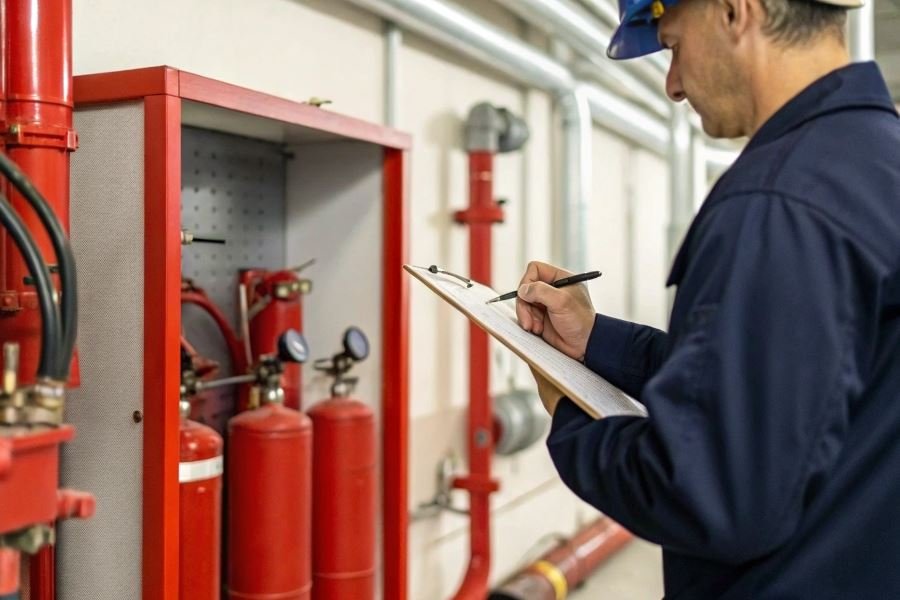
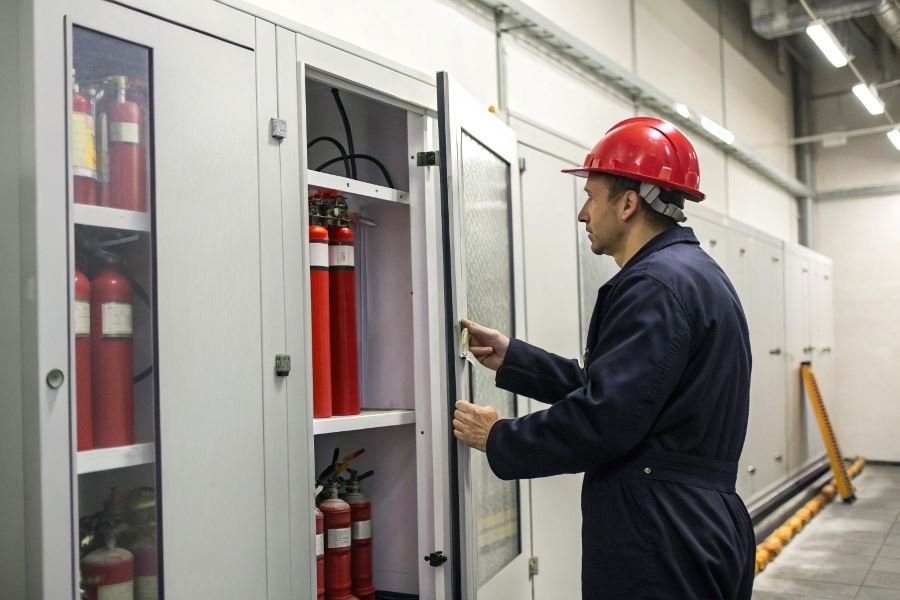
Fire shields serve as organized stations housing essential firefighting equipment—extinguishers, hoses, alarms, and emergency instructions—creating centralized safety hubs for rapid response during emergencies. They transform scattered safety tools into cohesive systems that can save lives when seconds count.
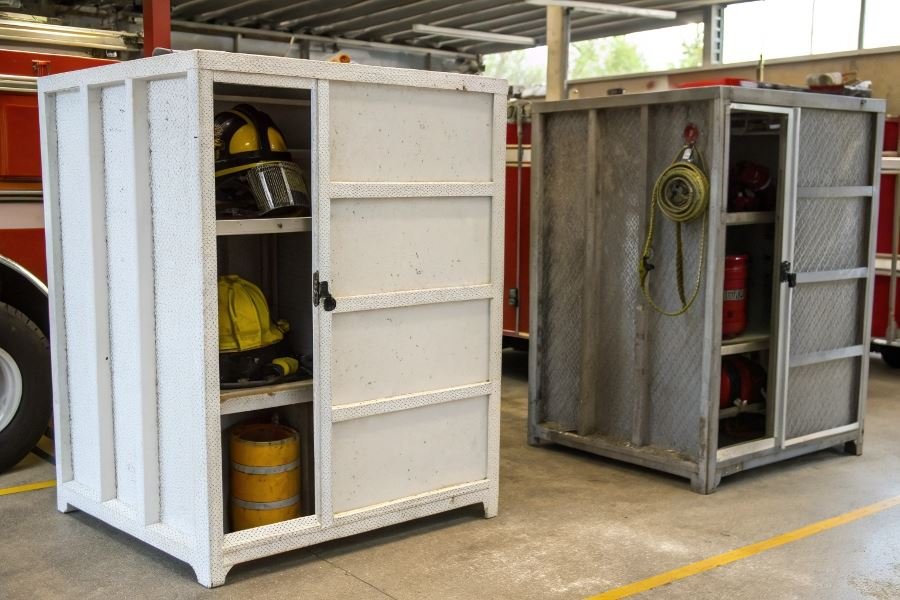
The metal-versus-plastic debate centers on fundamental material properties. Metal shields offer exceptional durability and heat resistance, standing strong in harsh industrial environments where temperatures fluctuate dramatically. Their robust construction withstands physical impacts that would compromise alternatives. Meanwhile, plastic shields bring lightweight versatility, corrosion resistance, and often lower upfront costs—making them attractive for indoor applications where extreme conditions aren’t a factor.
Selecting the appropriate material isn’t merely about preference; it’s about matching shield properties to specific environmental demands. A manufacturing plant with high heat processes demands different protection than a climate-controlled office building. The right choice depends on:
- Environmental exposure (indoor vs. outdoor)
- Temperature extremes
- Potential for physical impact
- Presence of corrosive chemicals
- Budget constraints (both immediate and long-term)
Your safety system’s effectiveness ultimately hinges on this seemingly simple material decision. Choose wisely.
Metal vs Plastic Fire Shields: The Ultimate Material Showdown
Durability That Stands the Test of Time
When safety equipment needs to last, material choice becomes critical. Metal fire shields—typically constructed from steel, aluminum, or specialized alloys—offer exceptional durability with lifespans often exceeding 20 years when properly maintained. These robust shields withstand physical impacts, resist corrosion (especially when powder-coated), and maintain structural integrity through repeated use.
The comprehensive comparison of metal and plastic fire shields reveals that high-density polyethylene (HDPE) and fiberglass-reinforced plastic (FRP) shields typically last 5-10 years before showing significant wear. While modern plastics incorporate UV stabilizers and impact modifiers, they remain vulnerable to environmental degradation, particularly in extreme temperatures or harsh weather conditions.
Fire Resistance: When Degrees Matter
Metal shields dominate in temperature resistance, withstanding temperatures up to 1200°F (649°C) for steel variants. Aluminum shields, while lighter, still perform admirably at thresholds around 900°F (482°C). This superior heat resistance makes metal the go-to choice for high-risk environments.
Plastic alternatives have made significant advances but face inherent limitations. Most fire-rated plastics can withstand temperatures between 200-400°F (93-204°C) before compromising structural integrity. Some specialized composites push this boundary to 600°F (316°C), but at substantially higher costs.
Investment Economics
| Material | Initial Cost | Lifespan | Maintenance Cost | Total 10-Year Cost |
|---|---|---|---|---|
| Steel | $800-1,500 | 20+ years | $50-100/year | $1,300-2,500 |
| Aluminum | $1,000-1,800 | 15+ years | $75-150/year | $1,750-3,300 |
| HDPE | $400-900 | 5-8 years | $25-75/year | $1,050-2,100 |
| FRP | $600-1,200 | 7-10 years | $30-80/year | $900-2,000 |
While plastic shields offer lower upfront costs—often 40-60% less than metal counterparts—the total cost of ownership tells a different story. The replacement frequency of plastic shields can ultimately make them comparable or even more expensive over a 10-year period.
Weight and Installation Considerations
The installation experience differs dramatically between materials. Metal shields typically weigh 30-80 pounds, requiring proper mounting hardware and sometimes multiple installers. This weight contributes to stability but complicates repositioning and installation.
Plastic alternatives shine in maneuverability, weighing just 10-25 pounds. This lightweight nature allows for:
- Single-person installation
- Easier repositioning during emergencies
- Reduced shipping costs
- Less robust mounting requirements
Maintenance requirements favor plastic with simple soap-and-water cleaning protocols. Metal shields require periodic inspection for corrosion, repainting, and hardware tightening—though this maintenance ensures their superior longevity.
Meeting Regulatory Standards
Certification matters more than material. Both metal and plastic fire shields can achieve compliance with NFPA (National Fire Protection Association) standards, particularly NFPA 10 for portable fire extinguishers and NFPA 170 for fire safety symbols.
Metal shields typically exceed minimum requirements for UL (Underwriters Laboratories) ratings and OSHA compliance. Plastic shields require more extensive testing to achieve equivalent certifications, but manufacturers have developed specialized formulations that meet necessary standards.
The critical factor isn’t necessarily the base material but ensuring whatever shield you select carries appropriate certifications for your specific application and local code requirements.
Making the Right Choice: Metal vs Plastic Fire Shields
When safety meets strategy, choosing between metal and plastic fire shields becomes more than a procurement decision—it’s an investment in facility protection. Let’s cut through the noise and establish a framework that guides your selection process with precision and foresight.
Matching Shields to Facility Needs
The decision between metal and plastic fire shields hinges primarily on your facility’s specific characteristics. Manufacturing plants with high heat-generating equipment or chemical processing facilities demand the superior heat resistance of metal shields. The National Fire Protection Association reports that facilities with proper material-matched fire protection equipment reduce incident severity by up to 60%.
For office environments, educational institutions, or retail spaces where aesthetics matter alongside safety, modern polycarbonate shields offer sufficient protection without the industrial appearance of metal options.
Risk assessment should drive your decision:
| Risk Factor | Metal Recommended | Plastic Viable |
|---|---|---|
| High heat exposure | ✓ | |
| Chemical presence | ✓ | |
| Outdoor installation | ✓ | |
| Corrosive environment | ✓ | |
| Weight restrictions | ✓ | |
| Frequent relocation needs | ✓ |
Critical insight: Don’t base your decision solely on upfront costs. A comprehensive risk assessment might reveal that the seemingly expensive metal option actually represents the only viable solution for your specific hazard profile.
The Economics of Protection
When analyzing long-term value, the initial sticker shock of premium metal shields—often 30-40% higher than plastic alternatives—quickly dissolves under scrutiny.
Metal fire shields typically offer:
- 15-20 year service life (versus 5-7 for standard plastic)
- Minimal maintenance requirements
- Superior resistance to environmental degradation
The true cost equation must factor in replacement frequency, maintenance hours, and potential downtime during replacements.
A manufacturing facility investing $3,500 in high-grade metal shields might save $7,000+ over a decade compared to replacing plastic alternatives multiple times, not counting the reduced administrative burden of fewer procurement cycles.
Tomorrow’s Fire Protection Landscape
The fire safety industry isn’t standing still. Emerging trends are reshaping both metal and plastic shield options:
-
Composite hybrids combining metal frames with advanced polymer panels offer unprecedented strength-to-weight ratios
-
Smart integration capabilities are appearing in premium shields, with embedded sensors that monitor temperature changes and connect to facility management systems
-
Sustainable manufacturing processes are reducing the environmental impact of both materials, with recycled content becoming standard in quality shields from manufacturers like FireTech Systems and SafetyFirst Equipment
The most forward-thinking facilities are already adopting shields with QR-linked digital maintenance records and compliance documentation.
The ideal shield selection balances immediate protection needs with adaptability to evolving safety standards. While metal shields continue to dominate high-risk environments, next-generation plastic composites are narrowing the performance gap while offering significant weight and customization advantages.
Your decision framework should prioritize protection level first, followed by service life considerations, and finally, compatibility with your facility’s aesthetic and functional requirements. This balanced approach ensures you’re not just checking a compliance box—you’re making a strategic investment in comprehensive fire safety.
Discover which fire shield material offers superior protection for your facility. Our in-depth comparison of metal vs plastic fire shields examines durability, temperature resistance, compliance standards, and cost-effectiveness to help you make the safest choice.
Discover which fire shield material offers superior protection for your facility. Our in-depth comparison of metal vs plastic fire shields examines durability, temperature resistance, compliance standards, and cost-effectiveness to help you make the safest choice.