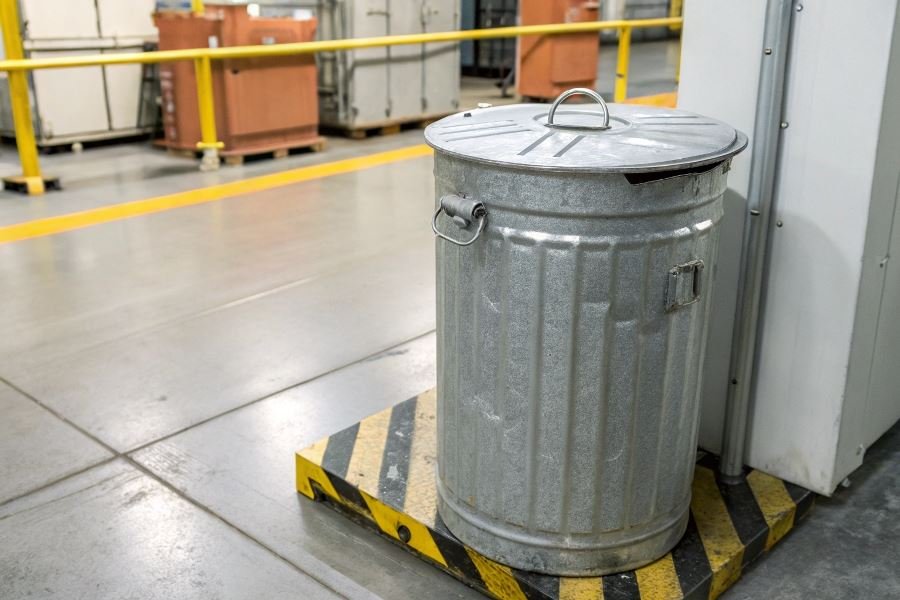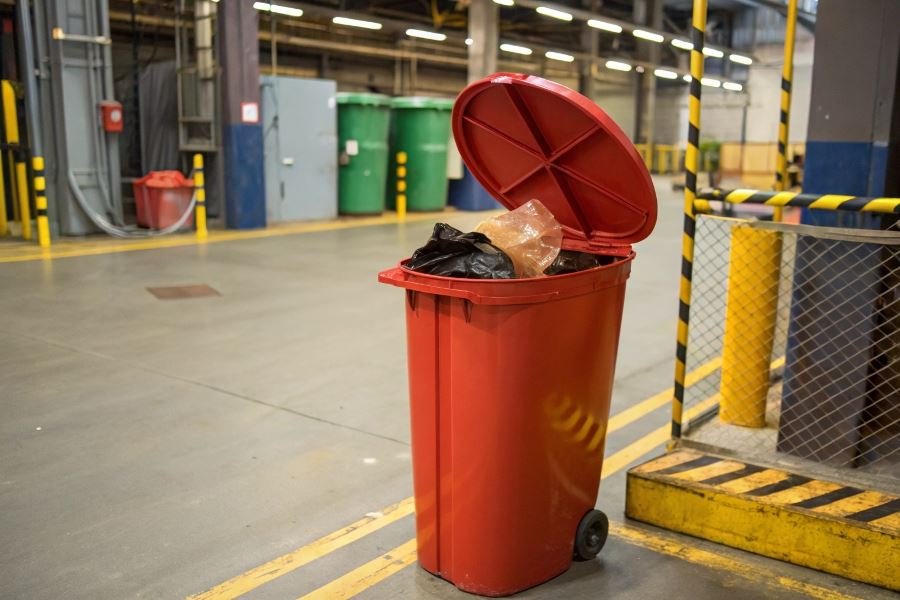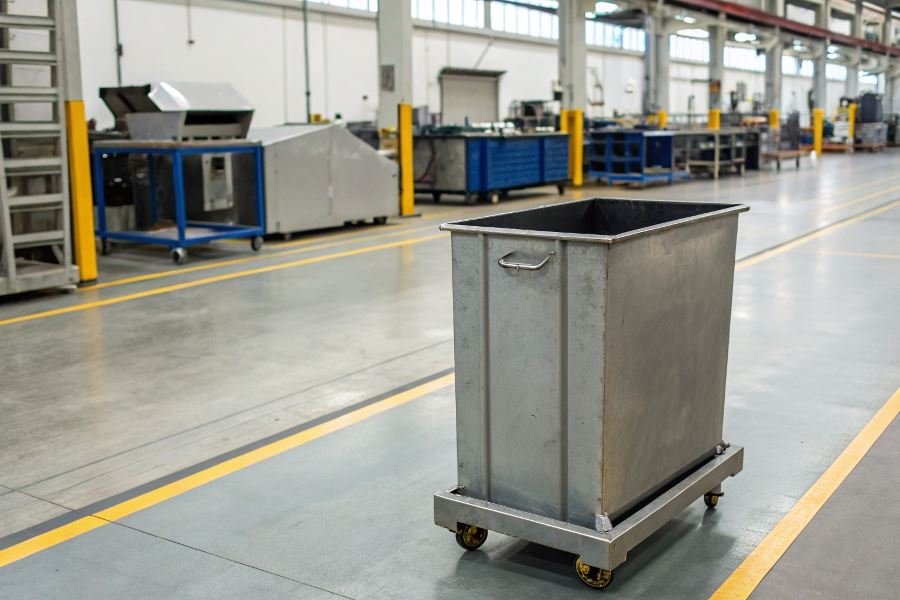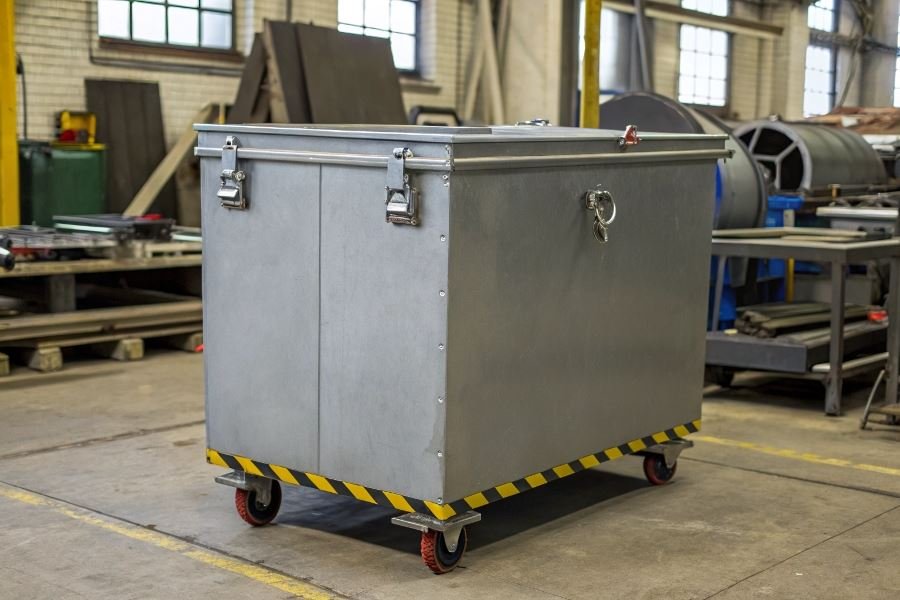
Ever walked into a workshop where oily rags spilled over a tiny container, creating both an eyesore and a fire hazard? Or perhaps you’ve seen the opposite—a massive industrial bin with just a handful of cloths at the bottom, wasting valuable floor space. The difference between these scenarios isn’t just aesthetics—it’s efficiency, safety, and compliance.
Proper rag bin sizing remains one of the most overlooked aspects of workplace organization, yet it impacts everything from workflow to regulatory compliance. A study by the National Safety Council found that improper waste management contributes to 21% of workplace accidents in manufacturing environments.
The optimal size of a rag bin isn’t a one-size-fits-all equation. It depends on three critical factors: usage frequency, available space, and rag type. A high-volume auto repair shop generating dozens of oil-soaked rags daily requires significantly different capacity than a small jewelry workshop using minimal polishing cloths.
“The right-sized rag bin is like a well-tailored suit—it should fit your operation perfectly without restricting movement or creating excess.”
Regulatory considerations further complicate the equation. OSHA standards require that containers for combustible materials must have self-closing lids and be constructed of non-combustible materials. The National Fire Protection Association (NFPA) adds that bins containing oil-soaked rags must be emptied daily—meaning your bin should never exceed what can reasonably be processed in a 24-hour period.
Finding this balance between capacity, space efficiency, and compliance creates the foundation for a safer, more productive workspace.
Right-Sizing Your Rag Bins for Commercial Success
When managing waste in commercial settings, the details make all the difference. Selecting appropriately sized rag bins isn’t just about accommodating volume—it’s about optimizing workflow, maintaining safety standards, and ensuring efficient disposal processes. What is the optimal size of a rag bin for different types of premises depends on several factors including waste generation rate, available space, and frequency of collection.
Industrial Powerhouses Need Industrial Solutions
Manufacturing and industrial facilities generate substantial amounts of oily, solvent-soaked, and chemically treated rags daily. These environments demand robust solutions that can handle high volume without frequent emptying.
20-50 gallon capacity bins prove ideal for these settings, offering:
- Sufficient volume to accommodate multiple shifts without overflow
- Sturdy construction that withstands harsh industrial environments
- Self-closing lids that prevent oxygen from reaching potentially combustible materials
- Wide openings that facilitate easy disposal during fast-paced operations
A major automotive plant might require several 50-gallon units strategically placed throughout the facility, while smaller machine shops might function efficiently with 25-30 gallon models positioned at key workstations.
Restaurant Rag Management That Serves Up Efficiency
Food service establishments face unique challenges with grease-soaked rags, food-contaminated cloths, and sanitizing wipes that require proper containment to prevent odors and contamination.
10-20 gallon capacity bins work best in these environments because they:
- Fit comfortably in tight kitchen spaces without impeding workflow
- Allow for daily disposal cycles that prevent food waste odors
- Include antimicrobial features that inhibit bacterial growth
- Often feature foot pedals for hands-free operation during food preparation
| Restaurant Type | Recommended Capacity | Key Features |
|---|---|---|
| Fast Food | 15-20 gallons | Wheeled base, high-volume lid |
| Fine Dining | 10-15 gallons | Sleek design, odor control |
| Cafeteria | 15-20 gallons | Multiple units, durable construction |
Corporate Environments Demand Discreet Solutions
Office buildings and corporate settings generate fewer soiled rags but still require appropriate containment solutions for cleaning materials, especially in janitorial closets and maintenance areas.
5-15 gallon capacity bins strike the perfect balance by:
- Maintaining a professional appearance that blends with office aesthetics
- Providing sufficient capacity for daily cleaning operations
- Featuring slim profiles that fit in utility closets and under sinks
- Including locking mechanisms that secure potentially hazardous cleaning materials
Many corporate facilities opt for Rubbermaid Commercial Products solutions that offer 10-gallon capacity with sleek designs that don’t detract from professional environments.
The right-sized rag bin does more than just hold waste—it contributes to operational efficiency, safety compliance, and even aesthetic considerations. By matching bin capacity to your specific commercial environment, you’ll optimize both space utilization and waste management processes while maintaining the professional standards your business demands.
Making the Right Rag Bin Decision for Your Space
Choosing the optimal rag bin size isn’t just about available floor space—it’s about creating an efficient waste management system that protects your facility while maximizing operational efficiency. After examining various environments and their unique needs, let’s bring everything together to help you make a decision that balances practicality, safety, and cost-effectiveness.
Key Factors That Should Drive Your Decision
When selecting your rag bin size, five critical considerations should guide your choice:
- Daily rag volume – The quantity of soiled rags your operation generates daily
- Available floor space – The physical constraints of your facility
- Fire safety requirements – Compliance with local fire codes
- Emptying frequency preferences – How often you want staff handling waste
- Budget constraints – Initial investment versus long-term operational costs
The most successful implementations match bin capacity precisely to waste generation patterns. A manufacturing facility producing 15 gallons of oily rags daily will quickly overwhelm a 10-gallon container, creating dangerous overflow situations.
Cost-Benefit Analysis of Different Sizing Options
| Bin Size | Initial Investment | Annual Operational Cost | Best For |
|---|---|---|---|
| Small (7-10 gal) | $89-150 | $1,200-1,800 | Small workshops, beauty salons |
| Medium (20-30 gal) | $180-350 | $1,500-2,400 | Auto repair shops, medium manufacturing |
| Large (40-55 gal) | $300-600 | $2,000-3,200 | Industrial settings, large garages |
The true cost of a rag bin extends far beyond the initial purchase. A smaller bin might save $200-300 upfront but could require twice-weekly collection services instead of weekly pickups, potentially doubling your annual waste management costs.
The most expensive bin is often the wrong-sized one—either too small (creating safety hazards) or too large (wasting valuable space and money).
Optimizing Your Emptying Schedule
Your emptying schedule should align with both your bin size and operational patterns:
Small bins (7-10 gallons):
- Typically require emptying every 2-3 days
- Best for spaces with limited rag usage or strict space constraints
- Work well with in-house disposal systems
Medium bins (20-30 gallons):
- Generally need weekly emptying
- Provide good balance between capacity and footprint
- Ideal for most commercial operations
Large bins (40-55 gallons):
- Can often go 10-14 days between services
- Reduce labor costs associated with frequent emptying
- Require proper ventilation and fire safety measures
Pro tip: Schedule emptying at 75% capacity rather than waiting until bins are completely full. This prevents overflow issues and reduces fire risks substantially.
The most successful maintenance schedule accounts for business cycles. Manufacturing facilities might generate more waste during peak production periods, requiring temporary adjustments to emptying frequency.
By carefully matching your bin size to your specific operational needs, considering both immediate and long-term costs, and establishing an appropriate emptying schedule, you’ll create a rag management system that enhances safety, improves efficiency, and ultimately protects your bottom line. The perfect rag bin solution isn’t just about waste containment—it’s about creating a seamless component in your facility’s operational excellence.
Discover the optimal rag bin sizes for industrial facilities, restaurants, and offices. Learn key factors affecting proper waste management, regulatory considerations, and maintenance schedules to maximize efficiency in commercial spaces.
Discover the optimal rag bin sizes for industrial facilities, restaurants, and offices. Learn key factors affecting proper waste management, regulatory considerations, and maintenance schedules to maximize efficiency in commercial spaces.