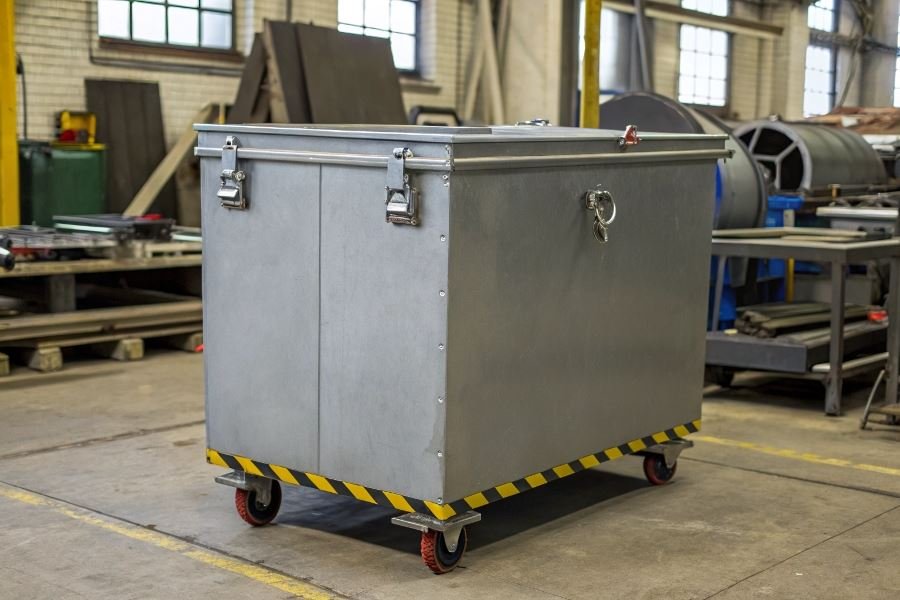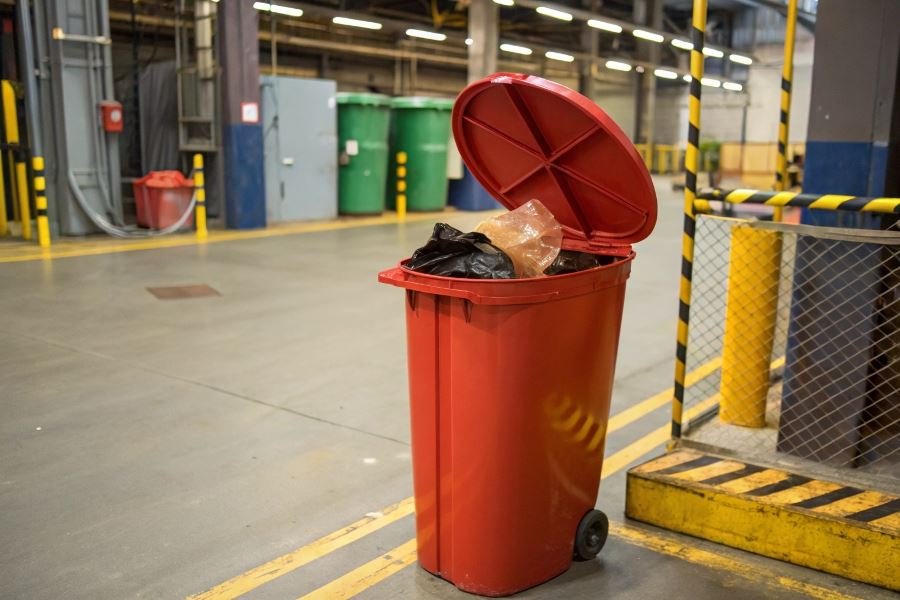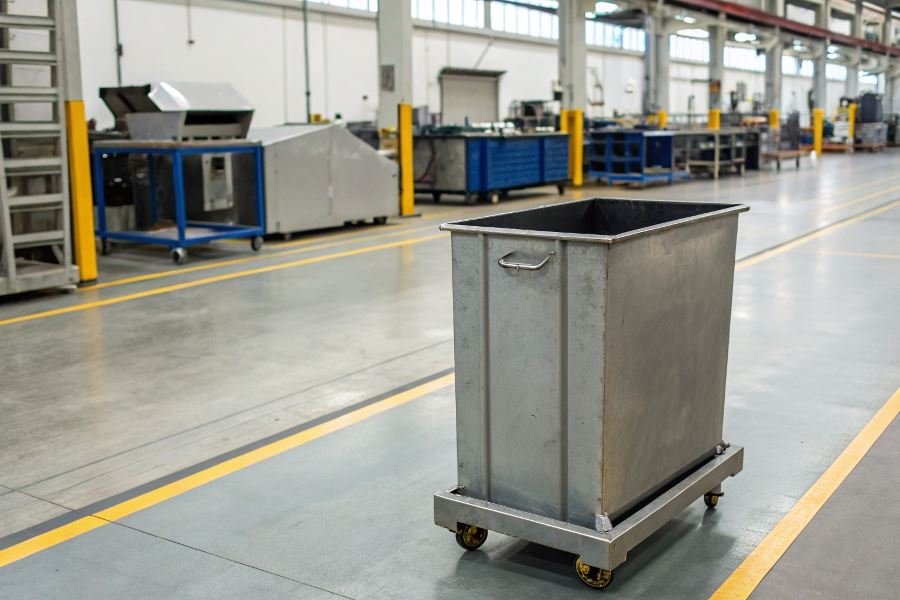
Did you know that improperly stored rags caused over 14,000 workplace fires in the last decade alone? The humble rag container—often overlooked in facility management—stands as a frontline defense against potentially catastrophic incidents in production environments.
When production facilities implement proper rag management systems, they’re not just checking a compliance box—they’re creating a foundation for operational excellence. The National Fire Protection Association (NFPA) established comprehensive guidelines following the devastating Triangle Shirtwaist Factory fire of 1911, which claimed 146 lives and forever changed workplace safety regulations. These standards have evolved into today’s robust framework that governs how facilities must handle potentially combustible materials.
At its core, effective rag container placement follows three critical principles:
- Strategic positioning – Containers must be accessible yet not obstruct emergency exits
- Self-closing lids that prevent oxygen from feeding potential combustion
- Fire-resistant construction that contains rather than spreads flames
“Proper rag disposal isn’t just about compliance—it’s about creating a culture where safety becomes second nature.” — Occupational Safety and Health Administration
The regulatory landscape includes OSHA standard 1910.106, which specifically addresses containers for flammable materials. This framework doesn’t exist in isolation but works in concert with local fire codes and industry-specific regulations to create comprehensive protection systems.
When implemented correctly, these standards don’t just prevent disasters—they enhance workflow efficiency, reduce insurance premiums, and demonstrate a commitment to employee wellbeing that resonates throughout the organization.
Safety-First Rag Container Placement for Production Facilities
Strategic Distancing from Ignition Sources
When it comes to standards for the placement of rags containers in production areas, distance requirements represent the first line of defense against potential fire hazards. The National Fire Protection Association (NFPA) mandates that containers holding soiled rags must be positioned at least 10 feet away from any ignition source—including welding stations, open flames, and high-temperature equipment. This isn’t merely a suggestion; it’s a critical safety requirement that dramatically reduces fire risk in manufacturing environments.
Real-world implementation matters: A manufacturing facility that positions rag containers too close to heat-generating equipment creates a ticking time bomb. Oil-soaked rags can spontaneously combust at temperatures as low as 120°F—far lower than many assume. Proper container placement following established standards prevents this common but dangerous scenario.
Clear Pathways Save Lives
Exit pathways must remain unobstructed at all times, with rag containers positioned at least 5 feet from any emergency exit route. The Occupational Safety and Health Administration (OSHA) specifically prohibits placing waste containers in a manner that could impede evacuation during an emergency.
Smart facility managers create designated container zones marked with floor tape or paint to ensure consistent compliance with these placement requirements.
Ventilation: The Overlooked Safety Factor
Proper ventilation around rag containers isn’t just about odor control—it’s a critical safety consideration. Containers should be placed in areas with:
- Minimum air exchange rate of 6-12 complete air changes per hour
- Natural cross-ventilation when possible
- No “dead air” zones where fumes can concentrate
Inadequate ventilation allows volatile organic compounds (VOCs) to accumulate, creating both respiratory hazards and increased fire risk. The American Conference of Governmental Industrial Hygienists recommends positioning containers where airflow naturally moves potential fumes away from work areas and toward exhaust systems.
Container Construction Requirements
| Feature | Requirement | Purpose |
|---|---|---|
| Material | 18-gauge steel minimum | Fire resistance |
| Lid Design | Self-closing, spring-loaded | Oxygen limitation |
| Base | Raised 2″ minimum | Heat dissipation |
| Capacity | Maximum 10 gallons | Fire load limitation |
The self-closing lid requirement deserves special attention. This seemingly simple feature prevents oxygen from feeding potential combustion reactions inside the container. The Underwriters Laboratories testing shows that properly designed self-closing lids can prevent flash fires from spreading beyond the container, even when containing highly flammable materials.
Daily Inspection and Maintenance
While not explicitly a placement standard, container maintenance directly impacts safe positioning. Containers should be placed where they can be:
- Easily inspected daily for damage
- Readily accessible for emptying (minimum once per shift)
- Quickly relocated if surrounding conditions change
The Chemical Safety Board has documented numerous incidents where damaged containers contributed to workplace fires, underscoring the importance of regular inspection.
By adhering to these strategic placement standards, production facilities dramatically reduce fire risks while maintaining operational efficiency. The modest investment in proper containers and thoughtful placement delivers extraordinary safety returns.
Turning Rag Management into a Competitive Advantage
Documentation That Drives Compliance
The difference between a mediocre rag management program and one that prevents workplace incidents lies in documentation. The most successful manufacturing facilities maintain comprehensive written standards that detail exact container specifications, placement requirements, and handling procedures. These documents shouldn’t gather dust on a shelf—they should become living references that evolve with your operation.
Employee training protocols must go beyond simple awareness. Top-performing facilities implement multi-tiered training approaches:
- Initial onboarding with hands-on demonstrations
- Department-specific training addressing unique hazards
- Quarterly refreshers using real incident case studies
- Competency verification through practical assessments
A manufacturing client in Detroit transformed their compliance rates from 68% to 97% by implementing digital training modules with interactive simulations. Their secret? Making the consequences of improper rag storage visceral and memorable.
Inspection Systems That Actually Work
Regular inspections form the backbone of any effective rag container management system. The most successful programs share these characteristics:
- Frequency based on risk assessment, not arbitrary schedules
- Clear accountability with designated inspectors
- Digital documentation with photo verification
- Trend analysis to identify problem areas
The inspection process should reveal opportunities, not just violations.
| Inspection Element | Traditional Approach | Advanced Approach |
|---|---|---|
| Documentation | Paper checklists | Mobile app with geolocation |
| Frequency | Monthly | Risk-based (daily to quarterly) |
| Follow-up | Email notifications | Automated workflow with escalation |
| Analysis | Spreadsheet tracking | Predictive analytics dashboard |
Companies using advanced inspection methodologies report 43% fewer fire code violations and significantly reduced insurance premiums. The investment in sophisticated inspection protocols typically pays for itself within 18 months.
Adapting Standards to Evolving Workspaces
Production areas rarely remain static. Equipment gets moved, processes change, and workflow patterns evolve. Your rag container placement strategy must adapt accordingly.
Best practices for updating standards include:
- Change management integration – Incorporate rag container placement reviews into all facility modification processes
- 3D mapping technology – Use digital twins of your facility to simulate optimal container placement
- Heat mapping – Analyze traffic patterns and rag usage density to optimize container locations
- Stakeholder involvement – Include production workers in placement decisions
When Autodesk facility planning tools were implemented at a Texas manufacturing plant, they reduced walking distance to rag containers by 31%, improving both safety compliance and productivity.
The most successful facilities treat rag container placement as a strategic advantage rather than a compliance burden.
By implementing these sophisticated approaches to documentation, inspection, and adaptation, manufacturing facilities can transform a basic safety requirement into a competitive operational advantage that protects both people and profits.
Discover essential safety standards for rag container placement in industrial settings. Learn proper distances from ignition sources, ventilation requirements, and compliance protocols to prevent workplace fires and maintain OSHA compliance.
Discover essential safety standards for rag container placement in industrial settings. Learn proper distances from ignition sources, ventilation requirements, and compliance protocols to prevent workplace fires and maintain OSHA compliance.