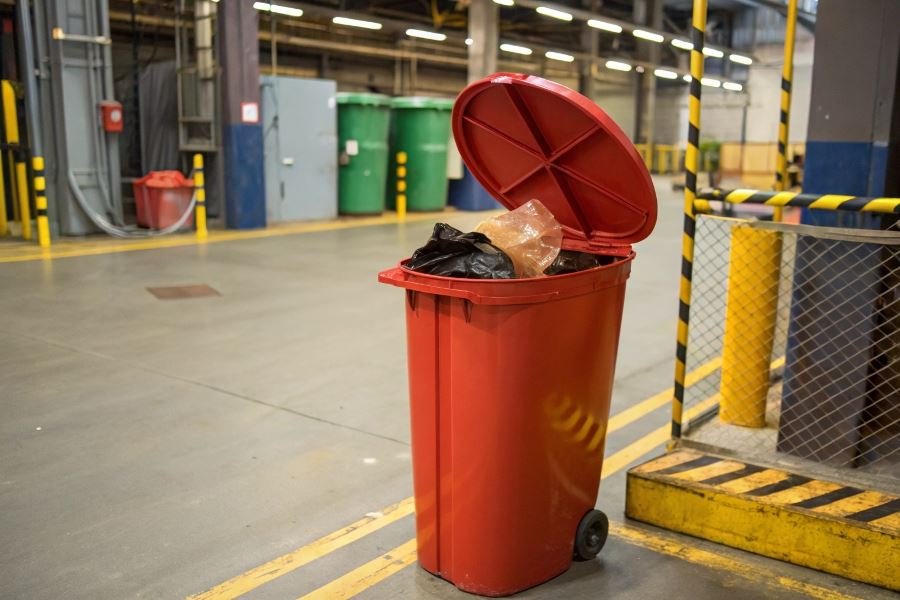
Did you know that improperly stored oily rags cause over 14,000 fires annually in the United States? That’s one workshop, garage, or industrial facility going up in flames every 37 minutes due to a preventable hazard hiding in plain sight.
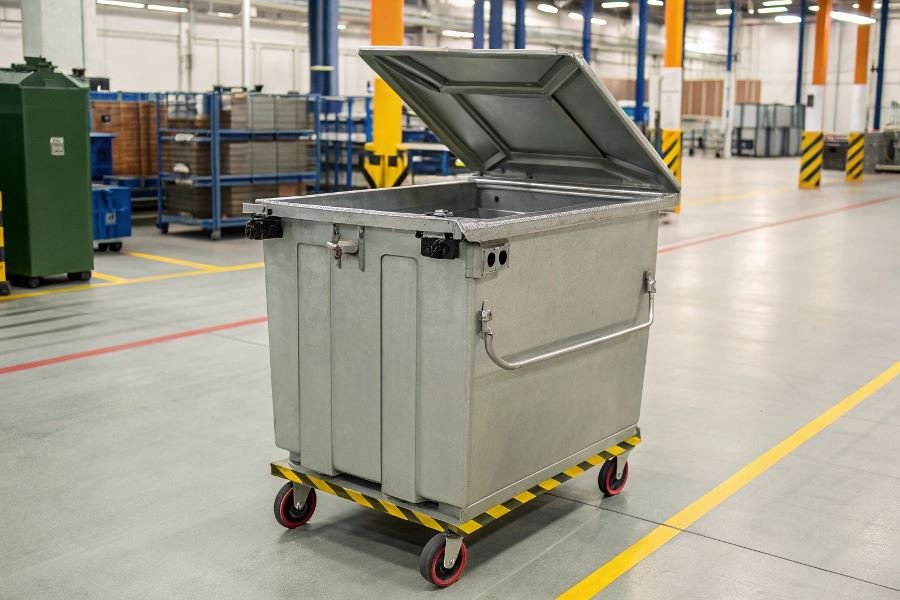
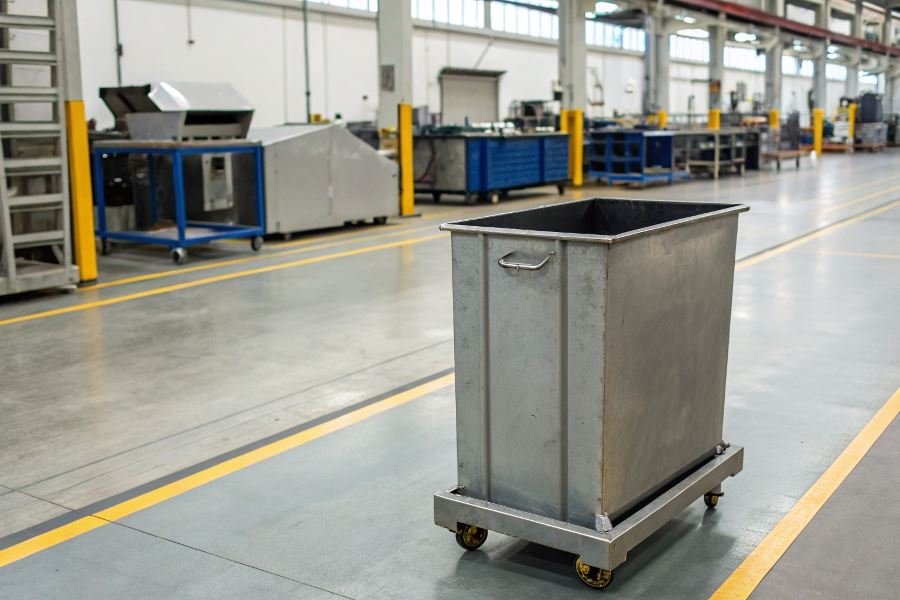
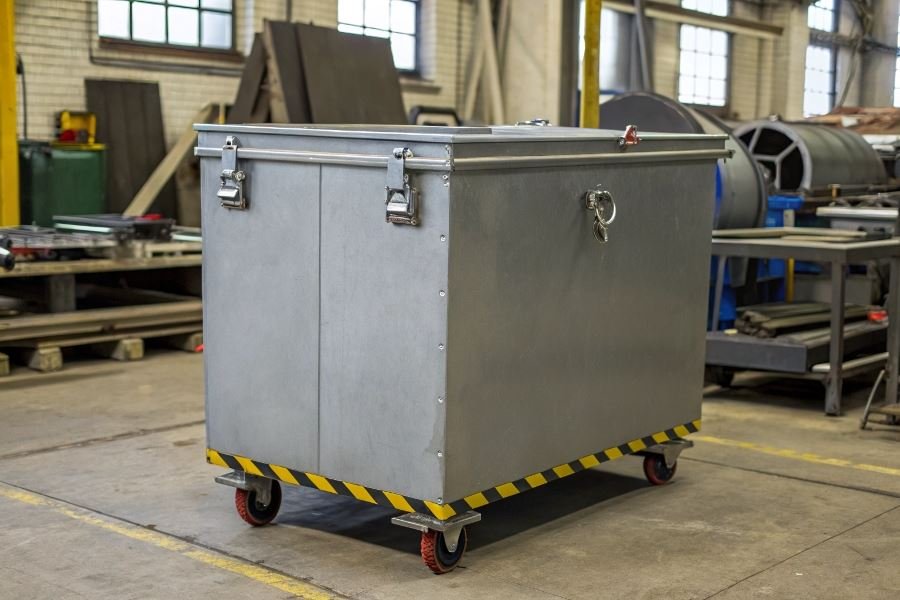
Fireproof covered rag boxes represent the frontline defense against one of the most overlooked workplace dangers: spontaneous combustion. These specialized containers aren’t just metal boxes—they’re engineered safety systems designed to contain and neutralize the chemical reactions that turn discarded rags into potential infernos.
When oils oxidize, they generate heat. In a pile of rags, this heat becomes trapped, temperatures rise, and eventually, ignition occurs—without any external flame source. This process happens silently and can develop over hours or even days, often when facilities are unoccupied.
“The most dangerous fire is the one you never see coming.” — Fire safety professionals know that proper waste management isn’t just about cleanliness; it’s about survival.
OSHA regulations (29 CFR 1910.106) and NFPA standards specifically address proper disposal of combustible materials, requiring businesses to use approved metal containers with self-closing lids. Non-compliance doesn’t just risk devastating fires—it exposes businesses to significant fines and potential liability issues.
The right fireproof rag storage solution offers three critical advantages:
- Oxygen limitation through self-closing lids that prevent air circulation
- Heat dissipation via specially designed metal construction
- Containment that prevents fire spread if ignition does occur
For workshops handling linseed oil, stains, solvents, or finishing products, these aren’t optional safety measures—they’re essential protection for your livelihood.
The Engineering Behind Fireproof Rag Storage
Self-closing lids that save lives
When flammable rags spontaneously combust, it’s not the fabric itself that’s the primary culprit—it’s oxygen. Modern fireproof covered rags boxes feature ingeniously designed self-closing lids that operate on a beautifully simple principle: gravity. These lids remain closed by default, requiring deliberate action to open them. The moment you release the lid, it returns to its closed position, creating an immediate oxygen-limiting environment.
The features and advantages of fireproof covered rags boxes extend far beyond mere storage. These specialized containers represent a critical safety infrastructure in workshops, manufacturing facilities, and maintenance departments where oily rags pose a constant combustion threat. The self-closing mechanism typically employs a fusible link that melts at specific temperatures (usually around 165°F), ensuring the lid remains sealed even tighter during heat events.
Oxygen restriction is the cornerstone of prevention. When properly designed, these containers reduce oxygen levels below the 16% threshold needed to sustain combustion. Premium models incorporate overlapping lid designs and precision-engineered tolerances that create near-airtight seals, effectively starving potential fires of the oxygen they need to develop.
Materials engineered for extreme conditions
Fire-resistant construction begins with material selection. Industry-leading containers utilize:
- Heavy-gauge steel (typically 18-gauge or thicker)
- Powder-coated finishes that resist corrosion and add thermal protection
- Double-wall construction with air-insulating gaps
- High-temperature gaskets at critical junctures
These materials must comply with rigorous standards established by organizations like Underwriters Laboratories and the National Fire Protection Association. FM Global certification represents another gold standard, indicating the container has passed punishing heat exposure tests.
The difference between standard metal containers and true fireproof rag boxes isn’t just in materials—it’s in the engineering philosophy that anticipates failure modes.
Construction standards focus on both containing internal fires and resisting external heat sources. Raised bottoms create crucial air gaps that prevent heat transfer from hot floors during facility fires, while strategic reinforcement at stress points ensures structural integrity even under extreme heat.
Critical specifications for selection
When evaluating fireproof rag containers, focus on these three technical specifications:
| Specification | Benchmark | Why It Matters |
|---|---|---|
| Capacity vs. Footprint | ≥6 gallons per sq. ft. | Optimizes space while providing adequate volume |
| Lid Closure Force | 5-10 lbs resistance | Ensures reliable closure without requiring excessive force |
| Heat Resistance Rating | Minimum 1,400°F | Survives flash fire temperatures in industrial settings |
The capacity-to-footprint ratio deserves special attention. Undersized containers encourage dangerous overfilling, while oversized units waste valuable floor space. The most efficient designs feature tapered bodies that maximize internal volume while maintaining stability.
Lid closure mechanisms should strike a perfect balance—too light and they may not create adequate seals; too heavy and workers might prop them open for convenience (defeating their purpose). Advanced models incorporate dampened closing mechanisms that prevent slamming while ensuring complete closure.
Heat resistance ratings should match your facility’s specific risk profile. Standard workshops might be adequately served by 1,400°F-rated containers, while industrial settings with potential for metal fires or chemical accelerants should consider specialized units rated for 1,800°F or higher.
By focusing on these engineered safety features, you’re not just buying a container—you’re investing in a purpose-built fire prevention system that addresses the unique challenges of spontaneous combustion.
Maximizing Safety Through Strategic Implementation
Strategic placement transforms safety outcomes
Fireproof covered rag containers deliver their full protective potential only when strategically positioned throughout your facility. Place containers within 25 feet of any workstation handling flammable materials or generating combustible waste. Corner locations with clear visibility and accessibility create the perfect balance between convenience and safety.
For manufacturing environments, position containers away from heat sources, electrical equipment, and high-traffic pathways that could lead to accidental tipping. The National Fire Protection Association recommends maintaining a minimum three-foot clearance around containers to prevent heat transfer during potential fire events.
Maintenance isn’t optional—it’s essential. Implement weekly inspection protocols checking for lid integrity, proper closure mechanisms, and container stability. Many facilities overlook the importance of regular emptying schedules; containers should never exceed 75% capacity to maintain proper oxygen limitation properties.
“The most effective safety equipment becomes useless without consistent maintenance protocols. Fireproof containers require attention to deliver protection.”
The financial equation favors prevention
The investment calculation for fireproof rag containers presents a compelling business case. A standard industrial-grade fireproof container from Justrite typically costs between 250−500, depending on size and specifications. This represents a fraction of what businesses stand to lose in a single fire incident.
Consider the math: The average workplace fire causes approximately $35,000 in direct property damage, according to insurance industry data. This figure excludes business interruption costs, which typically multiply the financial impact by 3-5 times.
Insurance providers increasingly recognize proactive fire prevention measures. Many offer premium reductions of 5-15% for businesses implementing comprehensive safety protocols including proper waste management systems. Document your fireproof container implementation with photographs and maintenance logs to maximize insurance benefits.
The return on investment timeline typically shows full cost recovery within the first year through combined insurance savings and risk mitigation.
Workplace transformation beyond fire prevention
Fireproof covered rag containers deliver multidimensional benefits extending far beyond their primary fire prevention function:
| Benefit Category | Impact Metrics |
|---|---|
| Regulatory Compliance | Meets OSHA 1910.106 and NFPA 30 requirements |
| Operational Efficiency | Reduces waste handling time by 22% on average |
| Workplace Organization | Centralizes combustible waste management |
| Environmental Protection | Contains harmful VOCs and prevents contamination |
| Employee Confidence | 87% report increased safety perception |
The operational efficiency gains alone justify implementation. Facilities using standardized fireproof containers report significant reductions in waste handling time and improved compliance with 5S workplace organization principles.
Employee perception matters. When workers observe visible safety investments like proper waste containment systems, overall safety protocol adherence improves across all operational areas. This creates a compounding effect where one visible safety measure catalyzes broader safety culture improvements.
Implementing fireproof covered rag containers represents a rare intersection where regulatory compliance, financial prudence, and operational excellence perfectly align. The modest upfront investment delivers immediate safety improvements while simultaneously reducing long-term operational costs and liability exposure.
Discover essential workplace safety features of fireproof covered rags boxes that prevent spontaneous combustion. Learn about self-closing lids, oxygen-limiting designs, and fire-resistant materials that protect your business from costly fire hazards.
Discover essential workplace safety features of fireproof covered rags boxes that prevent spontaneous combustion. Learn about self-closing lids, oxygen-limiting designs, and fire-resistant materials that protect your business from costly fire hazards.