Did you know that the average child who regularly plays in a sandbox demonstrates 32% better fine motor skills by age five? That’s not just playtime—it’s developmental gold happening right in your backyard.
When choosing between metal and plastic sandboxes, you’re not just selecting a container for sand; you’re investing in a developmental playground that will shape your child’s cognitive and physical abilities for years to come. The material debate has intensified as manufacturers continue to innovate in both categories, creating a fascinating landscape for discerning parents and caregivers.
The developmental powerhouse hiding in plain sight
Sandboxes encourage sensory exploration, creativity, and social interaction—regardless of their construction material. Children who engage in sandbox play develop crucial skills like spatial awareness and basic physics concepts through natural experimentation. Whether metal or plastic frames these sandy adventures, the core benefits remain consistent.
Decision factors that truly matter
When evaluating sandbox options, consider these critical elements:
- Durability: Metal sandboxes typically outlast plastic by 3-5 years in outdoor conditions
- Safety features: Rounded edges, non-toxic materials, and proper drainage
- Maintenance requirements: Rust prevention for metal vs. UV degradation for plastic
- Aesthetic integration: How the sandbox complements your outdoor space
Market evolution and material preferences
The sandbox market has shifted dramatically since wooden options dominated in the 1980s. Metal sandboxes have seen a 27% increase in premium market share as manufacturers incorporate rust-resistant alloys and designer finishes. Meanwhile, plastic models continue to dominate the mid-range market with innovations in UV-resistant polymers and modular designs that grow with children.
The choice between metal and plastic ultimately reflects your priorities—whether longevity, design flexibility, or budget considerations guide your decision.
Metal vs Plastic Sandboxes: The Ultimate Material Showdown
Durability That Stands the Test of Time
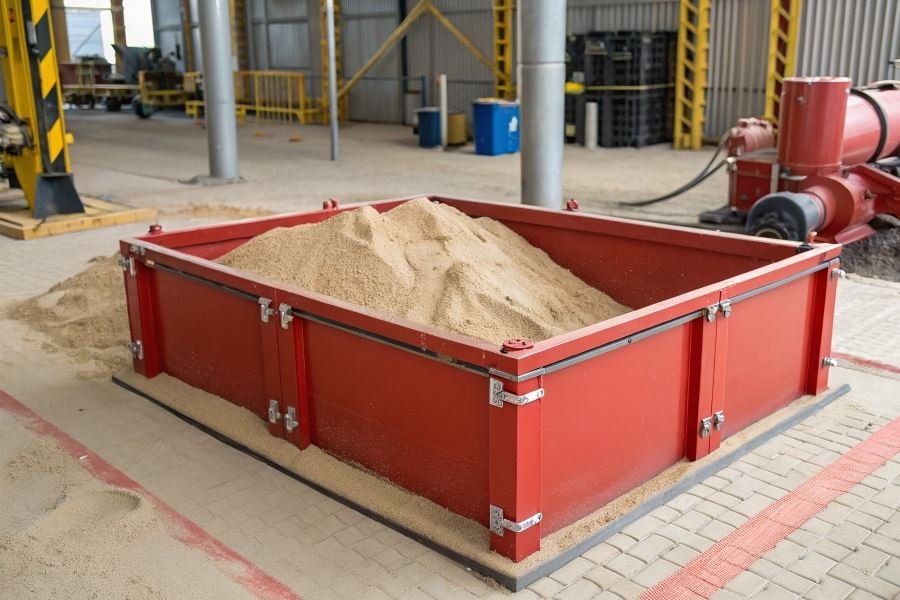
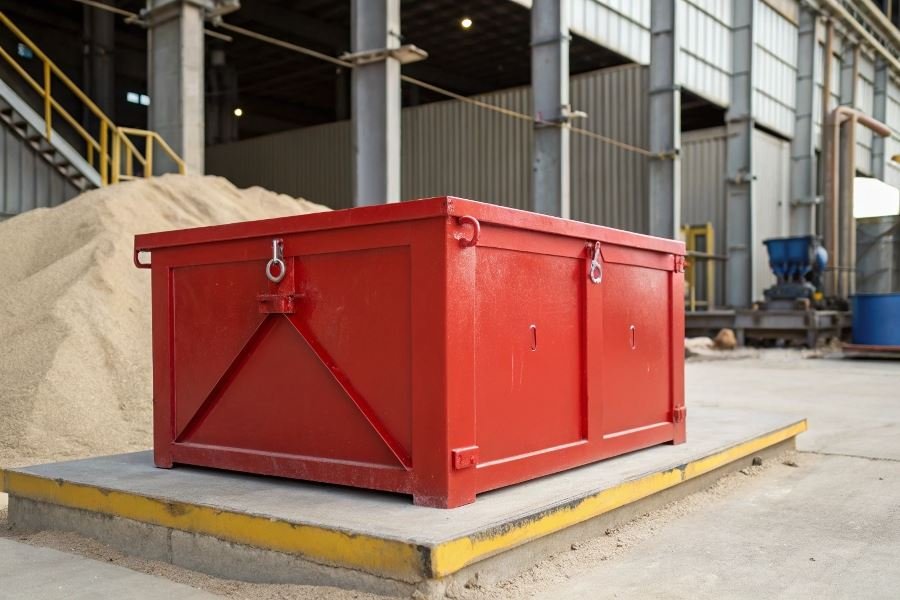
When investing in a sandbox for your outdoor space, the material choice fundamentally determines its lifespan. Metal sandboxes, typically constructed from galvanized or powder-coated steel, offer exceptional structural integrity that can withstand years of active play. These robust options resist warping and cracking even under extreme temperature fluctuations, with quality models lasting 10-15 years with proper care.
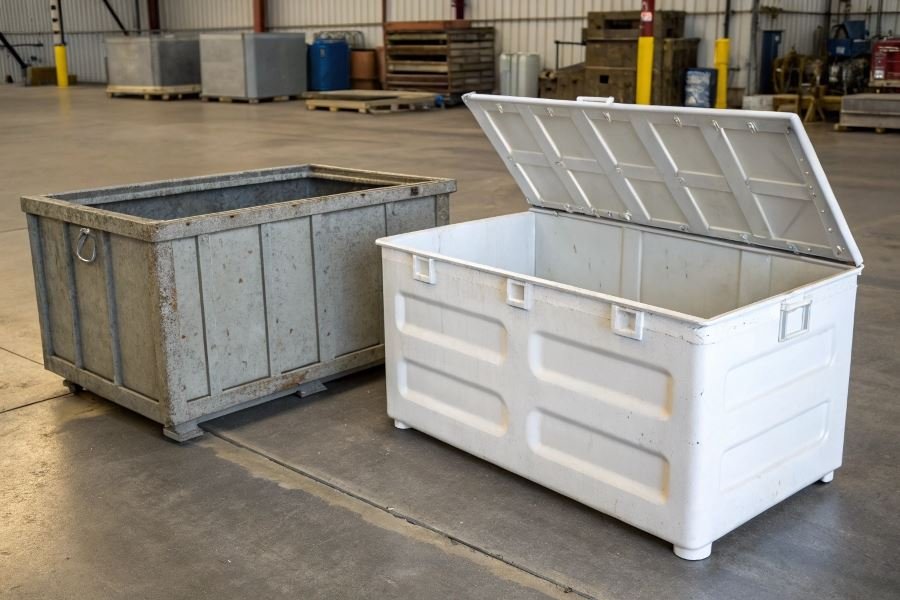
The comprehensive comparison of metal and plastic sandboxes reveals significant differences in weather resistance. While high-quality metal options feature rust-resistant coatings, they may eventually show signs of corrosion in coastal areas or regions with heavy rainfall. Premium plastic sandboxes, manufactured from UV-stabilized polyethylene or polypropylene, won’t rust but can become brittle after 5-7 years of sun exposure, leading to cracking and fading.
Safety First: Material Considerations
Metal sandbox safety centers around construction quality. Look for models with:
- Rounded corners and rolled edges to prevent cuts
- Rust-resistant coatings that won’t flake or peel
- Secure fastening systems that won’t loosen over time
Plastic sandboxes offer inherent safety advantages, including:
- Naturally rounded edges and corners
- No risk of rust or splinters
- Lower heat retention (metal can reach uncomfortable temperatures in direct sunlight)
Both materials require proper drainage solutions to prevent standing water, which can become a breeding ground for insects and bacteria.
Maintenance Requirements and Longevity
| Material | Cleaning Method | Annual Maintenance | Expected Lifespan |
|---|---|---|---|
| Metal | Mild soap, soft brush | Check for rust, tighten fasteners | 10-15 years |
| Plastic | Household cleaner, hose | Check for cracks, UV damage | 5-8 years |
Metal sandboxes demand vigilance against rust formation. Even small spots should be sanded and treated promptly to prevent spreading. The good news? Replacement parts are often available for quality metal models, extending their useful life considerably.
Plastic options offer simpler maintenance—just rinse with a garden hose and occasionally scrub with mild cleaner. However, they can’t be repaired once cracked, making them essentially disposable once damaged.
Price Point and Value Assessment
The initial investment differs significantly between materials. Entry-level metal sandboxes from brands like Lifetime start around $150, while premium models can exceed $300. Plastic alternatives from Step2 or Little Tikes typically range from 60−150.
Value calculation extends beyond purchase price:
- Metal sandboxes cost more upfront but last twice as long
- Plastic options offer better short-term value but require replacement sooner
- Metal models often include features like convertible bench seating or adjustable canopies that justify higher prices
Design Options and Aesthetic Appeal
Metal sandboxes project a classic, timeless appearance that complements traditional landscapes. Many feature wood accents or decorative elements that elevate their visual appeal. Their substantial weight and sturdy construction create a permanent fixture feeling.
Plastic alternatives embrace vibrant colors and playful designs that children immediately recognize as play spaces. Manufacturers offer themed options resembling boats, turtles, or construction vehicles that spark imagination. Their lightweight construction allows for seasonal repositioning or storage.
The perfect sandbox material ultimately depends on your specific priorities—whether you value decades of durability or prefer the colorful charm and lower entry price of plastic models.
Making the Right Choice: Metal vs Plastic Sandboxes
When it comes to creating that perfect play space for outdoor adventures, the sandbox material decision carries more weight than you might think. After examining both options in detail, let’s distill what truly matters for your investment.
Key Differences That Define Your Purchase
Metal and plastic sandboxes represent fundamentally different approaches to outdoor play equipment. Here’s what separates them:
Durability profile: Metal sandboxes typically offer 8-12 years of service life compared to plastic’s 3-7 years. The difference becomes particularly pronounced in regions with temperature extremes.
Weather resistance: While Step2 and other premium plastic manufacturers have improved UV stabilization, metal sandboxes from companies like Lifetime still demonstrate superior resistance to cracking in cold climates.
Price point differential: The investment gap is substantial:
| Material | Entry-Level Cost | Premium Model Cost | Average Lifespan |
|---|---|---|---|
| Metal | $85-120 | $200-350 | 8-12 years |
| Plastic | $40-75 | $120-200 | 3-7 years |
The long-term value equation often favors metal despite the higher initial investment.
Finding Your Perfect Match
Your specific circumstances should guide your selection:
For coastal and high-humidity environments: Galvanized or powder-coated metal sandboxes prevent rust and withstand salt air. Look for marine-grade finishes if you’re within 5 miles of saltwater.
For families with very young children: Plastic models with rounded edges and integrated seating from manufacturers like Little Tikes provide built-in safety features that metal options typically require accessories to match.
For design-conscious outdoor spaces: Metal sandboxes offer cleaner lines and more sophisticated aesthetics that complement modern landscaping. Many premium models can be custom-painted to match existing outdoor décor.
For portability needs: Lightweight plastic options weighing 15-25 pounds can be relocated seasonally, while metal models typically become semi-permanent installations at 40-80 pounds.
Decision Drivers: What Really Matters
When making your final selection, prioritize these critical factors:
-
Climate compatibility – Your local weather patterns should be the primary consideration. Temperature swings exceeding 70°F annually favor metal construction, while moderate climates allow either material to perform adequately.
-
Space commitment – Consider not just the footprint but the visual weight. Metal sandboxes tend to recede visually in landscaped settings, while colorful plastic models become focal points—sometimes intentionally, sometimes not.
-
Maintenance reality – Be honest about your maintenance habits. Metal requires occasional rust inspection and potential touch-ups but resists warping. Plastic needs regular cleaning to prevent mildew in textured surfaces but won’t corrode.
The ideal sandbox isn’t about material superiority but about alignment with your specific needs. The best choice combines appropriate durability, aesthetic compatibility with your outdoor space, and features that match your family’s play patterns. When these factors align, either material can provide years of imaginative play opportunities.
Discover which sandbox material stands the test of time in our metal vs plastic sandbox comparison. Learn about durability, safety features, maintenance requirements, and cost differences to make the best choice for your backyard play area.
Discover which sandbox material stands the test of time in our metal vs plastic sandbox comparison. Learn about durability, safety features, maintenance requirements, and cost differences to make the best choice for your backyard play area.