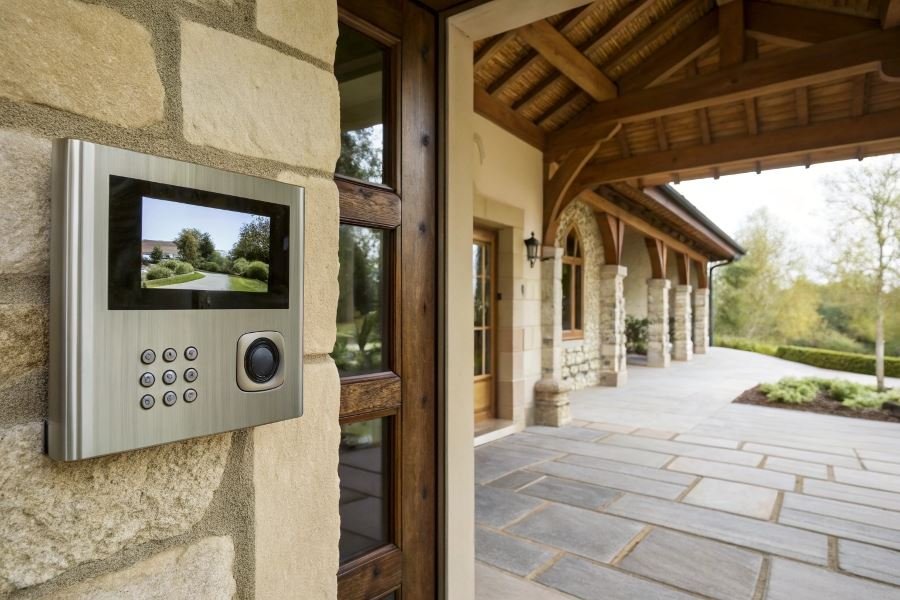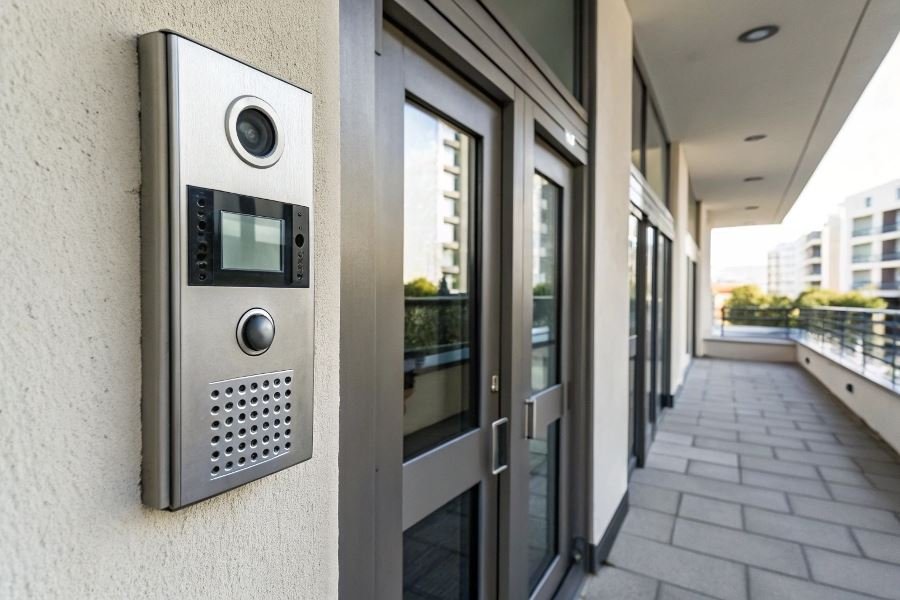
Ever stood outside your building in the pouring rain, fumbling for keys while balancing groceries? A quality intercom system isn’t just a luxury—it’s the invisible doorman that protects your community while making daily life seamlessly convenient.
Modern intercom systems have evolved far beyond the crackly audio boxes of yesteryear. Today’s options integrate video surveillance, smartphone connectivity, and even facial recognition technology. The transformation has been remarkable, with systems now serving as the central nervous system of building security rather than simple communication devices.
When evaluating intercom options for your apartment building, three critical factors should guide your decision-making process:
-
Security capabilities – Beyond basic access control, consider systems with tamper alerts, visitor logging, and emergency override features.
-
Connectivity and integration – The best systems work harmoniously with existing building infrastructure, from elevator controls to package delivery solutions.
-
“Reliability isn’t a feature—it’s the foundation.” Look for systems with backup power, redundant communication channels, and proven durability in various weather conditions.
The technology you select today will impact resident satisfaction and building security for years to come. The most forward-thinking property managers recognize that an intercom isn’t merely hardware—it’s the first impression visitors have of your building’s commitment to both security and technological relevance.
Choosing the right intercom requires balancing cutting-edge features with practical considerations like maintenance requirements, user-friendliness, and scalability as your building’s needs evolve.
Technical Essentials That Make or Break Your Intercom System
When evaluating intercoms for apartment buildings, the technical specifications often separate reliable systems from frustrating ones. The criteria for choosing an intercom for an apartment building must extend beyond basic functionality to ensure residents experience seamless security and communication for years to come.
Crystal-clear communication matters
Audio quality in intercom systems has evolved dramatically since the scratchy, barely-intelligible systems of decades past. Today’s premium intercoms deliver noise cancellation technology that filters out street noise, wind, and background conversations. Look for systems with at least 16kHz sampling rate for voice transmission—anything less and you’ll notice the difference during conversations.
For video-enabled systems, resolution tells only part of the story. While 720p might seem adequate, modern systems offering 1080p provide the detail necessary to clearly identify visitors in various lighting conditions. More important than raw pixel count is the camera’s low-light performance. Systems from manufacturers like Aiphone incorporate wide dynamic range (WDR) technology that balances bright backgrounds with shadowed foregrounds—essential when a visitor stands with the sun behind them.
Wired vs. wireless: The infrastructure decision
Connection type fundamentally shapes both installation complexity and long-term reliability. Wired systems, typically using IP, coaxial, or dedicated bus wiring, offer unmatched stability and are immune to wireless interference. However, they require significant infrastructure investment during installation.
| Connection Type | Reliability | Installation Complexity | Maintenance | Typical Cost Range |
|---|---|---|---|---|
| IP/Ethernet | Very High | Moderate | Low | 1, 500−3,000 |
| Coaxial | High | High | Moderate | 1, 200−2,500 |
| Wireless | Moderate | Low | High | 800−2,000 |
| GSM/4G | Variable | Very Low | Moderate | 900−1,800 |
Wireless systems from companies like ButterflyMX have dramatically improved, now offering 99.9% uptime in optimal conditions. They’re particularly valuable for retrofitting historic buildings where running new wiring would damage architectural elements. The tradeoff comes in potential interference from other wireless devices and occasional connectivity issues during network congestion.
Seamless security ecosystem integration
Modern intercoms should never operate as isolated islands. The most effective systems integrate with your building’s existing access control infrastructure. Look for intercoms supporting industry-standard protocols like Wiegand, OSDP, or direct API connections.
Systems from Comelit and 2N offer robust integration capabilities, allowing your intercom to communicate with:
- Electronic door strikes and magnetic locks
- Elevator control systems for floor access restrictions
- Building management systems for visitor logging
- Security cameras for synchronized recording during visitor interactions
Power resilience when you need it most
Power outages represent the Achilles’ heel of many security systems. Premium intercoms incorporate backup power solutions that maintain critical functionality during outages. The gold standard includes:
- Built-in UPS (Uninterruptible Power Supply) with at least 4 hours of backup operation
- Automatic switching between primary and backup power sources
- Notification systems alerting building management to power status changes
DoorKing offers systems with battery backups capable of maintaining full functionality for up to 24 hours during outages. For buildings in areas prone to extended power disruptions, systems with solar charging capabilities provide additional peace of mind.
When evaluating backup power, consider not just the intercom itself but the entire access chain—including electric strikes and magnetic locks—to ensure residents aren’t locked out during emergencies.
Making the Final Decision: Your Apartment Building Intercom Selection
When you’ve navigated through the maze of intercom options, specifications, and features, it’s time to make that final decision. This critical choice will impact your building’s security, resident satisfaction, and budget for years to come. Let’s break down how to bring all these considerations together.
Smart budgeting meets essential security
The intercom market spans from basic $500 audio systems to sophisticated $10,000+ video networks with smartphone integration. The key isn’t spending the most—it’s spending wisely.
Security isn’t where you compromise. Even budget-conscious buildings should prioritize:
- Tamper-resistant hardware
- Encrypted communication protocols
- Reliable visitor verification methods
The difference between a good and great system often isn’t price—it’s thoughtful feature selection.
Many buildings find their sweet spot with mid-range systems like the Aiphone GT Series or ButterflyMX that balance cost with robust security features. These systems typically run 3, 000−7,000 for a 50-unit building but deliver enterprise-grade security without premium pricing.
The most expensive intercom isn’t always the most secure—but the most thoughtfully selected one usually is.
Consider phased implementation if budget constraints are tight. Start with core security features and add convenience options later as funds become available.
Future-proofing your investment
An intercom isn’t just a purchase—it’s a relationship with technology and a vendor that might last a decade.
Maintenance requirements vary dramatically between systems:
| System Type | Annual Maintenance Cost | Typical Lifespan | Support Availability |
|---|---|---|---|
| Basic Wired | $200-400 | 10-15 years | Limited |
| IP-Based | $300-700 | 7-10 years | 24/7 available |
| Cloud-Connected | $500-1,000 + subscription | 5-8 years | Comprehensive |
When evaluating vendors, investigate:
- Parts availability guarantees
- Software update commitments
- Technical support response times
- Local technician availability
The true cost of an intercom emerges years after installation when maintenance needs arise.
Systems from established manufacturers like Comelit or 2N typically offer more reliable long-term support than newer market entrants, though they may command a premium.
Resident-centered selection process
The most sophisticated intercom will fail if residents find it confusing or inaccessible.
Resident input should guide your decision through:
- Pre-selection surveys to identify priorities
- Demo sessions with finalist systems
- Feedback collection from diverse resident demographics
Accessibility considerations must include:
- Physical interface height and visibility
- Audio clarity for hearing-impaired residents
- Visual indicators for those with auditory limitations
- Intuitive operation for all age groups
The best intercom for your building is the one residents will actually use correctly.
Many property managers report that resident satisfaction increases dramatically when they’re included in the selection process. The Doorking telephone entry systems consistently receive high marks for intuitive operation across diverse user groups.
Remember that an intercom isn’t just infrastructure—it’s the digital doorman greeting every visitor and resident daily. The right choice balances budget realities with security necessities while ensuring every resident can use it with confidence.
Discover essential criteria for selecting the perfect apartment building intercom system. Compare audio/video quality, connection types, and integration capabilities to enhance security and convenience while meeting your building's unique needs.
Discover essential criteria for selecting the perfect apartment building intercom system. Compare audio/video quality, connection types, and integration capabilities to enhance security and convenience while meeting your building's unique needs.