Ever wondered what’s keeping $127 billion worth of residential property secure across America’s urban centers? The answer might be smaller than you think.
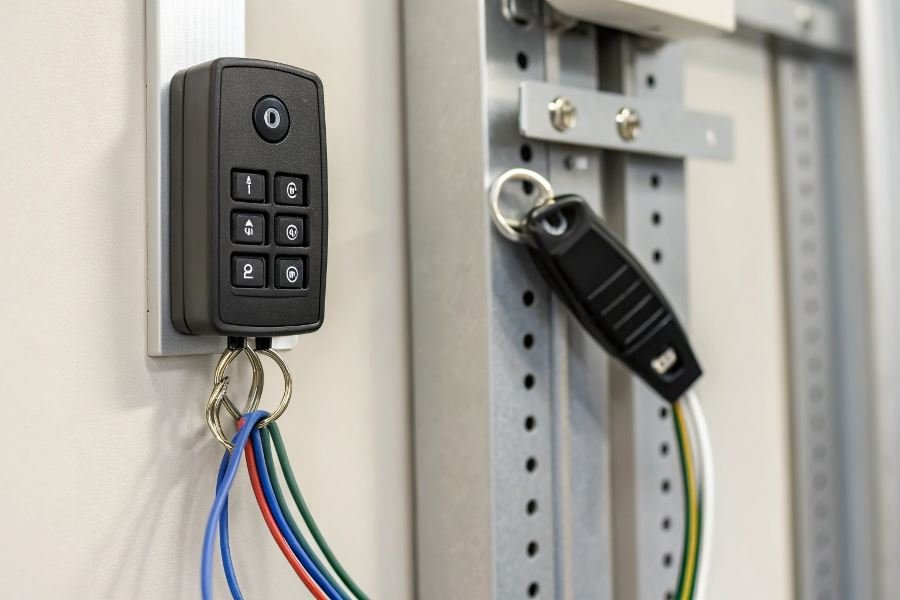
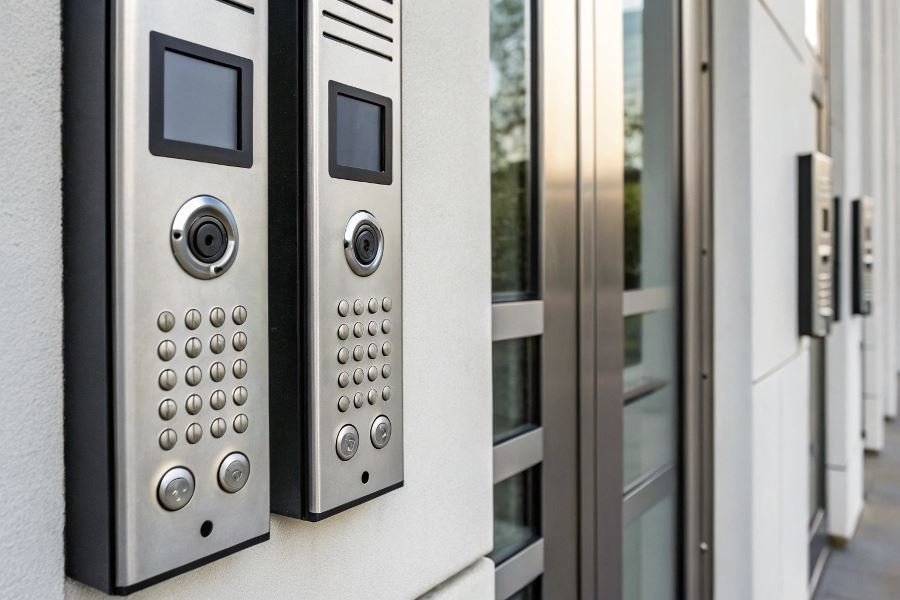
Smart key readers have silently transformed how we enter our homes, replacing the humble metal key with sophisticated digital gatekeepers. These unassuming devices mounted beside apartment entrances are the frontline defenders of modern residential security, controlling who enters while creating digital footprints of all access attempts. They’re not just locks—they’re intelligent security hubs that can distinguish between residents, visitors, and delivery personnel with remarkable precision.
The evolution of these systems tells a fascinating story of innovation. What began as simple mechanical locks in the early 20th century evolved into magnetic card readers in the 1970s, then proximity cards in the 1990s. Today’s sophisticated readers incorporate biometrics, smartphone integration, and cloud connectivity—creating security ecosystems rather than mere entry points.
The technology behind the convenience
Modern key readers offer an impressive array of capabilities:
| Technology | Key Benefit | Adoption Rate |
|---|---|---|
| RFID/NFC | Contactless operation | 68% |
| Biometric | Unique personal identification | 37% |
| Smartphone-based | Remote access management | 52% |
The market now presents options ranging from basic fob-based systems starting around $2,000 for small buildings to comprehensive solutions with video integration, visitor management, and emergency protocols that can exceed $15,000 for larger complexes.
What truly matters isn’t just preventing unauthorized entry—it’s creating seamless experiences for residents while maintaining fortress-like protection against increasingly sophisticated threats.
Essential Features That Define Elite Key Readers
When evaluating key readers for apartment buildings, security professionals focus on three critical dimensions that separate premium systems from basic alternatives. The technology powering modern access control has evolved dramatically, creating opportunities for property managers to implement sophisticated security solutions that balance convenience with ironclad protection.
Selecting appropriate key readers for apartment buildings: what to pay attention to involves careful consideration of encryption standards, integration capabilities, and customization options. The most effective systems don’t just control who enters a building—they create a seamless ecosystem that enhances resident experience while maintaining fortress-level security.
Military-Grade Security Protocols
Modern key readers employ encryption standards that would impress government security agencies. The gold standard currently features:
256-bit AES encryption provides virtually uncrackable protection against brute force attacks, with computational security that would require billions of years to breach using conventional methods.
RFID and NFC technologies have evolved to include rolling code algorithms that prevent replay attacks—where hackers attempt to capture and reuse credential data.
“The difference between basic and advanced encryption in access control isn’t just technical—it’s the difference between a lock and a digital fortress.”
Leading systems like HID Global readers incorporate multiple authentication factors, creating layered security that requires something you have (card/fob), something you know (PIN), or something you are (biometric data).
Seamless System Integration
The true value of modern key readers emerges through their integration capabilities:
| Integration Type | Benefits | Implementation Complexity |
|---|---|---|
| Building Management Systems | Centralized control of access, HVAC, lighting | Moderate |
| Video Surveillance | Visual verification of credentials | Low-Moderate |
| Elevator Control | Floor-specific access permissions | Moderate-High |
| Smart Home Systems | Resident convenience features | Moderate |
Salto Systems has pioneered wireless integration that eliminates the need for hardwired connections throughout buildings, dramatically reducing installation costs while maintaining robust communication between readers and central management systems.
API accessibility has become crucial for forward-thinking property managers, allowing custom development that connects access control with resident portals, maintenance scheduling, and visitor management systems.
Granular Access Management
The administrative backbone of superior key reader systems lies in their user management capabilities:
Time-restricted access allows property managers to grant temporary credentials to maintenance staff, delivery personnel, or short-term guests with automatic expiration.
Hierarchical permission structures enable different access levels for residents, staff, and visitors—controlling not just which doors can be accessed, but when they can be accessed.
Brivo offers cloud-based management platforms that allow administrators to instantly provision or revoke credentials remotely, eliminating security vulnerabilities when keys are lost or residents move out.
The most sophisticated systems provide detailed audit trails that log every access attempt—successful or not—creating accountability and providing valuable security intelligence that helps identify unusual patterns before they become security incidents.
When evaluating key readers, remember that the visible hardware represents just the tip of the security iceberg—the underlying management software, encryption standards, and integration capabilities form the foundation of truly effective access control.
What Makes a Key Reader System Worth Your Investment
Reliability that stands the test of time
When selecting key readers for your apartment building, reliability isn’t just a feature—it’s the foundation. The best systems maintain functionality through power outages, weather extremes, and years of daily use. HID Global and Salto Systems lead the industry with failure rates below 0.5% over five-year periods, compared to budget alternatives that often require replacement within 24-36 months.
Maintenance requirements vary dramatically between systems. Premium readers from Kisi or Brivo typically require service checks just once annually, while economy options might need quarterly attention. This translates directly to reduced downtime and fewer frustrated residents.
The true cost of a key reader system isn’t what you pay on day one—it’s what you pay over years three, five, and seven.
Look for IP65 or higher weatherproofing ratings for exterior installations and systems with modular components that allow for partial replacements rather than complete system overhauls when technology evolves.
The real economics of access control
Initial purchase price represents just 30-40% of your total ownership cost. A comprehensive cost analysis must include:
| Expense Category | Premium Systems | Economy Systems |
|---|---|---|
| Installation | $3,500-7,000 | $2,000-4,000 |
| Annual Maintenance | $500-900 | $1,200-2,400 |
| Software Licensing | $15-25/door/month | $5-15/door/month |
| Power Consumption | 2-4W per reader | 5-8W per reader |
| Average Lifespan | 7-10 years | 3-5 years |
The operational expenses often reveal that systems with higher upfront costs deliver better long-term value. Dormakaba systems, for instance, typically cost 15-20% more initially but reduce total 5-year ownership costs by approximately 30% compared to budget alternatives.
Installation complexity significantly impacts cost—wireless systems from Schlage or Yale can reduce installation expenses by eliminating the need for extensive wiring, particularly in retrofit situations.
The resident experience factor
The most sophisticated technology fails if residents find it frustrating. Key readers should offer:
- Multiple access methods: Cards, fobs, smartphone apps, and biometrics provide flexibility
- Intuitive operation: Systems requiring more than 2 seconds to register create bottlenecks
- Responsive feedback: Clear visual and audible confirmation of successful entry
- Accessibility features: ADA compliance isn’t optional—it’s essential
Openpath systems have achieved 97% resident satisfaction ratings by focusing on smartphone integration that eliminates the need to carry physical credentials. Meanwhile, ButterflyMX has revolutionized visitor management with video intercom integration that allows residents to grant access remotely.
The most overlooked aspect of resident experience is credential management. Systems that allow self-service for lost credential replacement and temporary access provision dramatically reduce administrative burden while improving resident satisfaction.
When evaluating options, request demonstration units and involve a sample of residents in testing. Their feedback will reveal usability issues that technical specifications cannot.
Discover how to select secure, reliable key readers for apartment buildings. Learn about essential features, integration capabilities, and cost considerations to enhance your building's access control system.
Discover how to select secure, reliable key readers for apartment buildings. Learn about essential features, integration capabilities, and cost considerations to enhance your building's access control system.