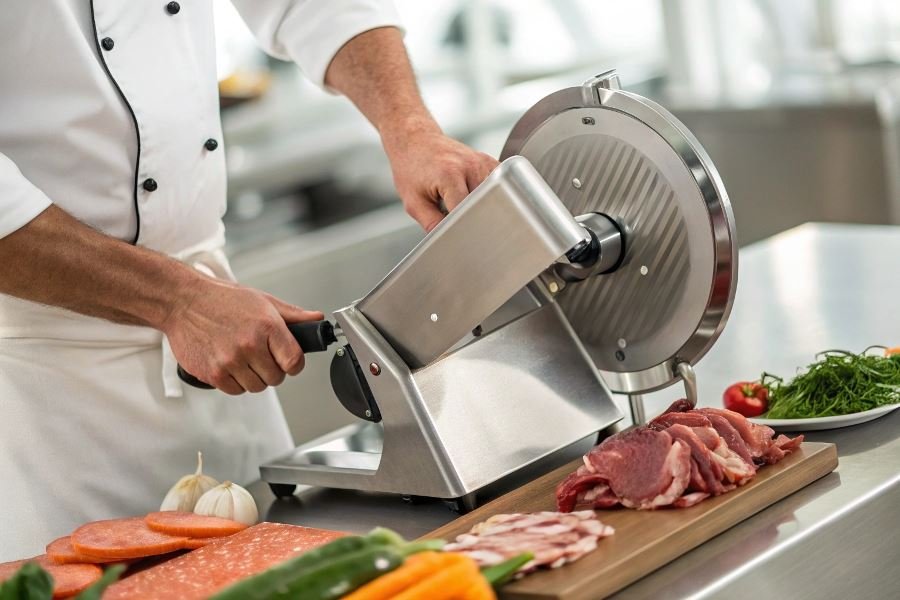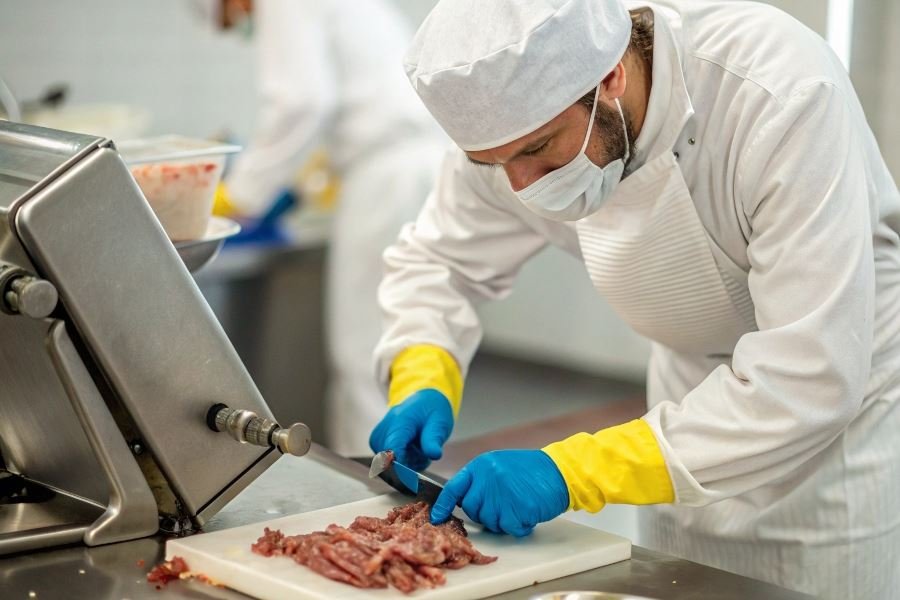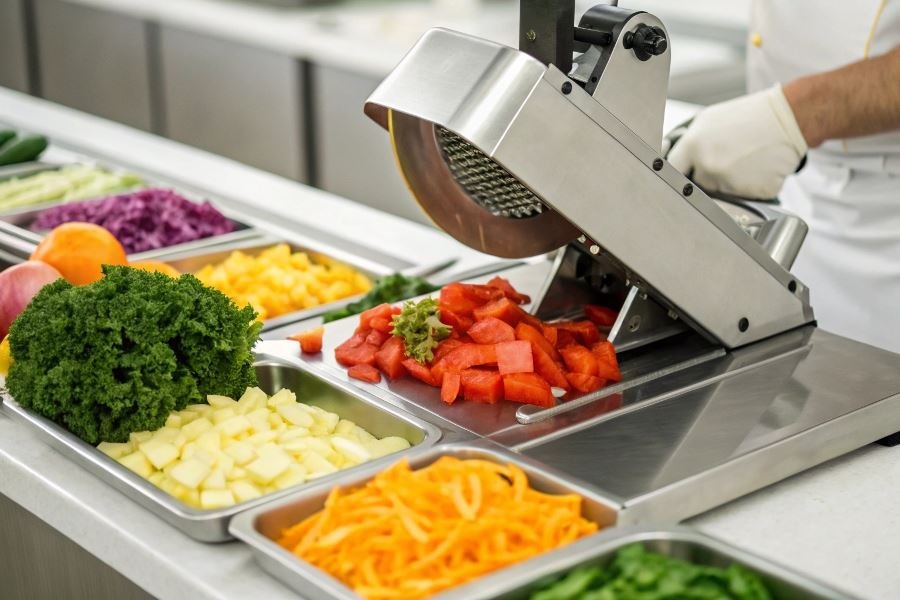
Ever wondered why your grandmother’s vegetable prep took hours while you can transform a mountain of produce in minutes? The answer lies in the remarkable evolution of kitchen cutting tools.
When humans first began preparing food, they used crude stone implements. Fast forward to today, and we’re wielding precision-engineered cutters that can julienne, dice, and spiral-cut with astonishing efficiency. This transformation didn’t happen overnight—it represents centuries of innovation driven by our desire for both culinary excellence and time-saving convenience.
Choosing the right vegetable and fruit processing tools isn’t just about efficiency—it’s about transforming your entire cooking experience. The perfect cutter can reduce a 30-minute prep task to mere seconds while preserving nutrients that knife-cutting might destroy. It’s the difference between dreading meal preparation and actually enjoying it.
Today’s market offers an impressive array of specialized cutters:
The cutter landscape
- Manual slicers: From mandolines to V-slicers, these tools offer precision without electricity
- Electric processors: Powerful motors that can handle everything from soft berries to hard root vegetables
- Specialized tools: Spiral cutters for “zoodles,” apple corers, and avocado slicers designed for specific produce
The best cutter for your kitchen depends on your cooking style, the volume of food you prepare, and your storage space. What matters most is finding tools that make healthy food preparation so effortless that you’ll reach for fresh produce instead of processed alternatives.
The Anatomy of Superior Vegetable Cutters
When selecting tools for your culinary arsenal, few decisions impact daily food preparation more than choosing the right vegetable and fruit cutters. These kitchen workhorses transform mundane prep work into efficient, precise operations that can elevate both presentation and flavor extraction. Let’s dive into what separates exceptional cutters from mediocre ones.
Material Matters: The Foundation of Durability
The material composition of vegetable processing tools fundamentally determines their lifespan and performance. When evaluating cutters for processing vegetables and fruits, what to pay attention to first is the core construction material. Premium cutters typically feature stainless steel bodies—specifically look for 18/10 grade (18% chromium, 10% nickel) which offers superior corrosion resistance and maintains structural integrity even with acidic fruits.
High-carbon stainless steel components deliver the perfect balance between edge retention and rust resistance. For budget-conscious shoppers, reinforced food-grade plastic frames paired with stainless steel blades offer excellent value, though they typically won’t match the longevity of all-metal construction.
Avoid cutters with zinc alloy components that may leach into foods or aluminum parts that react with acidic ingredients like tomatoes or citrus.
Blade Engineering: The Heart of Performance
A cutter’s blade system determines everything from cut quality to maintenance requirements. The most advanced vegetable processors feature:
- Precision-ground edges with 20-25° angles for optimal cutting efficiency
- Micro-serrations that maintain functionality even between sharpenings
- Hardness ratings between 56-60 on the Rockwell scale for ideal edge retention
The relationship between blade thickness and intended use cannot be overstated. Thinner blades (0.5-1mm) excel with delicate produce like mushrooms and berries, while robust vegetables like carrots and beets demand thicker blades (1.5-2mm) to prevent warping.
| Blade Type | Best For | Typical Lifespan |
|---|---|---|
| V-shaped | Julienne, precision cuts | 2-3 years with proper care |
| Mandoline | Uniform slices, volume work | 3-5 years before resharpening |
| Dicer | Consistent cubes, time efficiency | 1-2 years of regular use |
The finest cutters from manufacturers like OXO and Kyocera incorporate ceramic blade options that maintain sharpness up to 10 times longer than traditional steel, though they require careful handling to prevent chipping.
Ergonomics and Safety: The User Experience
The most technically impressive cutter becomes worthless if it’s uncomfortable or dangerous to use. Exceptional designs incorporate:
Intuitive grip systems that accommodate both right and left-handed users while minimizing wrist strain during extended prep sessions. Look for non-slip surfaces that maintain security even with wet hands.
Safety mechanisms have evolved dramatically, with the best models featuring:
- Blade guards that automatically engage when not in active use
- Food holders that keep fingers at least 1/2 inch from cutting surfaces
- Stability features like suction bases or non-slip feet that prevent shifting during operation
The Börner V-Slicer exemplifies thoughtful safety design with its comprehensive finger protection system that physically prevents contact with blades during operation.
Premium cutters balance safety with accessibility—ensuring protective features don’t create frustrating barriers to cleaning or blade changes. Dishwasher-safe components significantly reduce maintenance time while ensuring proper sanitation between uses.
When selecting your next vegetable cutter, remember that the initial investment in quality materials, superior blade design, and thoughtful safety features pays dividends in performance, longevity, and the daily pleasure of efficient food preparation.
Making the Right Cut: Your Decision Guide for Vegetable Processors
Selecting the perfect vegetable and fruit cutter transforms your kitchen workflow from tedious to triumphant. After exploring the various types, features, and performance factors, it’s time to synthesize this knowledge into a decision-making framework that ensures your investment delivers lasting value.
Aligning cutters with your culinary needs
The most sophisticated cutter becomes useless if it doesn’t address your specific food preparation requirements. Consider your typical cooking patterns:
- Volume processing: Commercial kitchens or meal preppers need robust, high-capacity cutters like the Robot Coupe CL50 that can handle continuous operation
- Versatility champions: Home chefs who prepare diverse dishes benefit from modular systems with interchangeable blades
- Specialty focus: If you primarily process specific items (like julienning carrots or spiralizing zucchini), specialized tools often outperform all-in-one solutions
Match your cutter to your most frequent tasks rather than occasional needs. A restaurant that serves fresh-cut fries daily justifies a dedicated french fry cutter, while home cooks might prioritize adaptability.
The maintenance equation
The longevity of your vegetable cutter directly correlates with proper maintenance. Factor these considerations into your decision:
Cleaning complexity:
- Dishwasher-safe components save significant time
- Cutters with numerous small parts require more meticulous cleaning
- Food-trapping crevices become bacterial breeding grounds
Blade maintenance:
- High-carbon stainless steel blades maintain sharpness longer
- Self-sharpening mechanisms reduce maintenance requirements
- Replaceable blades extend the tool’s useful life
The most overlooked aspect of cutter selection is maintenance time. A processor that takes 15 minutes to clean after each use quickly becomes a drawer ornament rather than a kitchen workhorse.
Value beyond price point
True value assessment transcends the initial price tag. Consider this holistic approach:
| Factor | Budget Cutters ($20-50) | Mid-Range ($50-150) | Professional ($150+) |
|---|---|---|---|
| Construction | Plastic components | Metal-plastic hybrid | All-metal construction |
| Durability | 1-2 years typical | 3-5 years with care | 10+ years commercial use |
| Versatility | Limited functions | Multiple attachments | Comprehensive systems |
| Efficiency | Manual operation | Some powered options | High-efficiency motors |
| Warranty | Limited/none | 1-3 years | 5+ years commercial warranty |
The Wüsthof Classic line exemplifies how premium initial investment often delivers superior long-term value through decades of reliable service.
Calculate your cost-per-use: A $200 processor used three times weekly for five years costs approximately $0.25 per use—often less than the value of time saved and food waste prevented.
When evaluating vegetable cutters, consider not just what they can do today, but how they’ll perform over their lifetime. The ideal cutter balances your immediate needs with long-term performance, maintenance requirements, and overall value. By focusing on these factors rather than being swayed by flashy features or bargain prices, you’ll select a tool that genuinely enhances your food preparation experience for years to come.
Discover the essential features of top vegetable and fruit cutters for your kitchen. Learn what to look for in materials, blade quality, and ergonomic design to make food prep safer, faster, and more efficient.
Discover the essential features of top vegetable and fruit cutters for your kitchen. Learn what to look for in materials, blade quality, and ergonomic design to make food prep safer, faster, and more efficient.