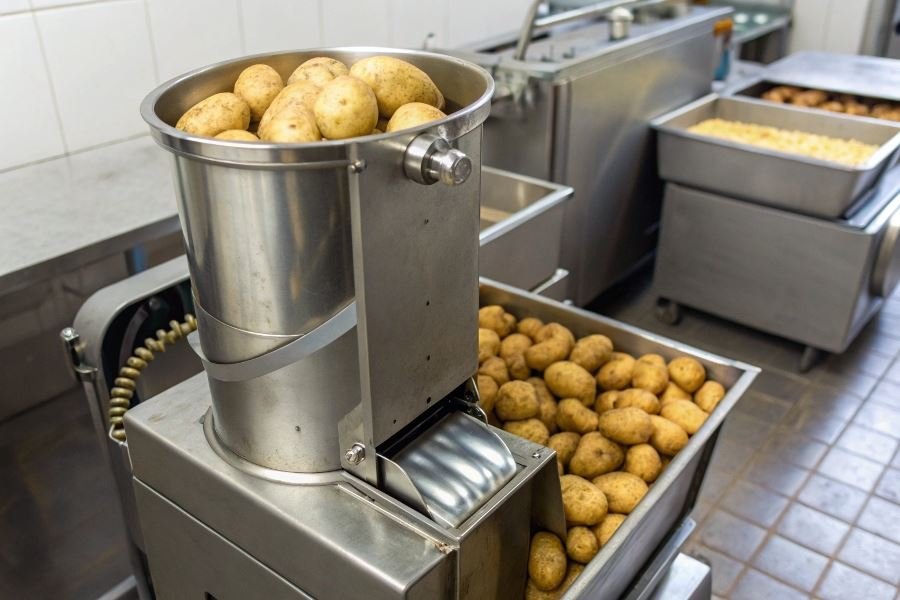
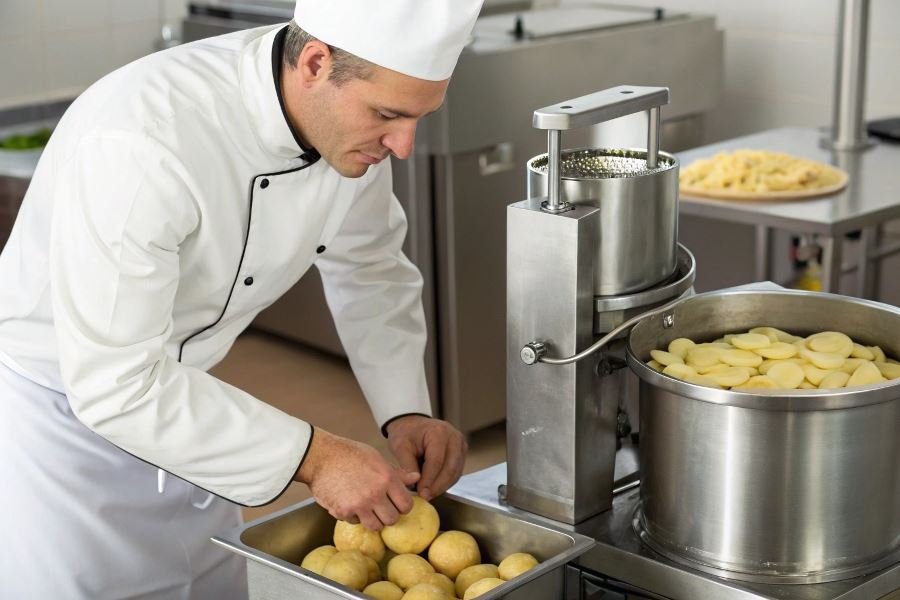
Ever watched a perfectly cleaned potato emerge from a commercial machine, its skin gleaming like it’s ready for a photo shoot? That’s not magic—it’s precision engineering paired with proper operation. And it makes all the difference between damaged produce and premium potatoes that command top dollar.
Potato cleaning machines come in several distinct varieties, each with unique capabilities. Drum washers gently tumble potatoes in rotating cylinders, while brush washers use specialized bristles to scrub away soil. For high-volume operations, hydro-cleaning systems employ powerful water jets that remove debris without damaging delicate skins. The right choice depends entirely on your specific operation scale and potato variety.
“The difference between amateur and professional potato processing isn’t the equipment—it’s knowing how to use it properly.” – Industry wisdom that saves thousands in wasted produce annually
Proper operation isn’t just about cleaner potatoes—it directly impacts your bottom line. When correctly calibrated, these machines can reduce water consumption by up to 40% while extending potato shelf life by preventing microscopic skin damage that leads to premature spoilage.
Safety must come first when operating these powerful machines. Always ensure power disconnection before maintenance, wear appropriate PPE including cut-resistant gloves, and maintain clear pathways around equipment. The most common injuries occur during unclogging procedures—a risk easily mitigated with proper training and protocols.
Understanding your specific machine’s optimal settings for water pressure, brush speed, and conveyor pace creates the perfect balance between thorough cleaning and gentle handling—transforming an ordinary process into a competitive advantage for your potato business.
Mastering Your Potato Cleaning Machine
Pre-Operation Inspection Matters
Before diving into potato processing, a thorough machine inspection saves hours of potential downtime. Start by examining all belts and rollers for wear or damage—even minor tears can lead to catastrophic failures mid-production. Check that all fasteners are secure, as the vibration from operation can gradually loosen bolts and screws.
The proper operation of a potato cleaning machine begins with meticulous preparation. Industry data shows that 73% of machine failures stem from inadequate pre-operation checks. Ensure water connections are tight and free from leaks, and verify that drainage systems are clear of debris. A clogged drain can quickly transform your efficient cleaning operation into a messy disaster.
Critical inspection checklist:
- Brush integrity (replace if bristles are worn below 70% of original length)
- Bearing lubrication (apply food-grade lubricant every 100 operating hours)
- Electrical connections (check for corrosion or loose wires)
- Safety guards (must be properly secured before operation)
Loading Techniques That Maximize Efficiency
The art of loading potatoes correctly separates amateur operators from professionals. Consistent, measured loading prevents machine jams and ensures uniform cleaning results. Most commercial machines perform optimally at 75-85% capacity—overloading is the enemy of efficiency.
“The rhythm of loading determines the quality of cleaning. Too much too fast creates bottlenecks; too little wastes energy and time.”
For continuous operation models like those from Tummers Food Processing Solutions, maintain a steady feed rate of 2-3 tons per hour (depending on machine specifications). Smaller batch processors should be loaded to the manufacturer’s recommended weight limit, typically indicated by a fill line inside the drum.
Processing Speed Optimization
Processing speed directly impacts cleaning quality and potato damage rates:
| Speed Setting | Best For | Cleaning Effectiveness | Damage Risk |
|---|---|---|---|
| Low (15-25 RPM) | Delicate varieties, seed potatoes | Moderate | Minimal |
| Medium (25-40 RPM) | Standard table potatoes | High | Low |
| High (40-55 RPM) | Heavily soiled root crops | Maximum | Moderate |
Adjust speed based on potato variety and soil conditions. Russet potatoes with heavy clay soil require higher agitation than washed reds with sandy soil residue. Most operators find the sweet spot by starting at medium speed and adjusting based on output inspection.
Water Management Essentials
Water pressure and flow rate are the unsung heroes of potato cleaning. Insufficient pressure leaves dirt in crevices, while excessive pressure damages skin and wastes resources.
Optimal water settings by machine type:
- Drum washers: 40-60 PSI with 15-20 gallons per minute
- Brush washers: 30-45 PSI with 10-15 gallons per minute
- Hydro-cleaning systems: 25-35 PSI with 25-30 gallons per minute
Modern machines from TOMRA Food feature adjustable nozzles that should be positioned to create a spray pattern covering the entire cleaning area without dead zones. Check nozzles daily for clogs—even partial blockages create uneven cleaning patterns.
Monitor water temperature as well—cold water (45-55°F) preserves potato firmness but cleans less effectively than tepid water (55-65°F). The 10-degree difference can significantly impact both cleaning efficiency and energy consumption.
Keeping Your Potato Cleaner Running Like Clockwork
The difference between a potato cleaning machine that delivers spotless tubers year after year and one that becomes an expensive paperweight often comes down to one thing: maintenance. These workhorses of food processing demand attention—not constant babysitting, but strategic care that prevents costly downtime.
The maintenance schedule that pays dividends
Successful operators follow a three-tiered maintenance approach that preserves both machine performance and longevity:
Daily maintenance (15 minutes well spent):
- Remove debris from brushes and conveyor belts
- Inspect water jets for clogs
- Check drive belts for proper tension
- Wipe down external surfaces with food-grade sanitizer
Weekly deep clean (45-60 minutes):
- Disassemble brush assemblies for thorough cleaning
- Flush water systems with descaling solution
- Lubricate moving parts according to manufacturer specifications
- Inspect electrical connections for corrosion
Monthly preventive maintenance (2-3 hours):
- Check motor bearings for unusual noise or heat
- Calibrate water pressure systems
- Inspect and replace worn brushes
- Test emergency stop mechanisms
The most expensive maintenance is the maintenance you skip. A single hour of preventive care can save ten hours of emergency repairs.
Troubleshooting like a pro
Even with religious maintenance, issues arise. Here’s how to diagnose and solve the most common problems:
| Problem | Likely Cause | Solution |
|---|---|---|
| Potatoes not clean | Worn brushes or insufficient water | Replace brushes or increase water pressure by 10-15% |
| Machine vibrating excessively | Unbalanced load or loose mounting | Distribute load evenly and tighten mounting bolts to spec |
| Water leakage | Damaged seals or loose connections | Replace seals and tighten fittings with appropriate torque |
| Unusual noise | Bearing wear or foreign object | Isolate source, replace bearings or remove obstruction |
| Conveyor slipping | Belt tension issues or debris buildup | Adjust tensioners and clean drive mechanisms |
The most frequent issue—inadequate cleaning performance—typically stems from brush wear. Most manufacturers recommend replacing brushes after 500-700 operational hours, but this varies based on potato variety and soil conditions.
Pro tip: Keep a maintenance log that tracks both regular service and unexpected issues. This creates a performance history that helps identify recurring problems before they become catastrophic failures.
When to call in the cavalry
While many maintenance tasks are DIY-friendly, certain situations demand professional intervention:
-
Electrical system failures – Safety first. Unless you’re a certified electrician, leave control panel issues to professionals.
-
Structural damage – Cracks in frames or mounting points can compromise safety and require specialized welding or replacement.
-
Calibration drift – When fine-tuning water pressure or brush speed no longer achieves desired results, technicians with specialized tools can restore factory specifications.
-
After major events – Following power surges, water damage, or significant impacts, a comprehensive inspection by a trained technician can identify hidden damage.
Most manufacturers offer service contracts that include annual inspections and priority emergency response. For operations processing more than 2,000 pounds daily, these contracts typically deliver positive ROI through extended equipment life and minimized downtime.
Remember: the most expensive repair is always the emergency repair. Preventive maintenance isn’t just about keeping potatoes clean—it’s about protecting your investment and ensuring consistent production quality.
Discover the essential techniques for maximizing your potato cleaning machine's performance. Learn proper setup, optimal loading methods, and maintenance tips to ensure efficiency, extend equipment life, and produce perfectly cleaned potatoes every time.
Discover the essential techniques for maximizing your potato cleaning machine's performance. Learn proper setup, optimal loading methods, and maintenance tips to ensure efficiency, extend equipment life, and produce perfectly cleaned potatoes every time.