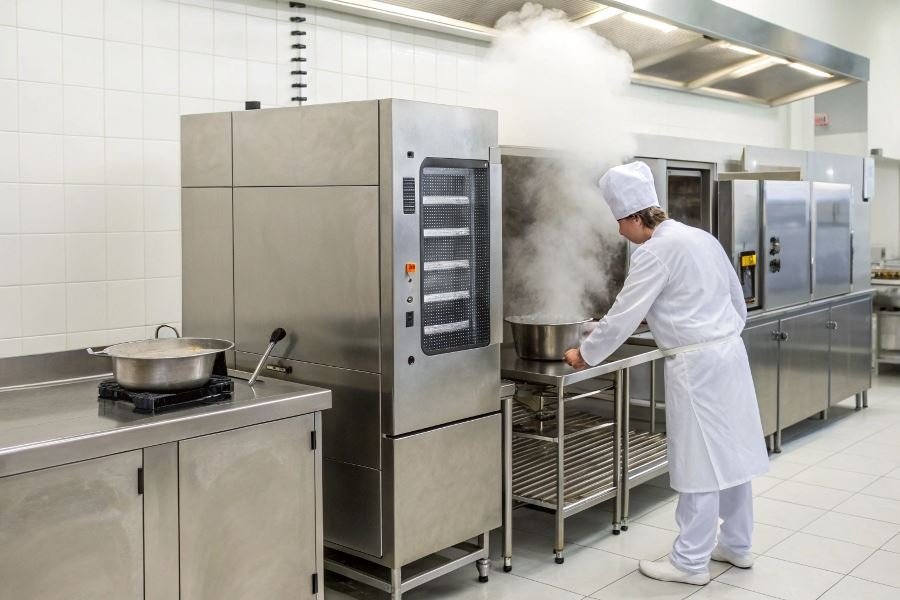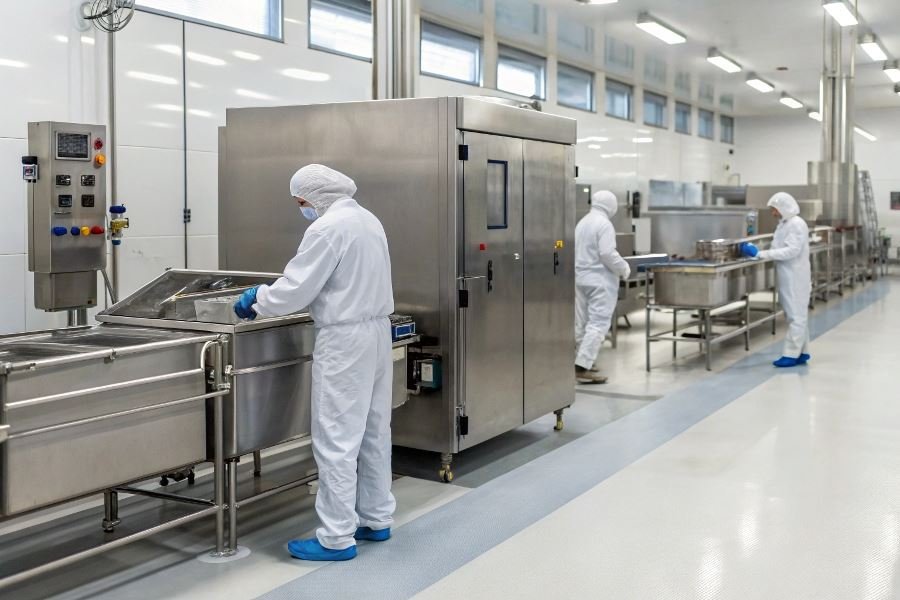
Did you know that 78% of small businesses using proper sterilization equipment report increased customer trust and satisfaction? Whether you’re running a tattoo studio, a medical clinic, or a food production facility, the right sterilization equipment isn’t just about compliance—it’s about building an unshakeable reputation.
Industrial sterilizers represent the critical intersection between safety, quality, and business sustainability. These specialized devices eliminate harmful microorganisms from tools, equipment, and products, ensuring both regulatory compliance and customer protection. For small businesses particularly, selecting the appropriate sterilization solution balances immediate budget constraints against long-term operational needs.
The sterilization landscape: Options for every business
Today’s market offers remarkable diversity in sterilization technology:
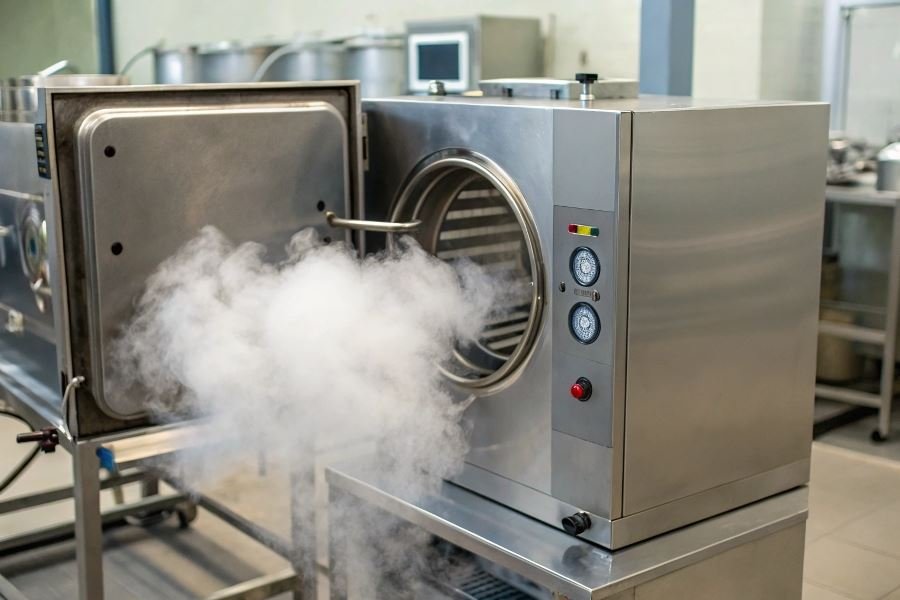
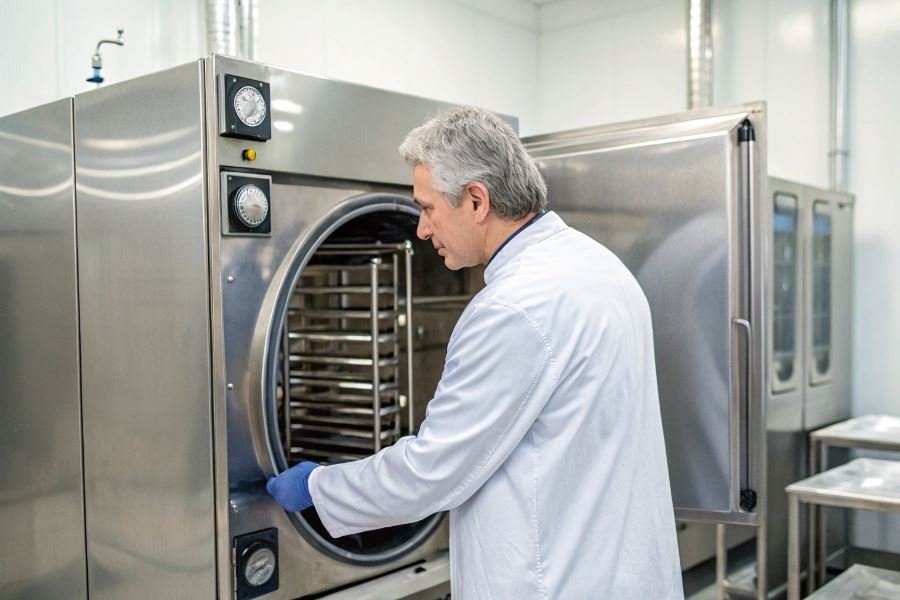
- Autoclave sterilizers: Using pressurized steam at 121-134°C, these workhorses handle most heat-resistant items with exceptional reliability
- Dry heat sterilizers: Perfect for moisture-sensitive materials, operating at higher temperatures (160-180°C) for longer durations
- UV sterilizers: Ideal for surface sterilization and water treatment with minimal energy consumption
- Chemical sterilizers: Utilizing ethylene oxide or hydrogen peroxide for heat-sensitive equipment
Before you invest: Critical considerations
When evaluating industrial sterilizers, several factors demand your attention:
“The most expensive sterilizer isn’t always the right one—the right sterilizer is the one that perfectly matches your operational workflow.” — Manufacturing Quality Association
First, assess your specific application requirements. What materials will you sterilize? What throughput volume do you need? Second, evaluate your facility constraints including available space, utilities, and ventilation requirements. Finally, consider the total cost of ownership, factoring in not just purchase price (ranging from $2,000 to $20,000+) but also maintenance, consumables, and energy consumption over the equipment’s lifespan.
The sterilizer you select today will impact your operations, compliance status, and bottom line for years to come. Choose wisely.
Smart Sterilization: Making the Right Choice for Your Business
When selecting an industrial sterilizer for your small business, the decision impacts everything from product quality to your bottom line. The market offers numerous options, each with distinct advantages depending on your specific needs. Establishing clear criteria for choosing an industrial sterilizer for small business operations ensures you’ll make an investment that serves your company for years to come.
Right-sizing Your Sterilization Solution
The perfect sterilizer balances capacity with physical footprint. For artisanal food producers processing 50-100 units daily, a compact 30-liter autoclave might be ideal. Meanwhile, small medical device manufacturers might require 100+ liter capacity despite limited floor space.
Space efficiency metrics to consider:
- Vertical vs. horizontal loading (vertical models typically save 30-40% floor space)
- Front-access maintenance requirements (add 2-3 feet clearance)
- Utility connection placement
A jewelry workshop in Portland doubled production after switching from a bulky 1990s sterilizer to a modern Tuttnauer unit with identical capacity but half the footprint.
Sterilization Methods: Matching Technology to Materials
Different industries demand different approaches to sterilization:
| Method | Best For | Processing Time | Temperature Range |
|---|---|---|---|
| Steam Autoclave | Heat-resistant items, medical tools | 15-30 minutes | 250-275°F |
| Dry Heat | Powders, oils, metal instruments | 60-120 minutes | 320-375°F |
| Ethylene Oxide | Heat-sensitive plastics, electronics | 2-5 hours | 100-140°F |
| UV Light | Surface sterilization, water | Seconds-minutes | Ambient |
A craft brewery in Colorado uses a combination approach: steam for production equipment and UV for water treatment, reducing contamination incidents by 87% while cutting sterilization time in half.
The Economics of Sterilization
Energy consumption represents 60-75% of lifetime sterilization costs for most small businesses. Modern units from manufacturers like STERIS incorporate energy recovery systems that reduce consumption by up to 40% compared to models from just five years ago.
Cost factors beyond purchase price:
- Water consumption (newer models use 3-5 gallons per cycle versus 10-15 for older units)
- Maintenance intervals (premium models often extend service periods from quarterly to semi-annual)
- Cycle time efficiency (faster cycles = more production capacity)
A Texas-based medical spa calculated complete ROI on their $12,000 energy-efficient sterilizer in just 18 months through utility savings alone.
Smart Controls and Automation
The latest industrial sterilizers feature programmable cycles and remote monitoring capabilities. The Getinge series allows operators to customize cycles for specific products, reducing energy use by running only necessary parameters rather than one-size-fits-all programs.
For businesses processing multiple product types, these smart controls eliminate the guesswork from sterilization protocols while creating digital documentation that simplifies compliance requirements. One cosmetics manufacturer reported 22% increased throughput after implementing programmed cycles tailored to different container sizes.
By carefully evaluating these essential criteria—size requirements, sterilization methods, energy efficiency, and control systems—small business owners can select equipment that delivers consistent quality while respecting operational budgets.
Beyond Basic: Advanced Sterilizer Selection for Business Success
Navigating regulatory compliance with confidence
Selecting an industrial sterilizer isn’t just about technical specifications—it’s about staying on the right side of regulatory requirements. The FDA, CDC, and OSHA maintain strict guidelines for sterilization processes across industries. Medical device manufacturers must adhere to FDA 21 CFR Part 820, while food processing operations need to align with FSMA regulations.
Don’t overlook industry-specific certifications like NSF for food equipment or UL listing for electrical safety. These aren’t just bureaucratic checkboxes—they’re your business’s shield against liability and reputation damage.
The most expensive sterilizer isn’t the one with the highest price tag—it’s the one that fails a regulatory inspection.
Smart business owners request documentation of compliance testing from manufacturers before purchase. Leading manufacturers like Tuttnauer and STERIS provide comprehensive regulatory documentation packages with their industrial sterilizers, simplifying your compliance journey.
Maintenance realities that impact your bottom line
The true cost of ownership extends far beyond the purchase price. Industrial sterilizers require regular maintenance to ensure consistent performance and longevity. Consider these critical factors:
- Preventive maintenance schedules: Most industrial sterilizers require quarterly or semi-annual professional servicing
- Replacement part availability: Some manufacturers discontinue parts after 7-10 years
- Technical support accessibility: 24/7 support can mean the difference between minor downtime and catastrophic business interruption
Reliability metrics matter. Request Mean Time Between Failures (MTBF) data from manufacturers—this reveals the sterilizer’s expected operational lifespan between issues.
ROI framework for confident decision making
Making the final selection requires balancing multiple factors against your business needs. This decision framework helps quantify both tangible and intangible benefits:
| Factor | Calculation Method | Impact Weight |
|---|---|---|
| Initial Investment | Purchase price + installation | High |
| Operating Costs | Energy + water + consumables | Medium |
| Maintenance Expenses | Annual service contracts + parts | Medium |
| Productivity Impact | Cycle time × daily loads × hourly operation value | High |
| Compliance Value | Cost of potential violations + reputation protection | High |
Calculate your break-even point by dividing total investment by monthly operational savings. Most small businesses should target a 24-36 month ROI timeframe for industrial sterilizers.
Consider financing options like equipment leasing through providers such as Ascentium Capital which can preserve working capital while providing tax advantages.
The final decision should integrate both quantitative metrics and qualitative factors. A sterilizer that perfectly matches your throughput requirements but lacks reliable local service support may ultimately cost more than a slightly oversized unit with robust maintenance infrastructure.
Remember that sterilization equipment directly impacts product quality and safety—making this investment decision one of the most consequential for your operation’s long-term success.
Discover the 7 essential criteria for selecting the perfect industrial sterilizer for your small business. Learn about capacity needs, sterilization methods, energy efficiency, compliance standards, and ROI considerations to make a smart investment.
Discover the 7 essential criteria for selecting the perfect industrial sterilizer for your small business. Learn about capacity needs, sterilization methods, energy efficiency, compliance standards, and ROI considerations to make a smart investment.