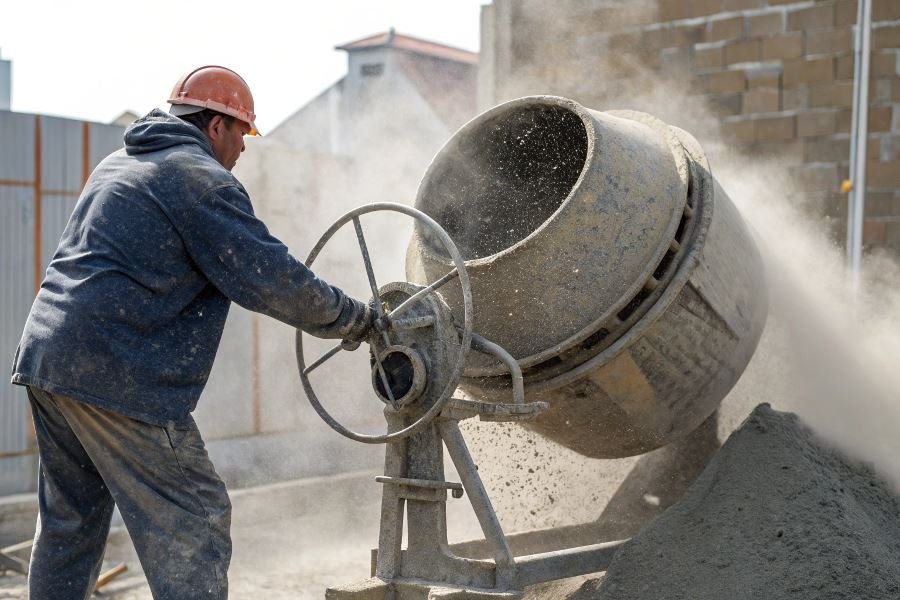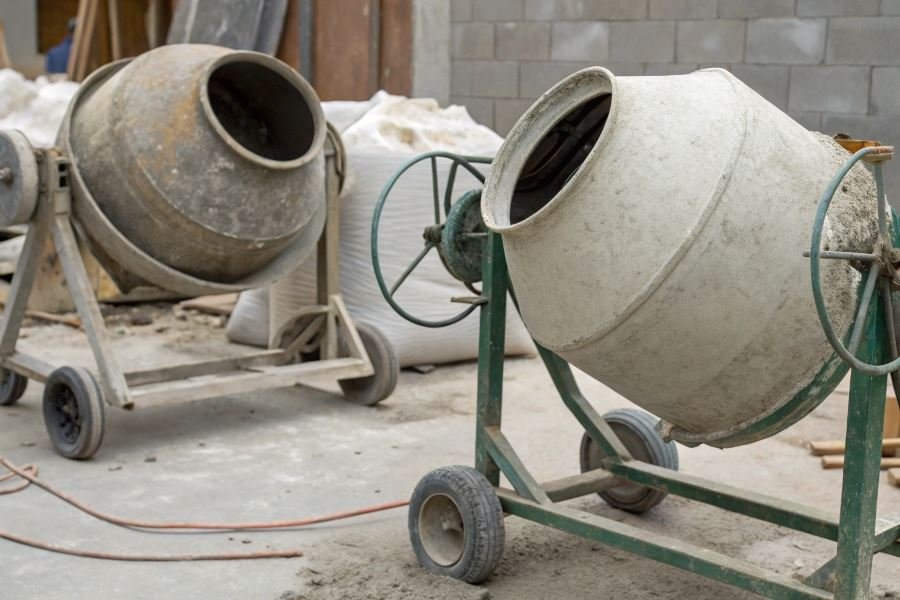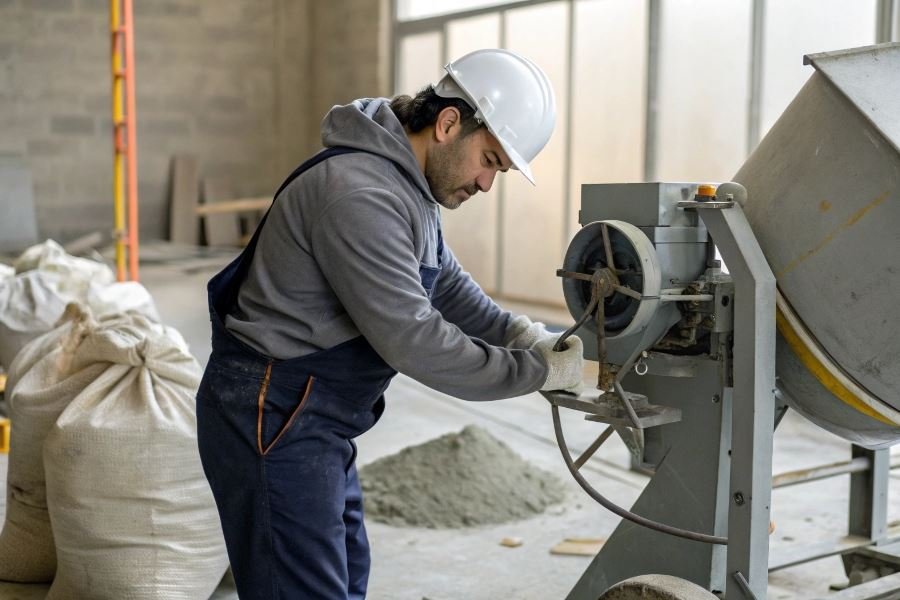
Ever watched a master plasterer transform rough walls into silky-smooth surfaces? Behind that magic lies a critical tool most people overlook: the mixing machine. While trowels get all the glory, it’s the humble mixer that determines whether your plaster becomes a durable masterpiece or a cracking nightmare.
The construction equipment landscape has evolved dramatically since the days of hand-mixing in buckets. Today’s professional plasterers face a dizzying array of specialized mixing machines—from compact hand-held mixers to sophisticated automated systems that precisely control consistency, volume, and application rates.
The right mixing machine doesn’t just save time—it fundamentally transforms results. When plaster achieves optimal consistency, it adheres better, cures properly, and maintains structural integrity for decades. Conversely, improperly mixed plaster can lead to costly failures: uneven surfaces, premature cracking, and poor bonding that requires complete removal and replacement.
Selecting the appropriate mixing machine involves navigating several critical factors:
- Power capacity relative to the materials being mixed
- Paddle design for different plaster types
- Speed control options for precision mixing
- Durability in harsh construction environments
- Ergonomics for operator comfort during extended use
The difference between professional-grade results and amateur work often comes down to this single piece of equipment. As construction standards continue rising, the mixing machine has transformed from a convenience into an absolute necessity for quality-focused professionals.
Essential Types of Mixing Machines for Plastering Work
The world of plastering equipment has evolved dramatically since the days of hand-mixing mortar in buckets. Today’s professional contractors have access to sophisticated mixing machines that can transform productivity on job sites. When evaluating mixing machines for plastering work, features of selection should focus on output capacity, motor power, and compatibility with different material types—factors that directly impact your project efficiency and finish quality.
Let’s dive into the three primary categories of mixing machines that dominate the modern plastering landscape, each offering distinct advantages for specific applications.
Continuous Mixers: The Production Powerhouses
Continuous mixers represent the high-volume solution for commercial and large-scale residential projects. These machines operate on a simple yet brilliant principle: dry materials enter one end while water is precisely metered in, creating a consistent flow of ready-to-use plaster that never stops.
Key advantages of continuous mixers include:
- Uninterrupted material flow (up to 60+ liters per minute)
- Consistent mix quality throughout the entire project
- Reduced material waste compared to batch processing
- Ideal for large surface areas requiring uniform application
The M-Tec Duo-Mix and PFT G4 models exemplify this category, offering digital control systems that maintain perfect water-to-material ratios regardless of environmental conditions. These machines truly shine on commercial projects where stopping to mix new batches would create costly delays and potential finish inconsistencies.
Batch Mixers: Versatile Workhorses
Batch mixers remain the trusted companions for contractors handling diverse projects with changing material requirements. These machines process defined quantities of material in cycles, giving operators complete control over each batch.
Batch mixers come in several configurations:
| Type | Capacity Range | Ideal Application | Mixing Time |
|---|---|---|---|
| Paddle Mixers | 40-200L | General plastering | 3-5 minutes |
| Pan Mixers | 60-300L | High-viscosity materials | 4-7 minutes |
| Horizontal Shaft | 100-500L | Large volume needs | 5-8 minutes |
The versatility of batch mixers like the Eibenstock EHR 23/2.5 S makes them perfect for contractors who might be applying traditional lime plaster one day and modern synthetic finishes the next. Their ability to thoroughly blend specialty additives and pigments ensures consistent results across smaller project areas.
Specialized Plastering Machines: All-in-One Solutions
The most advanced category combines mixing, pumping, and spraying functions into integrated systems that revolutionize workflow efficiency. These specialized plastering machines represent the pinnacle of modern application technology.
Standout features include:
- Integrated mixing and pumping mechanisms
- Adjustable spray nozzles for different textures
- Remote control operation for single-person use
- Automatic cleaning cycles to minimize maintenance time
The Putzmeister MP 25 Mixit exemplifies this category, offering contractors the ability to mix materials and transport them up to 50 meters horizontally or 30 meters vertically without quality degradation. These systems excel in situations where labor costs are high and project timelines are tight.
When selecting between these machine types, contractors must balance initial investment against long-term productivity gains. The right mixing machine doesn’t just mix materials—it transforms your entire operation’s efficiency, quality control, and ultimately, profitability.
The Definitive Guide to Selecting Plastering Mixers
When it comes to achieving that perfect finish on walls and ceilings, your mixing machine is the unsung hero of the operation. The right mixer doesn’t just blend materials—it transforms your workflow, impacts your bottom line, and determines the quality of your final product.
Power, Capacity, and Speed: The Technical Trifecta
The technical specifications of a plastering mixer aren’t just numbers on a spec sheet—they’re the backbone of your productivity.
Power requirements vary dramatically based on your typical workload. For small-scale residential projects, a mixer with 1000-1200W might suffice. However, commercial contractors should consider machines in the 1600-2000W range to handle continuous operation without overheating or motor strain.
The relationship between power and performance isn’t always linear—a well-designed 1400W mixer can sometimes outperform a poorly engineered 1800W unit.
Capacity considerations should align with your typical batch size:
| Mixer Size | Ideal For | Approximate Material Volume |
|---|---|---|
| Small (40-60L) | DIY and small repairs | Up to 25kg of dry mix |
| Medium (80-100L) | Residential projects | 40-60kg of dry mix |
| Large (120L+) | Commercial applications | 80kg+ of dry mix |
Mixing speed versatility is non-negotiable for professional applications. The best Collomix and PFT models offer variable speed controls ranging from 40 RPM for heavy materials to 700 RPM for lighter compounds.
Material Compatibility: One Mixer Doesn’t Fit All
Different plaster types demand different mixing approaches—a fact often overlooked until it’s too late.
Traditional lime plasters require gentle, consistent mixing to maintain their workability without breaking down the material structure. Look for mixers with paddle designs specifically engineered for lime-based materials.
Gypsum-based compounds benefit from mixers with higher torque capabilities that can handle the initial resistance during the mixing phase. The M-Tec Duo-Mix excels here with its progressive mixing action.
For cement-based renders, durability becomes paramount. The abrasive nature of these materials will quickly wear down inferior paddles and drums. Invest in mixers with reinforced steel paddles and wear-resistant drums—they’ll cost more upfront but save thousands in replacement parts.
Maintenance Requirements and Longevity
The true cost of a mixing machine extends far beyond the purchase price. Maintenance requirements can make or break your operational efficiency.
Daily cleaning protocols vary dramatically between models. Some require complete disassembly, while others feature quick-release mechanisms that reduce cleaning time from 30 minutes to under 5 minutes. The Putzmeister MP 25 incorporates self-cleaning technology that pays for itself in labor savings within months.
Replacement part availability should factor heavily into your decision. Proprietary components can leave you waiting weeks for repairs, while machines built with standardized parts keep downtime to a minimum.
The smartest contractors track their total cost of ownership, not just purchase price. A $3,000 mixer that lasts five years with minimal maintenance often outperforms a $1,500 unit that requires frequent repairs.
Look for manufacturers offering at least a two-year warranty on motor components and readily available service centers within your operational area. This infrastructure indicates the manufacturer’s confidence in their product and commitment to keeping you operational.
Discover how to select the perfect mixing machine for professional plastering projects. Our comprehensive guide covers continuous mixers, batch mixers, and specialized equipment, helping contractors achieve superior results with the right technical specifications.
Discover how to select the perfect mixing machine for professional plastering projects. Our comprehensive guide covers continuous mixers, batch mixers, and specialized equipment, helping contractors achieve superior results with the right technical specifications.