Ever watched a modest theater production suddenly transform into a breathtaking spectacle with just a few well-placed effects? That’s no accident—it’s the result of thoughtful special effects planning that can elevate even the smallest performance spaces from ordinary to extraordinary.
Special effects generators serve as the unsung heroes behind memorable performances, creating atmosphere and emotion that dialogue alone cannot convey. Whether it’s the subtle fog that creeps across the floor during a mystery play or the dramatic flash that punctuates a climactic moment, these effects fundamentally alter how audiences experience live performances.
Today’s market offers an impressive array of special effects options scaled specifically for intimate venues. From compact fog machines and LED effect projectors to miniaturized flame simulators and portable haze systems—each serves a distinct purpose in the storyteller’s toolkit. The most versatile generators combine multiple effects in space-saving designs, perfect for venues with limited backstage areas.
Selecting the appropriate effects generator isn’t merely about visual impact—it’s about enhancing the narrative. A children’s production might benefit from gentle bubble effects and soft lighting changes, while an avant-garde performance might demand more intense atmospheric transformations. The most successful small stage productions match their technical capabilities precisely to their creative vision.
“The right special effect doesn’t just add to a performance—it completes it. In small venues, this becomes even more crucial as audiences experience everything up close.” — Theater Technology Quarterly
The key lies in understanding your specific requirements: power availability, noise limitations, ventilation concerns, and operator expertise all factor into making the perfect choice for your unique stage environment.
Essential Factors for Small Stage Special Effects
When selecting equipment for theatrical productions, understanding how to choose a special effects generator for a small stage requires balancing technical requirements with practical limitations. Small venues present unique challenges that demand thoughtful consideration beyond what works in larger spaces.
Space and Portability Matter
Small stages don’t just limit your performance area—they restrict your effects options too. The ideal generator for intimate venues should feature:
- Compact footprint under 24″ × 24″
- Lightweight construction (under 30 pounds when possible)
- Integrated carrying handles or wheeled options
The Antari Z-350 fog machine exemplifies smart design for limited spaces, offering professional-grade effects while occupying minimal real estate. When evaluating units, measure your available wing space and storage areas before committing.
Power Requirements and Safety
Electrical considerations can make or break your effects setup:
| Power Aspect | Small Stage Recommendation | Why It Matters |
|---|---|---|
| Circuit Load | Under 15 amps per effect | Prevents tripping breakers |
| Voltage | 110-120V standard options | Compatible with existing outlets |
| Cabling | Short-run, high-gauge | Reduces trip hazards |
Never daisy-chain multiple high-draw effects on a single circuit. The Look Solutions Tiny FX series demonstrates how manufacturers address these concerns with low-draw designs specifically engineered for smaller venues.
Noise and Heat Management
Nothing ruins an intimate performance faster than distracting operational noise or uncomfortable heat:
Noise considerations:
- Seek units rated below 45dB during operation
- Consider DMX-controlled options that can be triggered remotely
- Look for “silent mode” features for particularly quiet scenes
Heat management:
- Allow minimum 3-foot clearance from curtains and set pieces
- Select water-based fog over oil-based when possible
- Consider LED-based effects that generate minimal heat
The ADJ Entour Faze represents the current generation of whisper-quiet hazers that won’t disrupt even the most delicate performances.
Budget-Conscious Decisions
Small productions rarely have unlimited budgets, making cost-effectiveness crucial:
- Initial investment vs. ongoing operational costs
- Consumable expenses (fluid, CO2, pyro materials)
- Maintenance requirements and part availability
Rather than purchasing the cheapest option, calculate the total cost of ownership. A $499 Chauvet Hurricane might outperform and outlast three $199 generic units, ultimately saving money and headaches.
For truly budget-constrained productions, consider:
- Rental options for one-off performances
- Dual-purpose effects (fog machines that can also create low-lying fog)
- DMX-compatible units that can grow with your technical capabilities
The perfect special effects generator balances these four critical factors while meeting your creative vision. By prioritizing space efficiency, electrical safety, quiet operation, and long-term value, even the smallest stage can deliver spectacular visual impact without compromising performance quality or breaking the bank.
Mastering Special Effects: Your Guide to Small Stage Generators
Special effects transform ordinary performances into unforgettable experiences. For small stage productions, selecting the right effects generator isn’t just about creating wow moments—it’s about finding equipment that balances impact with practical constraints. Let’s dive into the three essential categories of special effects generators and how to select the perfect match for your venue.
Atmospheric Effect Generators That Set the Mood
Atmospheric effects create the foundation for any immersive stage environment. These systems fall into three primary types:
Fog machines produce dense, ground-hugging effects perfect for creating mystery or masking stage transitions. When selecting a fog generator, focus on:
- Tank capacity (2-5 liters is ideal for small venues)
- Warm-up time (under 5 minutes prevents show delays)
- Output control (variable output offers versatility)
Haze generators create fine, suspended particles that catch light beams without obscuring visibility. For small stages, prioritize:
- Particle size (smaller is better for intimate spaces)
- Fluid consumption rate (efficient models use 1-2ml per minute)
- Fan speed control (essential for maintaining consistent haze levels)
Smoke machines deliver dramatic billowing effects. Key selection factors include:
- Heat exchanger quality (aluminum blocks offer better longevity)
- DMX compatibility for programming cues
- Noise level (under 40dB for theatrical applications)
The difference between professional and amateur productions often comes down to atmospheric control. Invest in quality fluid—cheap alternatives can damage equipment and leave residue.
Lighting Effect Generators That Dazzle
Lighting effects create the visual energy that drives emotional response. For small stages, consider these three essential categories:
LED effect generators offer versatility with minimal power requirements. Selection criteria include:
- Beam angle (narrow for precision, wide for wash effects)
- Color mixing capability (RGBW+UV provides maximum flexibility)
- Dimming curve quality (look for 16-bit resolution minimum)
Laser systems deliver precision beam effects that cut through other lighting. When choosing:
- Wattage (0.5W-3W is sufficient for most small venues)
- Safety features (automatic shutdown if bumped)
- Scanning speed (faster systems create more complex patterns)
Strobe lights create high-impact moments and freeze-frame effects. Key considerations:
- Flash rate (adjustable from 1-20Hz offers creative control)
- LED vs. xenon (LED consumes less power but xenon delivers more punch)
- Blinder capability (dual-purpose units maximize your investment)
| Effect Type | Power Requirements | Heat Output | Control Complexity |
|---|---|---|---|
| LED Effects | Low (100-300W) | Minimal | Moderate |
| Lasers | Low (50-200W) | Low | High |
| Strobes | Medium (300-600W) | Medium | Simple |
Pyrotechnic and Cold Spark Generators That Ignite Excitement
For dramatic climactic moments, nothing beats pyrotechnic and spark effects. However, these require special consideration:
Cold spark fountains create dramatic sparkle effects without extreme heat. Selection factors:
- Height control (adjustable from 2-15 feet)
- Granulate consumption rate (efficient models use 200g/minute)
- Safety features (automatic cool-down cycles)
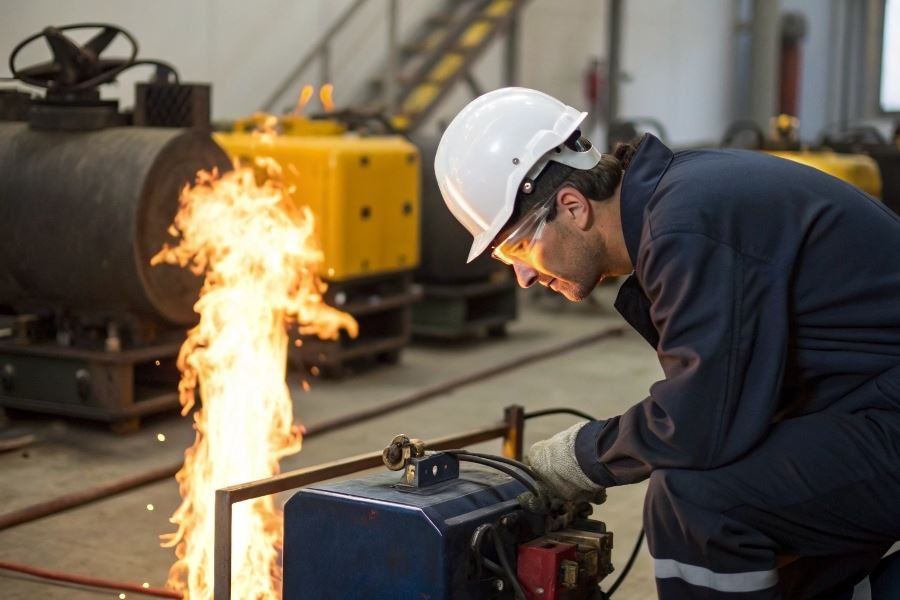
Flame projectors deliver controlled fire effects. Critical considerations:
- Fuel type compatibility (propane vs. liquid fuel)
- Safety mechanisms (multiple redundant systems)
- Flame height control (precision matters in small spaces)
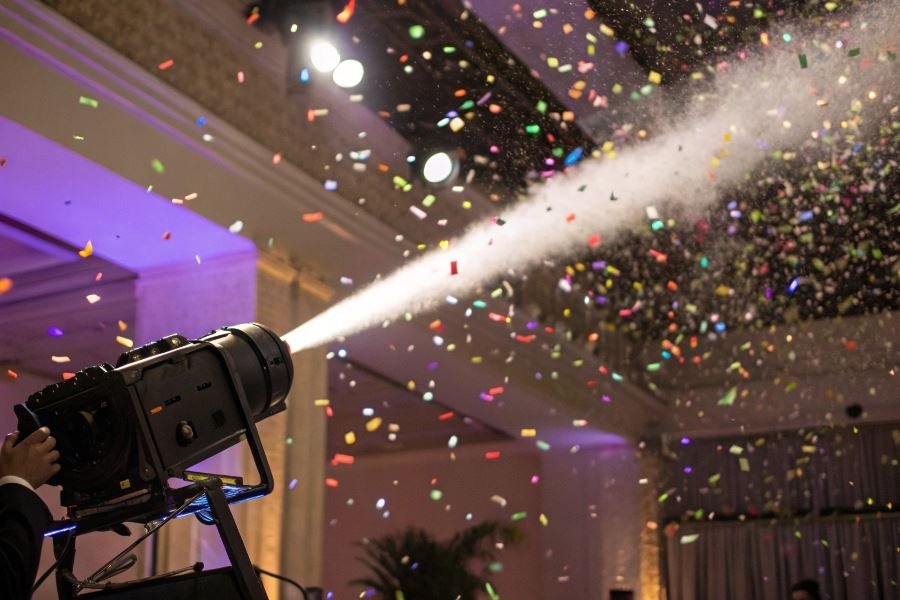
Confetti/CO2 jets provide celebratory bursts without fire risks. Look for:
- Refill convenience (quick-change canisters minimize downtime)
- Spread pattern control (directional nozzles prevent audience overspray)
- Trigger response time (under 50ms ensures precise timing)
Always check venue regulations before purchasing pyrotechnic equipment. Many theaters have strict policies that may limit or prohibit certain effects.
Remember that special effects are tools for storytelling, not just spectacle. The best equipment choices enhance your production’s narrative while respecting your venue’s limitations and your audience’s experience.
Discover how to select the ideal special effects generator for small stage productions. Learn about atmospheric, lighting, and pyrotechnic options while considering space constraints, safety requirements, and budget limitations for maximum impact in intimate venues.
Discover how to select the ideal special effects generator for small stage productions. Learn about atmospheric, lighting, and pyrotechnic options while considering space constraints, safety requirements, and budget limitations for maximum impact in intimate venues.