Ever wondered why some firefighting operations extinguish massive blazes in minutes while others struggle for hours? The difference often lies in one critical piece of equipment: the foam generator. These powerful devices represent the frontline defense against fires in expansive environments, from industrial complexes to outdoor storage facilities.
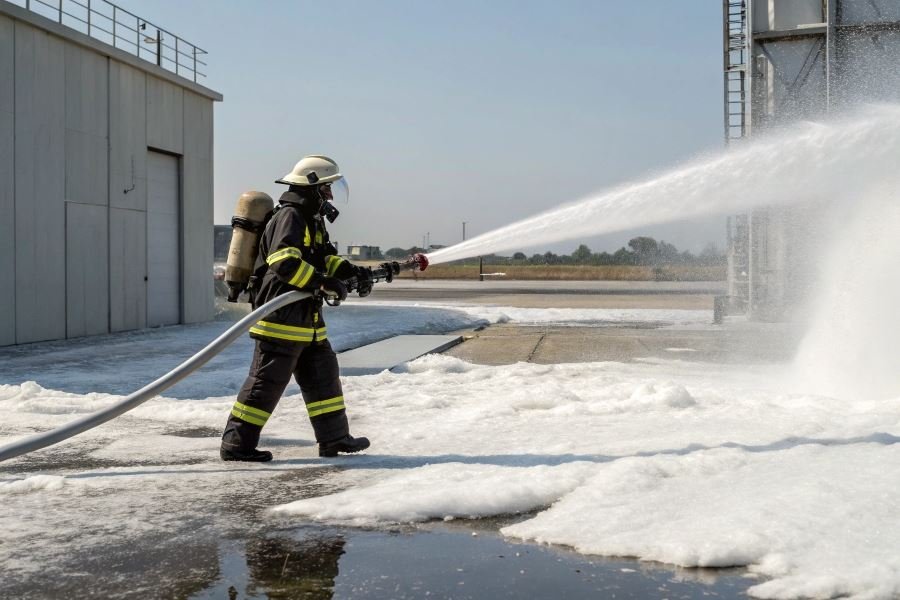
Foam generators create a blanket of fire-suppressing foam by mixing water, foam concentrate, and air in precise proportions. Unlike traditional water-based systems, foam generators produce a substance that floats on flammable liquids, cutting off oxygen supply and preventing re-ignition. This makes them particularly valuable for open areas where wind and environmental factors complicate firefighting efforts.
Selecting the right foam generator for open spaces isn’t merely a technical decision—it’s a critical safety investment. The stakes couldn’t be higher: property protection, environmental impact, and potentially human lives all hang in the balance. The right generator can mean the difference between a minor incident and a catastrophic event.
When evaluating foam generators for open areas, three factors demand particular attention:
- Coverage capacity: How much area can the generator effectively protect?
- Environmental resilience: Will it perform reliably in varying weather conditions?
- Foam quality: Does it produce consistent, stable foam with appropriate expansion ratios?
The foam generator market has evolved dramatically, with modern units offering unprecedented efficiency and deployment speed. Today’s systems can blanket football field-sized areas in minutes—a capability that would have seemed impossible just a decade ago.
Technical Specifications That Make or Break Outdoor Foam Systems
When selecting foam generators for open areas, the technical specifications become your roadmap to success or failure. The difference between effective fire suppression and inadequate coverage often comes down to understanding the precise requirements for your specific application.
The process of evaluating foam generators for open areas requires careful consideration of expansion ratios, pressure requirements, and durability factors. Foam generators: features of selection for open areas must be approached methodically, with particular attention to how these systems will perform under real-world conditions where variables like wind, temperature, and precipitation can dramatically affect performance.
Expansion Ratios: The Foundation of Effective Coverage
The expansion ratio—the relationship between the volume of finished foam and the original foam solution—is perhaps the most critical specification to consider.
| Application Type | Recommended Expansion Ratio | Coverage Characteristics |
|---|---|---|
| Fuel Storage Areas | 5:1 to 7:1 (Low) | Dense, heat-resistant foam that flows easily across liquid surfaces |
| Chemical Processing | 8:1 to 20:1 (Medium) | Balanced between flow and stability for hazardous material control |
| Waste Management | 20:1 to 200:1 (High) | Lightweight, voluminous coverage for large area containment |
| Aircraft Hangars | 8:1 to 12:1 (Medium) | Rapid spreading capability with sufficient weight to resist air currents |
Low-expansion systems (below 20:1) deliver heavier, wetter foam ideal for fuel spills and fires where the foam needs to spread across a liquid surface. Medium-expansion systems provide balanced performance for most industrial applications, while high-expansion generators create voluminous, lightweight foam that can quickly fill large spaces.
Pressure Parameters and Flow Dynamics
The effectiveness of any foam generator hinges on maintaining optimal pressure and flow rates. These specifications aren’t just numbers on a data sheet—they determine real-world performance.
For most outdoor applications, generators operating at 70-100 PSI deliver optimal performance. However, this varies based on:
- Distance requirements (longer throws need higher pressure)
- Elevation differences between the generator and target area
- Wind conditions in the deployment zone
Flow rate requirements typically range from 50 GPM for small portable units to 500+ GPM for large fixed installations. When selecting equipment, consider that:
“A 20% reduction in recommended operating pressure can result in up to 50% decrease in effective foam distribution range.”
Weather Resistance and Durability Factors
Outdoor foam generators face environmental challenges that indoor systems never encounter. Materials selection becomes paramount when equipment must withstand:
- Temperature extremes (-40°F to 120°F)
- UV radiation exposure
- Corrosive environments (especially near coastlines)
- Precipitation and humidity fluctuations
Premium outdoor generators typically feature 316-grade stainless steel components rather than standard 304-grade, providing superior corrosion resistance. For extreme environments, look for systems with NEMA 4X or IP66 ratings that ensure complete protection against water ingress and dust.
The mounting systems deserve equal attention—vibration-dampening mounts prevent metal fatigue during extended operation, while wind-load ratings ensure stability during adverse weather conditions.
By carefully evaluating these technical specifications, you’ll select foam generators that deliver reliable performance exactly when you need it most—in challenging outdoor environments where failure isn’t an option.
Making the Final Decision on Foam Generators
When investing in foam generators for open areas, the decision-making process requires careful consideration of financial implications, ongoing maintenance needs, and regulatory compliance. Let’s dive into these critical factors that will determine not just your initial satisfaction, but your long-term success with these systems.
The dollars and sense of foam generation
The cost-benefit equation for foam generators extends far beyond the price tag. High-capacity industrial foam generators might command 5, 000−15,000 upfront, while portable units typically range from 800−3,000. However, the true value proposition emerges when analyzing:
Operational efficiency: Premium generators from manufacturers like Ansul typically consume 15-30% less foaming agent while maintaining equivalent coverage, translating to substantial savings over a 5-10 year operational window.
Coverage economics: When protecting open areas, the cost per square foot of protection becomes the critical metric. Consider this comparison:
| Generator Type | Initial Cost | Annual Operating Cost | 5-Year Total Cost | Coverage Area | Cost per sq. ft. |
|---|---|---|---|---|---|
| High-expansion | $12,000 | $1,800 | $21,000 | 10,000 sq. ft. | $2.10 |
| Medium-expansion | $8,500 | $2,200 | $19,500 | 7,500 sq. ft. | $2.60 |
| Portable unit | $2,500 | $1,200 | $8,500 | 2,500 sq. ft. | $3.40 |
The premium you pay upfront often delivers exponential value through expanded coverage and reduced operational costs.
Maintenance realities and reliability factors
The most sophisticated foam generator becomes worthless without proper maintenance. Industry leaders understand that reliability isn’t just about avoiding failure—it’s about ensuring consistent performance when needed most.
Maintenance intervals vary dramatically between models. Standard industrial units typically require:
- Monthly visual inspections
- Quarterly nozzle cleaning
- Annual comprehensive service
- 5-year component replacement cycles
Environmental resilience becomes particularly crucial for open-area applications. Generators from Chemguard designed for outdoor use incorporate corrosion-resistant components that extend service life by 40-60% compared to standard models when exposed to harsh conditions.
Parts availability represents an often-overlooked reliability factor. Before committing, verify the manufacturer maintains a robust supply chain for critical components with guaranteed availability for at least 10 years after purchase.
Navigating the regulatory landscape
Compliance isn’t optional—it’s essential for both legal operation and effective performance. Current regulations for open-area foam applications have evolved significantly since the NFPA revised its standards in 2018.
Environmental compliance has become increasingly stringent, particularly regarding PFAS-containing foams. The latest NFPA 11 standards establish clear guidelines for containment and disposal of foam discharge in open areas.
Testing protocols must align with both manufacturer specifications and local regulations. Most jurisdictions now require documented testing at installation and regular intervals thereafter, with results maintained for regulatory inspection.
Certification requirements vary by application and location. For critical infrastructure protection, third-party certification from organizations like UL or FM Global isn’t just beneficial—it’s often mandatory.
The foam generator that perfectly balances these considerations—cost-effectiveness, maintenance simplicity, and regulatory compliance—represents not just a purchase, but a strategic investment in operational safety and business continuity.
Discover how to select optimal foam generators for open areas based on expansion ratios, pressure requirements, and weather resistance factors. Learn key technical specifications for effective fire suppression in outdoor environments.
Discover how to select optimal foam generators for open areas based on expansion ratios, pressure requirements, and weather resistance factors. Learn key technical specifications for effective fire suppression in outdoor environments.