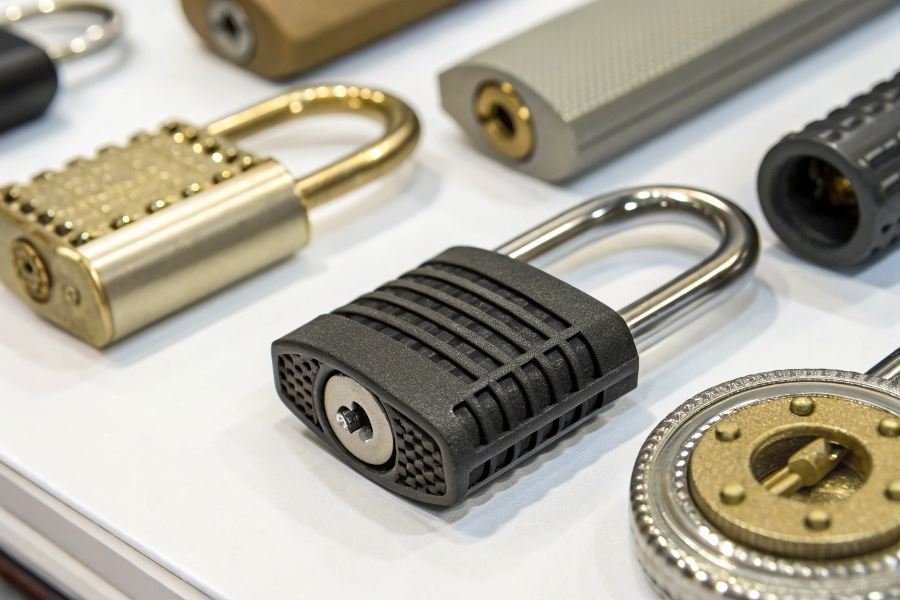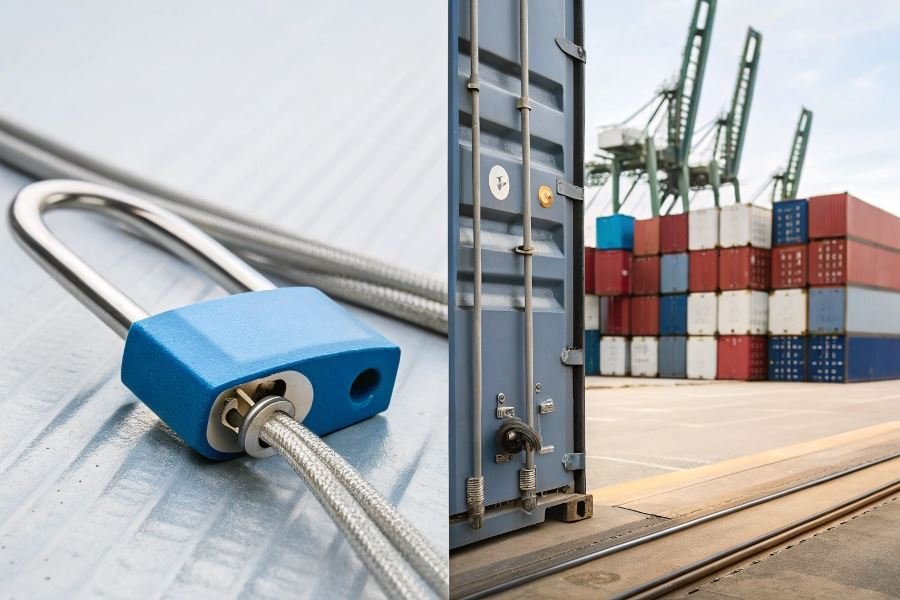
When $127 billion worth of cargo disappears annually from global supply chains, the humble security seal suddenly becomes your most crucial defense line. These small devices—whether disposable or reusable—stand between your assets and potential catastrophe.
Security seals have evolved from simple wax stamps used by medieval merchants to sophisticated tamper-evident technologies that now protect everything from shipping containers to pharmaceutical products. The choice between disposable and reusable options isn’t merely a cost consideration—it’s a strategic decision that impacts your operational efficiency, environmental footprint, and security posture.
Disposable seals offer single-use simplicity: typically plastic or metal mechanisms designed to break upon tampering, providing clear visual evidence of interference. Their counterparts, reusable seals, feature robust construction with electronic components that can be reset and redeployed, often incorporating tracking capabilities through RFID or Bluetooth technology.
“The right security seal isn’t just about preventing theft—it’s about maintaining compliance, protecting brand reputation, and ensuring customer trust.”
When selecting between these options, businesses must weigh several critical factors:
Security requirements
- Threat level assessment: Higher-value shipments may warrant more sophisticated solutions
- Regulatory compliance: Industries like food, pharmaceuticals, and hazardous materials face strict chain-of-custody requirements
Operational considerations
- Deployment frequency: How often seals need to be applied and verified
- Environmental conditions: Exposure to extreme temperatures, moisture, or chemicals
Cost implications
- Initial investment vs. long-term value
- Hidden costs: Training, maintenance, and disposal requirements
The effectiveness of your security seal strategy ultimately depends on how well it aligns with your specific business vulnerabilities and operational workflow.
Seal the Deal: Comparative Analysis of Security Solutions
When protecting valuable assets, the choice between disposable and reusable seals represents a critical business decision with far-reaching implications. Security professionals must weigh multiple factors beyond the simple “use once” versus “use repeatedly” distinction.
Businesses across industries face the ongoing challenge of selecting the most appropriate security sealing solutions. Disposable seals vs reusable seals: which is more effective for business depends on a complex interplay of security requirements, operational needs, and sustainability goals. The answer isn’t universal—it’s contextual to each organization’s unique circumstances.
Breach detection capabilities
The primary purpose of any security seal is tamper evidence, and here’s where significant differences emerge:
Disposable seals excel in tamper evidence through:
- Irreversible locking mechanisms that break upon tampering
- Unique serial numbers for verification
- Visible damage indicators when compromised
Reusable alternatives offer different security advantages:
- Electronic logging capabilities
- Real-time monitoring options
- Audit trail documentation
Security insight: The most secure seal isn’t necessarily the most expensive, but the one most appropriate for your specific threat model.
Financial implications across time
The economics of seal selection extends beyond purchase price:
| Seal Type | Initial Investment | Operational Costs | Replacement Frequency |
|---|---|---|---|
| Disposable | 0.50−5.00 per unit | Low tracking costs | Every use |
| Reusable | 15−150+ per unit | Higher maintenance | 500-1000+ uses |
When analyzing total cost of ownership, consider:
- Volume requirements – High-volume operations may benefit from disposable solutions despite per-unit savings of reusables
- Administrative overhead – Reusable systems require tracking, maintenance, and return logistics
- Loss factors – Reusable seals represent greater financial loss when misplaced
Environmental considerations
The sustainability equation has become increasingly important in security decisions:
Disposable seal environmental impact:
- Material consumption (primarily plastic and metal)
- Waste generation with each use
- Limited recycling options due to mixed materials
Reusable seal sustainability advantages:
- Reduced waste stream over time
- Lower carbon footprint per use
- Potential for materials recovery at end-of-life
However, the environmental calculation isn’t straightforward. Reusable seals require:
- More resource-intensive manufacturing
- Energy for cleaning and maintenance
- Transportation for returns
The most environmentally responsible choice depends on usage patterns, geographic distribution, and available disposal infrastructure.
Decision framework
The effectiveness question ultimately requires balancing:
- Security threshold requirements – What level of tamper evidence is necessary?
- Operational realities – How will seals be deployed and managed?
- Budget constraints – What’s the available investment horizon?
- Sustainability commitments – How do environmental factors weigh in decision-making?
Organizations achieving optimal security outcomes typically implement hybrid approaches, deploying disposable seals for certain applications and reusable systems for others, creating a comprehensive security ecosystem tailored to their specific needs.
Strategic Seal Selection: Maximizing Security ROI
Industry-Specific Applications That Drive Results
The security needs of a pharmaceutical distributor differ dramatically from those of a logistics company. Industry context dictates optimal seal selection in ways that directly impact both security and operational efficiency.
For high-volume retail supply chains, disposable plastic seals offer the perfect balance of cost-efficiency and tamper evidence. Major retailers like Walmart have implemented color-coded disposable seal systems that change monthly, creating an additional verification layer without increasing handling time.
In contrast, industries handling hazardous materials or high-value goods typically benefit from reusable metal seals. The nuclear power sector, for example, relies on TydenBrooks cable seals that withstand extreme environments while providing verifiable security records across multiple inspection points.
The healthcare sector presents a fascinating middle ground where both solutions coexist. Pharmaceutical shipments often employ disposable seals with serialized barcodes, while medical equipment containers utilize reusable electronic seals that log access attempts.
| Industry | Recommended Seal Type | Key Benefit | Approximate Cost Per Unit |
|---|---|---|---|
| Retail | Disposable plastic | High volume processing | 0.15−0.50 |
| Banking | Reusable electronic | Audit trail capabilities | 15−45 |
| Food & Beverage | Disposable with tamper-evident ink | Visual verification | 0.25−0.75 |
| Aerospace | Reusable metal | Durability in transit | 8−25 |
Seamless Security Integration
The most effective seal implementation doesn’t exist in isolation—it enhances existing security frameworks. Integration capability should rank among your top selection criteria.
Reusable electronic seals from providers like Sealock Security Systems now offer API connectivity that feeds directly into warehouse management systems, creating real-time visibility across supply chains. This integration capability justifies their higher initial investment through reduced manual verification processes.
For companies with established barcode scanning infrastructure, disposable seals with compatible 2D barcodes require zero additional hardware investment. This plug-and-play compatibility explains why 73% of retail distribution centers prefer them despite their single-use nature.
The integration sweet spot often lies in hybrid approaches. A major automotive parts distributor recently implemented disposable seals for daily shipments while reserving reusable electronic seals for high-value component transfers, all managed through a unified tracking platform.
Tomorrow’s Security Seal Landscape
The security seal market is experiencing a technological renaissance that’s reshaping the disposable vs. reusable debate entirely.
Blockchain-verified disposable seals are emerging as game-changers. These seemingly simple plastic seals contain embedded NFC chips that write to distributed ledgers upon application and breaking. Companies like Chronicled are pioneering these solutions that deliver reusable-level security with disposable convenience.
Meanwhile, reusable seals are becoming smarter. The latest generation from Mega Fortris includes environmental sensors that detect not just tampering but exposure to temperature extremes, excessive moisture, or unusual G-forces—critical for sensitive pharmaceutical and electronics shipments.
The most exciting development may be biodegradable disposable seals, addressing the environmental concerns that have traditionally favored reusable options. These plant-based alternatives offer the same security features while decomposing completely within 18 months.
The future clearly points toward intelligent, connected sealing solutions that blur the traditional lines between disposable and reusable categories, focusing instead on delivering the perfect security profile for each specific business application.
Discover which security solution offers superior protection for your assets: disposable or reusable seals. Compare cost-efficiency, environmental impact, and security integrity to make the optimal choice for your business needs.
Discover which security solution offers superior protection for your assets: disposable or reusable seals. Compare cost-efficiency, environmental impact, and security integrity to make the optimal choice for your business needs.