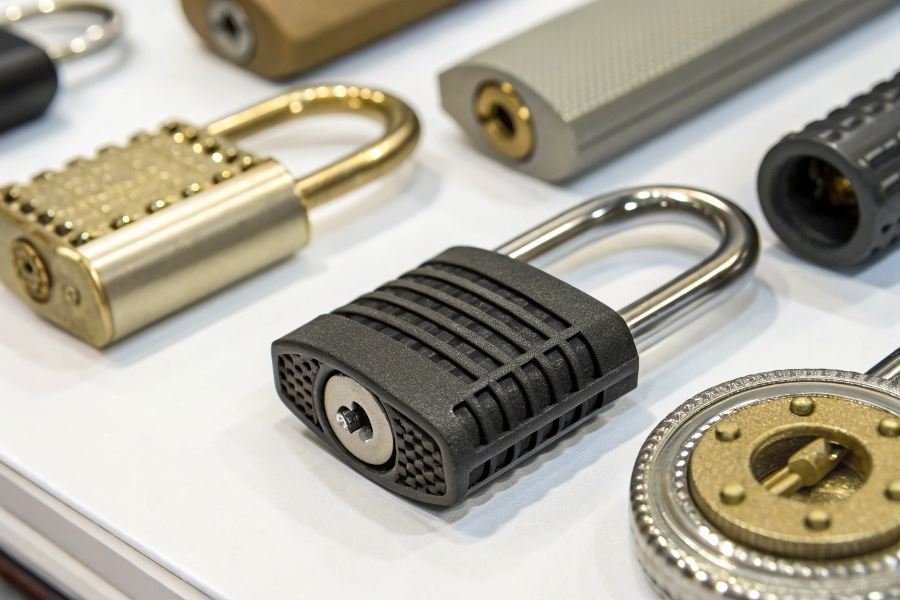
Did you know that over $500 billion in physical currency moves through the U.S. economy every day? Behind this massive flow of funds stands an often-overlooked hero: the humble security seal. These aren’t just plastic strips—they’re the frontline defenders of financial integrity.
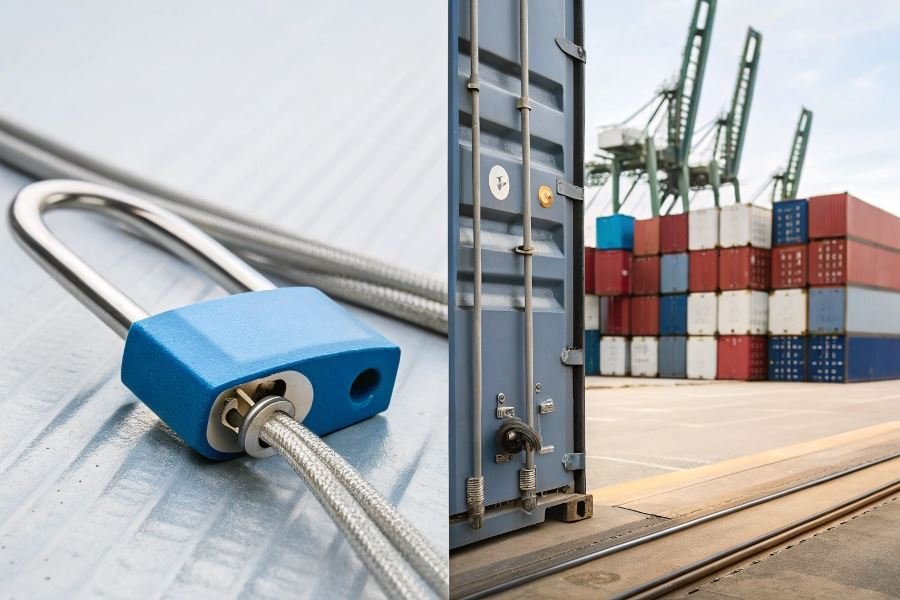
Security seals for cash collection are specialized tamper-evident devices designed to secure cash-in-transit containers, ATM cassettes, and deposit bags. They serve as both physical barriers and visual indicators that immediately reveal unauthorized access attempts. When a seal’s integrity is compromised, it provides irrefutable evidence that someone has attempted to access the protected contents.
“The most effective security systems aren’t the ones that prevent all breaches—they’re the ones that make breaches impossible to hide.” — Federal Reserve Bank security guideline
The regulatory landscape
The framework governing cash handling security isn’t just complex—it’s deliberately robust. The Federal Reserve, Department of Treasury, and financial regulatory bodies have established multi-layered requirements that financial institutions must follow. These regulations evolved significantly after the Bank Protection Act of 1968 established the foundation for modern cash security protocols.
Financial institutions face not just federal oversight but also state-specific requirements that can vary dramatically across jurisdictions. Compliance isn’t optional—it’s the difference between operational continuity and potentially devastating penalties.
Why compliance matters
Beyond avoiding fines, proper seal implementation creates an audit trail that protects everyone in the cash handling chain. From the teller who prepares the deposit to the transportation team to the counting facility—each participant gains protection through documented compliance.
The most forward-thinking organizations view these requirements not as bureaucratic hurdles but as opportunities to strengthen their security posture while building customer trust through demonstrated commitment to protecting assets.
The Regulatory Backbone of Cash Collection Security
Federal Mandates That Shape the Industry
The security of cash in transit represents a critical concern for financial institutions and businesses handling currency. Federal regulations governing cash collection security seals form a complex framework designed to prevent theft, tampering, and fraud. The Department of Treasury, in conjunction with the Federal Reserve, establishes baseline requirements that all cash handling entities must follow. These standards specify minimum tensile strength (typically 50+ pounds), tamper-evidence capabilities, and unique identification protocols.
Legislative requirements for seals for cash collection have evolved significantly since the Bank Protection Act of 1968, which first established formal security standards for financial institutions. Today, the Code of Federal Regulations Title 12 (Banks and Banking) contains specific provisions regarding the secure transport and handling of currency. The Federal Financial Institutions Examination Council (FFIEC) further refines these requirements through periodic guidance updates that reflect emerging security threats and technological advancements.
Key federal requirements include:
- Unique serial numbering on each seal
- Tamper-evident design features that show irreversible evidence of interference
- Documentation of chain of custody
- Material specifications that prevent counterfeiting
Industry Standards That Raise the Bar
Beyond government mandates, industry associations have developed specialized best practices that often exceed federal minimums. The American Society for Industrial Security (ASIS) and the Association of Certified Fraud Examiners (ACFE) publish guidelines that have become de facto standards in the field.
The implementation of these standards varies by sector, with banking and retail developing distinct approaches to seal usage.
| Industry | Typical Seal Type | Replacement Frequency | Special Requirements |
|---|---|---|---|
| Banking | High-security plastic | Every transaction | Dual control protocols |
| Retail | Metal/plastic hybrid | Daily | Color-coding by shift |
| Casino | Electronic with GPS | Per collection route | Real-time monitoring |
| Pharmacy | Chemical-reactive | Weekly | Substance control tracking |
Documentation Requirements That Cannot Be Ignored
Perhaps the most stringent aspect of compliance involves the meticulous record-keeping required for every seal used in cash collection. The Bank Secrecy Act mandates comprehensive documentation that must be maintained for a minimum of five years.
“The paper trail of seal usage is often what makes or breaks financial crime investigations.” – Federal Reserve Bank Security Directive
Essential documentation practices include:
- Seal inventory management systems
- Issuance and destruction logs
- Seal verification procedures
- Incident reporting protocols
- Regular audit schedules
Financial institutions using Tamper-Evident Products or similar security solutions must maintain records that track each seal from receipt to retirement. This includes documenting:
- Date and time of seal application
- Personnel involved in sealing process
- Contents protected by the seal
- Verification signatures
- Seal condition upon arrival at destination
Compliance Consequences Worth Noting
Non-compliance with seal requirements can trigger severe penalties, including fines up to $25,000 per violation and potential criminal charges for willful neglect. Beyond regulatory consequences, insurance providers typically require adherence to these standards as a condition of coverage for cash-in-transit losses.
The most forward-thinking organizations implement training programs that exceed minimum requirements, creating a culture of security awareness that transforms these regulatory burdens into competitive advantages. By embracing rather than merely tolerating these standards, businesses protect both their assets and their reputations in an increasingly security-conscious marketplace.
Mastering Compliance: Strategies for Security Seal Implementation
Selecting seals that meet the mark
Choosing the right security seals isn’t just about picking the strongest option—it’s about finding seals that satisfy specific legislative requirements while addressing your operational needs. The American Society for Testing and Materials standards provide crucial benchmarks that compliant seals must meet.
High-security seals typically require tamper-evident features that leave visible evidence of interference. The most effective compliant options include:
Polycarbonate seals with sequential numbering and barcode technology offer exceptional durability while meeting federal standards for cash transport. These seals, often costing 0.75−1.50 each, provide excellent value considering their security benefits.
Metal bolt seals deliver industrial-strength protection with ISO 17712 compliance—the gold standard for high-security applications. Their tamper-evident design makes them ideal for cash collection containers that face rigorous handling.
The right seal combines physical security with verification features that create an unbroken chain of evidence.
Training: The human element of seal security
Even the most sophisticated security seals fail without proper human implementation. Comprehensive training programs should cover:
- Proper application techniques – Staff must understand the correct tension and positioning requirements for each seal type
- Verification protocols – Employees need training to recognize authentic seals and spot tampering attempts
- Documentation procedures – Maintaining accurate seal logs with timestamps and personnel information
The most secure systems combine technological solutions with human vigilance. Training isn’t a one-time event but an ongoing process.
Many organizations underestimate training requirements, but the Federal Reserve Cash Services guidelines emphasize that personnel must receive regular updates on evolving security threats and countermeasures.
Audit-ready compliance systems
Maintaining ongoing compliance requires systematic approaches that stand up to scrutiny. Effective strategies include:
| Compliance Element | Implementation Approach | Verification Method |
|---|---|---|
| Seal Inventory Control | Secured storage with limited access | Regular counts and reconciliation |
| Documentation | Digital tracking systems with redundancy | Daily verification and weekly audits |
| Chain of Custody | Clear handoff procedures with dual verification | Video monitoring and electronic logs |
Organizations that excel at compliance typically implement quarterly internal audits that mirror regulatory inspections. This proactive approach identifies potential issues before they become compliance violations.
Smart compliance isn’t about avoiding penalties—it’s about building systems that naturally produce the right outcomes.
Implementing RFID-enabled seals can dramatically improve tracking capabilities while satisfying documentation requirements. These systems, while requiring initial investment of 3, 000−5,000, typically reduce labor costs and virtually eliminate manual recording errors.
The most successful organizations view compliance not as a burden but as an opportunity to strengthen overall security posture. By selecting appropriate seals, training staff thoroughly, and maintaining robust documentation systems, businesses create cash handling processes that satisfy both regulatory requirements and operational needs.
Discover essential legal compliance requirements for cash collection seals, including federal regulations, industry standards, and proper implementation strategies to ensure secure cash handling operations and regulatory adherence.
Discover essential legal compliance requirements for cash collection seals, including federal regulations, industry standards, and proper implementation strategies to ensure secure cash handling operations and regulatory adherence.