Ever picked up an abrasive sponge, only to have it disintegrate halfway through your project? That frustrating moment when your cleaning tool fails you isn’t just annoying—it’s costing you time and money. The difference between a quality abrasive sponge and a subpar one often comes down to understanding their service life.
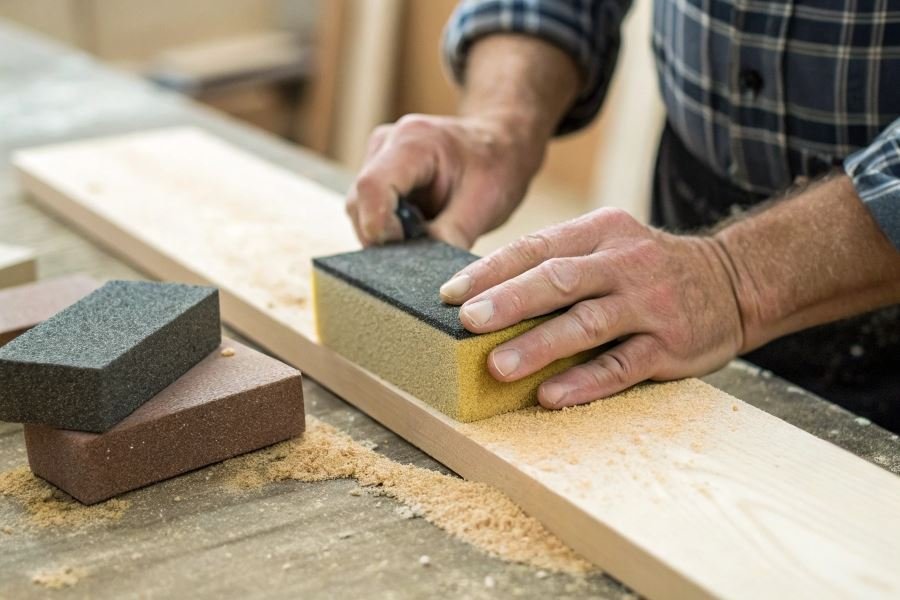
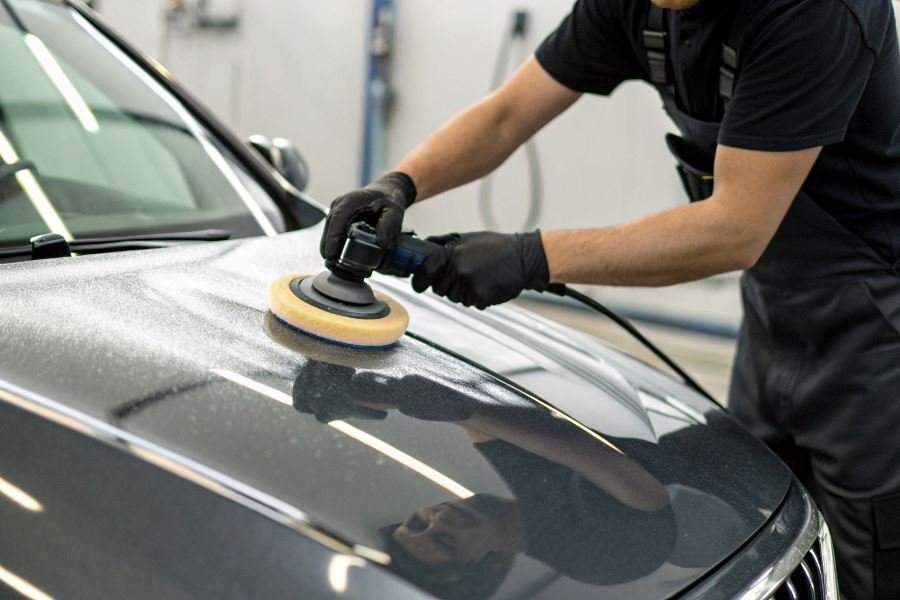
Abrasive sponges are versatile cleaning tools featuring a soft, absorbent sponge body combined with an abrasive surface. They’ve revolutionized everything from kitchen cleanup to woodworking and automotive detailing. Unlike traditional scouring pads, these hybrid tools can conform to irregular surfaces while providing varying degrees of abrasive power.
The economics of durability
The lifespan of your abrasive sponge directly impacts your bottom line. Premium sponges might cost $2-3 more upfront but can outlast cheaper alternatives by 3-5 times. This translates to fewer replacements and more consistent results across projects.
Performance factors that matter
Several key elements determine how long your abrasive sponge will maintain its effectiveness:
- Material composition: Melamine-based sponges offer exceptional cleaning power but wear faster than polyurethane alternatives
- Grit density: Higher density means longer wear but potentially more aggressive scrubbing
- Binding technology: How the abrasive particles attach to the sponge base dramatically affects longevity
- Environmental exposure: Certain chemicals can rapidly degrade even premium sponges
The right abrasive sponge doesn’t just clean better—it delivers consistent performance throughout its service life, making your work more efficient and your results more predictable.
The Hidden Science Behind Abrasive Sponge Longevity
When you’re standing in the cleaning supplies aisle staring at rows of colorful abrasive sponges, you’re actually looking at sophisticated cleaning tools engineered with specific performance characteristics. The difference between a sponge that disintegrates after a few uses and one that faithfully serves for months comes down to several critical factors.
Understanding the service life of abrasive sponges and what to pay attention to when choosing them can save both money and frustration. The best-performing sponges aren’t necessarily the most expensive ones, but rather those designed with specific cleaning challenges in mind.
Material Composition and Grit Rating
The backbone of any abrasive sponge’s durability is its material composition. High-quality sponges typically feature a combination of:
- Polyurethane foam for the soft side (retains flexibility even after hundreds of uses)
- Nylon or polyester fibers infused with abrasive minerals for the scrubbing side
- Melamine foam in specialty cleaning sponges (microscopic hardness similar to glass)
The grit rating—essentially how “rough” the abrasive side is—plays a crucial role in longevity. Finer grits (100+) tend to wear more gradually than coarse grits (below 60), though they remove material more slowly.
| Grit Range | Best For | Expected Lifespan |
|---|---|---|
| 30-60 (Coarse) | Heavy-duty cleaning, rust removal | 15-25 uses |
| 60-100 (Medium) | General kitchen cleaning, stuck-on food | 25-40 uses |
| 100+ (Fine) | Delicate surfaces, light cleaning | 40-60+ uses |
Construction Quality and Density Factors
The density of a sponge directly correlates with its durability. When examining potential purchases, give them a gentle squeeze—quality sponges should offer resistance while still remaining flexible.
Bonding technology represents another critical factor. The method used to attach the abrasive layer to the sponge determines whether they’ll separate after a few uses or remain firmly connected throughout the sponge’s life.
Premium sponges employ thermal bonding or specialized adhesives that withstand repeated exposure to cleaning chemicals and hot water.
Look for these construction quality indicators:
- Uniform thickness throughout the abrasive layer
- No loose fibers or particles when new
- Clearly defined edge between abrasive and sponge sections
- Resistance to tearing when firmly pulled
Environmental Impact on Durability
Perhaps surprisingly, where and how you use your abrasive sponge dramatically affects its lifespan. Harsh cleaning environments can reduce longevity by up to 70%.
Chemical exposure represents the primary environmental factor. Sponges regularly exposed to:
- Bleach solutions above 10% concentration
- Oil-based solvents
- Highly acidic cleaners (pH below 3)
…will deteriorate significantly faster than those used with mild detergents.
Temperature extremes also play a role. Sponges repeatedly exposed to water above 140°F (60°C) show accelerated breakdown of bonding agents. Similarly, freezing and thawing cycles can rupture the cellular structure of the foam.
Storage conditions matter too. Keeping sponges in perpetually damp environments promotes bacterial growth that can break down materials from within. The ideal approach: rinse thoroughly after use, squeeze out excess moisture, and store in a well-ventilated area.
By understanding these key factors affecting abrasive sponge longevity, you can select products that deliver optimal performance for your specific cleaning needs—and avoid the frustration of premature sponge failure.
Smart Spending on Abrasive Sponges: Maximizing Value and Performance
When investing in abrasive sponges for your projects, the cheapest option rarely delivers the best long-term value. Let’s dive into how to make truly informed decisions that balance your budget with performance needs.
The Cost-Performance Equation
The relationship between price and longevity isn’t always linear with abrasive sponges. A $5 premium sponge might outlast three $2 budget options, delivering better economics over time. Consider these value factors:
- Cost per use rather than upfront price
- Replacement frequency and associated downtime
- Quality of finish throughout the sponge’s lifespan
A professional-grade silicon carbide sponge from 3M might cost 30% more than generic alternatives but can deliver up to 40% more working hours—especially on hardwoods and metals where inferior products quickly lose their grit.
The true cost of an abrasive sponge isn’t what you pay at the register—it’s what you pay divided by how many jobs it completes successfully.
Extending Sponge Lifespan Through Proper Care
Even premium abrasives need proper maintenance to reach their potential lifespan:
- Rinse thoroughly after use to remove debris that accelerates wear
- Allow complete drying between applications to prevent breakdown
- Store in dry, temperature-stable environments away from direct sunlight
- Use appropriate pressure rather than forcing faster results
For foam-backed abrasives, avoid folding or creasing which can create permanent weak points. When working with wet applications, use sponges specifically designed for wet sanding—standard dry sponges used wet will deteriorate rapidly.
Application-Specific Recommendations
| Application | Recommended Sponge Type | Expected Lifespan | Key Performance Factor |
|---|---|---|---|
| Fine Woodworking | Aluminum oxide flexible | 15-20 hours active use | Consistent grit distribution |
| Metal Finishing | Silicon carbide firm | 8-12 hours active use | Heat resistance |
| Drywall/Plaster | Open-cell medium grit | 10-15 walls | Dust management |
For woodworking perfectionists: Mirka Abralon sponges deliver exceptional consistency across hardwoods and softwoods alike. Their foam construction prevents uneven pressure points that can create swirl marks in finishing stages.
For contractors handling multiple materials: Norton Bear-Tex pads offer versatility across surfaces with minimal performance drop-off, making them ideal when switching between materials without changing tools.
For precision detail work: Festool Granat abrasive sponges maintain edge integrity longer than competitors, crucial when working on intricate profiles or tight corners where precision matters.
Remember that application technique significantly impacts longevity—using a medium-grit sponge for heavy material removal will quickly destroy it, while using fine grits for initial sanding wastes both time and resources. Match your sponge to the specific stage of your project for optimal performance and lifespan.
By balancing initial investment against performance duration and maintaining your abrasives properly, you’ll achieve superior results while maximizing the value of every dollar spent.
Discover how to select long-lasting abrasive sponges by understanding material composition, grit ratings, and construction quality. Learn practical maintenance tips to maximize durability and get expert recommendations for different applications.
Discover how to select long-lasting abrasive sponges by understanding material composition, grit ratings, and construction quality. Learn practical maintenance tips to maximize durability and get expert recommendations for different applications.