Ever wondered why salon treatments leave your hair feeling transformed while home care often falls short? The secret weapon might be something you’ve never considered: thermal caps. These game-changing hair accessories are revolutionizing at-home hair treatments, delivering professional results without the professional price tag.
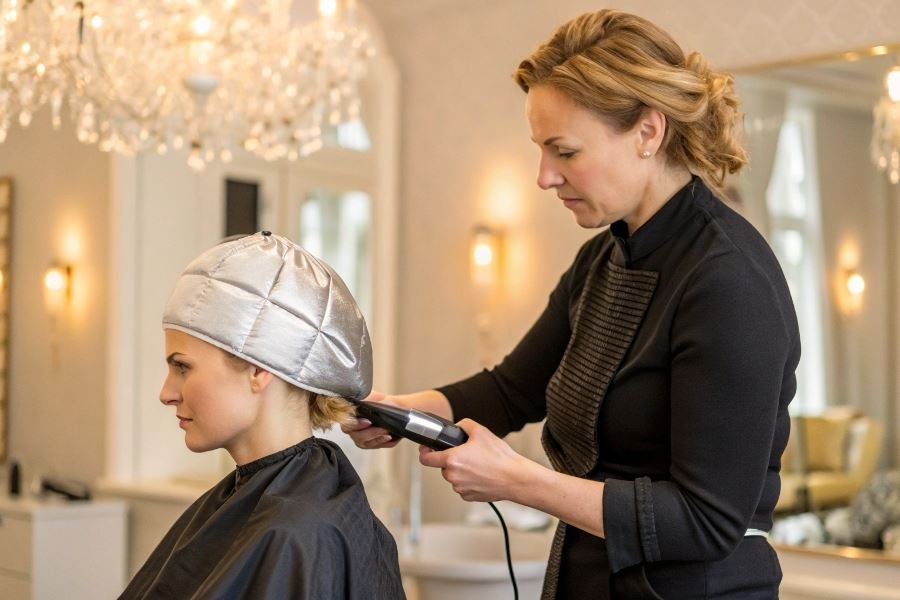
Thermal caps are specialized head coverings designed to apply controlled heat to your hair and scalp during conditioning treatments. By maintaining optimal temperature, they dramatically enhance product absorption, allowing deep conditioners, masks, and oils to penetrate hair shafts more effectively than room-temperature applications. The result? Deeper hydration, improved elasticity, and that coveted salon-fresh feel.
What began as simple heated bonnets has evolved into sophisticated hair care technology. Early thermal caps were basic warming devices—essentially heated shower caps. Today’s advanced models offer precise temperature control, even heat distribution, and specialized features for different hair types and concerns. This evolution represents a significant leap forward in bringing professional-grade treatments into everyday routines.
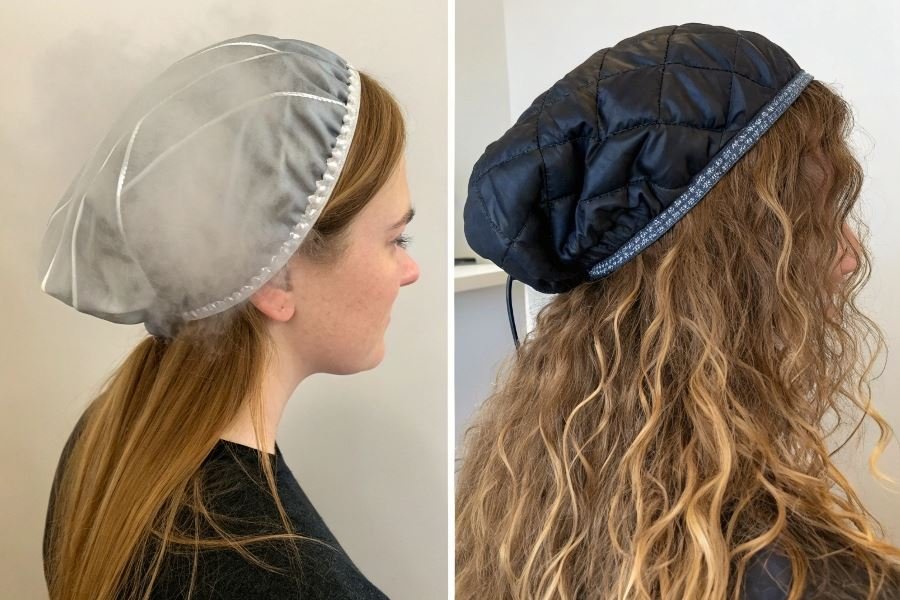
When comparing modern thermal caps, two technologies dominate the market: electric and steam. Electric caps use direct heat elements similar to those in heating pads, providing consistent, dry heat that works exceptionally well for oil treatments and protein-based conditioners. Steam caps, by contrast, utilize water vapor to create moist heat that excels at hydration and cuticle opening—perfect for moisture-starved or high-porosity hair.
The choice between these technologies isn’t just about preference—it’s about matching the right tool to your specific hair needs and treatment goals.
The Heat Revolution: Electric vs Steam Thermal Caps
Technology that transforms your tresses
When it comes to deep conditioning treatments, the technology behind your thermal cap can make all the difference between good and transformative results. Electric thermal caps utilize resistive heating elements—similar to those in electric blankets—that warm up when electricity passes through them. These elements are strategically placed throughout the cap to create consistent heat zones that activate conditioning treatments.
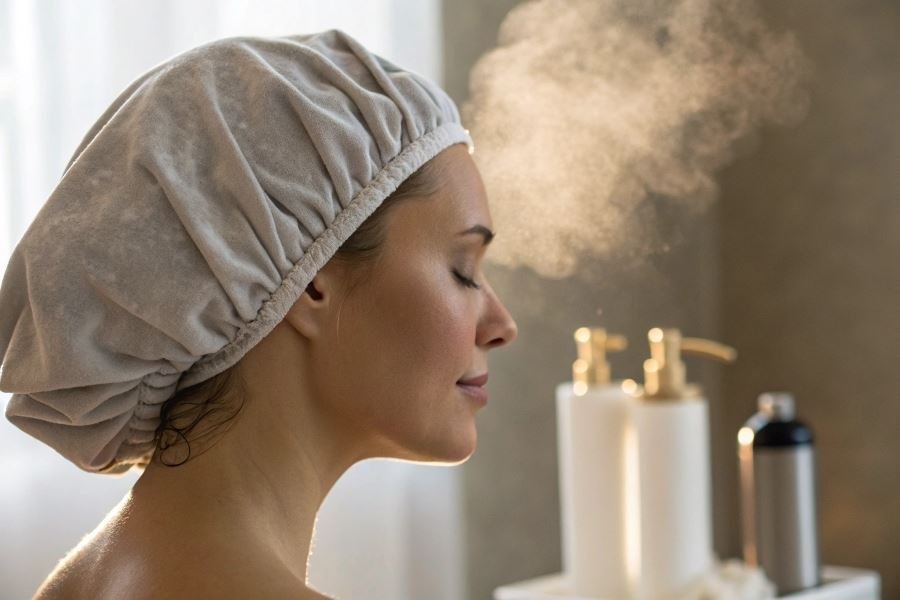
Steam thermal caps operate on an entirely different principle, using water vapor to create moist heat. The comparison of electric and steam thermal caps for hair care reveals fundamental differences in how they deliver heat to your hair follicles. Steam caps typically contain a water reservoir that, when heated, produces vapor that surrounds the hair shaft, opening the cuticle more effectively than dry heat alone.
The science behind the heat matters significantly. Electric caps generally reach temperatures between 110-170°F (43-77°C), while steam caps operate at slightly lower temperatures of 100-140°F (38-60°C) but compensate with moisture that enhances heat penetration.
Heat distribution and moisture retention face-off
The effectiveness of thermal caps hinges on two critical factors: even heat distribution and moisture retention capabilities.
| Feature | Electric Thermal Caps | Steam Thermal Caps |
|---|---|---|
| Heat Distribution | Consistent but dry heat | Less consistent but more penetrating |
| Moisture Retention | Minimal (relies on product) | Excellent (adds moisture) |
| Treatment Time | 20-30 minutes | 15-25 minutes |
| Hair Cuticle Effect | Opens gradually | Opens rapidly |
Electric caps excel at maintaining consistent temperatures throughout the treatment process. However, they can sometimes create “hot spots” that may cause uneven product absorption. The dry heat can also potentially cause moisture loss if the conditioning cap underneath isn’t properly sealed.
Steam caps, while sometimes less precise in temperature control, create a humid environment that prevents moisture evaporation. This humid microclimate helps conditioning ingredients penetrate deeper into the hair shaft, particularly beneficial for low-porosity hair types that resist product absorption.
Investment analysis: upfront costs vs long-term value
Making the right choice between these technologies requires understanding both immediate and ongoing costs.
Electric thermal caps from brands like Hot Head typically range from 45−120 depending on features like temperature control settings and auto shut-off capabilities. They require no additional supplies beyond electricity, making their operating costs minimal—approximately 0.10−0.15 per treatment.
Steam caps from manufacturers such as Q-Redew generally command higher prices, ranging from 80−200. They require distilled water for optimal performance and may have heating elements that need replacement after 1-2 years of regular use. This translates to an operating cost of roughly 0.20−0.30 per treatment.
The value equation shifts dramatically when considering professional salon treatments. With deep conditioning sessions averaging 50−75 per visit, a home thermal cap pays for itself within 2-4 treatments. Steam caps, while more expensive initially, often reduce the need for additional moisturizing products, potentially saving 15−20 per month for those with particularly dry or damaged hair.
Performance where it counts
The ultimate measure of any thermal cap is results. Electric caps deliver excellent results for protein treatments and lighter conditioning needs. Steam caps demonstrate superior performance with deep moisturizing treatments and for severely damaged hair requiring intensive repair.
For those treating color-treated hair, the gentler steam approach typically preserves color integrity better than the sometimes harsher electric heat. However, for those seeking to maximize protein bonding in reconstructive treatments, the precise, consistent heat of electric caps often yields more predictable results.
Making the Right Choice: Electric vs. Steam Thermal Caps
Matching Your Hair Type to the Perfect Cap
Hair type is the cornerstone of your thermal cap decision. Fine, damaged hair typically responds better to steam thermal caps, which provide gentler, moisture-rich heat that won’t further compromise fragile strands. The humid environment created by steam caps helps open the cuticle gradually, allowing deep conditioning treatments to penetrate without excessive heat stress.
Conversely, thick, coarse, or highly textured hair often requires the more intense, direct heat that electric caps deliver. These caps maintain consistent temperatures—typically between 110-170°F—providing the thermal power needed to penetrate dense hair structures and maximize product absorption.
The difference isn’t just about heat intensity—it’s about how your specific hair porosity interacts with moisture during the treatment process.
For those with color-treated hair, steam caps offer a significant advantage. The moisture-rich environment helps preserve color molecules while still allowing conditioning treatments to work their magic. Electric caps, while effective, can sometimes accelerate color fading if used at higher temperature settings.
Longevity and Care Requirements
| Feature | Electric Thermal Caps | Steam Thermal Caps |
|---|---|---|
| Average Lifespan | 3-5 years | 2-4 years |
| Cleaning Needs | Wipe down heating elements; spot clean | Regular descaling; thorough drying |
| Common Issues | Heating element failure; cord damage | Mineral buildup; water reservoir leaks |
| Energy Usage | 15-45 watts continuous | 400-800 watts (initial), minimal during use |
Electric thermal caps win the maintenance battle with their straightforward care requirements. Most quality models from brands like Hot Head require only occasional wipe-downs and proper storage. Their solid-state construction means fewer moving parts to malfunction.
Steam caps demand more attention. Mineral deposits from tap water can accumulate in water chambers and steam outlets, requiring regular descaling with vinegar solutions. Premium models like the Q-Redew include self-cleaning functions, but still require thorough drying after each use to prevent mold growth.
Treatment-Specific Recommendations
When deep conditioning is your primary goal, steam caps deliver superior results for most users. The combination of moist heat and gentle temperature creates ideal conditions for conditioning agents to penetrate the hair shaft. For weekly deep conditioning routines, a steam cap’s ability to maintain optimal hydration levels makes it worth the extra maintenance.
For protein treatments, electric caps often perform better. The consistent, direct heat helps protein molecules bond more effectively to the hair structure. When applying keratin or bond-rebuilding treatments like Olaplex, the precise temperature control of quality electric caps ensures optimal processing.
Hot oil treatments present an interesting case where both options have merit. Steam caps create an environment that helps oils distribute more evenly throughout the hair, while electric caps can help oils penetrate more deeply into the shaft. Your hair porosity should be the deciding factor—low porosity hair benefits from steam’s ability to lift the cuticle, while high porosity hair may need less opening and more sealing that electric caps provide.
For those focused on scalp treatments addressing issues like psoriasis or seborrheic dermatitis, steam caps offer therapeutic benefits beyond just product activation. The moist heat can help loosen buildup while increasing blood circulation to the scalp, enhancing both treatment efficacy and comfort.
Discover which thermal cap technology delivers superior results for your hair treatments. Compare electric vs steam caps' effectiveness, cost, and benefits for different hair types and treatment goals.
Discover which thermal cap technology delivers superior results for your hair treatments. Compare electric vs steam caps' effectiveness, cost, and benefits for different hair types and treatment goals.