What if I told you the difference between a flawless aerospace component and a failed structure often comes down to choosing the right welding method?
When metal meets metal in the industrial world, two titans of joining technology stand out: argon arc welding and electric arc welding. These processes represent the backbone of modern manufacturing, each with distinct capabilities that have revolutionized everything from automotive production to artistic metalwork.
The fundamental science behind the spark
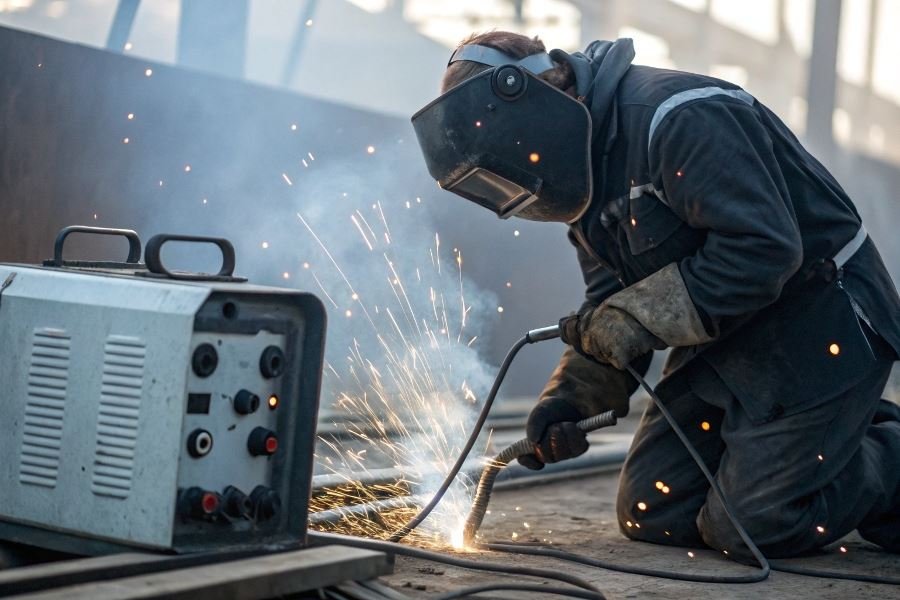
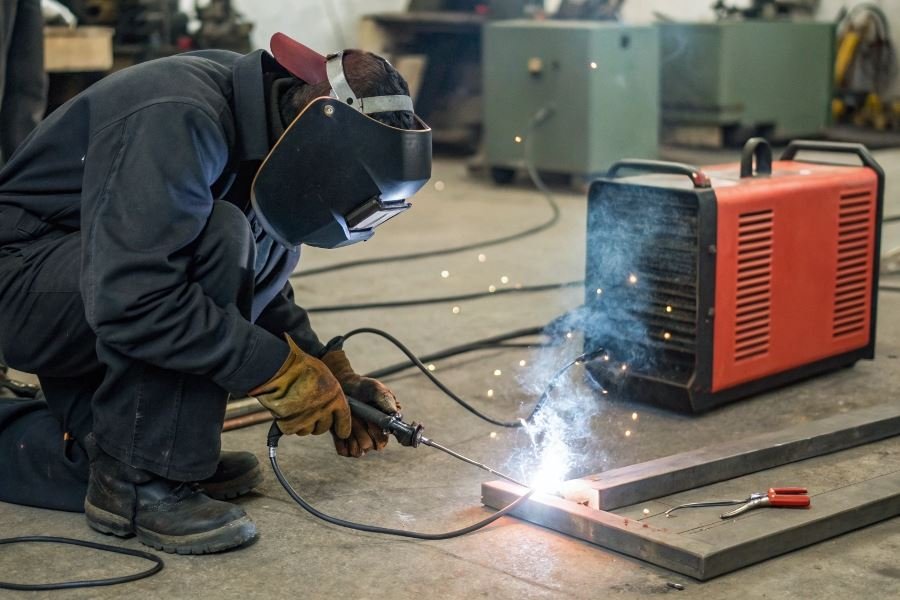
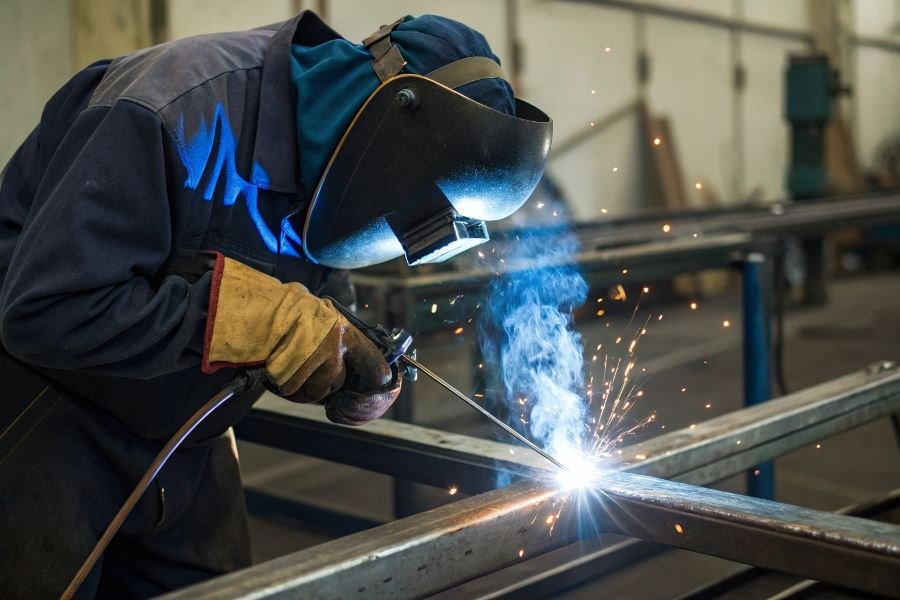
At their core, both welding methods harness the incredible power of an electric arc—a controlled lightning bolt, if you will—to generate intense heat that melts and fuses metals. Electric arc welding (commonly known as stick welding) uses a consumable electrode coated with flux that melts to form the weld while simultaneously creating a shield of gas to protect the molten pool. Argon arc welding, or TIG (Tungsten Inert Gas), employs a non-consumable tungsten electrode while flooding the weld area with argon gas to prevent contamination.
From battlefield innovation to precision engineering
The evolution of these technologies tells a fascinating story of human ingenuity. Electric arc welding emerged in the 1880s when Nikolai Benardos and Stanisław Olszewski pioneered the carbon arc process. The method transformed dramatically during World War II when manufacturing demands skyrocketed.
TIG welding arrived later, developed in 1941 by Russell Meredith at Northrop Aircraft Corporation specifically to weld magnesium and aluminum for aircraft. The precision it offered changed what was possible in metalworking forever.
Two paths to metal fusion
While both methods create exceptional bonds, their applications diverge significantly:
- Electric arc welding excels in structural applications, outdoor environments, and situations requiring deep penetration
- Argon arc welding shines in precision work, thin materials, and when aesthetic finish matters
The choice between them often comes down to the perfect balance of strength, appearance, and project requirements—a decision that separates merely functional results from truly exceptional craftsmanship.
The Ultimate Welding Showdown: Argon Arc vs Electric Arc
Equipment Setup That Makes or Breaks Your Project
Setting up for welding isn’t just about plugging in and firing away. Argon arc welding (TIG) demands precision equipment that includes a non-consumable tungsten electrode, a sophisticated power supply with high-frequency start capabilities, and dedicated gas delivery systems. The torch assembly alone requires careful configuration with various cup sizes and electrode diameters depending on your application.
When comparing argon arc welding and electric arc welding, the equipment differences become immediately apparent. Electric arc welding (stick welding) offers simplicity with its basic power source and electrode holder, making it the go-to choice for field operations where portability trumps precision. TIG setups, by contrast, require additional components like foot pedals for amperage control and water cooling systems for intensive applications.
Material Matchmaking: Finding Your Perfect Weld Partner
Not all metals play nicely with every welding process. TIG welding excels magnificently with aluminum, stainless steel, and exotic metals like titanium where contamination would be catastrophic. The inert argon shield creates a pristine environment that preserves material integrity.
Stick welding demonstrates remarkable versatility across ferrous metals, particularly with rusty or dirty surfaces that would render TIG welding ineffective. However, it struggles with thin materials and non-ferrous metals that TIG handles with ease.
| Material | TIG (Argon Arc) | Stick (Electric Arc) |
|---|---|---|
| Aluminum | Excellent | Poor |
| Stainless Steel | Excellent | Good |
| Mild Steel | Good | Excellent |
| Rusty/Dirty Steel | Poor | Excellent |
| Thin Materials (<1/8″) | Excellent | Challenging |
The Beauty Contest: Quality and Finish
The aesthetic difference between these processes is striking. TIG welds produce gallery-worthy beads with minimal spatter and virtually no cleanup required. The level of control allows for artistic expression in the weld itself, with precision that can achieve tolerances within 0.005 inches.
Electric arc welding prioritizes function over form, producing strong but rougher welds with significant spatter. Post-weld cleanup becomes necessary, adding time to projects where appearance matters. While stick welding can achieve good penetration, it simply cannot match the refined finish of a properly executed TIG weld.
Dollars and Sense: Cost Considerations
Initial investment tells only part of the story. A basic stick welding setup might start around $300, while comparable TIG equipment begins closer to $1,500. However, operational costs shift this equation significantly over time.
TIG welding consumes expensive tungsten electrodes and argon gas, adding approximately $3-5 per hour in consumables. Stick welding electrodes cost more per pound of deposited metal, but require no shielding gas. For high-volume production, these differences compound dramatically, making process selection a critical business decision.
Safety First: Protecting Your Most Valuable Asset
Both processes share common hazards—arc flash, burns, and fumes—but with important distinctions. TIG welding produces significantly fewer fumes than stick welding, reducing respiratory risks. However, it generates more intense ultraviolet radiation, demanding higher-grade eye protection.
Stick welding’s inherent spatter creates additional burn risks requiring comprehensive protective clothing. The simpler equipment of stick welding reduces electrical complexity but increases the importance of proper grounding to prevent shock hazards.
Regardless of process, proper ventilation, appropriate PPE, and thorough training remain non-negotiable elements of a safe welding environment.
Industry Applications That Define Welding Method Selection
Automotive Manufacturing Demands
The automotive industry leverages both welding technologies with distinct purposes. Argon arc welding dominates when manufacturing aluminum components and thin-gauge body panels. The precision control allows for minimal heat distortion on visible surfaces—critical for today’s lightweight vehicle designs.
Electric arc welding shines in chassis fabrication where thicker steel components require deeper penetration. Major manufacturers like Ford and Toyota employ specialized robotic MIG welding cells that can complete up to 5,000 welds per vehicle body.
The automotive sector’s shift toward aluminum construction has increased TIG welding demand by 37% since 2018, particularly for electric vehicle battery enclosures where heat-sensitive components demand precision.
Construction and Structural Applications
In construction, electric arc welding remains the backbone of structural steel fabrication. Its high deposition rates and deep penetration make it ideal for connecting I-beams, columns, and reinforcement bars.
Argon arc welding finds its niche in architectural metalwork and stainless steel applications:
| Application | Preferred Method | Key Advantage |
|---|---|---|
| Structural beams | Electric arc (SMAW/FCAW) | Speed and strength |
| Stainless handrails | Argon arc (TIG) | Aesthetic finish |
| Pipe connections | Both (context dependent) | Adaptability |
| Ornamental features | Argon arc (TIG) | Precision control |
Construction firms like Bechtel rely on electric arc processes for their efficiency on large-scale projects, while custom fabricators prefer argon arc for visible architectural elements where appearance matters.
Aerospace and Precision Engineering
The aerospace industry represents the pinnacle of welding requirements. Argon arc welding dominates this sector due to its unmatched precision and cleanliness. Boeing and SpaceX utilize specialized TIG welding for critical components where failure isn’t an option.
“In aerospace manufacturing, a single welding defect can cost millions. That’s why argon arc welding isn’t just preferred—it’s mandatory for flight-critical components.”
Electric arc welding still finds applications in aerospace ground support equipment and non-flight components where cost efficiency matters more than ultimate precision.
The precision engineering sector follows similar patterns, with medical device manufacturers and semiconductor equipment builders relying heavily on argon arc processes for their cleanest, most controlled results.
Selecting the Right Welding Method
The decision matrix for choosing between these technologies hinges on five critical factors:
- Material composition and thickness – Thinner materials and non-ferrous metals typically favor argon arc welding
- Appearance requirements – Visible welds benefit from argon arc’s cleaner finish
- Production volume and speed needs – High-volume production often leans toward electric arc methods
- Skill availability – Argon arc welding demands higher operator skill
- Budget constraints – Equipment costs for argon arc systems typically run 30-60% higher than comparable electric arc setups
Industry leaders increasingly implement hybrid approaches, using electric arc welding for structural components and argon arc for critical joints or visible surfaces—maximizing efficiency without compromising quality.
The most successful fabricators maintain capabilities in both technologies, allowing them to match the perfect process to each specific application rather than forcing a one-size-fits-all approach.
Discover the key differences between argon arc and electric arc welding techniques, their unique features, equipment requirements, and optimal applications across industries. Make an informed choice for your specific welding needs.
Discover the key differences between argon arc and electric arc welding techniques, their unique features, equipment requirements, and optimal applications across industries. Make an informed choice for your specific welding needs.