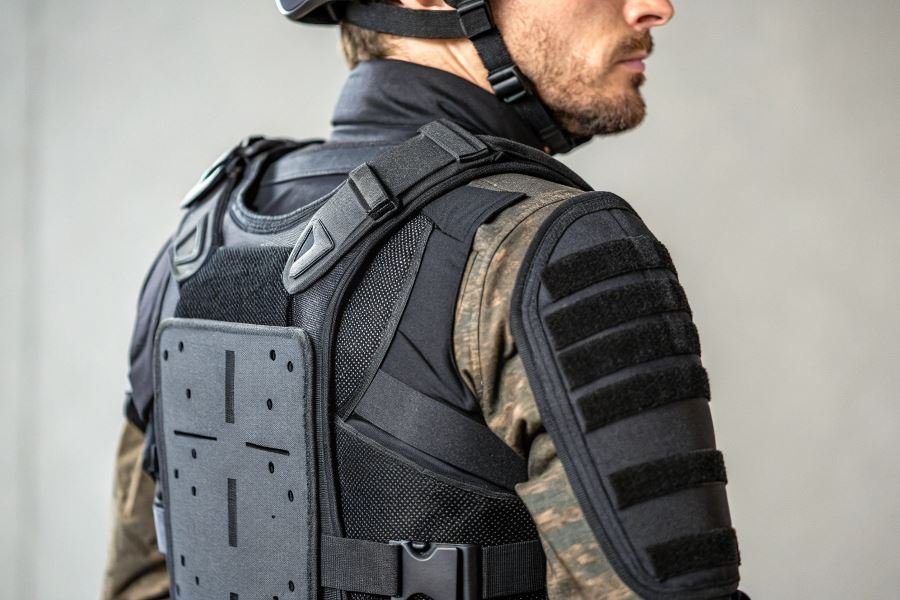
Ever wondered why some tactical operators maintain peak performance while others struggle with equipment failures at critical moments? The difference often lies not in the gear itself, but in how it’s maintained. Lumbar armor—that crucial protective equipment safeguarding your lower back during high-risk activities—requires specific care to deliver when it matters most.
Lumbar armor typically incorporates a sophisticated blend of materials: ballistic fibers like Kevlar or Dyneema, rigid or semi-rigid plates (ceramic, polyethylene, or steel), and moisture-wicking fabrics. Each component demands unique maintenance approaches to preserve its protective integrity.
“The armor that saves your life tomorrow depends on how you treat it today.” – Veteran tactical instructor
The stakes couldn’t be higher when it comes to protective gear maintenance. Properly maintained lumbar armor can extend its service life by 40-60%, representing thousands of dollars in savings. More critically, neglected armor can experience up to a 30% reduction in protective capabilities—a margin no professional can afford.
Regular care creates a triple benefit: extended equipment lifespan, maintained protective capabilities, and improved comfort during extended wear. The microscopic damage from sweat, impact, and environmental exposure compounds over time, but a consistent maintenance routine prevents these invisible threats from compromising your safety.
Your lumbar armor is an investment in your survival. Treating it as such isn’t just fiscally responsible—it might be the difference between walking away from danger or not walking away at all.
Maximizing Your Lumbar Armor’s Lifespan
Daily Inspection Rituals That Save Lives
Professional-grade lumbar armor represents a significant investment in your personal safety. Establishing a consistent daily inspection routine takes just 3-5 minutes but dramatically extends your armor’s functional lifespan. Start by examining the exterior for visible damage—look specifically for scratches, dents, or separation along seam lines. These seemingly minor issues can compromise the armor’s structural integrity during critical moments.
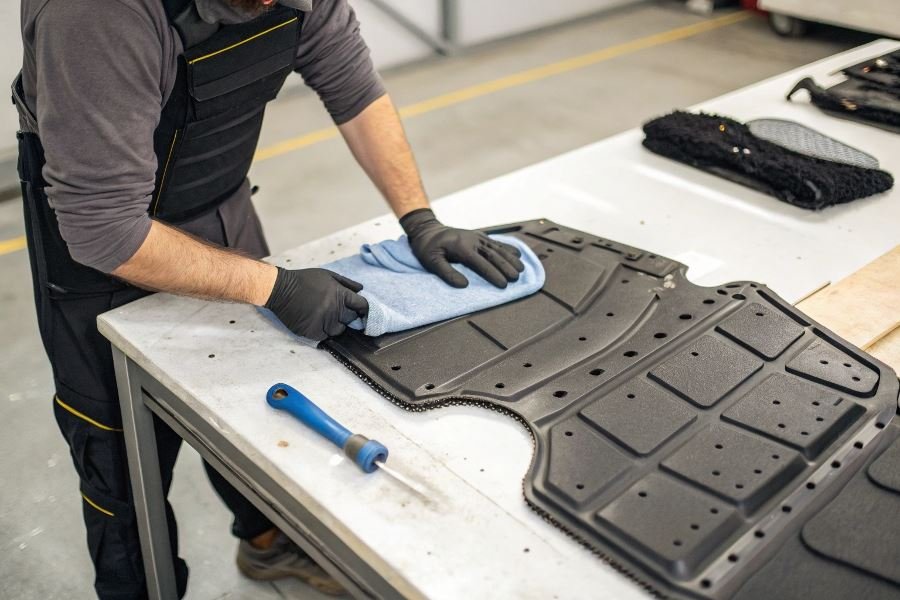
The proper care for lumbar armor to extend its service life involves more than occasional maintenance; it requires systematic attention to detail. After each use, wipe down the exterior with a microfiber cloth slightly dampened with manufacturer-approved cleaning solution. This prevents body oils, sweat compounds, and environmental contaminants from degrading the protective materials. For tactical-grade armor, pay special attention to the strike plate pocket areas where moisture tends to accumulate.
Never use household cleaners containing ammonia or bleach on your armor—these chemicals attack the ballistic fibers and compromise protection levels. Instead, invest in purpose-formulated cleaners designed specifically for body armor maintenance. A quality cleaner typically costs $15-25 but extends your armor’s effective lifespan by up to 30%.
Storage Solutions That Preserve Protection
The way you store your lumbar armor when not in use directly impacts its longevity and performance capabilities. The ideal storage environment maintains consistent temperature (65-75°F) and moderate humidity (30-50%). Extreme conditions accelerate material degradation—particularly in composite armor systems combining multiple protective elements.
| Storage Method | Benefits | Potential Issues |
|---|---|---|
| Hanging System | Prevents creasing, allows airflow | Requires dedicated space, potential stretching |
| Flat Storage | Maintains shape, prevents stress points | Requires large surface area, dust accumulation |
| Purpose-Built Case | Complete protection, controlled environment | Higher cost, less convenient access |
The difference between proper and improper storage can mean years of additional service life. When storing for extended periods, insert acid-free tissue paper between components to absorb residual moisture and prevent material-on-material abrasion.
Preemptive Maintenance Strategies
The most effective armor maintenance happens before critical failures occur. Establish a quarterly deep inspection protocol focusing on these commonly overlooked wear indicators:
-
Stitching integrity check: Examine all seams under bright light, looking for thread fraying or separation. Even minor stitching failures can cascade into catastrophic protection gaps.
-
Flexibility assessment: Gently flex each panel—excessive stiffness or unusual softness indicates internal material breakdown requiring immediate attention.
-
Closure system evaluation: Velcro, buckles, and straps degrade faster than armor plates. Test each fastening point under tension similar to what you’d experience during active use.
Address minor issues immediately rather than waiting for scheduled maintenance. Small repairs cost significantly less than replacement and prevent cascading damage to surrounding components. For specialized repairs, work only with certified armor technicians who understand the complex material science behind modern protection systems.
By implementing these systematic maintenance protocols, your lumbar armor will maintain its protective capabilities well beyond standard service expectations—potentially adding years of reliable protection when you need it most.
Advanced Care Strategies for Lumbar Armor Longevity
Environmental Adaptation: Seasonal Maintenance
Lumbar armor performance directly correlates with how you adapt maintenance to changing environments. During summer months, when temperatures climb above 85°F, the composite materials in premium armor systems like those from Defender Tech can experience accelerated degradation from sweat and body oils. Implementing a bi-weekly cleaning regimen using pH-neutral cleaners prevents salt buildup that can compromise ballistic integrity.
Winter presents different challenges. Cold temperatures below 30°F can reduce material flexibility by up to 40%, increasing fracture risk. Store armor at room temperature whenever possible and allow it to gradually acclimate before wearing in extreme conditions. Apply silicone-based conditioners to maintain flexibility in cold environments—but never use petroleum-based products, which can degrade Kevlar fibers.
Humidity variations require particular attention:
| Environment | Humidity Level | Maintenance Frequency | Special Considerations |
|---|---|---|---|
| Arid/Desert | Below 30% | Monthly deep cleaning | Apply moisture-retention treatments |
| Temperate | 30-60% | Quarterly inspection | Standard care protocol |
| Tropical | Above 60% | Bi-weekly airing | Anti-fungal treatments essential |
The difference between armor that lasts three years versus seven often comes down to these seasonal adjustments.
Professional Servicing Timeline
Even meticulously maintained armor benefits from professional assessment. Industry data shows that professionally serviced armor retains 92% of its protective capabilities versus just 76% for self-maintained units after three years of regular use.
Establish this professional maintenance schedule:
- 6-month mark: Basic inspection and recertification
- 12-month mark: Comprehensive evaluation including ultrasonic testing to detect invisible stress fractures
- 24-month mark: Complete disassembly, panel inspection, and carrier replacement if needed
Armor Solutions and similar certified service providers use specialized equipment to detect microscopic degradation invisible to the naked eye. Their NIJ-certified technicians can identify potential failure points before they compromise protection.
Repair or Replace: Making Critical Decisions
Understanding when to repair versus replace components saves both money and potentially lives. The decision matrix hinges on several factors:
For carriers and external components:
- Frayed stitching under 1-inch: Repair
- Compromised hook-and-loop fasteners: Replace specific components
- Stretched elastic: Replace if retention reduced by more than 15%
For ballistic panels:
- Any visible damage to ballistic material: Replace immediately
- Water exposure under 30 minutes: Professional drying and recertification
- Water exposure over 30 minutes: Replacement typically necessary
Warning signs requiring immediate replacement include:
- Visible deformation of panels
- Unusual odors indicating material breakdown
- Tactile inconsistencies when pressing on panel surfaces
The National Institute of Justice recommends complete replacement of ballistic panels every 5 years regardless of visible condition, as microscopic degradation can reduce effectiveness by up to 30%.
By implementing these advanced care strategies, your investment in lumbar armor transforms from a consumable expense into a long-term protective asset. The difference between standard and exceptional maintenance isn’t just measured in dollars saved—it’s quantified in years of reliable protection.
Discover essential maintenance techniques for your lumbar armor that preserve its protective capabilities and extend its lifespan. Learn proper cleaning, storage, and inspection methods to maximize your investment in personal protection.
Discover essential maintenance techniques for your lumbar armor that preserve its protective capabilities and extend its lifespan. Learn proper cleaning, storage, and inspection methods to maximize your investment in personal protection.