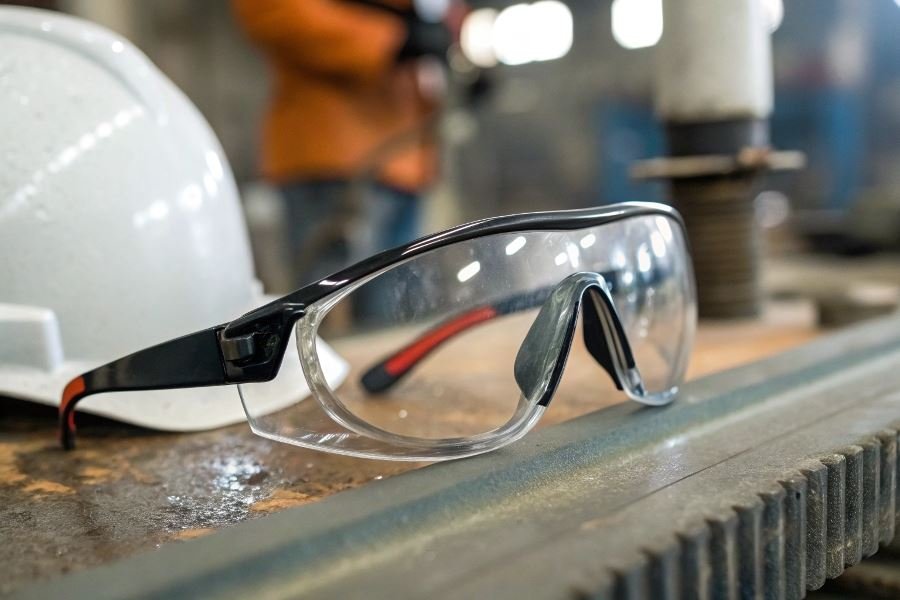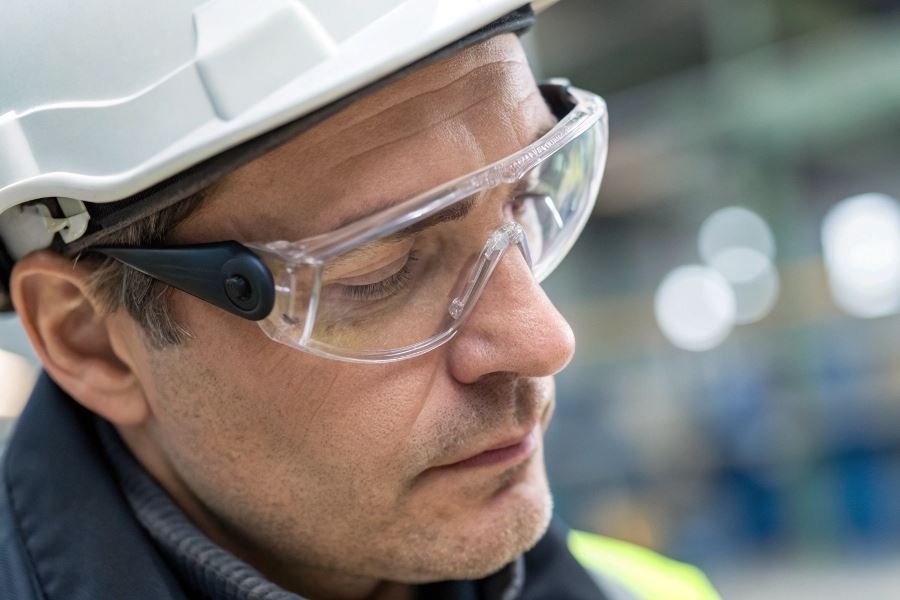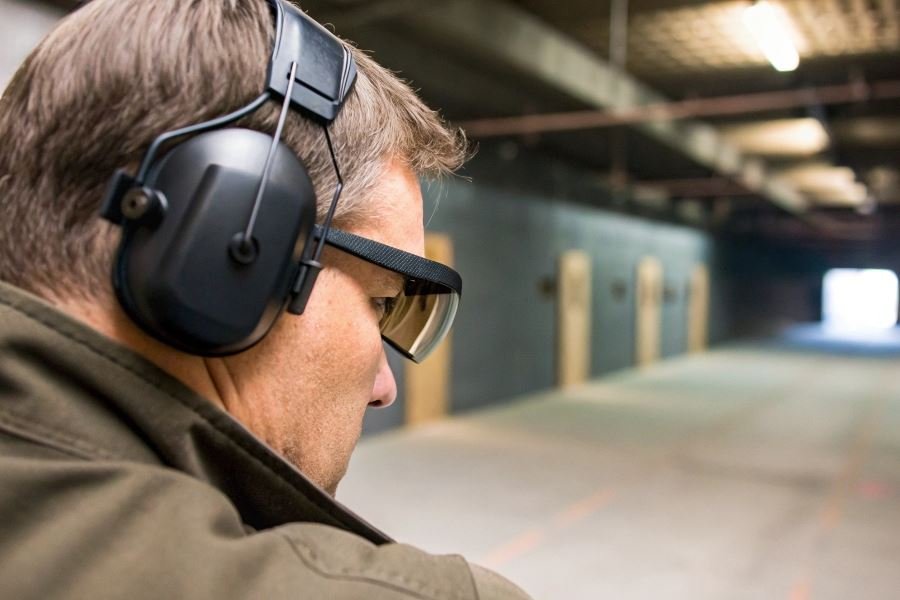
Ever wondered what stands between your eyes and a high-velocity impact? The answer might be thinner than a pencil yet strong enough to stop fragments traveling at 650+ feet per second.
Ballistic glasses represent specialized protective eyewear engineered to shield eyes from high-velocity impacts, flying debris, and potentially harmful particles. Unlike conventional safety glasses, these tactical defenders are specifically designed to withstand ballistic threats—whether you’re at the shooting range, working in high-risk industrial environments, or serving in tactical operations. The difference between standard safety eyewear and true ballistic protection can literally be sight-saving.
Why selection criteria matter: Choosing the right ballistic eyewear isn’t merely a preference—it’s a calculated decision that directly impacts your safety margin. The American National Standards Institute (ANSI) established the Z87.1 standard as the baseline for impact resistance, but military-grade protection follows the more rigorous MIL-PRF-32432 standard, which tests eyewear against much higher velocity impacts.
The certification hierarchy
The protection hierarchy starts with basic ANSI Z87+ certification (for industrial hazards), progresses to ANSI Z87.1-2020 (with enhanced impact testing), and peaks with military specifications like MIL-PRF-32432 or the NATO STANAG 2920 standard. These military-grade certifications require eyewear to withstand impacts from fragments traveling at velocities that would shatter conventional glasses.
Proper ballistic eyewear doesn’t just protect—it preserves your most valuable sensory asset while maintaining optical clarity and comfort during critical moments when focus matters most.
The Science Behind Ballistic Protection
When selecting eyewear that stands between your vision and high-velocity impacts, understanding the technical specifications becomes not just important—it’s critical. The market offers countless options claiming “ballistic protection,” but the difference between marketing hype and genuine safety often lies in the details.
Impact resistance ratings form the foundation of all protective eyewear decisions. The American National Standards Institute (ANSI) Z87.1 standard represents the baseline for industrial eye protection, but military-grade ballistic glasses must meet the more rigorous MIL-PRF-32432 standard. This military specification requires eyewear to withstand a .15 caliber projectile at 640-660 feet per second—approximately 7 times the impact energy of ANSI standards. When evaluating ballistic glasses selection criteria for maximum protection, these testing standards provide an objective measure of performance that cuts through marketing claims.
Material Science Meets Battlefield Requirements
The lens material directly determines how effectively ballistic glasses absorb and disperse impact energy. Three materials dominate the high-performance spectrum:
- Polycarbonate: The industry workhorse offering 10x the impact resistance of glass
- Trivex: Lighter than polycarbonate with superior optical clarity
- SR-91: A proprietary composite delivering military-grade protection with minimal distortion
Thickness matters significantly—but contrary to intuition, thicker isn’t always better. The optimal thickness balances protection with weight and optical clarity.
| Material | Impact Resistance | Weight | Optical Clarity | UV Protection |
|---|---|---|---|---|
| Polycarbonate | Excellent | Moderate | Good | 100% |
| Trivex | Very Good | Light | Excellent | 100% |
| SR-91 | Superior | Moderate | Excellent | 100% |
Frame Engineering: The Unsung Hero
The finest lenses become worthless when paired with frames that fail under stress. Military-grade frames typically employ three construction approaches:
- Nylon composite frames offer exceptional flexibility and impact absorption
- Magnesium alloy constructions provide lightweight strength with thermal stability
- Multi-material hybrids strategically combine materials for optimal performance
Frame wrap angle deserves special attention—a minimum 8-base curve (approximately 40° wrap) ensures peripheral protection while maintaining optical clarity. Wiley X pioneered this approach with their tactical series, establishing new standards for peripheral coverage.
The temple design significantly impacts both protection and comfort during extended wear. Look for pressure-distributed temple systems that maintain position during rapid movement without creating pressure points. Oakley’s patented “Unobtainium” ear socks actually increase grip when wet—a critical feature when perspiration might otherwise compromise fit.
Hinge durability often separates professional-grade equipment from consumer options. The best ballistic glasses employ reinforced metal hinges with redundant locking mechanisms that prevent catastrophic failure even when partially damaged.
Remember that ballistic protection represents a system, not a single feature. The most effective eyewear integrates impact-resistant materials, thoughtful frame construction, and ergonomic design to create protection that performs when it matters most. The difference between adequate and exceptional protection often comes down to these seemingly minor engineering decisions that reveal themselves only in the most demanding circumstances.
Beyond Basic Protection: Advanced Ballistic Eyewear Selection
The Perfect Fit Changes Everything
When selecting ballistic glasses, fit isn’t just about comfort—it’s about survival. The ideal protective eyewear creates a seamless seal against your face while maintaining enough distance to prevent fogging. Gap-free coverage around the orbital socket area prevents debris from entering at critical moments.
Military-grade ballistic glasses like the Oakley SI Ballistic M Frame feature adjustable nose bridges and temple arms that can be customized for different face shapes. This personalization ensures the glasses stay in place during rapid movements or impact scenarios.
Peripheral vision deserves special attention. Traditional safety glasses often create blind spots at the edges, but advanced ballistic models offer up to 210° of unobstructed vision. The Wiley X Saber exemplifies this with its wrapped lens design that maintains clarity at extreme angles without distortion.
The difference between adequate and exceptional protection often comes down to millimeters of coverage and degrees of visibility.
Adapting to Environmental Extremes
Modern ballistic eyewear must perform across diverse conditions—from desert heat to arctic cold, from blinding sunlight to near darkness.
| Environmental Challenge | Advanced Solution | Example Technology |
|---|---|---|
| Extreme Temperature | Thermal-resistant polycarbonate | ESS CrossBow thermal lens system |
| Varying Light Conditions | Photochromic lenses | Transition XTRActive technology |
| Humidity and Precipitation | Hydrophobic coatings | Revision Military’s OcuMax coating |
| Dust and Particulates | Sealed frame systems | Smith Optics Elite Aegis Echo |
The Revision Sawfly exemplifies environmental adaptability with interchangeable lenses that can be swapped in seconds. High-contrast yellow lenses for low-light conditions, polarized options for water and snow environments, and neutral gray for bright daylight give users tactical advantages in changing conditions.
Anti-fog technology has evolved beyond simple coatings. Ventilation channels engineered into frames create microclimate management systems that prevent condensation while maintaining ballistic integrity. The ESS Crossbow incorporates this technology without compromising its MIL-PRF-32432 ballistic rating.
Longevity Through Intelligent Maintenance
The most advanced ballistic eyewear becomes worthless if compromised by improper care. Maintenance requirements vary significantly between manufacturers and models.
Premium ballistic glasses feature scratch-resistant coatings that withstand cleaning with microfiber cloths without degradation. The Smith Optics Elite line includes proprietary Tapered Lens Technology that maintains optical clarity even after hundreds of cleaning cycles.
Replacement parts availability dramatically extends service life. Modular designs allow for individual component replacement rather than complete system replacement when damage occurs. The Revision Bullet Ant tactical goggles feature user-replaceable foam, straps, and lenses that can be serviced in the field.
Storage solutions matter too. Rigid cases with moisture-wicking interiors prevent warping and coating degradation during non-use periods. Many premium options include MOLLE-compatible carrying systems that protect the eyewear while keeping it accessible.
The true value of ballistic eyewear isn’t measured at purchase but over years of reliable protection in demanding conditions.
When selecting ballistic glasses, remember that protection standards represent minimum requirements, not optimization targets. The best systems exceed standards while addressing the human factors that determine whether the eyewear will be worn consistently and correctly when needed most.
Discover the 7 critical factors for selecting ballistic glasses that provide superior eye protection. Learn about impact ratings, lens materials, and fit considerations to ensure maximum safety in high-risk environments.
Discover the 7 critical factors for selecting ballistic glasses that provide superior eye protection. Learn about impact ratings, lens materials, and fit considerations to ensure maximum safety in high-risk environments.